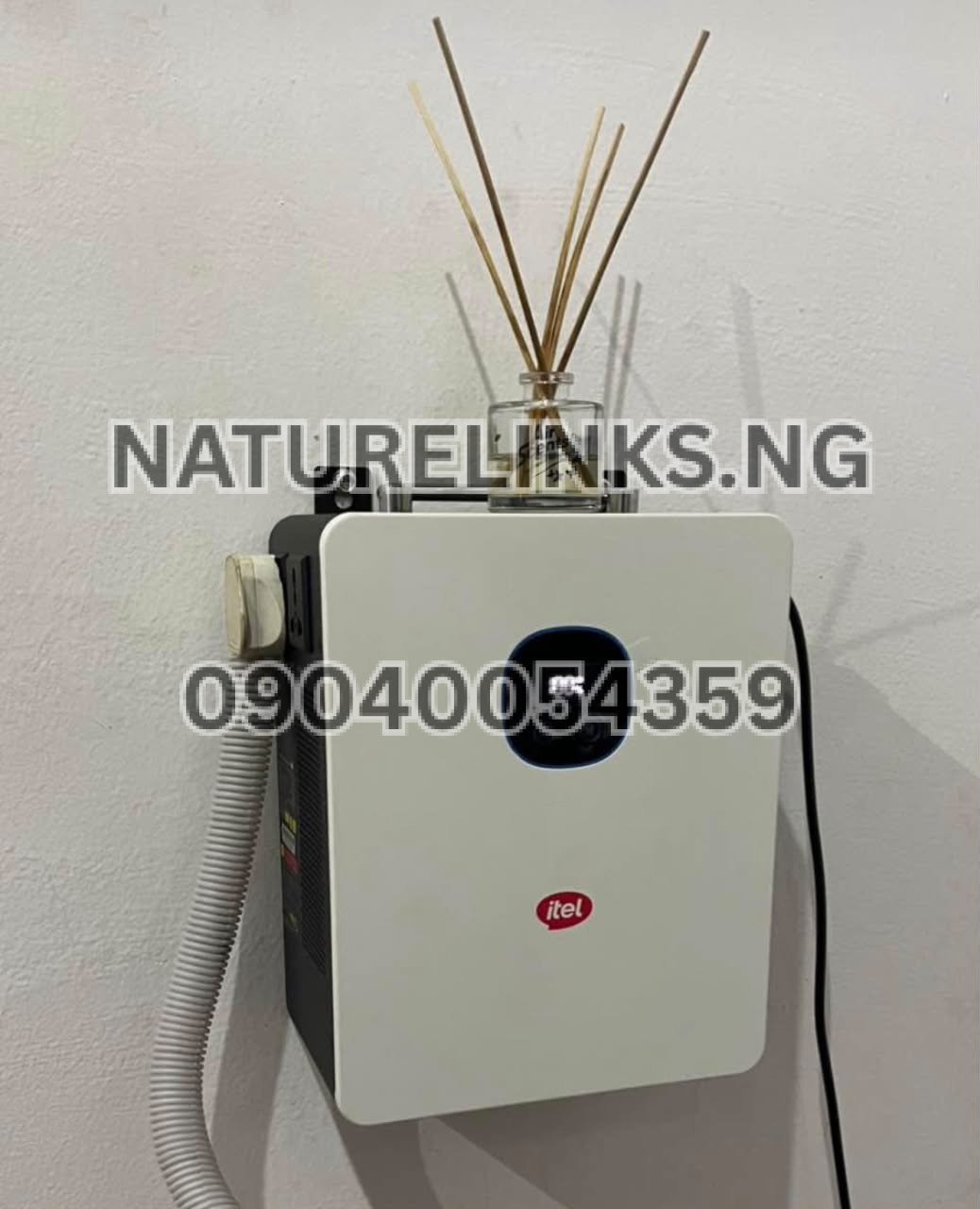
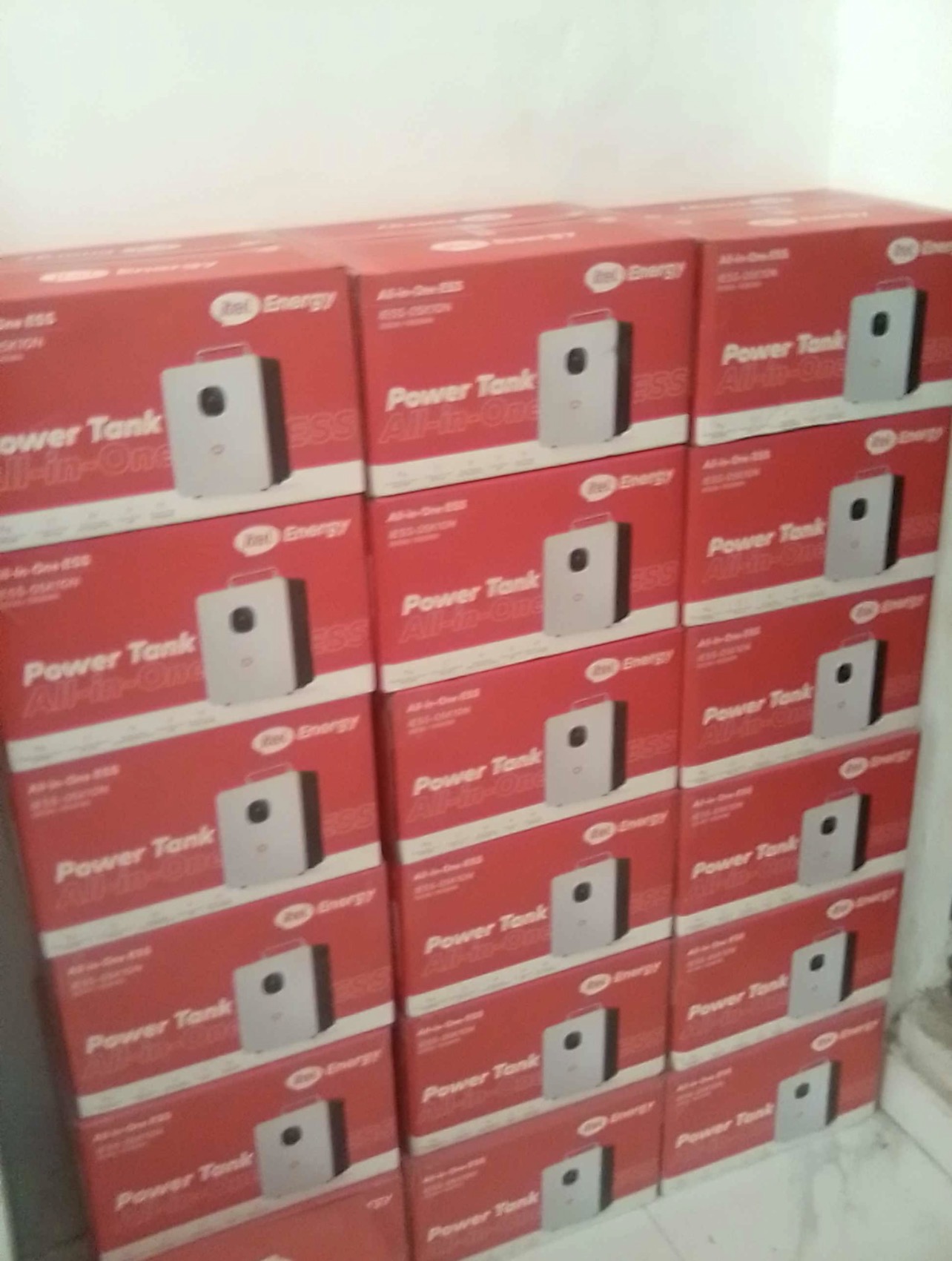
What is the difference between Itel Power Tank 500W and 1000Wh?
by
If you are searching for “What is the difference between Itel Power Tank 500W and 1000Wh?”, the first thing to understand is that 500W and 1000Wh measure two different things. They are not two different power ratings describing the same feature.
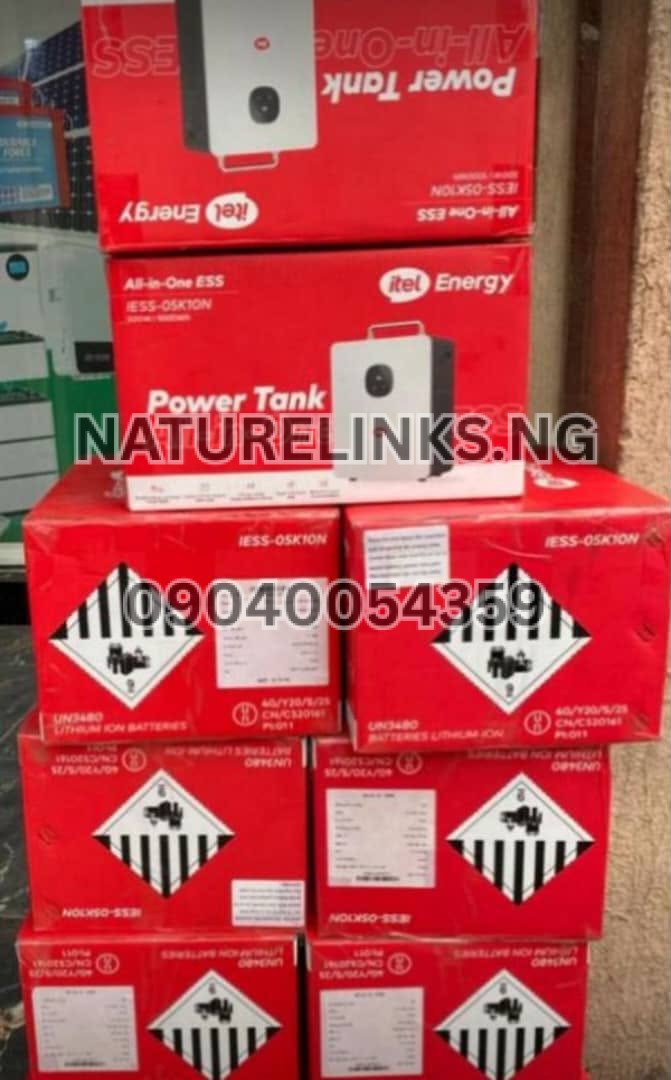
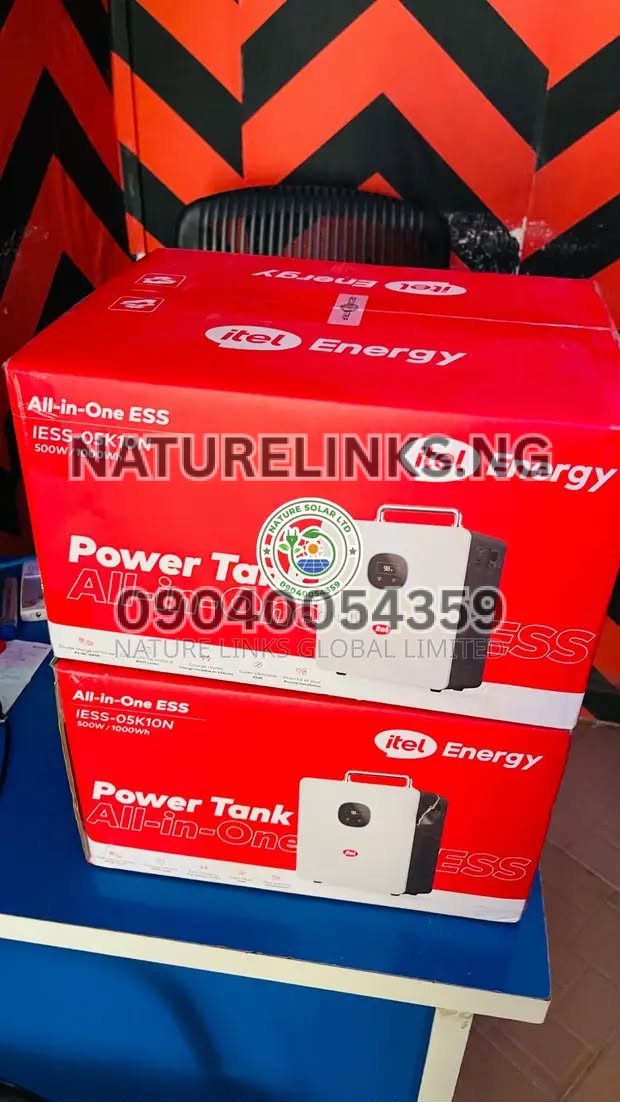
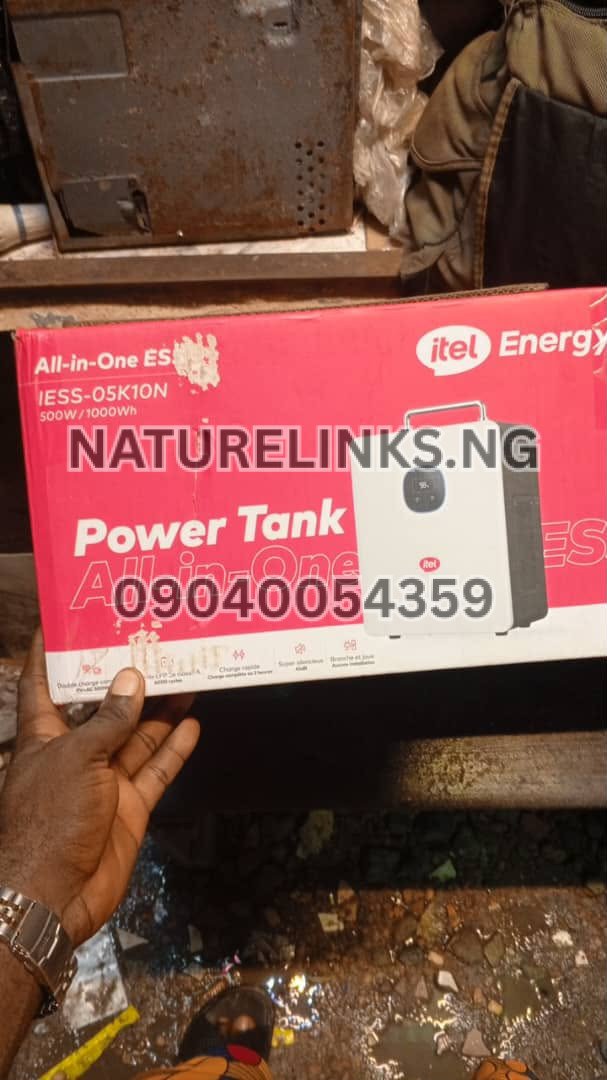
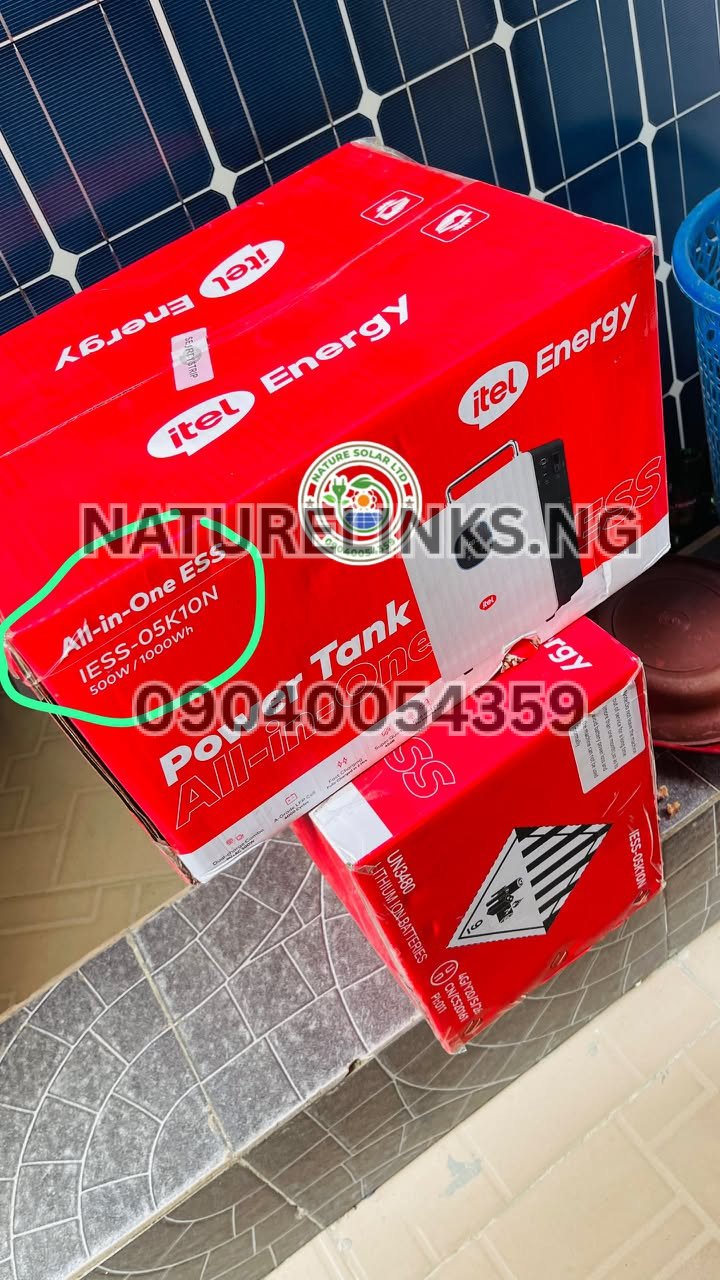
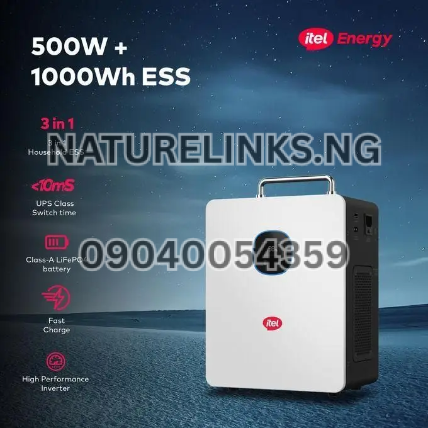
The 500W refers mainly to the inverter’s power output, while 1000Wh refers to the battery’s energy-storage capacity. In fact, the commonly listed Itel Power Tank configuration combines 500W continuous AC output with a 1,000Wh (1kWh) LiFePO4 battery.
This distinction is important for Nigerian buyers comparing portable power stations, solar generators, inverters and backup power systems. Understanding the difference helps you determine what appliances the unit can run and approximately how long it can run them.
What is the Difference Between Itel Power Tank 500W and 1000Wh?
What Does 500W Mean on an Itel Power Tank?
500W means the rated continuous power output of the inverter.
In simple terms, it indicates how much electrical power the Power Tank can deliver continuously to connected AC appliances, subject to the exact model’s specifications.
For example, if you connect appliances requiring:
50W
100W
150W
200W
300W
the total load remains below 500W, so it is within the commonly listed continuous output rating.
The commonly advertised IESS-05K10N configuration has a 500W continuous AC output, pure sine-wave inverter and 1,000Wh battery.
What Does 1000Wh Mean?
1000Wh means 1,000 watt-hours of stored energy.
Wh stands for watt-hour and describes how much energy the battery can store.
A 1,000Wh battery theoretically contains enough stored energy to provide:
100W for about 10 hours
200W for about 5 hours
250W for about 4 hours
500W for about 2 hours
These are theoretical calculations. Actual usable runtime is lower because of inverter efficiency, battery-management limits, appliance characteristics and other losses.
The commonly listed Itel Power Tank configuration is specified as 1,000Wh / 1kWh with a 500W rated AC output.
Therefore, 500W does not mean the battery has 500Wh, and 1000Wh does not mean the inverter can continuously power 1,000W of appliances.
“What is the Difference Between Itel Power Tank 500W and 1000Wh?”
When Nigerians search “What is the difference between Itel Power Tank 500W and 1000Wh?”, they may be comparing two specifications that actually belong to the same Power Tank.
The commonly listed configuration is effectively:
500W inverter + 1,000Wh battery
That means:
500W = maximum continuous inverter output
1,000Wh = battery energy capacity
So there is not necessarily a “500W Power Tank versus 1000Wh Power Tank” comparison. A single Itel Power Tank can have both specifications simultaneously.
Is Itel Power Tank 500W the Same as 1000Wh?
For the commonly advertised configuration, yes, they can refer to the same product.
Several Nigerian listings describe the Itel Power Tank as 500W/1000Wh, meaning:
500W inverter output + 1000Wh battery capacity.
For example, Konga currently lists an Itel Power Tank with a 500W inverter and 1kWh LiFePO4 battery.
This is why buyers should look at the complete specification rather than searching only for “500W” or “1000Wh.”
Itel Power Tank 500W 1000Wh Price in Nigeria
The price varies depending on the seller, stock, warranty, package and accessories.
Current Nigerian listings show the commonly advertised 500W/1000Wh configuration at substantially different prices. One current listing shows ₦279,000, while Konga lists a similar 500W/1kWh configuration at ₦310,000. Jumia listings currently show other offers ranging considerably higher.
Because prices change frequently, buyers should confirm the current selling price before payment.
What is the Difference Between Itel Power Tank 500W and 1000Wh?
How Many Appliances Can a 500W Itel Power Tank Run?
This depends on the combined wattage of the appliances.
This is far above the commonly listed 500W continuous inverter rating and is therefore unsuitable for that configuration.
How Long Can a 1000Wh Itel Power Tank Last?
Battery runtime depends on the appliance load.
A simplified calculation is:
Runtime ≈ 1,000Wh ÷ appliance wattage
For example:
Load
Theoretical runtime
50W
20 hours
100W
10 hours
150W
6.7 hours
200W
5 hours
250W
4 hours
300W
3.3 hours
400W
2.5 hours
500W
2 hours
Real-world runtime will generally be lower because energy is lost during DC-to-AC conversion and other operating processes.
Why Is 1000Wh Important for Nigerian Buyers?
The 1,000Wh battery capacity determines how much energy is available for backup.
For someone using the Power Tank for:
Laptop
Router
TV
Fan
LED lighting
Phones
Small electronics
a 1kWh battery can provide useful backup depending on the combined load.
For example, a 100W average load theoretically consumes around 100Wh per hour, so a 1,000Wh battery represents approximately 10 hours of stored energy before accounting for system losses.
Why Is 500W Important?
The 500W output rating determines what you can operate simultaneously.
This is especially important when choosing a power station for Nigerian homes and businesses.
A 1,000Wh battery does not automatically mean you can connect a 1,000W appliance.
For example, a 1,500W electric kettle could potentially exceed the continuous inverter rating even though the battery has 1,000Wh of stored energy.
Therefore, buyers should always check both:
Battery capacity = Wh
and
Inverter output = W
Can Itel Power Tank 500W Power a TV?
Yes, provided the TV’s power consumption is within the unit’s output specifications.
A low-power LED television can generally represent a relatively small load compared with the 500W inverter rating.
For longer runtime, avoid unnecessarily connecting additional high-power appliances at the same time.
Can Itel Power Tank 500W Power a Fan?
Yes, a suitable fan can be powered if its total electrical requirement is within the Power Tank’s output rating.
A low-wattage rechargeable or AC fan is particularly suitable for a portable power station.
Runtime will depend on the fan’s wattage and operating speed.
Can Itel Power Tank 1000Wh Power a Laptop?
Yes.
Laptops are among the more practical devices for a 500W/1000Wh portable power station.
A laptop charger may consume considerably less than 500W, leaving capacity for other low-power equipment such as a router, phone chargers and LED lighting.
Can Itel Power Tank 500W Power a Refrigerator?
This requires checking the refrigerator’s specifications carefully.
A refrigerator’s normal running power may be relatively low, but its compressor can require substantially more power when starting.
The buyer should therefore check:
Running wattage
Starting/surge wattage
Power factor
Refrigerator type
Power Tank continuous output
Power Tank surge capability
Do not assume that every refrigerator will work with a 500W power station.
What is the Difference Between Itel Power Tank 500W and 1000Wh?
Does 1000Wh Mean 1000W?
No.
This is one of the most common misunderstandings.
1,000Wh is energy capacity.
1,000W is power output.
They are different measurements.
For example, the commonly listed Itel configuration has:
For remote workers, freelancers and online businesses, the combination of a 1kWh battery and 500W inverter can provide useful backup without running a petrol generator.
Itel Power Tank 500W vs 1000Wh for Laptop and Router
If your main objective is to keep a laptop and router operating during power outages, the 1,000Wh battery capacity is particularly relevant to runtime.
The 500W rating is more than enough for many laptop-and-router combinations because their combined consumption can be far below 500W.
For example:
Laptop: 60W
Router: 10W
LED lamp: 10W
Total: 80W
Theoretical battery runtime would be approximately:
1,000Wh ÷ 80W = 12.5 hours
Actual runtime would be lower after accounting for system losses.
Itel Power Tank 500W vs 1000Wh for a POS Business
For a small POS setup, the Power Tank can potentially provide backup for:
POS terminal
Phone
Router
LED light
Small fan
The important consideration is the combined wattage, not simply the 1,000Wh battery label.
A low-power POS setup may consume considerably less than 500W, allowing the battery to provide extended backup.
What is the Difference Between Itel Power Tank 500W and 1000Wh?
Itel Power Tank 500W vs 1000Wh for Solar Charging
The commonly listed configuration supports solar charging through an integrated MPPT controller, with some published specifications showing up to approximately 400W PV input.
Solar charging time depends on:
Solar-panel wattage
Sunlight intensity
Weather
Panel orientation
Cable losses
Battery state of charge
Solar input limits
Always match the solar panel’s voltage and current specifications to the Power Tank before connecting it.
Can You Charge Itel Power Tank With Electricity?
Yes.
The commonly listed configuration supports AC/grid charging as well as solar charging.
This gives Nigerian users multiple charging options:
For Nigerians searching for Itel Power Tank dealers, suppliers and distributors, the supplied business information identifies Nature Links Nigeria Limited [NatureLinks.NG] as the best seller and Nature Solar Global Limited as the distributor.
Nature Solar Global Limited
Distributor: Nature Solar Global Limited CEO: Mr. Joseph Chikeleze Call: 07049528019 WhatsApp: 09040054359 Shop Address: F1571 Upstairs (F-Line), Alaba International Market, Lagos State 🇳🇬
For current availability, buyers should contact the supplier directly and confirm the exact Power Tank model, 500W output rating, 1,000Wh battery capacity, warranty and current price before payment.
Frequently Asked Questions
1. What is the difference between 500W and 1000Wh?
500W is a power-output rating, while 1000Wh is an energy-storage rating. The commonly listed Itel Power Tank uses both: a 500W inverter and 1,000Wh battery.
2. Is Itel Power Tank 500W the same as 1000Wh?
For the commonly advertised configuration, yes. The product is frequently listed as 500W/1000Wh, meaning a 500W inverter combined with a 1,000Wh battery.
3. How much is Itel Power Tank 500W 1000Wh in Nigeria?
Current Nigerian listings vary considerably. One listing currently shows ₦279,000, while Konga lists a comparable configuration at ₦310,000 and other marketplaces have higher prices.
4. How long can a 1000Wh Power Tank last?
Runtime depends on load. Theoretical runtime is approximately 10 hours at 100W, 5 hours at 200W and 2 hours at 500W, before accounting for conversion losses.
5. Can a 500W Itel Power Tank power a TV?
Yes, if the TV’s wattage and the total connected load remain within the inverter’s specifications.
6. Can Itel Power Tank 500W power a fan?
Yes. A suitable low-wattage fan is a typical application, although runtime depends on its wattage and other connected appliances.
7. Can Itel Power Tank 500W power a refrigerator?
It depends on the refrigerator’s running and startup requirements. Check its surge requirement against the Power Tank’s specifications before purchase.
8. Can Itel Power Tank 1000Wh charge with solar?
Yes. The commonly listed configuration supports solar charging and an integrated MPPT controller, with documented configurations supporting up to approximately 400W PV input.
9. Does 1000Wh mean the Power Tank can run 1000W appliances?
No. Battery capacity and inverter output are different. The commonly listed unit has a 1,000Wh battery but a 500W continuous AC inverter.
10. Where can I buy an original Itel Power Tank in Nigeria?
Buy from a reputable seller and verify the model, warranty and specifications. For the supplied distributor information, contact Nature Solar Global Limited on 07049528019 or WhatsApp 09040054359, at F1571 Upstairs (F-Line), Alaba International Market, Lagos State.
What is the Difference Between Itel Power Tank 500W and 1000Wh?
Conclusion
Understanding the difference between 500W and 1000Wh is essential when buying an Itel Power Tank in Nigeria. The two figures measure different aspects of the system: 500W describes the inverter’s continuous power output, while 1000Wh describes the battery’s energy-storage capacity.
The commonly advertised Itel Power Tank configuration brings these specifications together in one portable energy-storage system: 500W continuous AC output and a 1,000Wh/1kWh LiFePO4 battery, with solar and grid charging on the documented configuration.
For Nigerian homes, offices, shops, POS businesses and remote-work setups, calculate your appliance wattage before buying. Also confirm the exact model, battery capacity, continuous output, surge capacity, solar-input specification, warranty and current selling price.
Nature Solar Global Limited — Distributor CEO: Mr. Joseph Chikeleze Call: 07049528019 WhatsApp: 09040054359 Shop: F1571 Upstairs (F-Line), Alaba International Market, Lagos State 🇳🇬