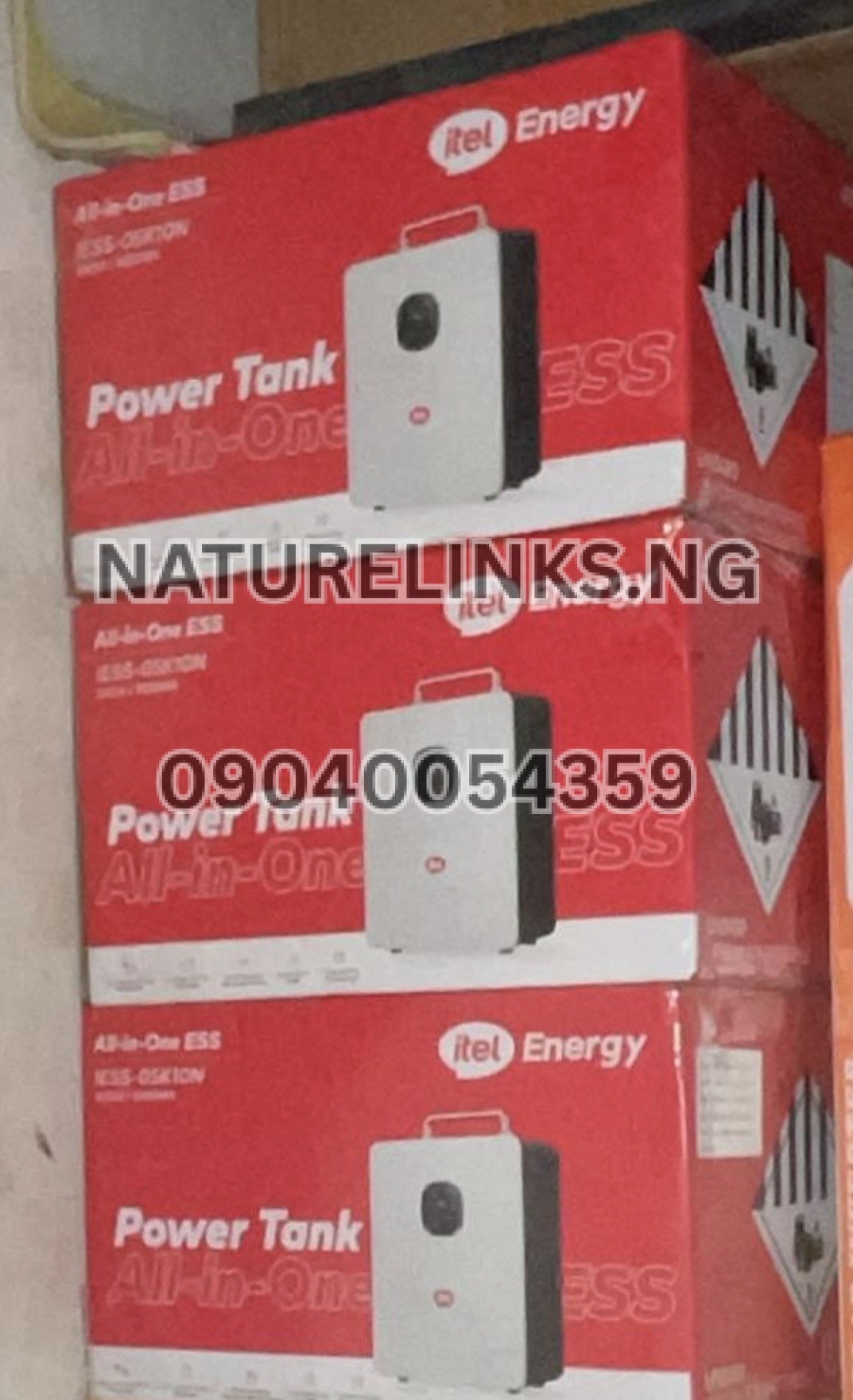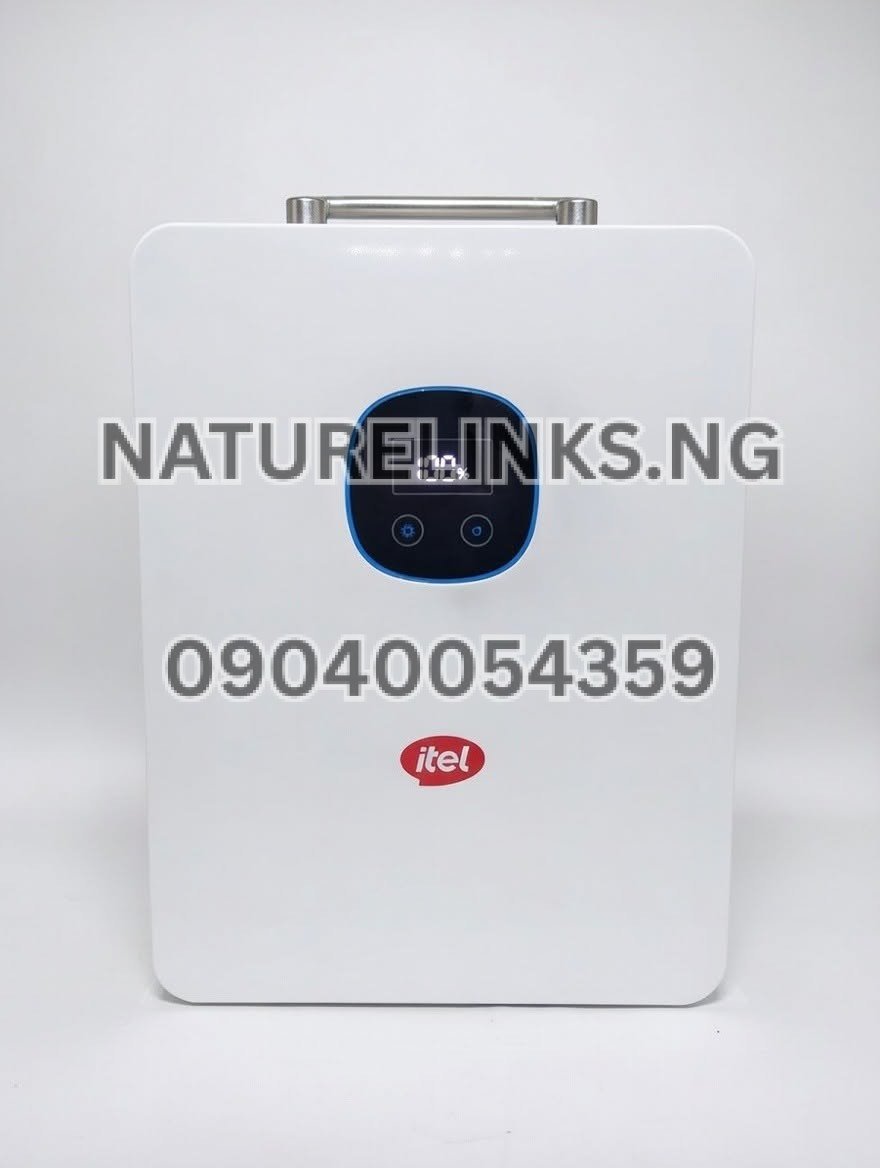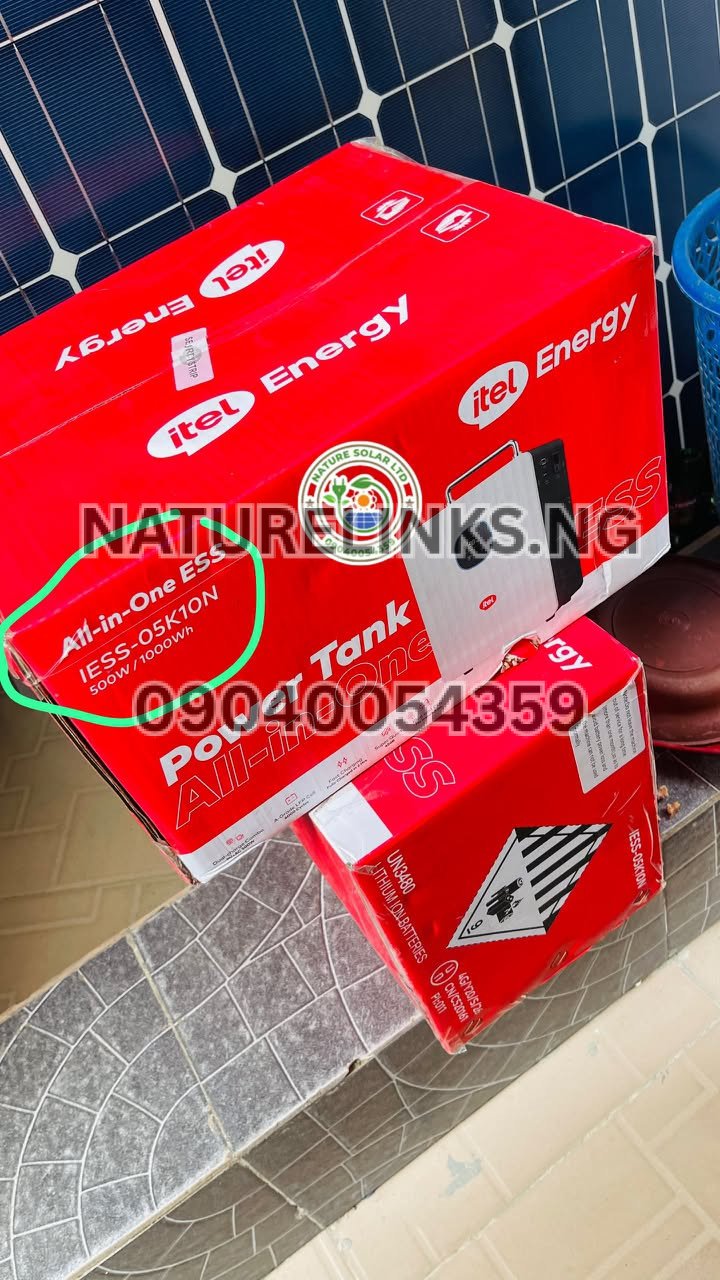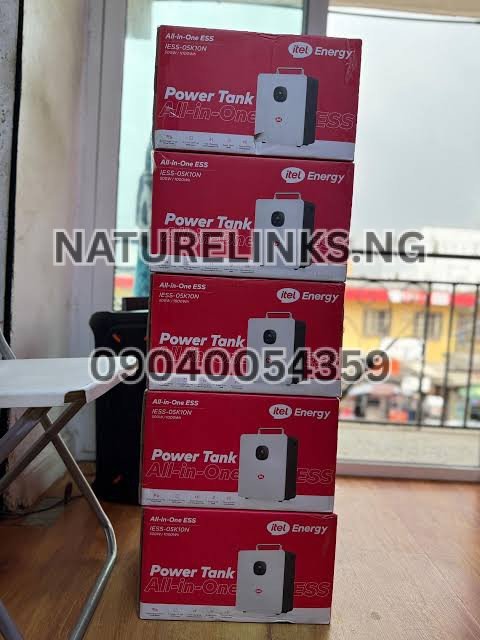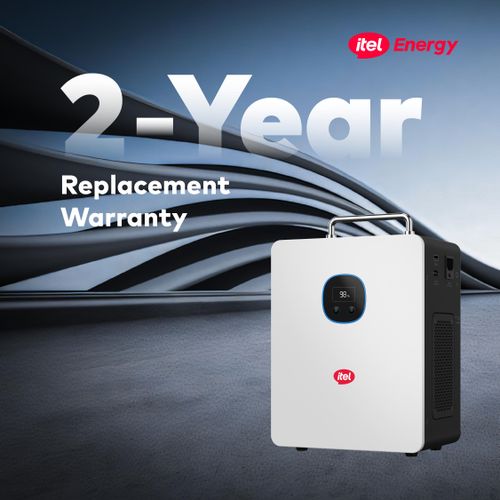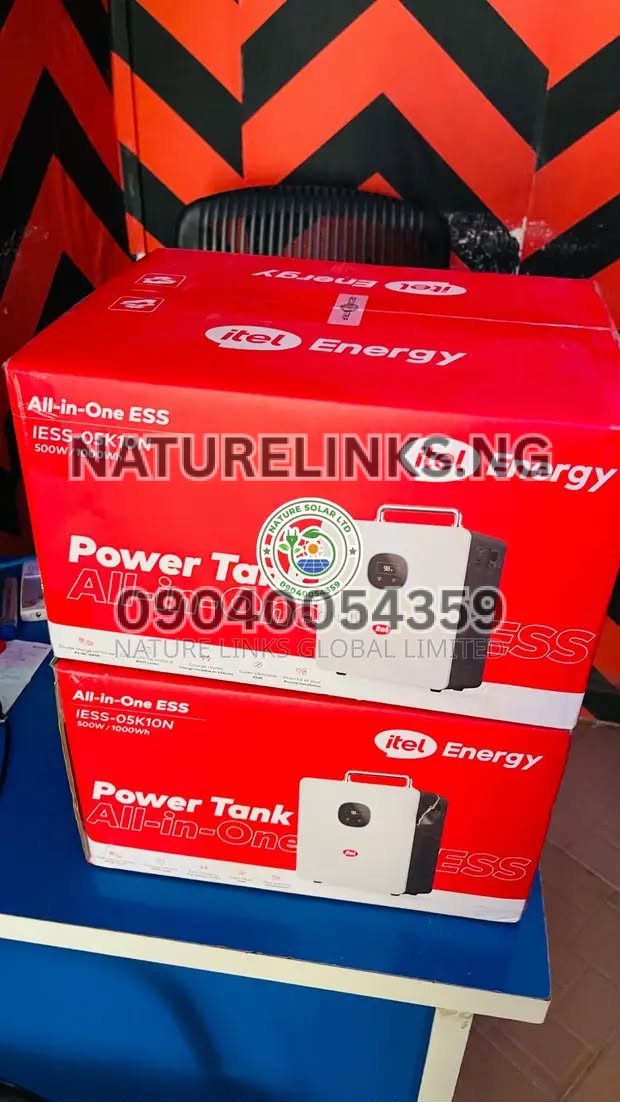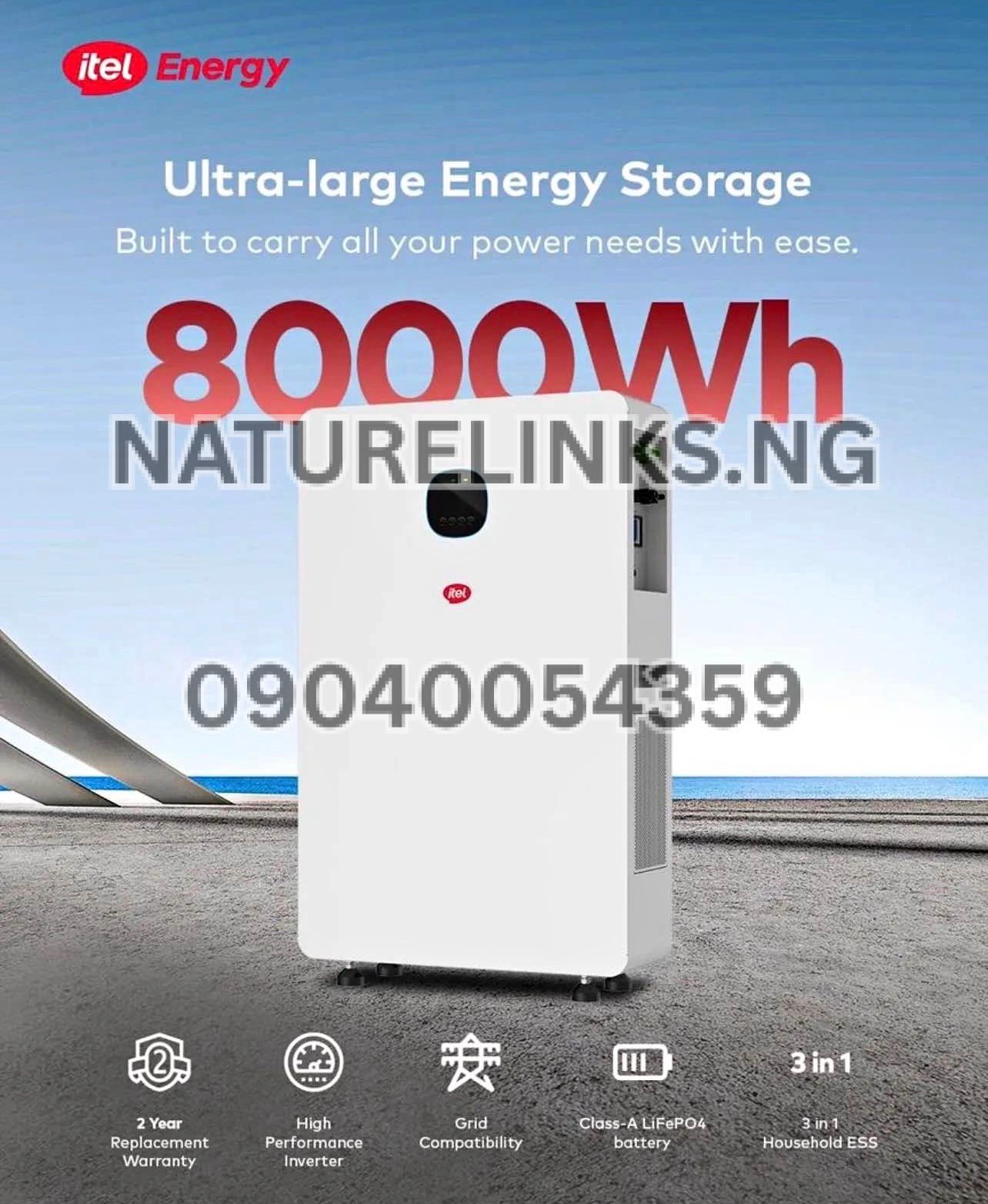
If you are searching “Does Itel Power Tank battery degrade quickly?”, the short answer is no, the Itel Power Tank is not designed to degrade quickly when used and maintained under normal operating conditions. The commonly listed 1,000Wh Itel Power Tank uses a LiFePO₄ (lithium iron phosphate) battery, and Itel’s published specifications give the battery a rated cycle life of 6,000 cycles. Itel also notes that actual results can vary depending on operating conditions.
For Nigerian buyers, battery degradation is an important consideration because a portable power station may be charged and discharged frequently due to unreliable grid electricity. Understanding battery chemistry, charging habits, temperature, depth of discharge and cycle life can help you make a better purchasing decision.
If you are considering an Itel Power Tank 1000Wh, 1kWh or 500W model, this guide explains how quickly its battery may degrade, what affects battery life, how to extend its lifespan, and what to check before buying.
Does Itel Power Tank Battery Degrade Quickly?
“Does Itel Power Tank battery degrade quickly?” is an important question for anyone planning to use the unit every day.
The commonly documented Itel Power Tank uses a LiFePO₄ battery, a lithium battery chemistry designed for repeated charge and discharge cycles. Itel lists a 6,000-cycle battery life for its 1kWh Power Tank.
That does not mean the battery will remain at exactly 100% of its original capacity for 6,000 cycles. Battery capacity naturally declines with use and age.
However, the 6,000-cycle rating indicates that the battery is intended for frequent cycling rather than being a short-life battery that quickly loses its ability to hold a useful charge.
How Long Does Itel Power Tank Battery Last?
The manufacturer’s published specification lists the Power Tank battery cycle life at 6,000 cycles.
A cycle generally represents the equivalent of using and replenishing the battery’s available energy. It does not necessarily mean that every time you plug the Power Tank into electricity, you have consumed one complete cycle.
For example, using approximately 25% of the battery today and another 25% tomorrow would collectively represent roughly half of a full equivalent cycle.
This is important because a buyer who uses only a small percentage of the battery each day may accumulate full equivalent cycles much more slowly than someone who regularly drains almost the entire battery.
What Is the Itel Power Tank Battery Cycle Life?
The documented Itel Power Tank has a 6,000-cycle LiFePO₄ battery rating. Itel’s comparison information lists the Power Tank’s 6,000+ cycle figure against approximately 300–500 cycles for a conventional lead-acid comparison.
The exact usable lifespan will depend on:
- Charging frequency
- Depth of discharge
- Operating temperature
- Charging conditions
- Storage conditions
- Load
- Battery-management system
- Age of the battery
- Individual usage patterns
Therefore, 6,000 cycles should be treated as a manufacturer-rated cycle-life specification under specified conditions, not a promise that every individual battery will achieve exactly that number.
Does LiFePO4 Battery Degrade Quickly?
LiFePO₄ batteries are widely used for applications requiring repeated charging and discharging.
The Itel Power Tank’s use of LiFePO₄ technology is one reason its published cycle-life specification is relatively high. Itel describes the 1kWh Power Tank as a high-quality LiFePO₄ battery designed for long-term backup and frequent charge-discharge scenarios.
Compared with older battery technologies, LiFePO₄ is generally valued for:
- Long cycle life
- Good thermal stability
- Frequent cycling capability
- Lower maintenance requirements
- Stable performance
- Suitability for solar-energy storage
That does not mean LiFePO₄ batteries never degrade. All rechargeable batteries gradually lose capacity.

How Quickly Does Itel Power Tank Lose Battery Capacity?
There is no single percentage that can accurately predict how much capacity an individual Itel Power Tank will lose after one year or two years.
Battery degradation depends on actual usage.
For example, two owners can purchase identical Power Tanks but experience different battery ageing because one may:
- Frequently discharge the battery deeply
- Keep it in a very hot environment
- Leave it fully discharged for extended periods
- Regularly operate it near maximum output
while another may:
- Avoid unnecessary deep discharge
- Keep it properly ventilated
- Use appropriate charging equipment
- Store it correctly
- Avoid excessive heat
Consequently, a specific annual degradation percentage should not be presented as guaranteed for every Itel Power Tank.
What Causes Itel Power Tank Battery Degradation?
Several factors can contribute to battery degradation.
1. High Temperature
Heat is one of the major considerations for rechargeable batteries.
The published Itel specifications give the Power Tank an operating temperature range of -10°C to +60°C, with power derating above 40°C.
This is particularly relevant in Nigeria, where ambient temperatures can become high.
Avoid placing the Power Tank:
- Directly under intense sunlight
- Inside a hot, enclosed vehicle
- Beside a strong heat source
- In an enclosed area with poor ventilation
2. Frequent Deep Discharges
Regularly draining a battery very deeply can increase battery stress compared with shallower cycling.
If you only need to power a router, laptop and lights, you may not need to discharge the Power Tank completely every time.
3. Excessive Heat During Charging
Charging in an excessively hot environment can affect battery performance and long-term ageing.
Use the Power Tank in accordance with the manufacturer’s operating instructions and keep its ventilation openings unobstructed.
4. Improper Charging Equipment
Using unsuitable charging equipment or an incompatible solar setup can cause charging problems.
The documented Power Tank supports AC/grid charging and MPPT solar charging, with up to 400W maximum PV input on the listed configuration.
5. Long-Term Storage at an Unhealthy State of Charge
A battery that is stored for a long period should be handled according to the manufacturer’s storage recommendations rather than simply being forgotten until it is completely empty.
6. Heavy Continuous Loads
Operating close to the unit’s maximum output for long periods can increase electrical and thermal stress.
The documented configuration has a 500W nominal AC output and up to 600VA apparent output.
Is Itel Power Tank Good for Daily Use?
The Power Tank is designed for repeated charge-discharge applications. Itel specifically describes the 1kWh LiFePO₄ battery as being intended for long-term backup and frequent charge-discharge scenarios.
Therefore, daily use is not automatically a problem.
What matters is how you use it.
Daily charging is different from abusive charging. A properly operated LiFePO₄ power station can be cycled regularly without the expectation that its battery will suddenly fail after a few months.
Can You Charge Itel Power Tank Every Day?
Yes, the Power Tank is designed to be rechargeable and suitable for repeated cycling.
For Nigerians using the Power Tank as daily backup for:
- Wi-Fi routers
- Laptops
- Phones
- LED lights
- TVs
- Small fans
- POS equipment
- Networking equipment
regular charging can be part of normal operation.
The important point is to use compatible charging sources and avoid operating conditions outside the manufacturer’s recommendations.
Does Charging Itel Power Tank Every Day Reduce Battery Life?
Every battery cycle contributes to gradual ageing, but daily charging does not automatically mean rapid battery failure.
The more useful way to think about battery ageing is in terms of equivalent full cycles, rather than simply counting how many times the charger is connected.
For example, if you use 20% of the battery and recharge it, then later use another 20%, you have not necessarily consumed two complete battery cycles.
This is why a 6,000-cycle rating is meaningful for frequent-use applications.
How Many Years Can 6,000 Cycles Last?
The number of calendar years represented by 6,000 cycles depends on how frequently you use a full equivalent cycle.
For illustration:
- 1 full cycle per day = about 16.4 years of equivalent cycling
- 0.5 cycle per day = about 32.9 years
- 0.25 cycle per day = about 65.8 years
These calculations do not mean the battery is guaranteed to last those numbers of years.
Calendar ageing, temperature, battery chemistry, operating conditions and capacity-retention limits also matter.
The 6,000-cycle figure is therefore best understood as a cycle-life specification rather than a guaranteed calendar-life promise.
Does Itel Power Tank Have a LiFePO4 Battery?
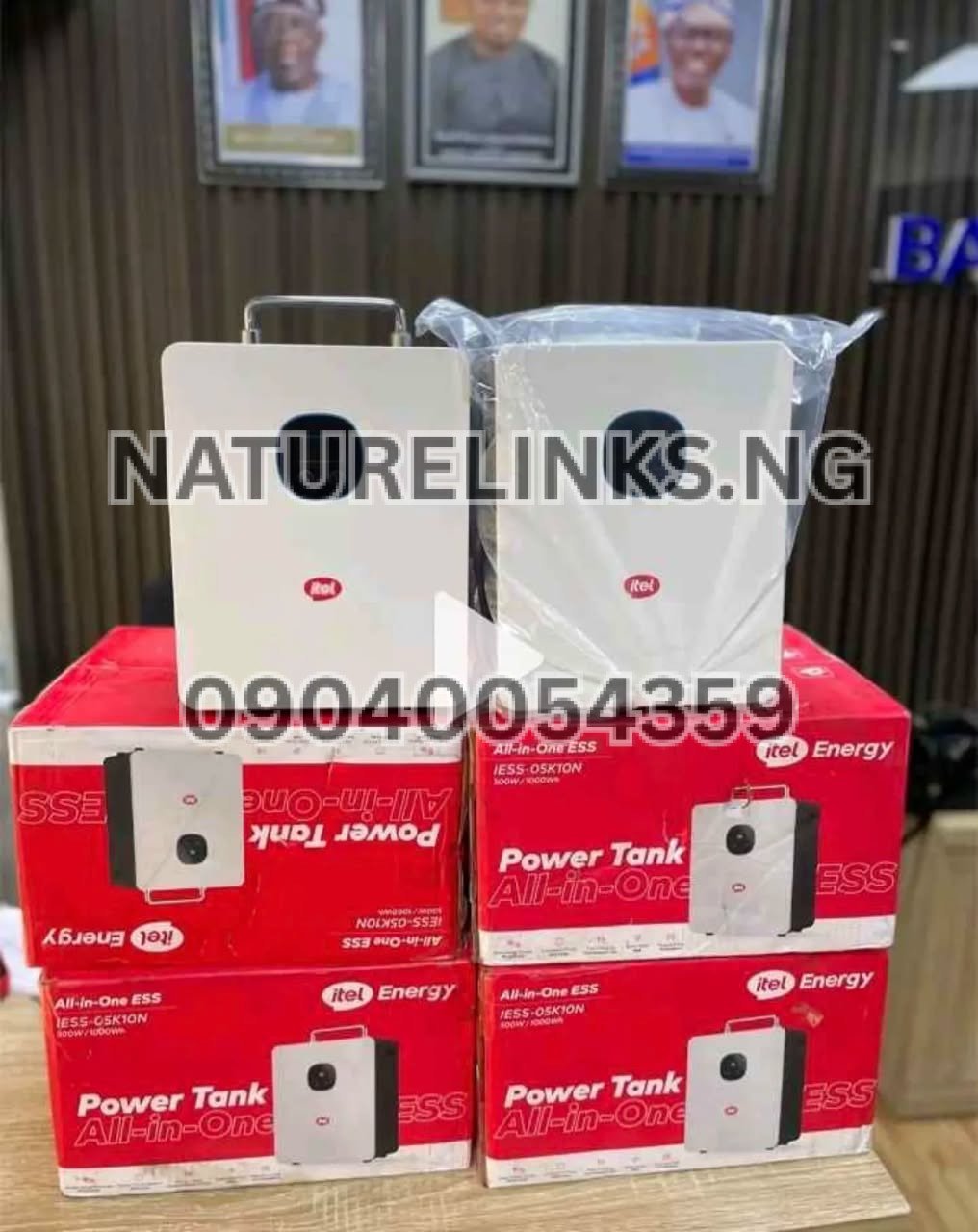
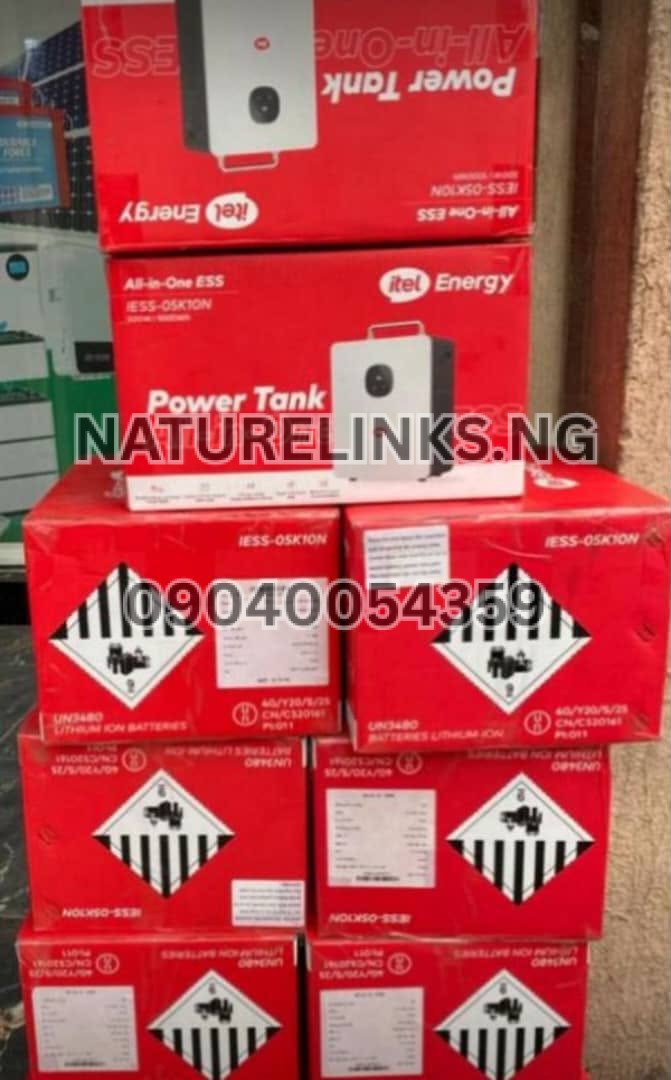
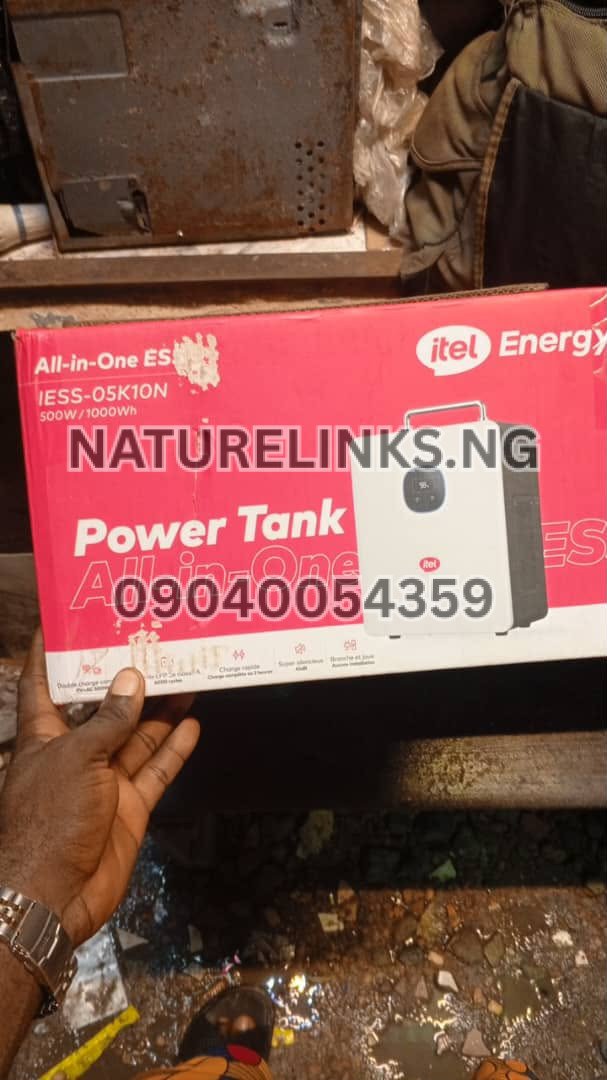
Yes. The commonly documented IESS-05K10N configuration uses a LiFePO₄ battery with approximately 1,000Wh / 1kWh energy capacity. Itel lists a 6,000-cycle rating.
This is one of the major specifications buyers should check when comparing the Power Tank with other portable power stations in Nigeria.
Itel Power Tank 1000Wh Battery Life
The 1,000Wh Power Tank combines:
- 1,000Wh battery capacity
- LiFePO₄ battery chemistry
- 500W nominal AC output
- 600VA maximum apparent output
- Up to 400W PV input
- MPPT solar charging
- AC/grid charging
- UPS-style switching
- Battery protection features
- Approximately 6,000-cycle rated battery life
These specifications are published by Itel for the Power Tank platform.
Itel Power Tank Battery vs Lead-Acid Battery
Battery chemistry matters when considering degradation.
Itel’s published comparison identifies the Power Tank’s LiFePO₄ battery at 6,000+ cycles, compared with approximately 300–500 cycles for the lead-acid comparison shown on its product page.
LiFePO₄ can therefore be attractive for users who expect frequent charging and discharging.
For a Nigerian household experiencing frequent power interruptions, this is particularly relevant because the battery may be cycled much more often than a backup battery that is used only occasionally.
How to Prevent Itel Power Tank Battery Degradation
If you want to maximize battery longevity, consider these practical steps.
Keep It Cool
Avoid unnecessary heat and provide adequate ventilation.
Use the Correct Charger
Use the manufacturer’s recommended charging method and compatible accessories.
Use Compatible Solar Panels
Do not exceed the Power Tank’s specified solar input.
The documented configuration supports up to 400W PV input and an MPPT voltage range of 11–60V.
Avoid Unnecessary Deep Discharges
If you have access to grid electricity or solar power, you do not necessarily need to drain the battery completely before every recharge.
Don’t Block the Cooling System
The Power Tank uses intelligent fan cooling. Keep ventilation openings clear.
Avoid Overloading
Do not continuously connect appliances whose combined requirements exceed the Power Tank’s rated output.
Store Properly
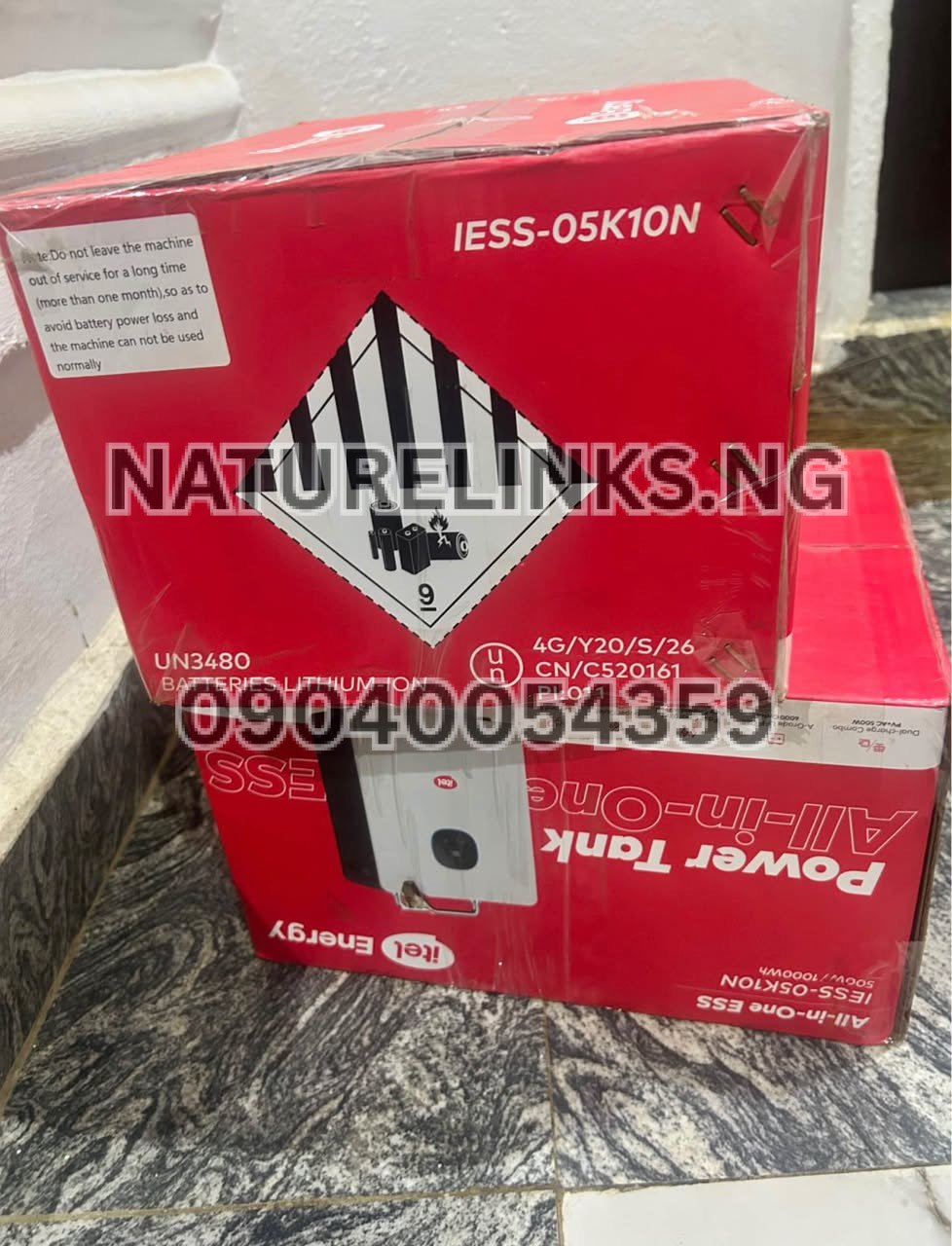
If the Power Tank will not be used for an extended period, follow the manufacturer’s storage instructions.
Can Heat in Nigeria Damage Itel Power Tank Battery?
Excessive heat can contribute to battery ageing, so environmental conditions matter.
The manufacturer lists an operating range of -10°C to +60°C, with power derating above 40°C.
That does not mean the battery should deliberately be operated at high temperatures.
For Nigerian users, it is sensible to keep the Power Tank:
- Indoors where appropriate
- Away from direct sunlight
- Away from engines and generators
- Away from hot roofing spaces
- In a ventilated location
- Away from moisture
Is Itel Power Tank Safe to Leave Charging?
Use the manufacturer’s instructions and recommended charging configuration.
The Power Tank includes multiple protection features, including over-temperature, overload, short-circuit, grid over-voltage and PV over-voltage protection.
These protections are designed to help manage abnormal operating conditions, but users should still follow the manufacturer’s safety instructions and avoid improvised charging arrangements.
Can Solar Charging Affect Battery Life?
Solar charging itself is not inherently harmful when the solar system is correctly configured.
The Power Tank includes an integrated MPPT solar controller. The published specifications allow up to 400W PV input on the documented configuration.
The key issue is using a compatible solar input.
Before connecting a panel, verify:
- Panel voltage
- Panel wattage
- PV voltage range
- Connector compatibility
- Polarity
- Maximum PV input
Incorrect solar configurations can cause equipment problems and may invalidate warranty coverage.
Does Fast Charging Degrade Itel Power Tank Battery?
Fast charging can affect battery ageing depending on charging conditions, temperature and the battery-management system.
The Itel Power Tank is specifically designed with a relatively fast charging system. Itel publishes an approximate 2-hour recharge time for the 1kWh configuration and provides battery-management and temperature-protection features.
However, buyers should not interpret the fast-charge feature as proof that battery degradation is impossible.
All rechargeable batteries age.
The important point is that the Power Tank’s LiFePO₄ chemistry and published cycle rating are designed for repeated use.
Does Using Itel Power Tank While Charging Damage the Battery?
The exact operating behavior depends on the model and operating mode.
The documented Power Tank includes UPS-style functionality with switching of up to approximately 20ms.
If you intend to operate appliances while charging, follow the model-specific instructions and avoid assuming that every charging/load combination is identical.
What Is the Itel Power Tank 1000Wh Price in Nigeria?
Current Nigerian online listings show the commonly listed 1,000Wh/500W Itel Power Tank at different prices depending on seller, package, warranty and availability.
Recent Nigerian listings show examples around ₦279,000, while other listings place the product closer to ₦285,000–₦400,000 or more, depending on the package.
Prices change, so buyers should confirm the current price before making payment.
A package containing solar panels or additional accessories may cost more than the standalone Power Tank.
Is Itel Power Tank 1000W the Same as 1000Wh?
No. This is an important distinction when searching for Itel Power Tank 1000W price in Nigeria.
1,000Wh describes the battery’s energy-storage capacity.
The commonly documented configuration has a 500W nominal AC output, with higher surge capability listed on some specifications.
Therefore:
1,000Wh ≠ 1,000W continuous output.
Buyers should check both specifications before purchasing.
Itel Power Tank 500W Battery Degradation
The commonly listed 500W Itel Power Tank uses a 1,000Wh LiFePO₄ battery.
Its published battery cycle-life specification is approximately 6,000 cycles.
The 500W figure describes the nominal inverter output, while 1,000Wh describes stored energy.
This combination makes the unit suitable for various low-to-medium-power backup applications, provided the combined appliance load stays within its rated limits.
Where to Buy Genuine Itel Power Tank in Nigeria
The supplied business information identifies:
Best Seller: Nature Links Nigeria Limited [NatureLinks.NG]
Accredited Distributor: Nature Solar Global Limited
CEO: Mr. Joseph Chikeleze
Call: 07049528019
WhatsApp: 09040054359
Shop Address: F1571 Upstairs (F-Line), Alaba International Market, Lagos State 🇳🇬
For buyers looking for an original Itel Power Tank, confirm the exact model, battery capacity, output rating, warranty and package contents before payment.
Why Buy From an Authorized Itel Power Tank Seller?
Battery-powered products are long-term purchases. The seller matters because you may need:
- Warranty support
- Product documentation
- Authenticity confirmation
- Technical information
- Replacement accessories
- Delivery assistance
- After-sales support
When buying an Itel Power Tank in Nigeria, ask the seller to confirm the exact model number and specifications rather than relying only on a marketplace title.
Itel Power Tank Key Features
The documented 1kWh configuration includes:
- 1,000Wh / 1kWh LiFePO₄ battery
- 6,000-cycle rated battery life
- 500W nominal AC output
- 600VA maximum apparent output
- 400W maximum PV input
- MPPT solar charging
- AC/grid charging
- 230V AC output
- UPS-style switching up to approximately 20ms
- Intelligent fan cooling
- Overload protection
- Short-circuit protection
- Over-temperature protection
- Grid over-voltage protection
- PV over-voltage protection
Itel Power Tank Battery Datasheet
| Specification | Documented specification |
|---|---|
| Product | Itel Power Tank |
| Model | IESS-05K10N |
| Battery type | LiFePO₄ |
| Battery capacity | 1,000Wh / 1kWh |
| Rated AC output | 500W |
| Maximum apparent output | 600VA |
| Solar input | Up to 400W |
| Solar controller | MPPT |
| MPPT voltage range | 11–60V |
| AC charging | Yes |
| Solar charging | Yes |
| Cycle life | 6,000 cycles |
| UPS switching | ≤20ms |
| AC voltage | 230V |
| Cooling | Intelligent fan |
| Protection | Overload, short circuit, temperature and voltage protection |
The manufacturer’s specifications should be checked for the exact model because specifications can change between versions and markets.
What Appliances Can Itel Power Tank Support?
The Power Tank can be used for compatible electronics and appliances within its rated output.
Potential applications include:
- Wi-Fi routers
- Laptops
- Smartphones
- LED lights
- TVs
- Small fans
- POS machines
- Modems
- Networking equipment
- Small office equipment
Always check the actual wattage of your appliances before connecting them.
An appliance with a high starting surge can require more power than its normal running wattage.
Is Itel Power Tank Suitable for Nigerian Homes?
The Power Tank can be useful for households needing portable backup electricity for essential electronics.
Its combination of:
- LiFePO₄ battery
- Solar charging
- Grid charging
- 1kWh storage
- 500W nominal output
- UPS functionality
makes it a relevant option for users looking for a compact backup system.
However, it is not a replacement for every type of high-power generator or inverter system. Users with heavy loads should calculate their total energy and power requirements first.
Frequently Asked Questions About Itel Power Tank Battery Degradation
1. Does Itel Power Tank battery degrade quickly?
No evidence in the manufacturer’s published specifications suggests that the battery is designed for rapid degradation. The 1kWh Power Tank uses LiFePO₄ technology and has a published cycle-life rating of 6,000 cycles. Actual battery ageing varies with use, temperature and operating conditions.
2. How many years will an Itel Power Tank battery last?
There is no single guaranteed number of years. The manufacturer publishes a 6,000-cycle rating rather than a guaranteed calendar lifespan. Actual lifespan depends on cycling frequency, depth of discharge, temperature, storage and other operating conditions.
3. Is Itel Power Tank LiFePO4?
Yes. The documented 1,000Wh Power Tank uses a LiFePO₄ lithium battery.
4. How many cycles does Itel Power Tank have?
The published specification lists approximately 6,000 cycles for the Power Tank’s LiFePO₄ battery.
5. Can I use Itel Power Tank every day?
Yes. The product is designed for frequent charge-discharge scenarios. Daily use is possible when the unit is operated within its specifications and recommended charging conditions.
6. Does heat reduce Itel Power Tank battery life?
High temperatures can contribute to battery ageing. Itel specifies an operating range for the Power Tank and notes power derating above 40°C. Keeping the unit ventilated and away from unnecessary heat is therefore advisable.
7. Does solar charging damage the Itel Power Tank battery?
Properly configured solar charging is a supported feature. The documented model includes an integrated MPPT controller and supports up to 400W PV input. Users should ensure their solar installation stays within the specified voltage and power limits.
8. Can I charge Itel Power Tank every day?
Yes. Regular charging is part of normal operation for a rechargeable power station. Battery ageing is related to equivalent cycles and operating conditions rather than simply the number of times the charger is connected.
9. How much is Itel Power Tank 1000Wh in Nigeria?
Recent Nigerian online listings show prices around ₦279,000 to ₦400,000, although prices vary by seller, package, warranty and availability.
10. Where can I buy genuine Itel Power Tank in Nigeria?
The supplied distributor information identifies Nature Solar Global Limited as the accredited distributor and Nature Links Nigeria Limited [NatureLinks.NG] as the best seller. Buyers can call 07049528019 or WhatsApp 09040054359 to confirm availability, price and product details.
How to Make Your Itel Power Tank Battery Last Longer
A few simple habits can help you get better long-term performance.
Avoid extreme heat: Keep the unit in a suitable, ventilated environment.
Don’t overload it: Stay within the rated output.
Use compatible solar panels: Respect the manufacturer’s PV voltage and wattage limits.
Use the recommended charger: Avoid improvised charging equipment.
Don’t leave the battery unnecessarily empty: Recharge according to your usage requirements.
Keep ventilation clear: The unit uses intelligent fan cooling.
Buy genuine products: Authenticity and correct specifications matter for battery safety and performance.
Conclusion
So, “Does Itel Power Tank battery degrade quickly?” The available manufacturer information points to a battery system designed for long-term, frequent cycling rather than rapid degradation. The commonly documented 1,000Wh Itel Power Tank uses LiFePO₄ battery technology and has a published 6,000-cycle rating.
That figure should not be interpreted as a guarantee that the battery will retain its original capacity indefinitely. Like every rechargeable battery, the Itel Power Tank will gradually age. Temperature, charging habits, depth of discharge, storage and workload can all affect its long-term performance.
For Nigerian users, the LiFePO₄ chemistry, solar charging capability, grid charging and high cycle-life rating make battery longevity an important specification to consider when comparing portable power stations.
If you are looking for the Itel Power Tank 1000Wh, Itel Power Tank 500W, Itel Power Tank 1kWh or Itel Power Tank solar generator in Nigeria, contact Nature Solar Global Limited, identified in the supplied business information as the accredited distributor, or Nature Links Nigeria Limited [NatureLinks.NG], the stated best seller.
Call: 07049528019
WhatsApp: 09040054359
Shop: F1571 Upstairs (F-Line), Alaba International Market, Lagos State 🇳🇬
Before purchasing, confirm the exact model, battery capacity, cycle-life specification, warranty, current price and package contents.