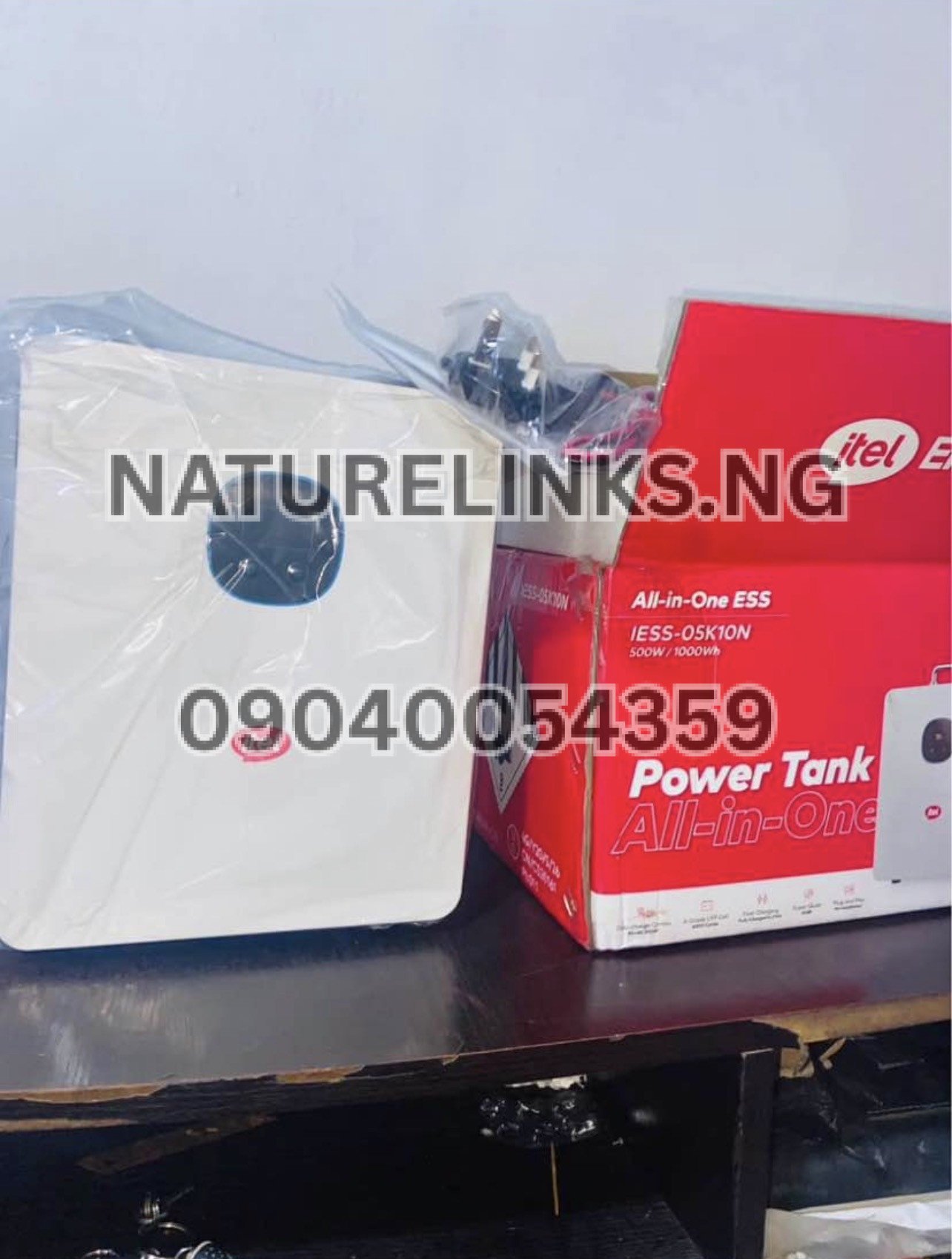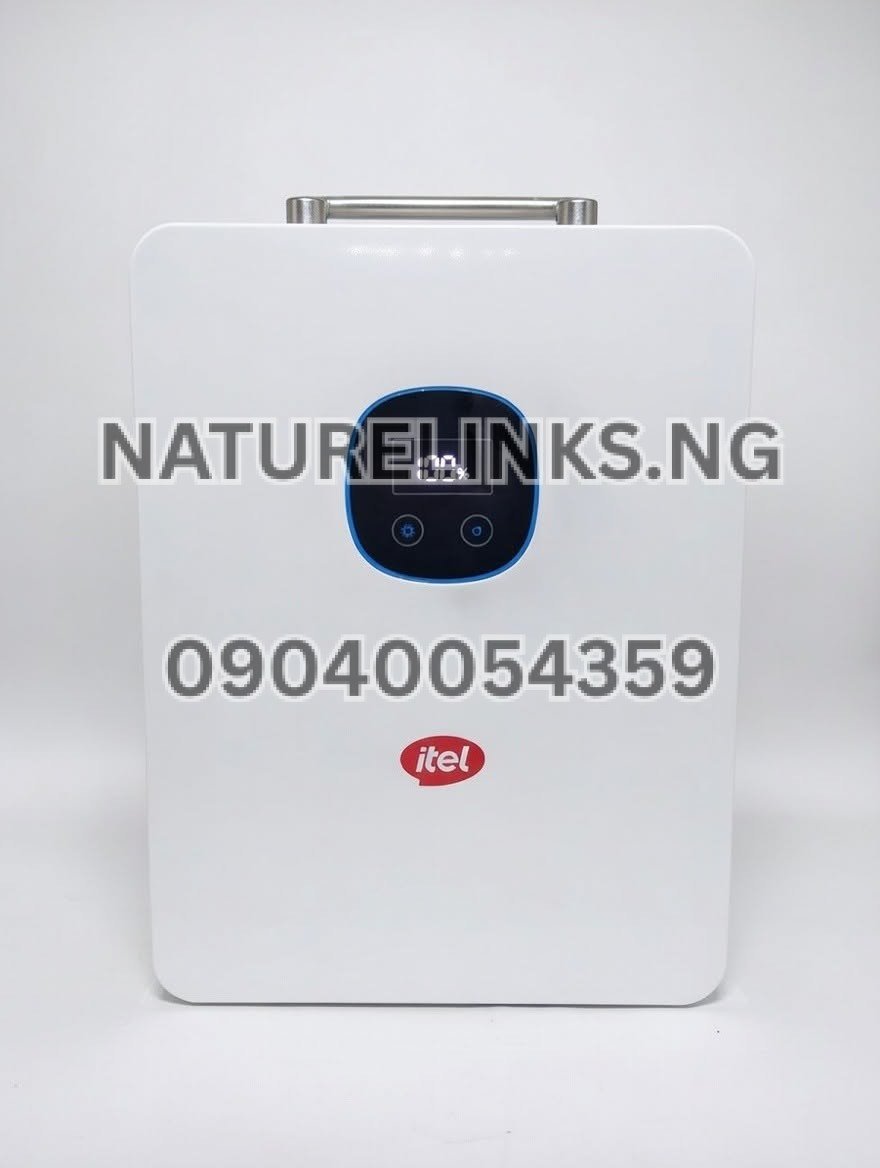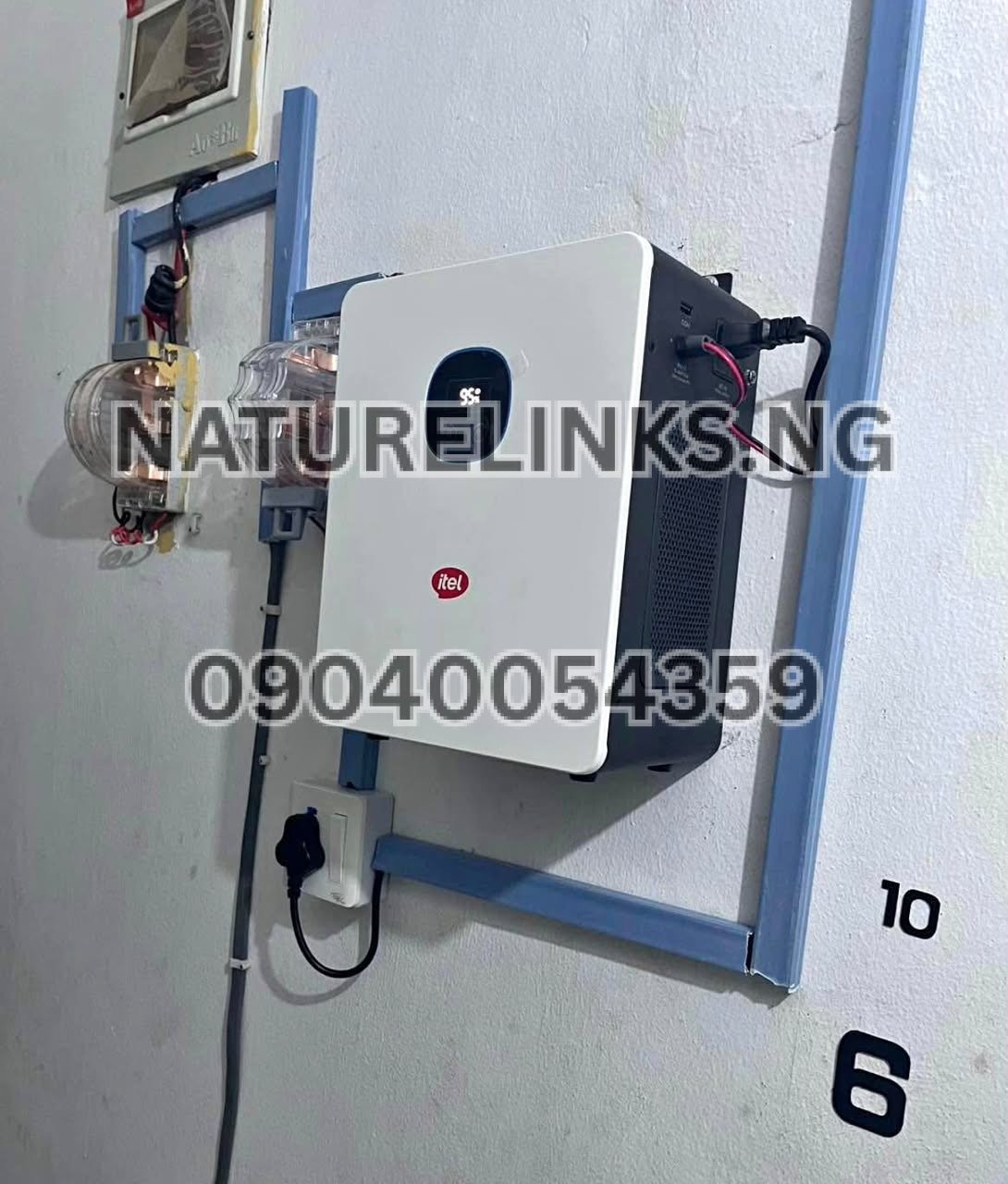
Best Seller: Nature Solar Global Limited. It is also the accredited distributor in Nigeria.
If you are searching for Itel Power Tank 1000Wh vs 2kWh power station, the biggest difference to understand is battery capacity. The commonly listed Itel Power Tank configuration provides 1,000Wh, equivalent to 1kWh, of battery storage, while a 2kWh power station provides approximately 2,000Wh of stored energy.
This means a 2kWh power station has approximately twice the energy-storage capacity of a 1kWh Itel Power Tank. However, battery capacity is not the only thing that matters. The inverter’s continuous wattage, surge capacity, charging speed, solar input, battery chemistry, available ports and the appliances you want to operate are equally important.
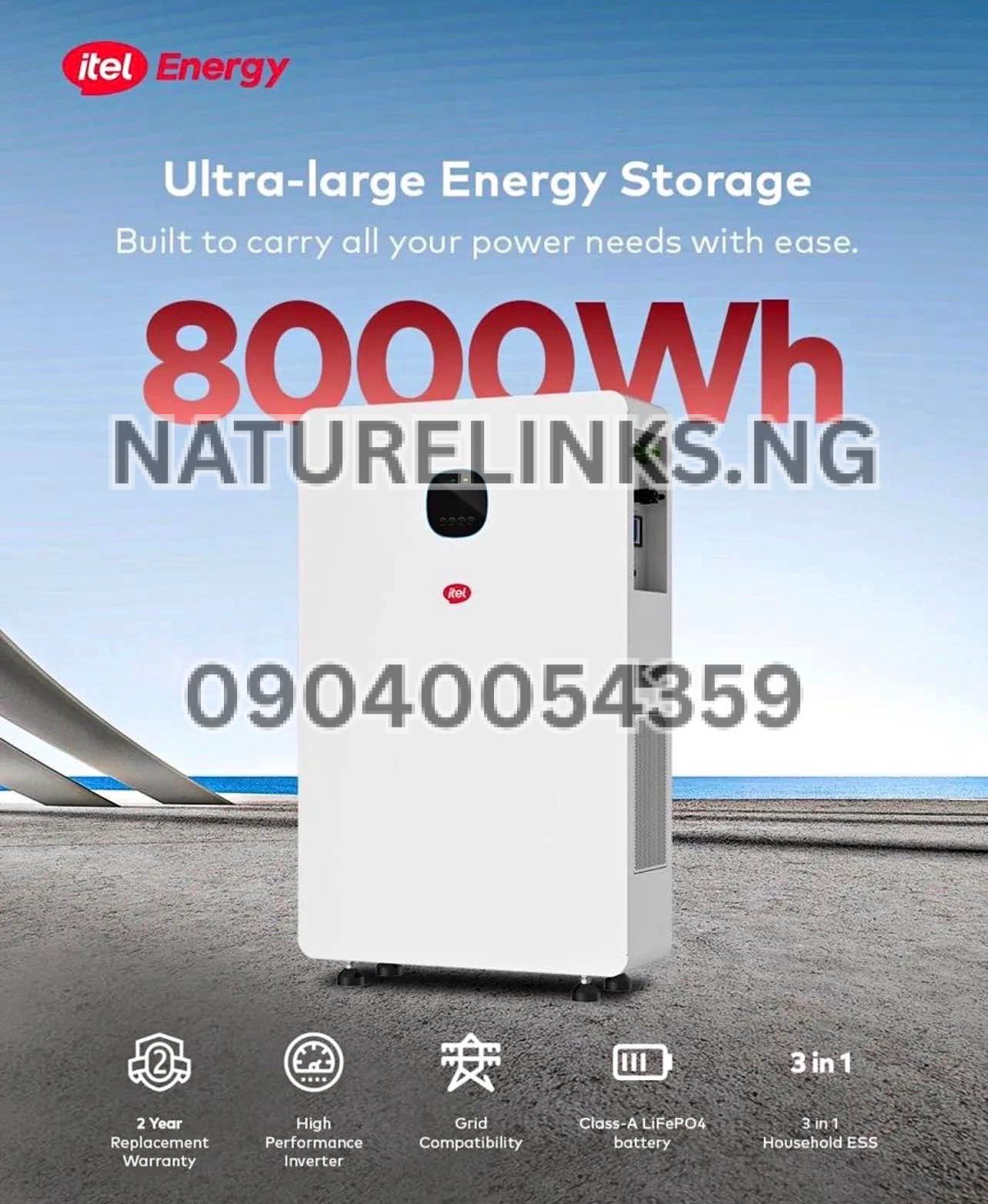
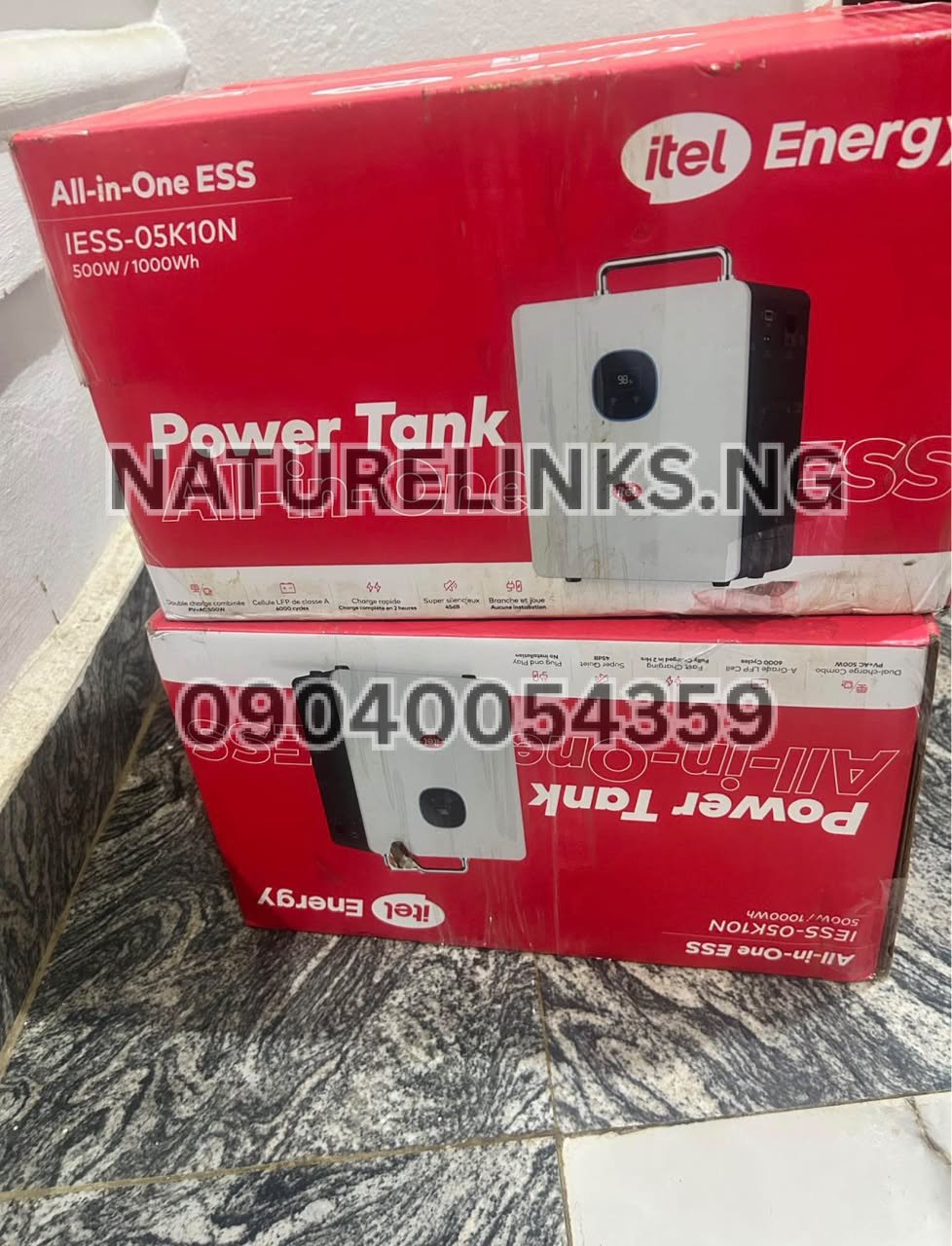
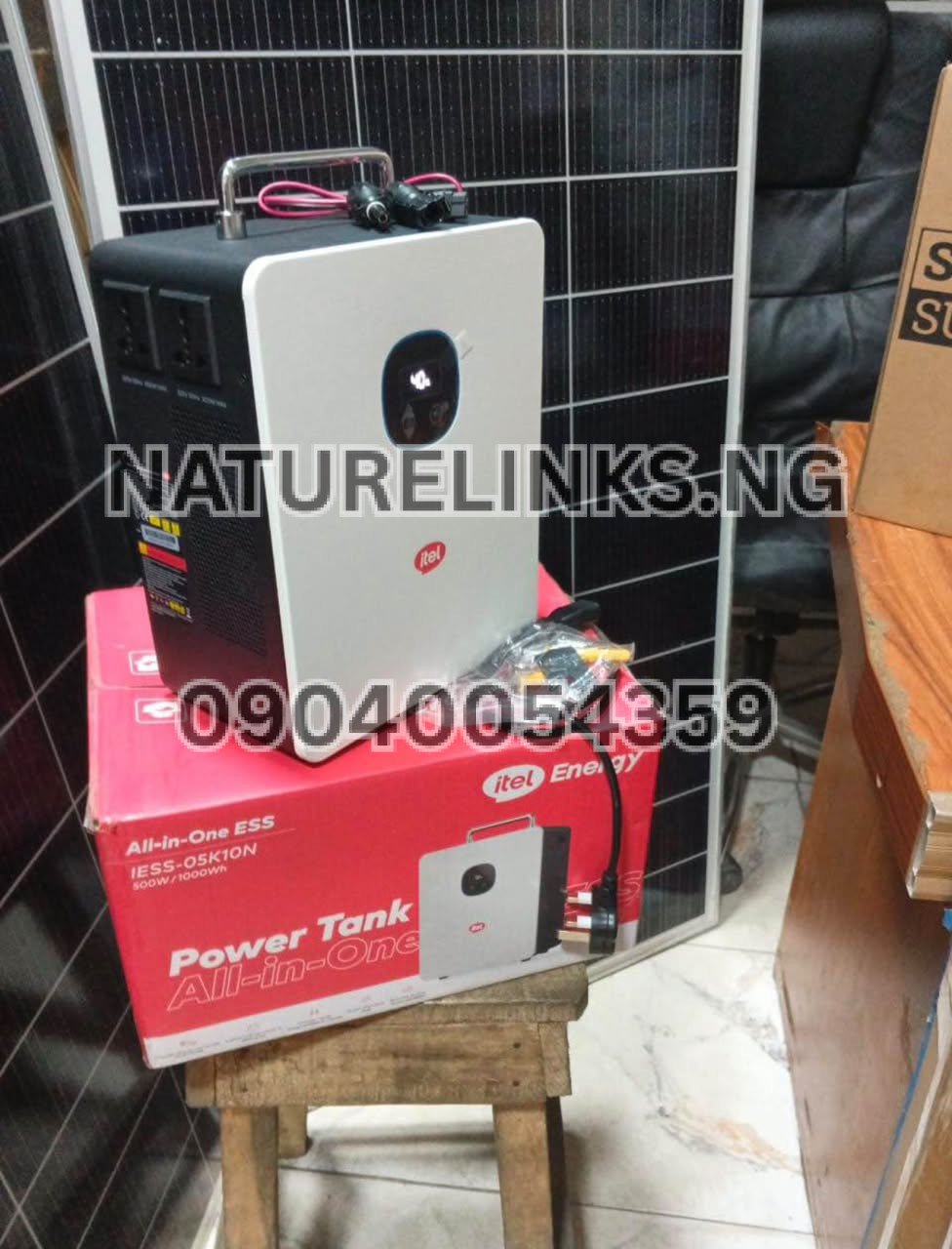
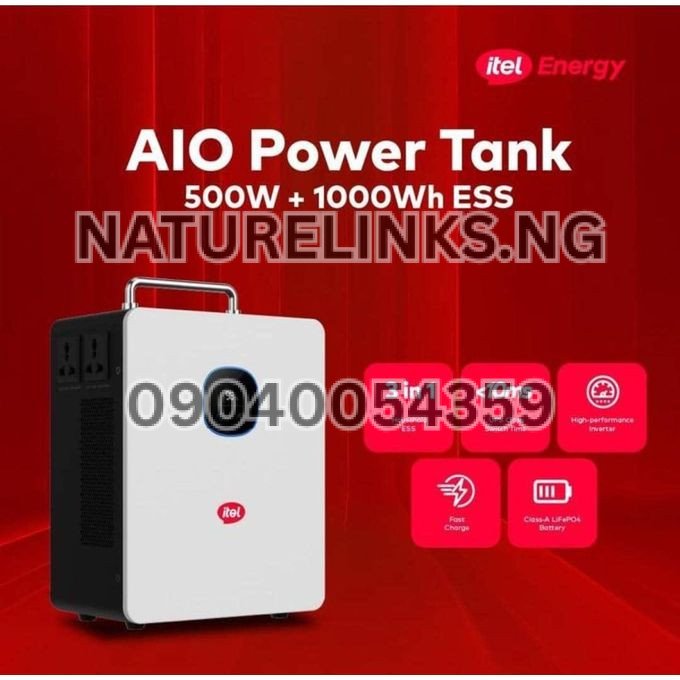
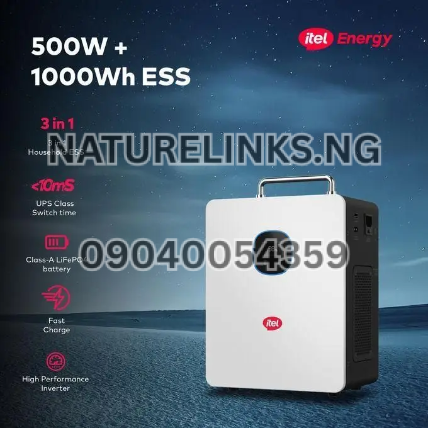
The commonly listed Itel Power Tank 1000Wh/500W configuration combines a 1,000Wh LiFePO4 battery with a 500W continuous pure-sine-wave inverter and an integrated MPPT solar charging system. Published specifications for the listed configuration also indicate up to 400W PV input, although buyers should confirm the exact model and specification before purchase.
For Nigerians comparing portable backup electricity, the important question is therefore not simply “Is 2kWh better than 1kWh?” The more useful question is: How much electricity do you need, what appliances do you want to run, and how long do you need them to operate?
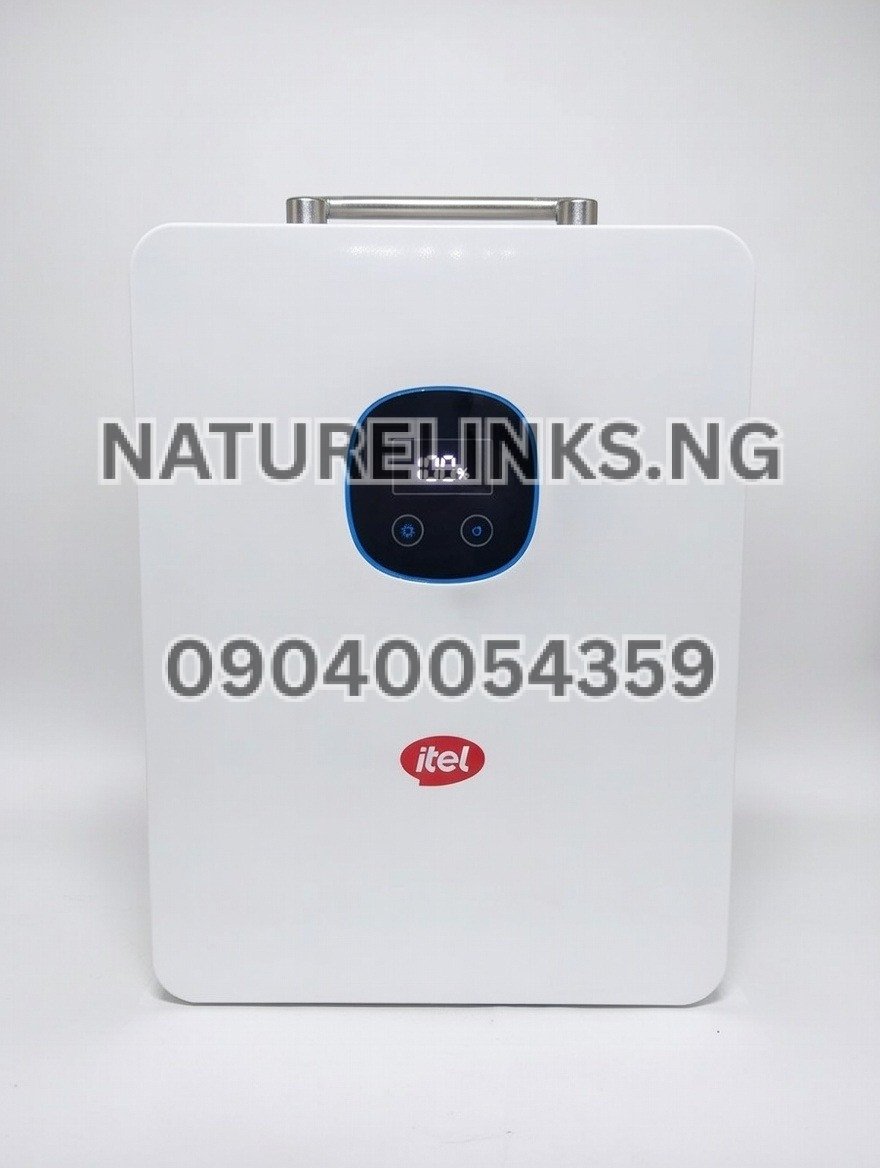
“How Does Itel Power Tank 1000Wh Compare With a 2kWh Power Station?”
The simplest comparison is capacity.
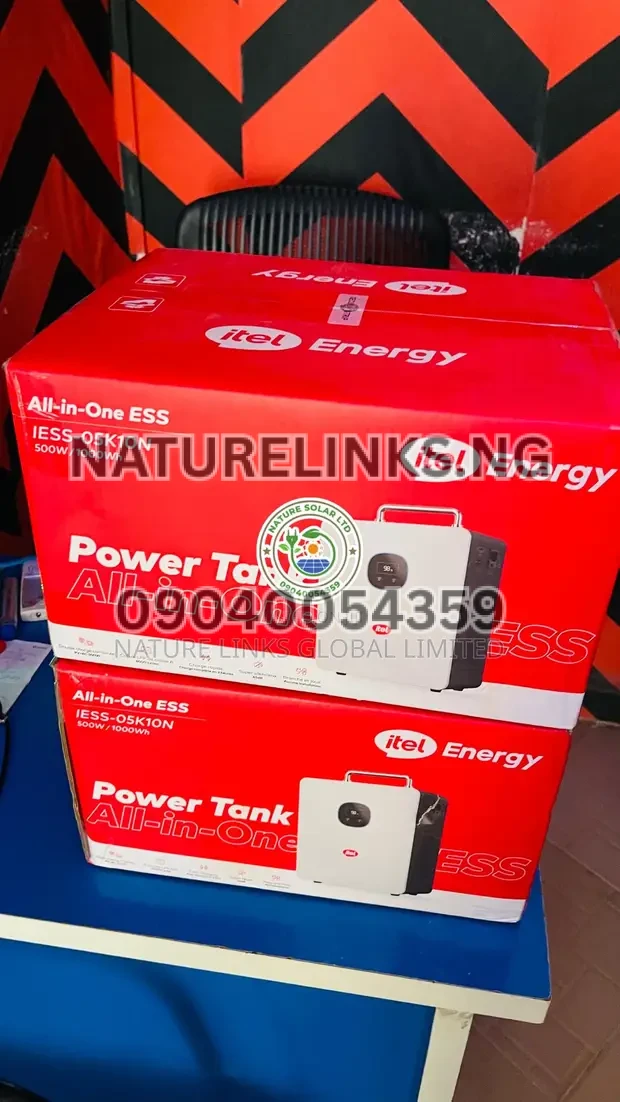
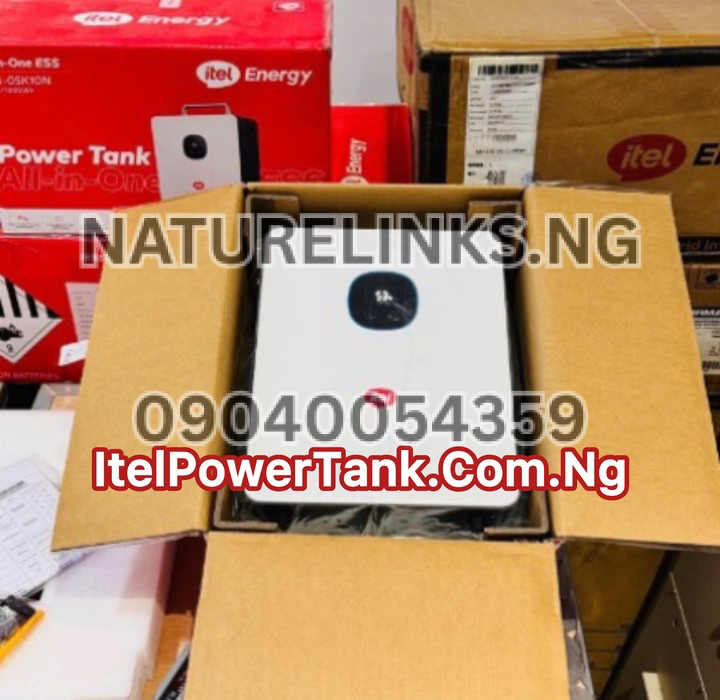
The Itel Power Tank commonly listed in Nigeria has:
- 1,000Wh / 1kWh battery capacity
- 500W continuous AC output
- Pure sine-wave inverter
- LiFePO4 battery technology
- Solar charging capability
- Integrated MPPT solar controller
- AC/grid charging
- Multiple output options depending on configuration
- Battery Management System (BMS)
- Portable all-in-one design
- UPS functionality on compatible configurations
The 2kWh power station category generally refers to a power station with approximately 2,000Wh of battery storage.
Therefore:
| Feature | Itel Power Tank 1000Wh | 2kWh Power Station |
|---|---|---|
| Battery capacity | 1,000Wh | 2,000Wh |
| Equivalent capacity | 1kWh | 2kWh |
| Stored energy | Approx. 1kWh | Approx. 2kWh |
| Battery capacity difference | Baseline | Approximately 2× |
| Continuous AC output | 500W on commonly listed configuration | Depends on model |
| Solar charging | Yes | Usually model-dependent |
| MPPT | Integrated on listed configuration | Model-dependent |
| LiFePO4 | Yes on listed configuration | Model-dependent |
| Port selection | Model-dependent | Model-dependent |
| Best suited for | Essential/light-to-moderate backup | Longer-duration/heavier backup, depending on output |
| Portability | Relatively compact | Generally larger/heavier, depending on model |
The most important point is that 2kWh does not automatically mean 2,000W output. Wh measures stored energy, while W measures how much power the inverter can deliver at a given time.
What Is the Difference Between 1000Wh and 2kWh?
1,000Wh = 1kWh.
2,000Wh = 2kWh.
Therefore, a 2kWh power station has approximately twice the nominal energy-storage capacity of a 1kWh unit.
For example, if a theoretical appliance load consumes 100W continuously:
- 1,000Wh ÷ 100W = about 10 hours theoretically
- 2,000Wh ÷ 100W = about 20 hours theoretically
Actual AC runtime will be lower because power stations experience inverter conversion losses, battery-management limitations and other operating losses.
The same principle applies at higher loads. A 200W load theoretically uses:
- 200Wh per hour
- About 1,000Wh over five hours
- About 2,000Wh over ten hours
The Itel Power Tank’s published product information specifically cautions that theoretical runtime calculations do not account for conversion losses and other operating factors.
Is Itel Power Tank 1000Wh the Same as 1kWh?
Yes.
A 1,000Wh battery is equivalent to 1kWh.
The terms may look different when you are comparing products online:
- 1,000Wh
- 1000Wh
- 1kWh
- 1 kilowatt-hour
- 1,000 watt-hours
They describe approximately the same nominal energy capacity.
This is important when comparing Itel Power Tank 1000Wh price in Nigeria with a 2kWh solar generator or portable power station. Always convert the capacities to the same unit before comparing them.
Is a 2kWh Power Station Twice as Powerful as Itel Power Tank?
Not necessarily.
This is one of the most common mistakes buyers make when comparing power stations.
The 1,000Wh specification refers to the battery’s energy-storage capacity. It does not mean the Itel Power Tank has a 1,000W continuous inverter.
The commonly listed Itel configuration has a 500W continuous AC output, with surge capability listed up to 1,000W on certain configurations.
A 2kWh power station could have:
- 500W inverter
- 1,000W inverter
- 1,500W inverter
- 2,000W inverter
- Or another output rating
depending on the manufacturer and model.
Consequently, 2kWh tells you about capacity, not automatically about output power.
Itel Power Tank 1000Wh vs 2kWh Power Station: Which Has More Battery Capacity?
The 2kWh power station has more battery capacity.
The comparison is straightforward:
Itel Power Tank:
1,000Wh = 1kWh
2kWh power station:
2,000Wh = 2kWh
Therefore, the 2kWh unit has approximately twice the nominal stored energy.
If all other factors were comparable, a 2kWh unit could theoretically provide approximately twice the runtime at the same load.
However, real-world runtime depends on inverter efficiency, battery condition, operating temperature, appliance behaviour and the power station’s battery-management system.
How Long Can Itel Power Tank 1000Wh Run Appliances?
Runtime depends on the combined wattage of your appliances.
A simple theoretical formula is:
Runtime ≈ Battery Capacity ÷ Load
For the 1,000Wh Itel Power Tank:
At a 50W load
1,000Wh ÷ 50W = approximately 20 hours theoretically.
At a 100W load
1,000Wh ÷ 100W = approximately 10 hours theoretically.
At a 200W load
1,000Wh ÷ 200W = approximately 5 hours theoretically.
At a 300W load
1,000Wh ÷ 300W = approximately 3.3 hours theoretically.
At a 500W load
1,000Wh ÷ 500W = approximately 2 hours theoretically.
These are energy calculations, not guaranteed real-world runtimes. Actual usable AC runtime will normally be shorter.
The commonly listed Itel configuration has a 500W continuous inverter rating, so connecting appliances whose combined continuous demand exceeds that rating is not appropriate.
How Long Can a 2kWh Power Station Run Appliances?
Using the same simplified calculation, a 2,000Wh power station theoretically provides:
At 50W
2,000Wh ÷ 50W = approximately 40 hours.
At 100W
2,000Wh ÷ 100W = approximately 20 hours.
At 200W
2,000Wh ÷ 200W = approximately 10 hours.
At 500W
2,000Wh ÷ 500W = approximately 4 hours.
Again, these are theoretical calculations.
The actual result depends on the particular power station and its inverter efficiency.
Itel Power Tank 1000Wh vs 2kWh: Which Lasts Longer?
At the same appliance load, a 2kWh power station has more stored energy and therefore can potentially run the load for longer.
For example, assuming two systems have similar efficiency and the same 100W load:
- 1kWh system: approximately 10 hours theoretically
- 2kWh system: approximately 20 hours theoretically
This makes a 2kWh system particularly relevant to buyers who need longer backup periods without recharging.
However, the exact runtime should be calculated from the actual appliance wattage and the manufacturer’s usable battery-energy specifications.
Can Itel Power Tank Run a TV?
Yes, a TV is generally within the type of low-to-moderate electronic load for which the commonly listed Itel Power Tank configuration is intended.
The published product information lists TVs, laptops, Wi-Fi routers, LED lights, rechargeable fans, phones and other small electronics among suitable applications.
For example, if your television consumes 80W:
1,000Wh ÷ 80W = approximately 12.5 hours theoretically.
Actual runtime will be lower.
A 2kWh power station could theoretically provide approximately twice that energy at the same load, assuming comparable efficiency.
Can Itel Power Tank Run a Fan?
A fan can generally be a suitable load, provided its electrical requirement is within the Power Tank’s inverter rating.
The actual runtime depends on the fan type and wattage.
For example, if a fan consumes 50W:
1,000Wh ÷ 50W = approximately 20 hours theoretically.
The actual runtime will be lower.
This makes the Itel Power Tank potentially useful for maintaining essential cooling during power interruptions, especially when combined with other low-power devices.
Can Itel Power Tank Run a Refrigerator?
This requires more caution.
A refrigerator is not assessed only by its normal running wattage. The compressor can require significantly more power during startup.
The commonly listed Itel Power Tank configuration has a 500W continuous output, with surge capability listed up to 1,000W on applicable configurations. Buyers should therefore check the refrigerator’s running and starting requirements against the exact Power Tank model before connecting it.
If your refrigerator’s startup requirement exceeds the Power Tank’s permitted surge capability, the system may shut down or trigger protection.
A 2kWh power station may have greater battery capacity, but that alone does not guarantee that it can start a refrigerator. The inverter’s continuous and surge ratings still matter.
Can Itel Power Tank Run a Laptop and Router Together?
For many typical laptop-and-router combinations, the combined power demand can be well below 500W.
For example:
- Laptop: 60W
- Router: 10W
- Combined load: 70W
At a theoretical 70W load:
1,000Wh ÷ 70W ≈ 14.3 hours.
Actual runtime will be lower.
This is one reason 1kWh power stations are attractive for remote work, home offices, networking equipment and basic electronics backup.

Can Itel Power Tank Power a Small Business?
It can be useful for selected small-business loads, particularly electronics that do not require large amounts of power.
Potential applications include:
- POS terminals
- Laptops
- Desktop/network equipment within the output limit
- Routers
- CCTV systems
- LED lighting
- Small displays
- Phone charging
- Small fans
- Modems
- Other low-power electronics
The published Itel Power Tank information specifically identifies home, office, shop and emergency backup applications.
However, businesses using pressing irons, electric cookers, kettles, heaters, large refrigerators, pumps or other high-power equipment should calculate the complete load before purchasing.
Is 2kWh Better for Home Backup?
The answer depends on the required load and desired backup duration.
A 2kWh power station provides approximately twice the nominal battery capacity of a 1kWh system.
Therefore, buyers who need longer operation for multiple low-power appliances may benefit from the additional storage.
But if your main requirements are:
- TV
- Fan
- Router
- Laptop
- Phones
- LED lights
- CCTV
- POS
- Small electronics
a 1kWh power station may provide sufficient energy depending on your total load and required backup time.
The appropriate choice should therefore be based on load + runtime + inverter rating, rather than capacity alone.
Itel Power Tank 1000Wh vs 2kWh for Nigerian Homes
Nigerian electricity users often need backup power for different periods of the day.
For short interruptions, a 1kWh system can be practical for essential electronics.
For longer outages, a 2kWh system provides more stored energy.
Consider the following simplified example:
Example 1: Basic electronics
- TV: 80W
- Router: 10W
- Fan: 50W
- Lights: 20W
Total:
160W
Theoretical 1kWh runtime:
1,000 ÷ 160 ≈ 6.25 hours
Theoretical 2kWh runtime:
2,000 ÷ 160 ≈ 12.5 hours
Actual runtime will be lower.
Example 2: Laptop working setup
- Laptop: 60W
- Monitor: 40W
- Router: 10W
- Lighting: 15W
Total:
125W
Theoretical 1kWh runtime:
1,000 ÷ 125 = 8 hours
Theoretical 2kWh runtime:
2,000 ÷ 125 = 16 hours
Again, these figures are theoretical and do not account for system losses.

What Is the Itel Power Tank 1000Wh Battery Type?
The commonly listed Itel Power Tank configuration uses a LiFePO4 lithium battery.
LiFePO4 is lithium iron phosphate chemistry and is widely used in modern energy-storage systems.
The listed Itel specifications identify the Power Tank as a LiFePO4-based energy-storage system and give an approximately 6,000-cycle rating under stated conditions.
The exact cycle life a customer experiences can depend on operating conditions, depth of discharge, temperature, charging practices and the specific model.
Does Itel Power Tank Support Solar Charging?
Yes. The commonly listed Itel Power Tank configuration supports solar charging through an integrated MPPT solar charge controller.
Published information for the commonly listed IESS-05K10N configuration indicates up to 400W PV input.
This makes the Power Tank relevant to Nigerian buyers who want to combine:
- Solar panels
- Battery storage
- Portable backup power
- Grid charging
The exact allowable panel voltage, current and maximum PV input should always be checked against the specific model before installing or connecting panels.
Is Itel Power Tank Better for Solar Charging Than a 2kWh Power Station?
It depends on the exact 2kWh model.
You should compare:
- Maximum solar input wattage
- MPPT voltage range
- Maximum PV current
- Charging speed
- Battery capacity
- Inverter output
- Solar connector type
- Battery chemistry
- Warranty
- Availability of replacement or support services
A 2kWh battery does not automatically mean it has a better solar-charging system.
For the commonly listed Itel configuration, the published maximum PV input is up to 400W.

Itel Power Tank 1000Wh Charging Options
The commonly listed Itel Power Tank supports both AC/grid charging and solar charging.
This is particularly useful in Nigeria because users can charge from electricity when grid power is available and use solar charging as an alternative energy source.
The published configuration includes:
- AC/grid charging
- Solar charging
- Integrated MPPT
- Battery Management System
- Protection against overload and other abnormal operating conditions
The exact charging speed depends on the model and charging source.
Itel Power Tank 1000Wh vs 2kWh: Inverter Output Matters
Capacity is only half of the comparison.
Imagine two power stations:
Power Station A
- 1,000Wh battery
- 500W inverter
Power Station B
- 2,000Wh battery
- 500W inverter
Power Station B has twice the battery capacity, but both have the same 500W continuous inverter output.
This means B can potentially run the same 300W load for longer, but it cannot automatically run a 1,500W appliance simply because its battery is 2kWh.
This is why Nigerian buyers should always check both:
Wh = how much energy is stored
W = how much power can be delivered
Which Is More Portable: Itel Power Tank 1000Wh or 2kWh?
Generally, a 1kWh power station will have an advantage in portability compared with a 2kWh system, although actual size and weight depend on the manufacturer.
A 2kWh battery stores approximately twice as much energy, which commonly means more battery cells and greater physical weight.
For users who frequently move the unit between:
- Home
- Office
- Shop
- Outdoor locations
- Travel locations
- Temporary workspaces
a smaller 1kWh system may be easier to handle.
Which Is Better for POS Businesses?
For a POS business, the required power may be relatively modest.
A typical setup may include:
- POS terminal
- Smartphone
- Router
- Small LED light
- Small fan
The important thing is to calculate the combined wattage.
If the load is low, a 1kWh power station can provide substantial theoretical energy.
A 2kWh power station provides more energy reserve, which can be useful during longer outages.
The decision should therefore consider how many hours the business needs backup and whether additional appliances will be connected.
Which Is Better for Remote Work?
For remote work, both capacities can be useful.
A typical remote-work setup could contain:
- Laptop
- Monitor
- Router
- Phone
- LED light
- Small fan
The total load may remain comfortably below the 500W continuous rating of the commonly listed Itel Power Tank configuration, but the exact appliance specifications should be checked.
A 1kWh Power Tank can provide significant backup for low-power electronics.
A 2kWh system can extend that backup period when the additional capacity is needed.
Can a 2kWh Power Station Replace a Petrol Generator?
A 2kWh power station and a petrol generator serve overlapping but different purposes.
A battery power station:
- Stores electricity
- Can be charged from AC
- Can often be charged from solar
- Produces no exhaust fumes during battery operation
- Is generally quieter than an engine generator
- Is suitable for electronic backup
- Has a finite stored-energy capacity
A petrol generator:
- Uses fuel
- Can continuously generate electricity while fuel is available
- Produces engine noise
- Produces exhaust
- Can support high loads depending on generator rating
Therefore, buyers should compare their actual electricity needs rather than assuming that a 2kWh battery is equivalent to a particular generator size.
Itel Power Tank 1000Wh Price in Nigeria
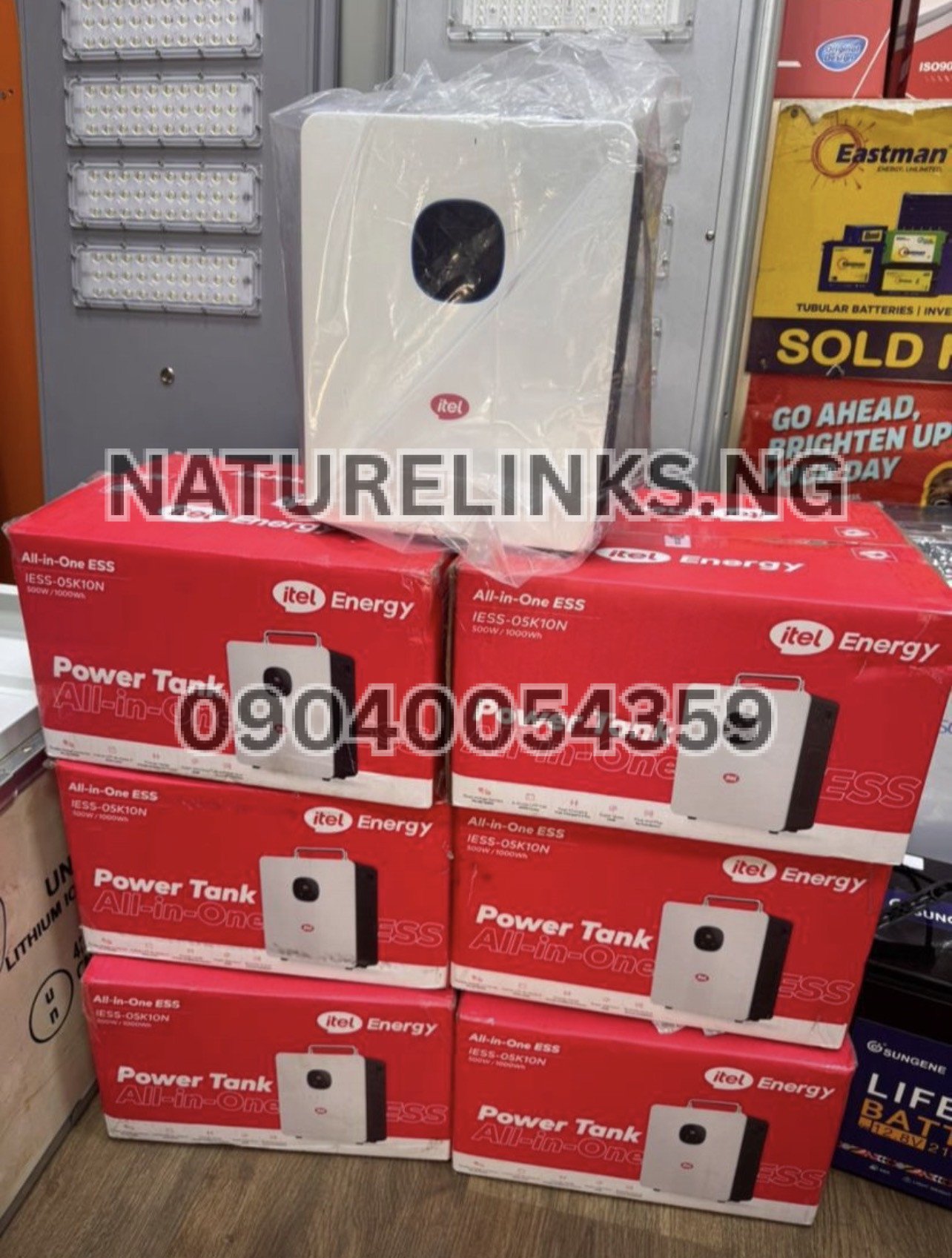
The price of an Itel Power Tank in Nigeria can vary according to:
- Seller
- Exact model
- Battery capacity
- Inverter rating
- Warranty
- Accessories
- Stock availability
- Promotions
- Solar panel package
Current online Nigerian listings for the commonly advertised 1,000Wh/500W configuration show prices around the high-₦200,000s and above, but buyers should confirm the current selling price, exact model and warranty before payment.
A 2kWh power station will likewise have a price determined by its brand, battery chemistry, inverter output, solar input, ports, warranty and other features.
For a proper comparison, do not compare only the prices. Compare the usable energy, inverter output, charging capability and warranty.
What Should I Check Before Buying an Itel Power Tank?
Before paying for an Itel Power Tank, ask the seller for:
1. Exact model number
Different configurations can have different specifications.
2. Battery capacity
Confirm whether the unit is 1,000Wh/1kWh or another capacity.
3. Continuous output
The commonly listed configuration is rated at 500W continuous output.
4. Surge output
This is especially important for refrigerators, pumps and motor-driven appliances.
5. Battery chemistry
The commonly listed configuration uses LiFePO4.
6. Solar input
The listed configuration supports up to 400W PV input.
7. Charging method
Confirm AC and solar charging compatibility.
8. Warranty
Ask how long the warranty lasts and what it covers.
9. Accessories
Confirm whether solar cables, AC charging cables and other accessories are included.
10. Authenticity
Buy from a reputable seller and confirm the model and documentation.
Itel Power Tank 1000Wh Datasheet
For the commonly listed configuration, the published specifications include:
| Specification | Details |
|---|---|
| Product | Itel Power Tank |
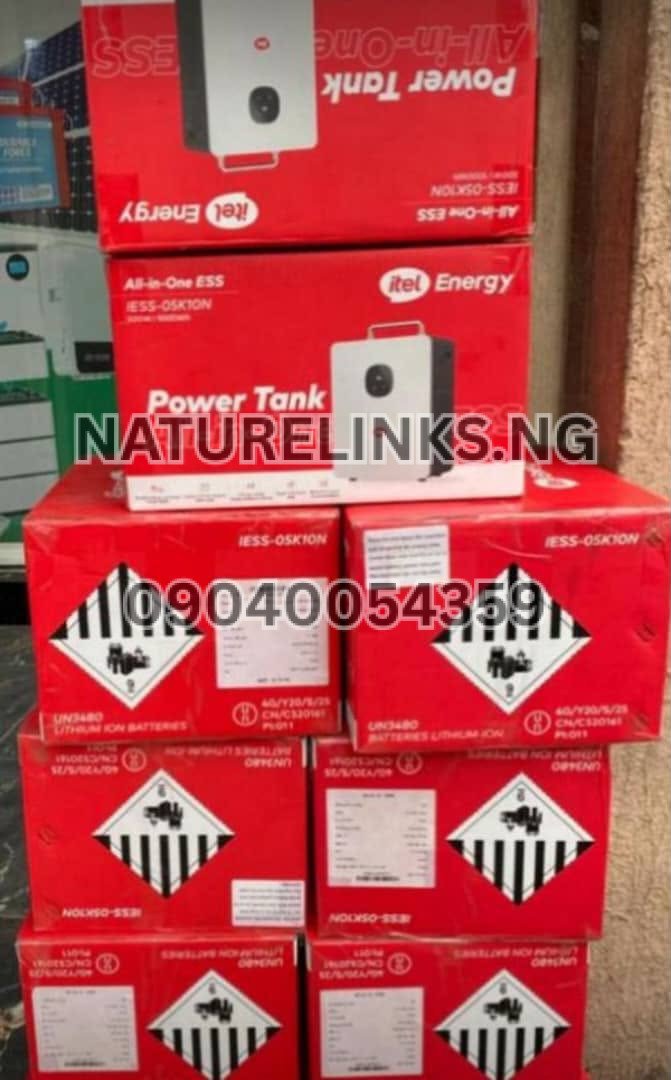
| Common listed model | IESS-05K10N |
| Battery capacity | 1,000Wh / 1kWh |
| Battery chemistry | LiFePO4 |
| Continuous AC output | 500W |
| Surge output | Up to 1,000W on listed configuration |
| Inverter | Pure sine wave |
| AC output | 230V |
| Frequency | 50Hz |
| Solar charging | Yes |
| MPPT | Integrated |
| Maximum PV input | Up to 400W on documented configuration |
| AC/grid charging | Yes |
| UPS | Supported on compatible configurations |
| BMS | Yes |
| Cycle rating | Approximately 6,000 cycles under published conditions |
| Cooling | Intelligent fan |
| Protection | Overload, short circuit, voltage and temperature protection |
Specifications can vary by configuration, so buyers should confirm the exact unit’s current datasheet before purchasing.
2kWh Power Station Buying Checklist
If you are considering a 2kWh alternative, do not stop at the “2kWh” label.
Ask:
- What is the continuous inverter output?
- What is the surge output?
- What is the battery chemistry?
- How much usable energy is available?
- What is the maximum solar input?
- Does it have MPPT?
- How fast does it charge?
- Does it support AC charging?
- Does it support solar charging?
- Does it have UPS functionality?
- What appliances can it power?
- What is its weight?
- What is the warranty?
- Is after-sales support available in Nigeria?
These questions make the comparison much more meaningful than battery capacity alone.
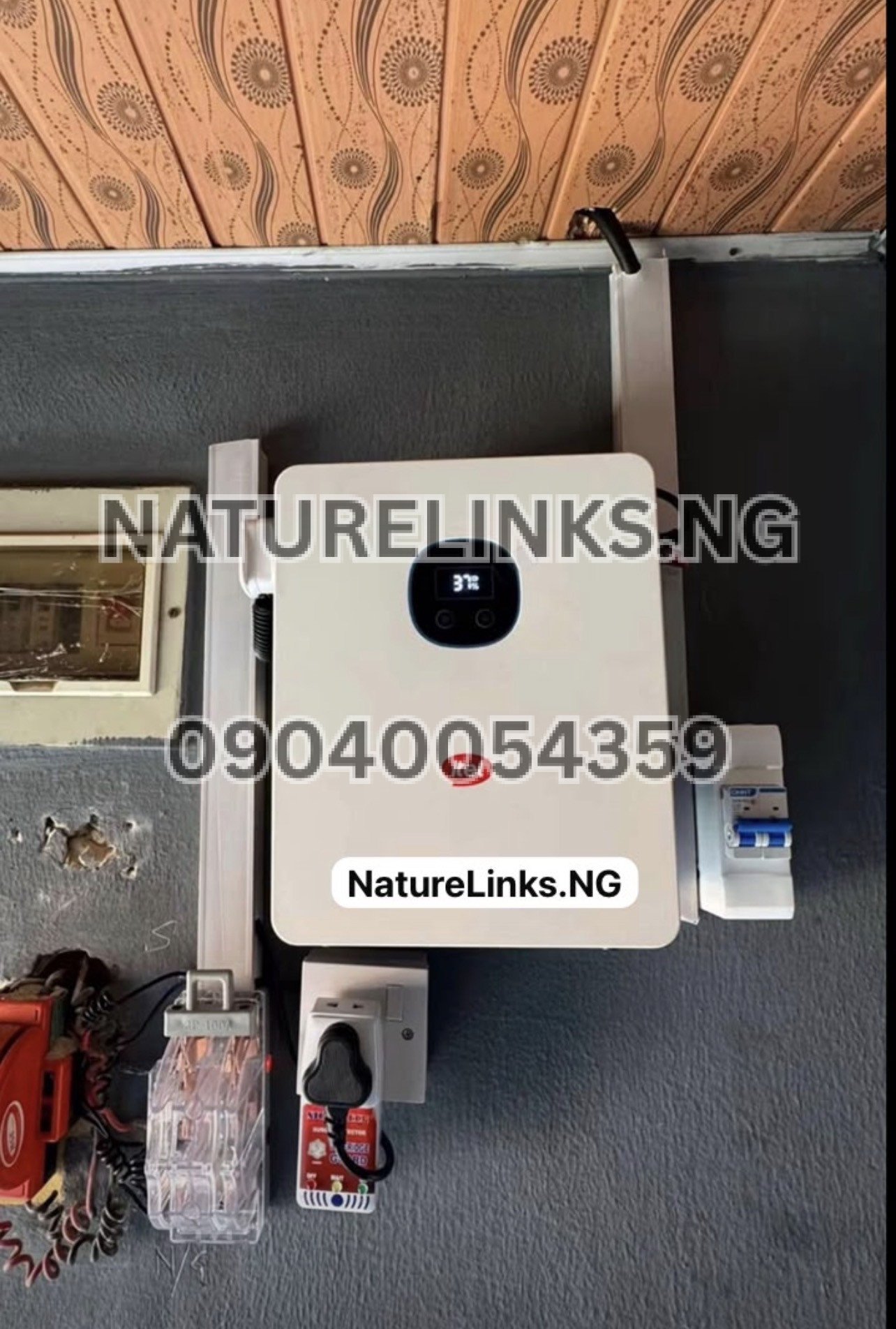
Itel Power Tank 1000Wh vs 2kWh: Appliance Comparison
| Appliance/Use | Itel Power Tank 1000Wh | 2kWh Power Station |
|---|---|---|
| Smartphone charging | Suitable | Suitable |
| Wi-Fi router | Suitable | Suitable |
| LED lights | Suitable | Suitable |
| Laptop | Suitable, within output limit | Generally suitable, subject to model |
| TV | Suitable, within output limit | Generally suitable |
| Small fan | Suitable | Generally suitable |
| POS terminal | Suitable | Suitable |
| CCTV | Suitable | Suitable |
| Multiple electronics | Depends on combined wattage | Greater energy reserve |
| Refrigerator | Check startup surge carefully | Check inverter surge carefully |
| Electric kettle | Usually unsuitable for 500W output configuration | Depends on inverter |
| Pressing iron | Usually unsuitable for 500W output configuration | Depends on inverter |
| Electric cooker | Usually unsuitable for 500W output configuration | Depends on inverter |
| Air conditioner | Generally unsuitable for commonly listed 500W configuration | Depends heavily on inverter rating |
The Itel Power Tank’s commonly listed 500W continuous output is the key limitation when considering high-power appliances.
Who Should Buy the Itel Power Tank 1000Wh?
The Itel Power Tank 1000Wh can be considered by Nigerian buyers who need portable backup for:
- Home electronics
- Laptops
- Routers
- TVs
- Fans
- LED lighting
- Phones
- CCTV
- POS terminals
- Small office equipment
- Shops
- Emergency electricity
- Solar-assisted backup
It is particularly relevant when your priority is portable energy storage for essential loads rather than running high-power heating appliances.
Who Should Consider a 2kWh Power Station?
A 2kWh system may be more relevant if your priority is:
- Longer backup duration
- More stored energy
- Running several moderate loads for longer
- Larger energy reserve
- Reducing the frequency of recharging
However, the inverter specification must still match your appliances.
For example, if you want to run a 1,500W appliance, buying a 2kWh station with only a 500W inverter would not solve the problem.
Is 1kWh Enough for a Nigerian Home?
It can be enough for essential electronics, depending on the total load and required runtime.
For example, a home using:
- TV
- Router
- Fan
- LED lights
- Phones
- Laptop
may have a considerably lower load than a home using:
- Electric kettle
- Iron
- Cooker
- Microwave
- Water heater
- Air conditioner
The first group is much more compatible with the commonly listed 500W Itel Power Tank configuration.
The second group requires a substantially different power solution.
Is 2kWh Enough for a Nigerian Home?
Again, it depends on what you want to operate.
2kWh provides approximately twice the nominal stored energy of 1kWh, but it does not automatically determine the inverter output.
For a home primarily powering low-wattage electronics, 2kWh can provide a longer backup window.
For high-power appliances, you must check the inverter’s continuous and surge ratings.
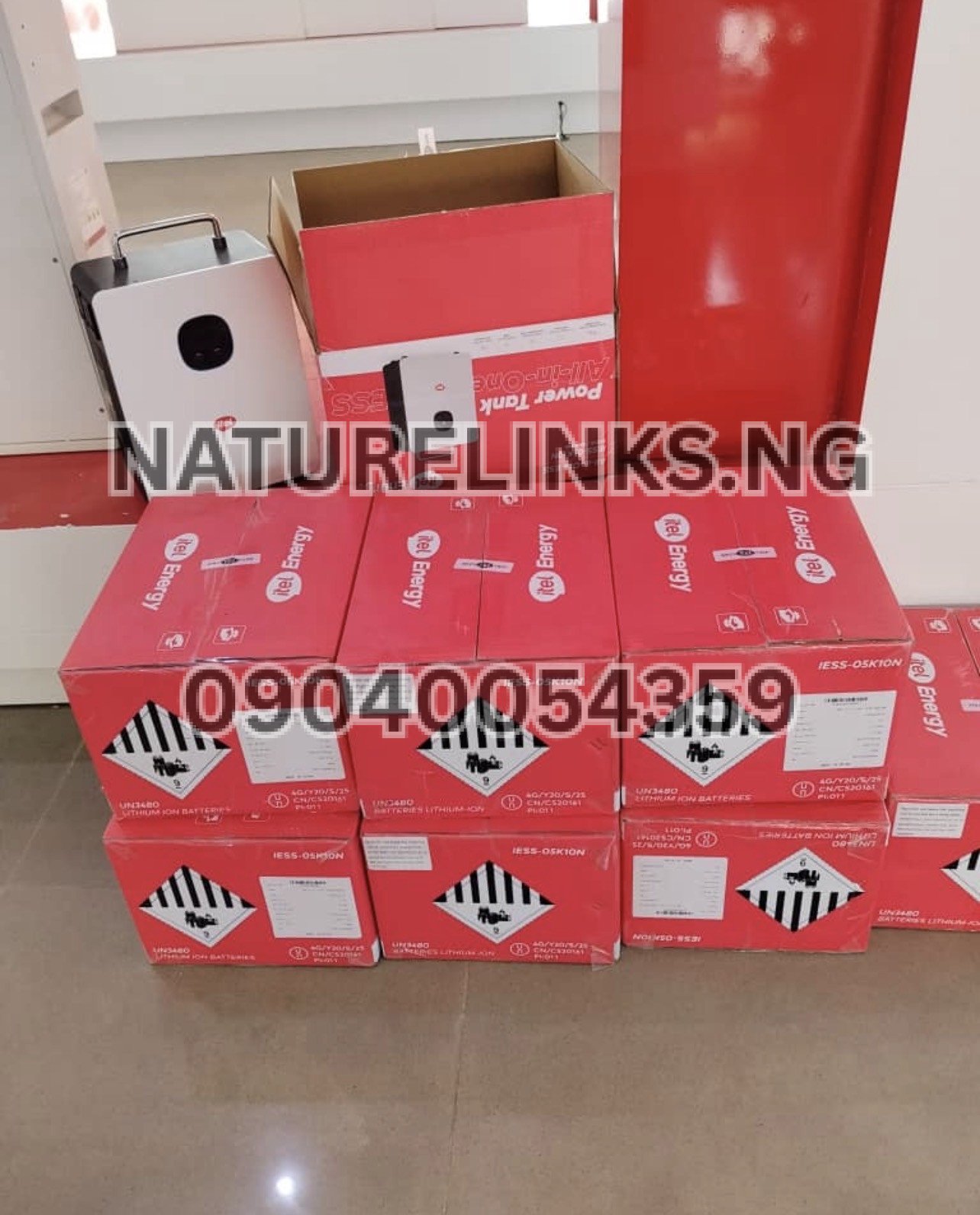
“How Does Itel Power Tank 1000Wh Compare With a 2kWh Power Station?” for Solar Users
For solar users, the comparison should include the solar-input specification.
The commonly listed Itel Power Tank configuration supports up to 400W of PV input and uses an integrated MPPT controller.
If a 2kWh power station accepts substantially more solar input, it could potentially recharge faster under suitable solar conditions.
However, if both systems receive the same amount of solar energy, the 2kWh battery can require more energy to reach a full charge because it stores approximately twice as much energy.
This means a larger battery is not automatically faster to recharge.
How Does Battery Capacity Affect Charging Time?
Battery capacity affects the amount of energy required for a full recharge.
A 1kWh battery requires approximately 1kWh of energy to replenish its nominal stored capacity, subject to charging losses.
A 2kWh battery requires approximately twice that energy.
Actual charging time depends on:
- Charger power
- Solar input
- Grid voltage
- Charging efficiency
- Battery state of charge
- Temperature
- Charge-management settings
Therefore, when comparing an Itel Power Tank 1000Wh with a 2kWh unit, check both battery capacity and maximum charging power.
Why Wh Is More Important Than “W” When Comparing Battery Runtime
Suppose someone says:
“This power station is 2,000W, so it must last longer than a 1,000Wh Power Tank.”
That conclusion may be wrong.
A 2,000W inverter tells you how much power it can potentially supply.
A 1,000Wh battery tells you how much energy is stored.
They measure different things.
A product can have:
- 1,000Wh battery + 2,000W inverter
- 2,000Wh battery + 500W inverter
The first can potentially deliver a higher instantaneous load, while the second stores more energy.
This is why serious buyers should always compare Wh and W separately.
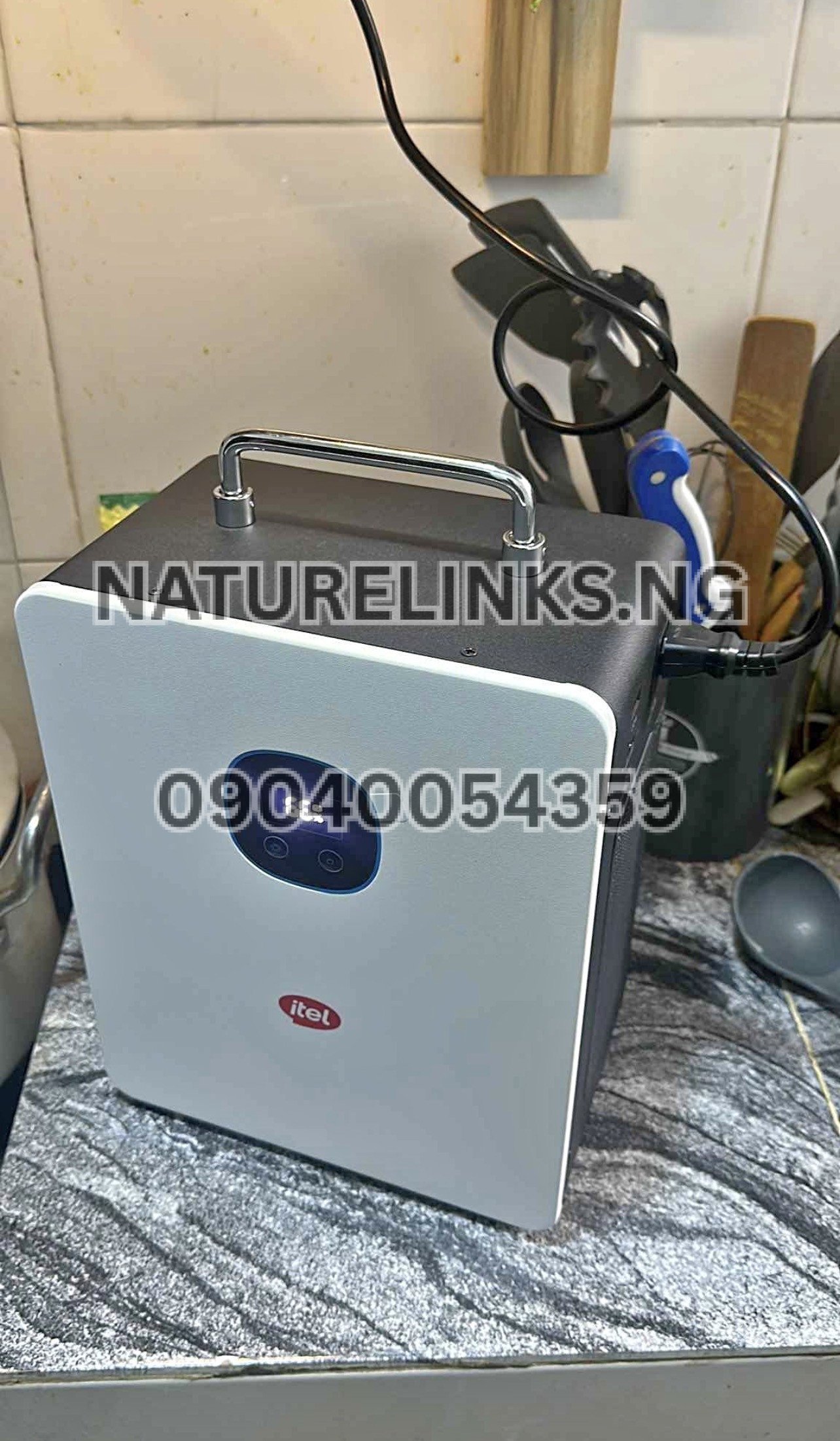
Where to Buy Itel Power Tank in Nigeria
For buyers looking for a genuine Itel Power Tank in Nigeria, the supplied distributor information for this article is:
Best Seller: Nature Solar Global Limited
Distributor: Nature Solar Global Limited
CEO: Mr. Joseph Chikeleze
Call: 07049528019
WhatsApp: 09040054359
Shop Address: F1571 Upstairs (F-Line), Alaba International Market, Lagos State 🇳🇬
Nature Links Nigeria Limited [NatureLinks.NG] is the stated seller/dealer contact associated with the supplied business information.
Before making payment, ask for the exact model, current price, warranty, included accessories and current datasheet.
Why Buy From an Accredited Distributor?
When purchasing a relatively expensive power station, buyers should consider more than the advertised price.
An established distributor or dealer can help with:
- Product identification
- Model confirmation
- Warranty information
- Solar-panel compatibility
- Appliance compatibility
- Charging questions
- Accessories
- After-sales support
For a 1kWh or 2kWh power station, verifying the exact specification is especially important because products with similar names can have different inverter outputs and charging capabilities.
Itel Power Tank 1000Wh vs 2kWh: Final Buying Considerations
If your priority is essential home and office electronics, the 1,000Wh Itel Power Tank can provide a substantial amount of stored energy in a portable package.
If your priority is longer backup duration, a 2kWh power station offers approximately twice the nominal energy capacity.
But if your priority is running high-power appliances, you should not make the decision based on battery capacity alone.
Instead, check:
Battery capacity + continuous output + surge output + solar input + charging speed + appliance wattage + warranty.
That combination gives you a much more accurate picture of what the power station can actually do.
10 Frequently Asked Questions About Itel Power Tank 1000Wh vs 2kWh Power Stations
1. Is Itel Power Tank 1000Wh the same as 1kWh?
Yes. 1,000Wh is equivalent to 1kWh. The terms describe the same nominal energy-storage capacity.
2. Is 2kWh twice the capacity of Itel Power Tank 1000Wh?
Yes. 2kWh is approximately 2,000Wh, while the Itel Power Tank is 1,000Wh. Therefore, the 2kWh unit has approximately twice the nominal stored energy.
3. Does 2kWh mean 2,000W output?
No. kWh measures energy storage, while watts measure power output. A 2kWh power station can have different inverter ratings depending on the model.
4. How many watts is the Itel Power Tank 1000Wh?
The commonly listed configuration has a 500W continuous AC inverter output, with surge output listed up to 1,000W on applicable configurations.
5. Can Itel Power Tank 1000Wh power a TV and fan?
Yes, provided the combined appliance load and startup requirements remain within the Power Tank’s specifications. TVs and fans are among the types of low-to-moderate loads for which the product is commonly marketed.
6. Can Itel Power Tank 1000Wh power a refrigerator?
It may be possible with some appropriately sized refrigerators, but the refrigerator’s startup surge must be checked against the Power Tank’s inverter specifications. Do not rely only on the refrigerator’s normal running wattage.
7. Can Itel Power Tank 1000Wh charge with solar panels?
Yes. The commonly listed configuration supports solar charging and has an integrated MPPT controller, with up to 400W PV input documented for that configuration.
8. Which lasts longer, 1kWh or 2kWh?
At the same load and with comparable system efficiency, a 2kWh power station can provide approximately twice the theoretical energy runtime of a 1kWh system.
9. Is Itel Power Tank suitable for home backup in Nigeria?
It can be suitable for essential electronics such as TVs, fans, routers, laptops, lights, phones and other appropriately sized loads. The total wattage should be calculated before purchase.
10. Where can I buy Itel Power Tank in Nigeria?
The supplied seller information for this article is Nature Links Nigeria Limited / Nature Solar Global Limited, with the listed shop at F1571 Upstairs (F-Line), Alaba International Market, Lagos State. Buyers can call 07049528019 or WhatsApp 09040054359 to confirm current availability, price, model and warranty.

Conclusion
The main difference between the Itel Power Tank 1000Wh and a 2kWh power station is battery capacity. The Itel Power Tank commonly listed in Nigeria provides 1,000Wh/1kWh, while a 2kWh power station provides approximately 2,000Wh, giving the latter roughly twice the nominal stored energy.
However, bigger capacity does not automatically mean higher output. The commonly listed Itel Power Tank configuration has a 500W continuous inverter, so buyers must check the wattage and startup requirements of their appliances.
For Nigerian users who mainly need backup for TVs, fans, laptops, routers, lights, phones, CCTV and other moderate or low-power electronics, a 1kWh Power Tank can be a practical energy-storage option. For users who need longer backup periods, a 2kWh power station provides a larger energy reserve.
Before buying, compare Wh capacity, inverter wattage, surge capacity, solar input, charging speed, battery chemistry, ports, warranty and price. This will help you select a power station based on your actual electricity needs rather than simply choosing the product with the bigger number.
For genuine-product enquiries, current pricing, availability and specifications, contact:
Nature Solar Global Limited
Accredited Distributor in Nigeria
CEO: Mr. Joseph Chikeleze
Call: 07049528019
WhatsApp: 09040054359
Shop: F1571 Upstairs (F-Line), Alaba International Market, Lagos State 🇳🇬