
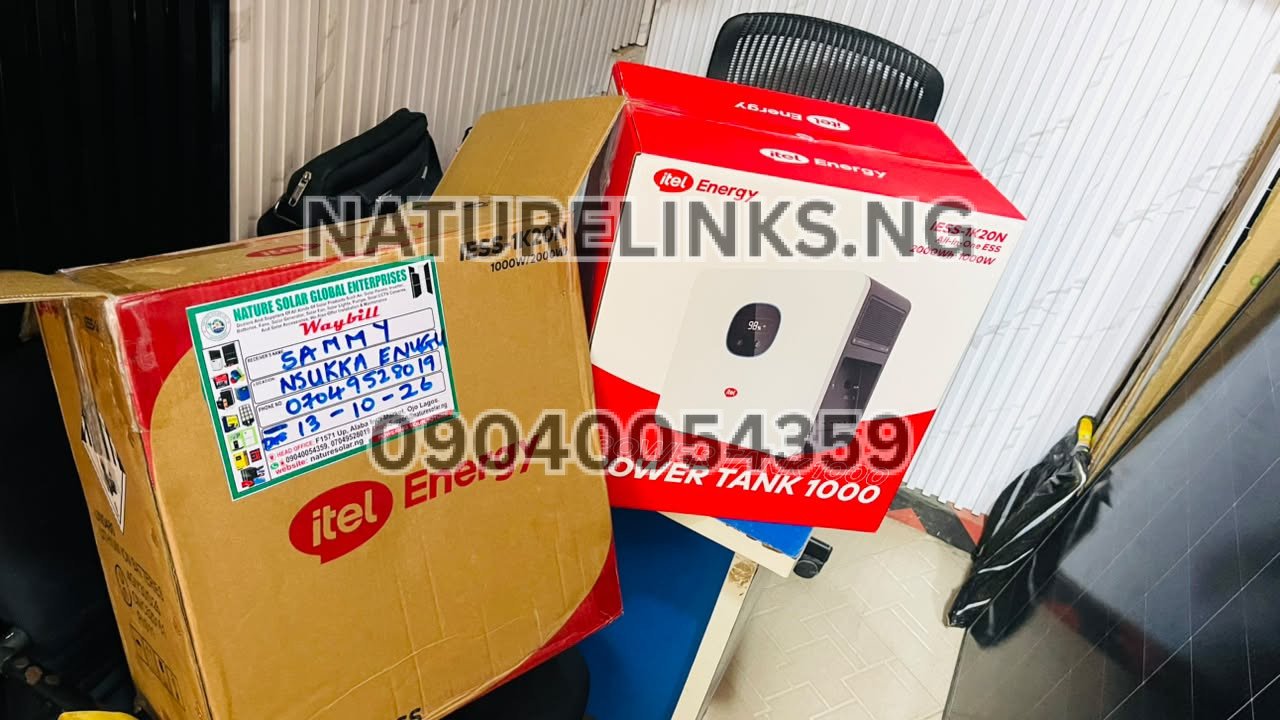
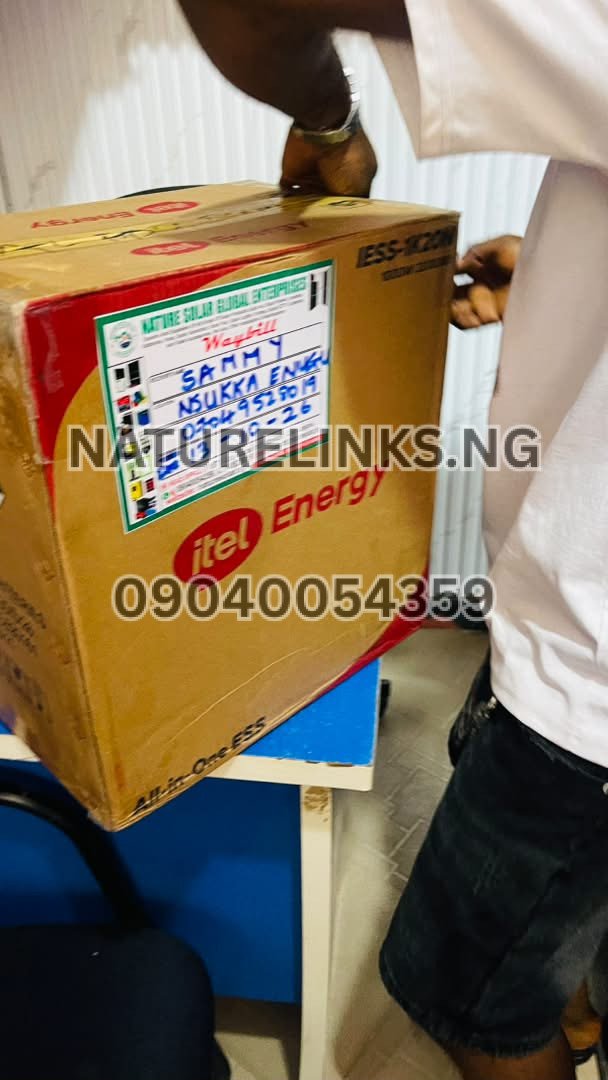
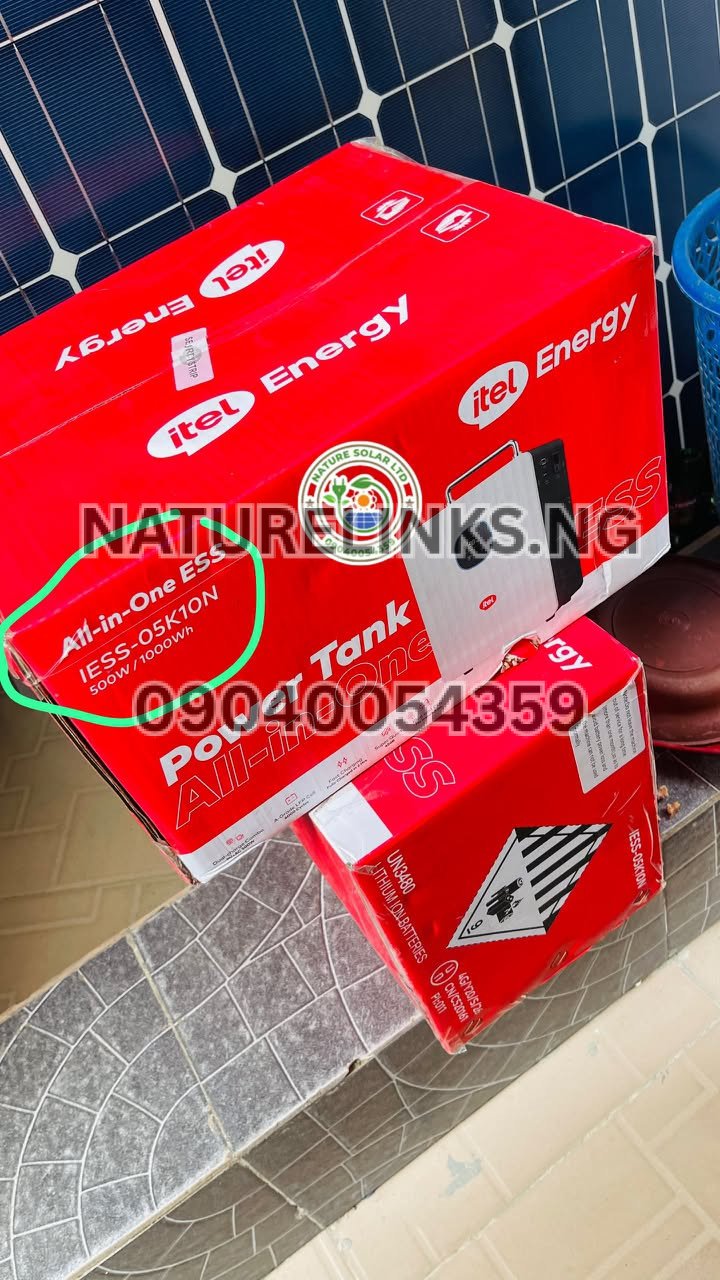
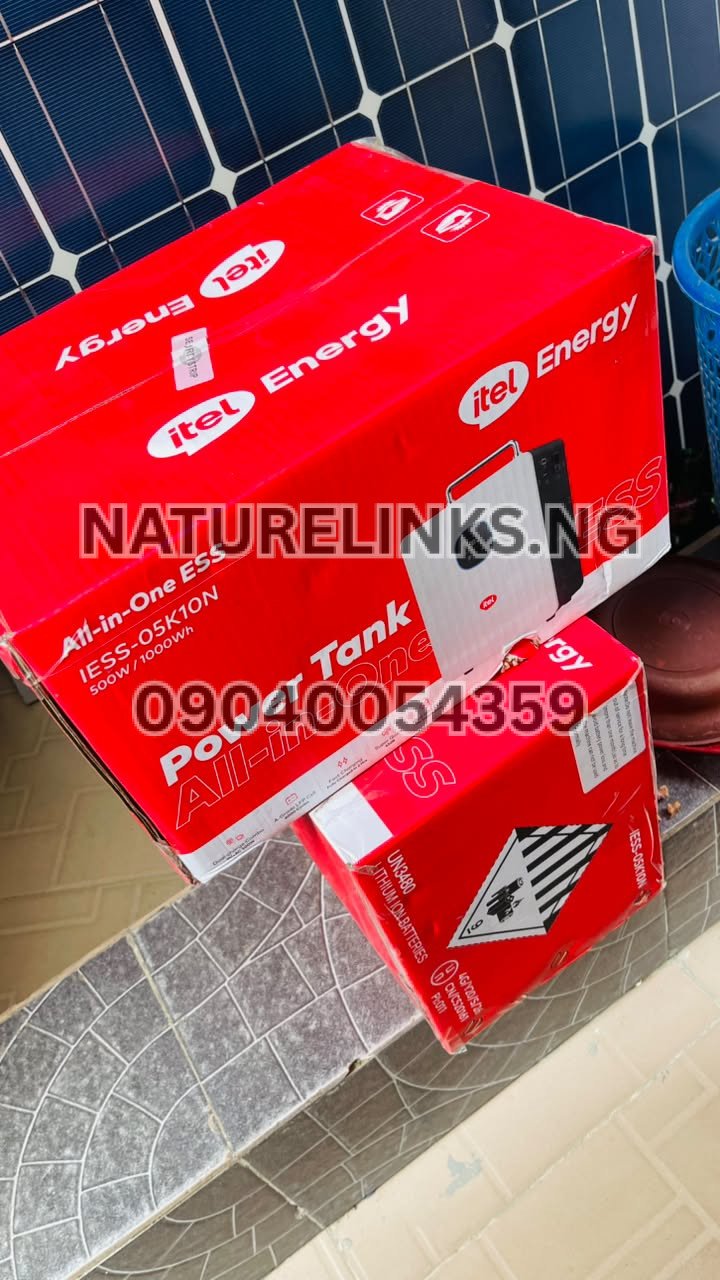
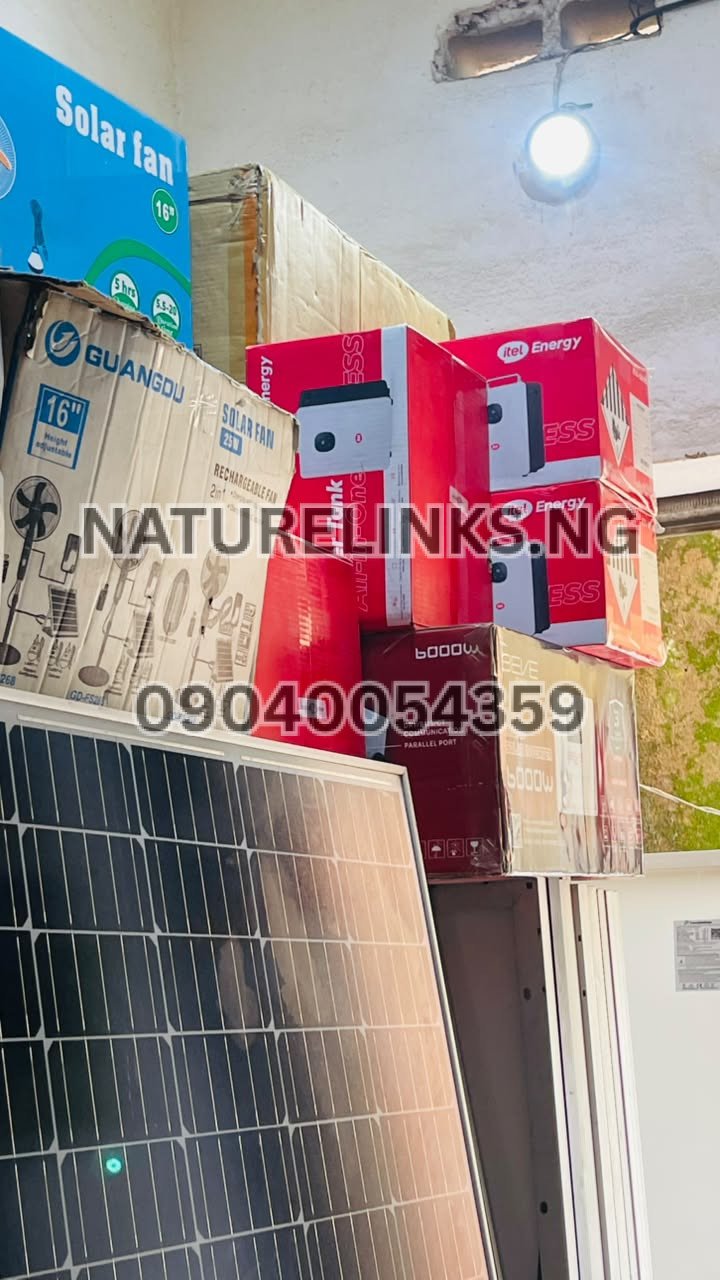
The Best Seller, Wholesaler and Distributor of Itel Power Tank in Nigeria is Nature Solar Global Enterprises, a subsidiary of Nature Links Nigeria Limited. The business identifies itself as an accredited distributor serving customers across Nigerian states and supplies portable solar power stations for homes, shops, offices and small businesses.
If you are planning to buy a 2kWh solar generator in Nigeria, one of the most important questions to ask is whether it can power your appliances for the number of hours you need. A solar generator may have a large battery capacity but still be unable to operate an appliance whose power requirement exceeds its inverter rating.
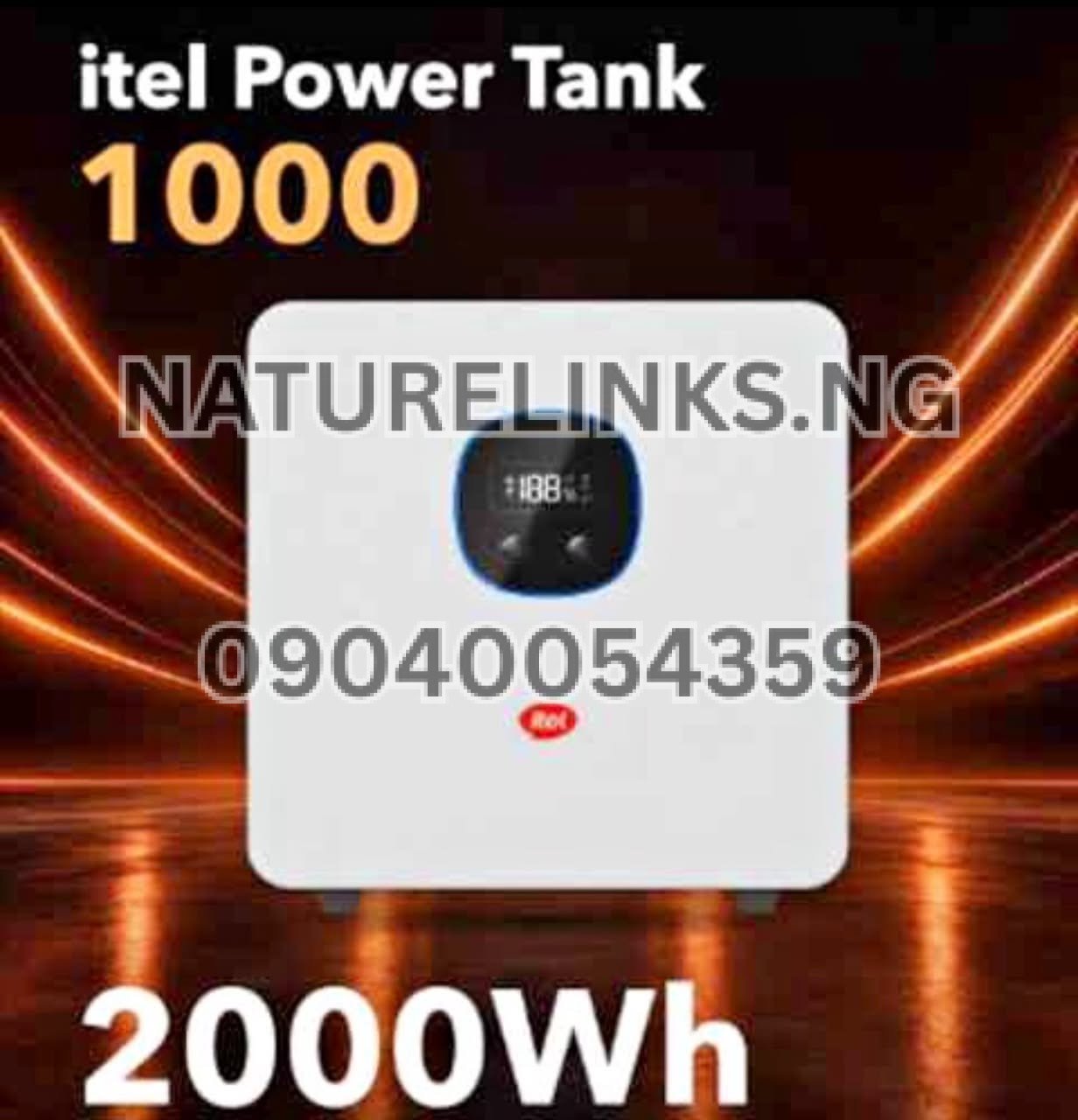
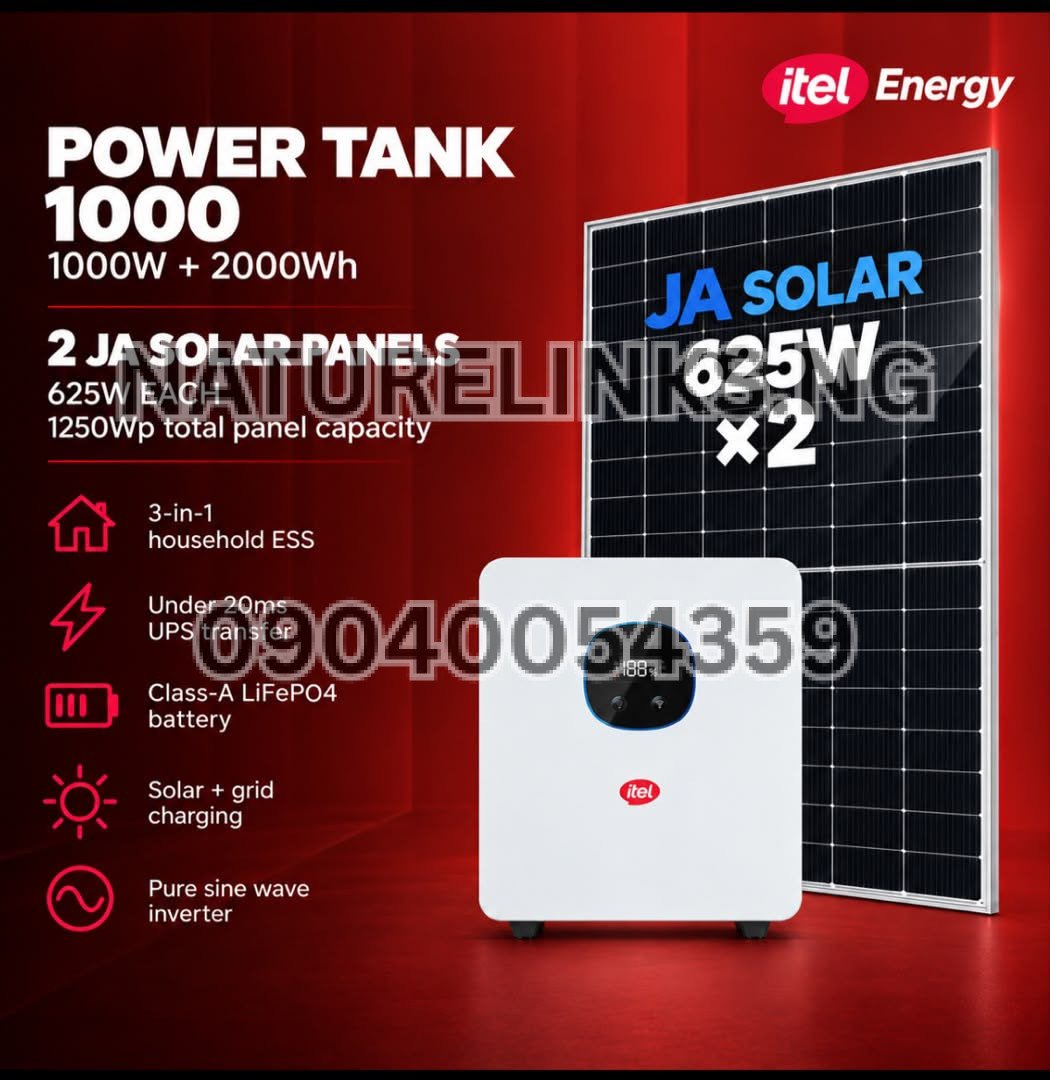
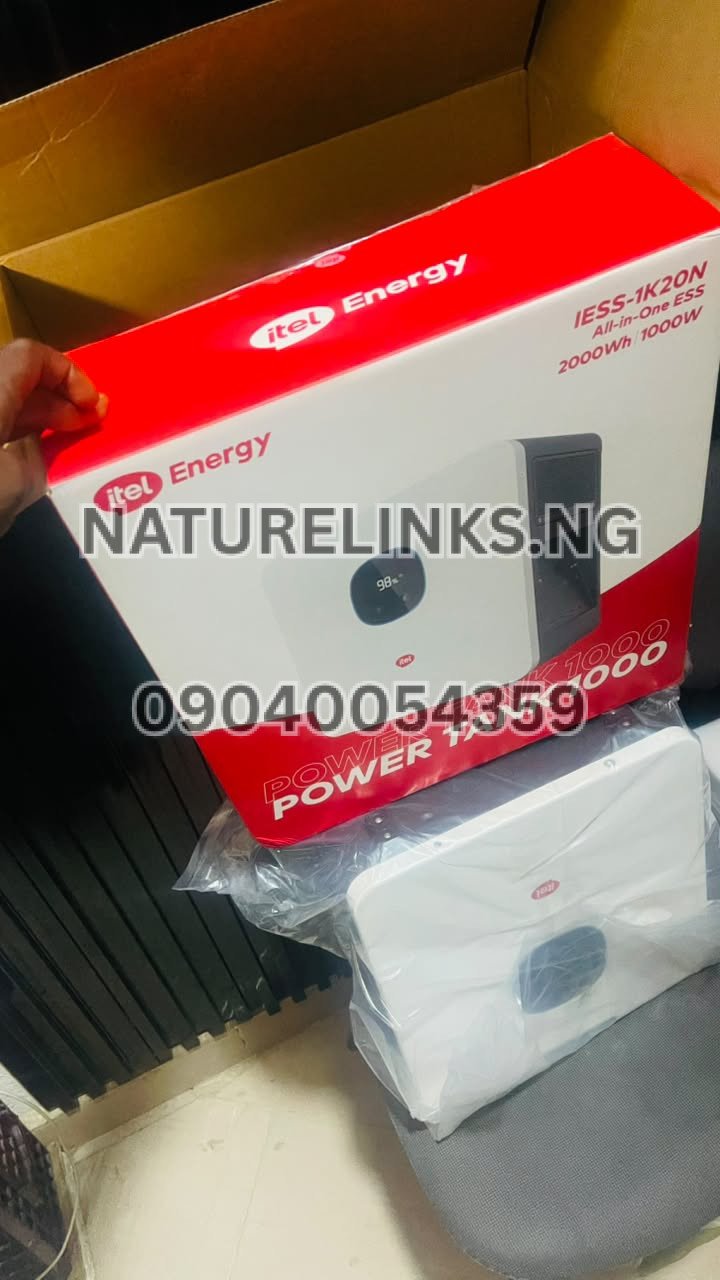
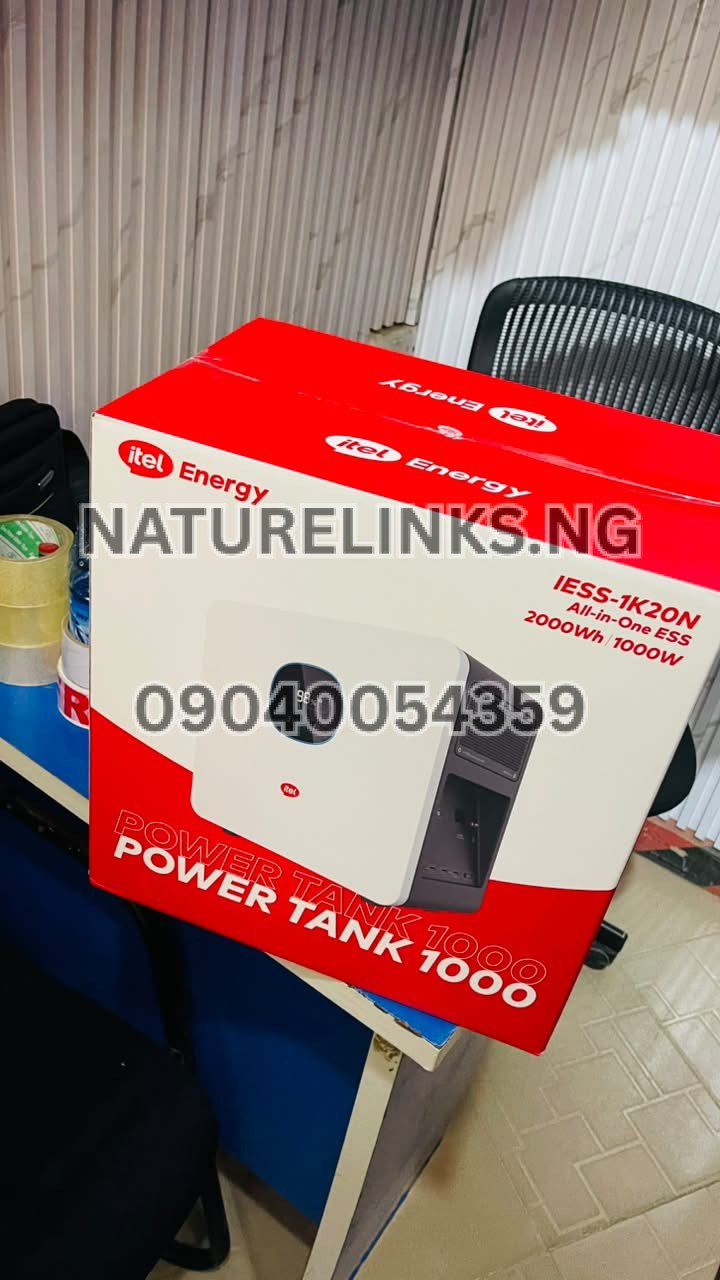
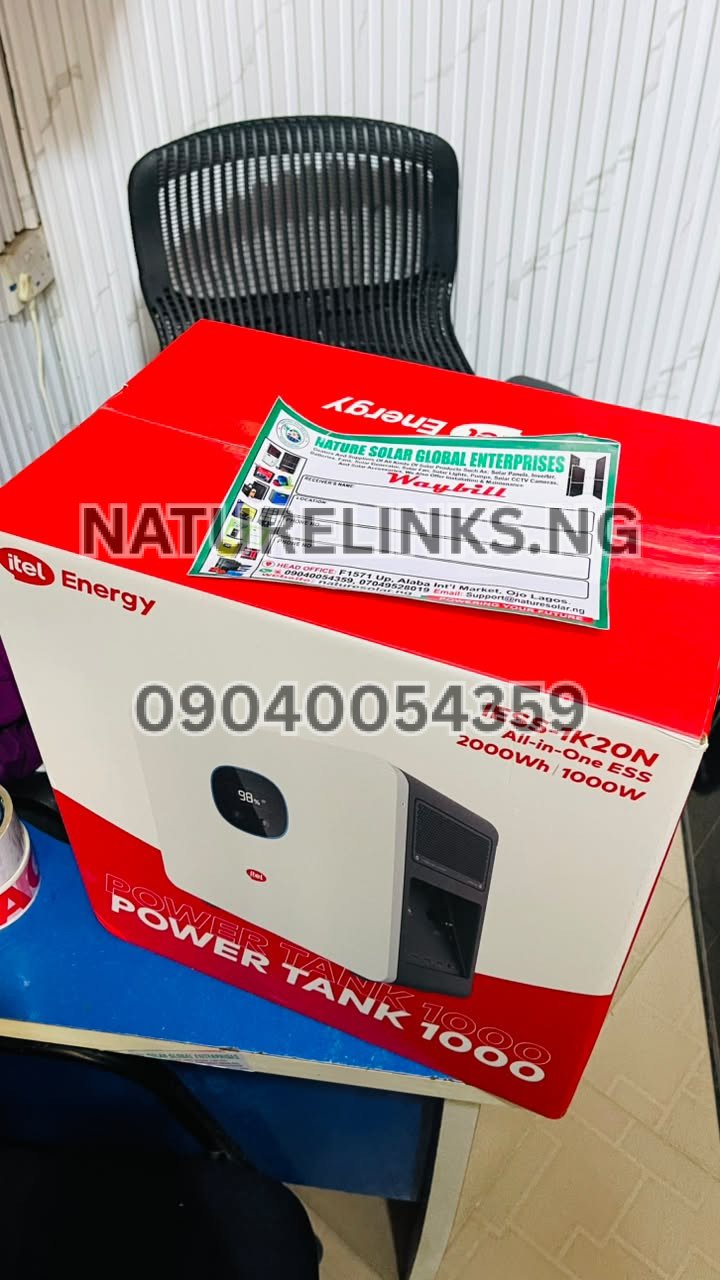
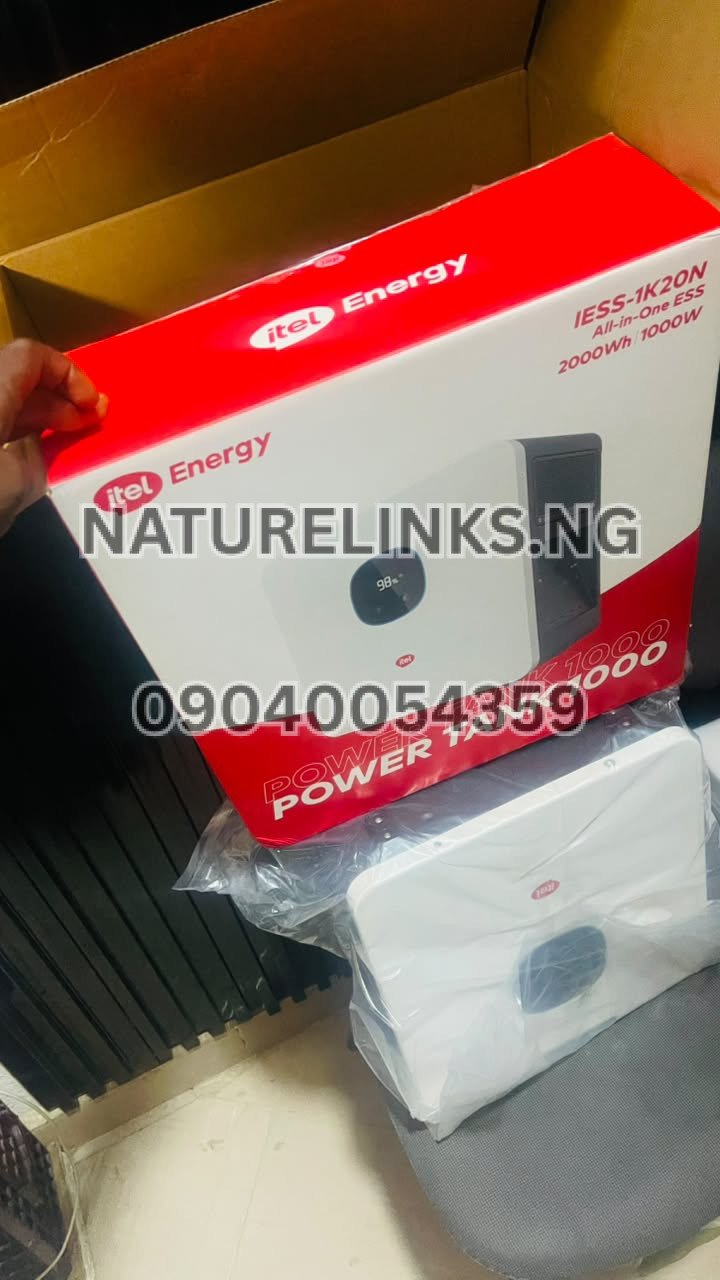
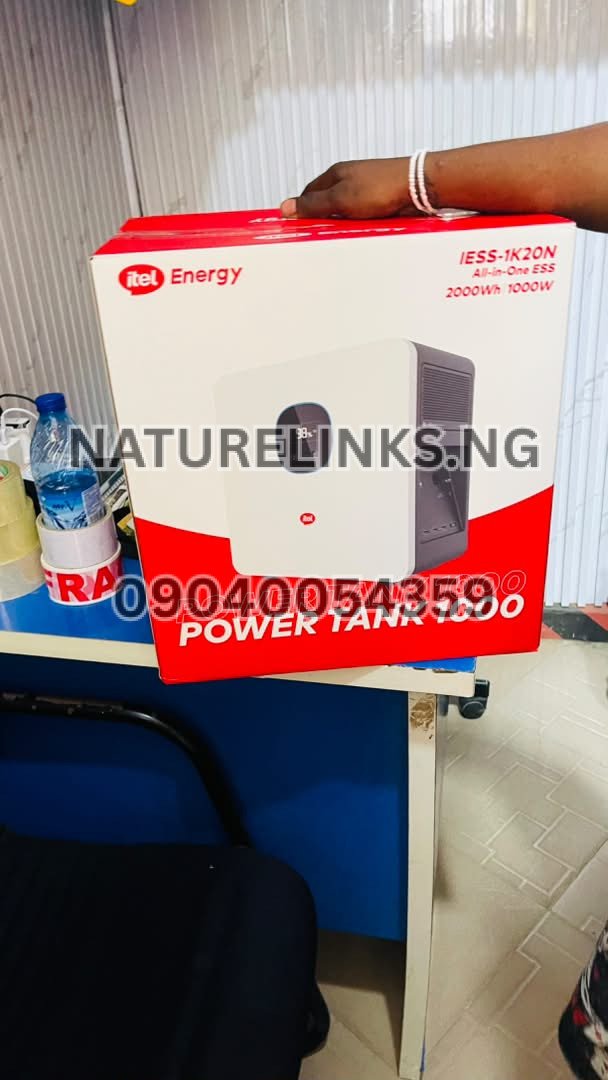
The Itel Power Tank 1000W/2000Wh is one option to consider for household backup electricity. According to the specifications supplied for this model, it has a 2000Wh battery capacity, a maximum output power of 1000W and a maximum solar input of 1200W.
To determine whether this system is suitable for your home, you need to check three things: the total wattage of your appliances, their combined energy consumption and the starting power required by appliances such as refrigerators and pumps.
This guide explains how to calculate your power needs, which appliances a 2kWh solar generator may support, how long its battery may last, and what to consider before buying one in Nigeria.
1. How Can I Check Whether a 2kWh Solar Generator Is Suitable for My Appliances?
The easiest way is to compare your appliances’ power requirements with the solar generator’s output rating and battery capacity.
For the specified Itel Power Tank 1000W/2000Wh, the key figures are:
- Battery capacity: 2000Wh (2kWh).
- Maximum output power: 1000W.
- Maximum solar input: 1200W.
- Battery chemistry: Lithium iron phosphate (LFP), according to the supplied specifications.
- Advertised battery cycle life: 8000 cycles, subject to confirmation of the manufacturer’s test conditions.
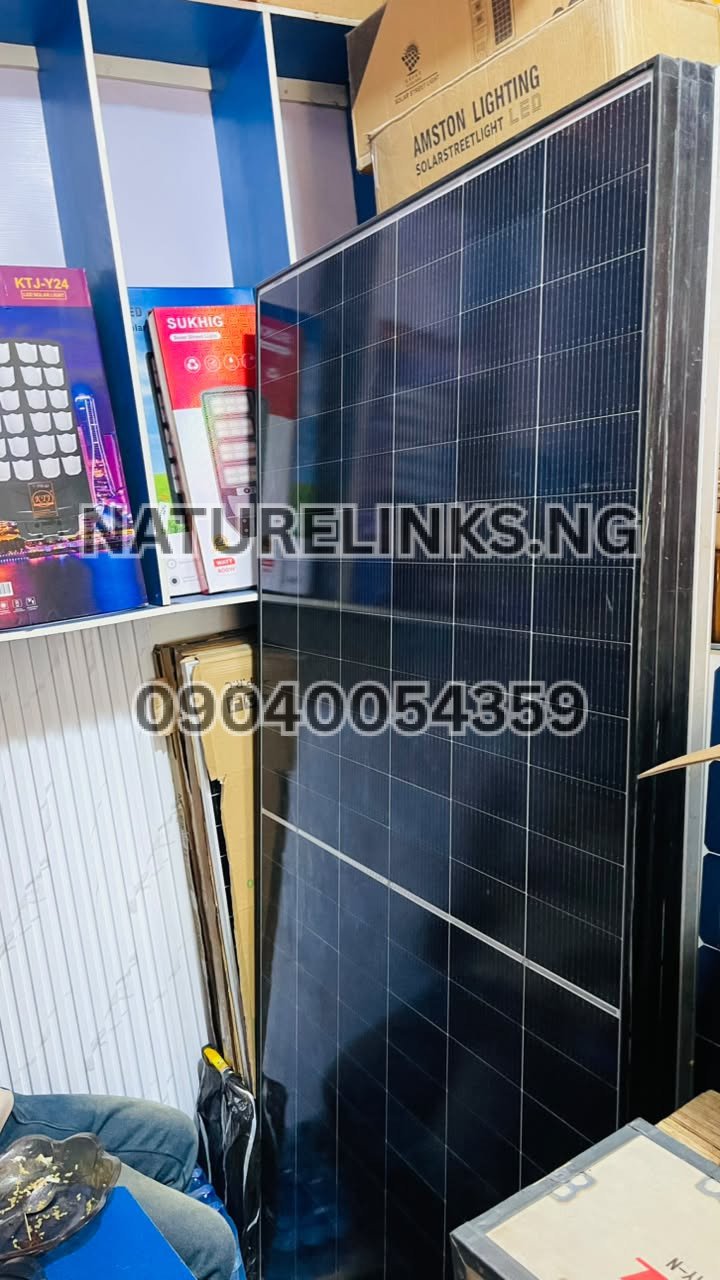
- Proposed solar arrangement: Two 625W panels, subject to compatibility with the unit’s PV input limits.
The first step is to list every appliance you want to operate during a power outage.
For example, your list might include a television, standing fan, LED bulbs, laptop, Wi-Fi router, decoder and refrigerator.
Next, check the wattage of each appliance. You can usually find this information on the product label, in the instruction manual or on the manufacturer’s website.
Add the wattages of the appliances you want to use simultaneously.
If the total is below 1000W, the appliances may be within the power station’s stated output limit. However, you must also account for startup surges, manufacturer operating limits and the energy required to keep the appliances running.
Finally, calculate how many watt-hours your appliances will consume over the period you want to use them.
Remember: The 1000W output rating determines the maximum supported power at a given moment, while the 2000Wh battery capacity determines how much energy is stored. Both figures matter when selecting a solar generator.
2. What Appliances Can a 2kWh Solar Generator Power in Nigeria?
A 2kWh solar generator with a 1000W output rating may power several essential household appliances, provided their combined operating power and startup requirements remain within the unit’s limits.
Common appliances that may be suitable include:
- LED bulbs.
- Television.
- Wi-Fi router.
- Laptop computer.
- Phone chargers.
- Decoder.
- Standing fan.
- Ceiling fan.
- CCTV equipment.
- Small office electronics.
- Selected low-power refrigerators.
The exact appliances supported depend on their actual wattage and operating characteristics.
Example: Television, Fan, Lights and Router
Suppose you want to operate the following appliances:
| Appliance | Estimated Power |
|---|---|
| LED television | 100W |
| Standing fan | 60W |
| Four LED bulbs | 40W |
| Wi-Fi router | 15W |
| Decoder | 20W |
| Total | 235W |
The combined estimated load is 235W.
This is below the specified 1000W maximum output rating, so the combination may be suitable if the individual devices operate normally and there are no additional significant loads.
If the appliances run for five hours, their approximate energy consumption will be:
235W × 5 hours = 1175Wh.
That is approximately 1.18kWh before accounting for conversion losses and other operating factors.
A fully charged 2000Wh battery could theoretically supply this amount of energy, but the actual operating time will be shorter than a simple calculation suggests.
Can It Power a Laptop and Internet Equipment?
Yes, many laptops and routers have relatively low power requirements.
For example, a laptop consuming 60W and a router consuming 15W have a combined load of 75W.
If they operate for eight hours, their approximate energy consumption is:
75W × 8 hours = 600Wh.
This is within the nominal energy capacity of a 2000Wh battery, although actual runtime depends on conversion losses and usable battery capacity.
For people working remotely, running a laptop, router, lights and a phone charger may be a practical use of a suitably sized power station.
3. What Is the Difference Between 2kWh Battery Capacity and 1000W Output Power?
Understanding this difference is essential before buying a solar generator.
What Does 2kWh Mean?
A 2kWh battery has a nominal energy capacity of 2000Wh.
This figure tells you how much energy the battery can store, rather than how many appliances it can operate simultaneously.
For example, a 100W appliance running for five hours consumes approximately 500Wh.
A 200W appliance running for five hours consumes approximately 1000Wh.
A 400W appliance running for five hours consumes approximately 2000Wh.
These calculations represent energy consumption before accounting for inverter losses and other operating limits.
What Does 1000W Mean?
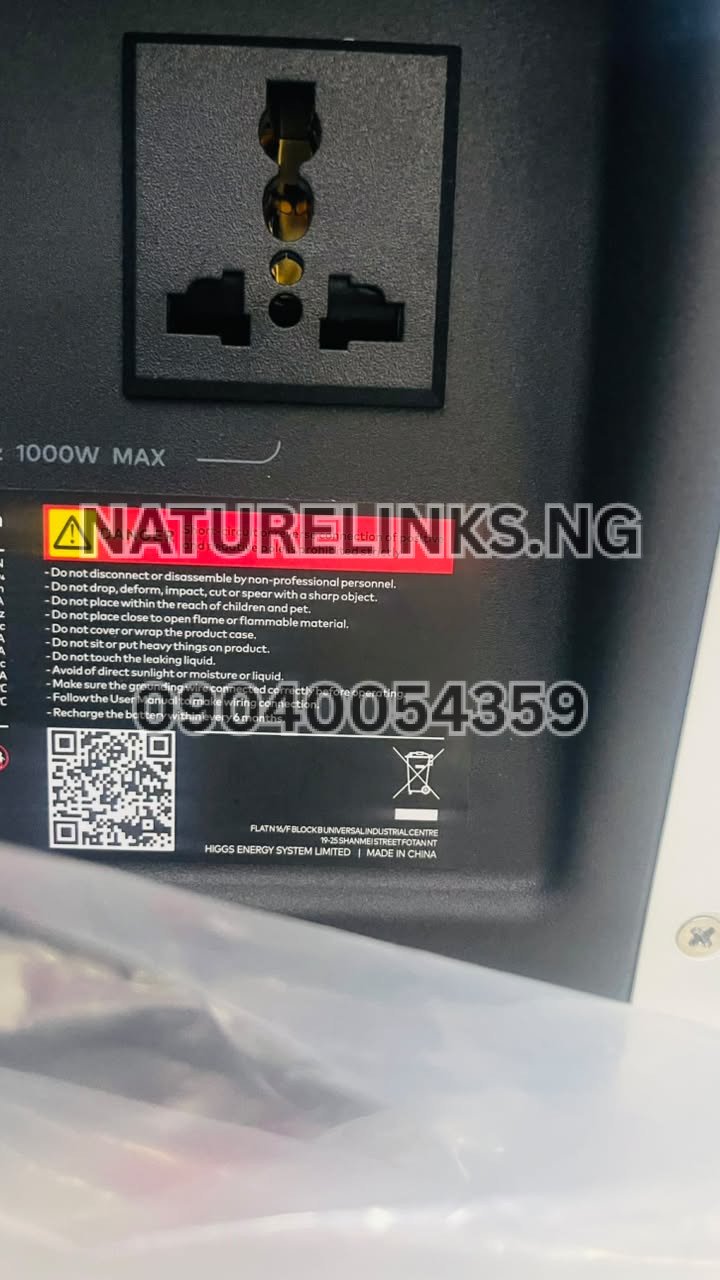
The 1000W rating describes the maximum stated output power of the specified power station.
If you connect appliances that collectively require 1200W, the load exceeds the stated 1000W output rating, even though the battery contains 2000Wh of energy.
The unit may shut down, reject the load or trigger protection, depending on its design.
Why Do Both Numbers Matter?
Imagine purchasing a power station with a 2000Wh battery and connecting an appliance that requires 1500W continuously.
The battery capacity may be substantial, but the appliance’s power requirement exceeds the stated 1000W output limit.
The opposite situation is also possible: an appliance may consume only 100W, which is comfortably below the output limit, but running it for a long time will gradually deplete the battery.
The correct solar generator must have sufficient output power for your appliances and enough usable battery capacity for your desired runtime.
4. How Do I Calculate the Total Wattage of My Home Appliances?
To calculate your household’s total power requirement, identify the appliances you plan to use simultaneously and record their wattage.
Use this simple formula:
Total load (W) = Appliance 1 wattage + Appliance 2 wattage + Appliance 3 wattage + other simultaneous loads.
For example, suppose you want to use:
| Appliance | Estimated Wattage |
|---|---|
| Television | 100W |
| Standing fan | 60W |
| Laptop | 65W |
| Wi-Fi router | 15W |
| Four LED bulbs | 40W |
| Phone chargers | 20W |
| Total | 300W |
The combined estimated load is 300W.
Since 300W is below the stated 1000W maximum output of the Itel Power Tank 1000W/2000Wh, this group of appliances may be suitable.
However, if you later add a refrigerator, electric kettle or pressing iron, the total power requirement will increase.
Where Can I Find Appliance Wattage?
Check the appliance’s rating label, user manual or manufacturer’s specifications.
If a device shows its voltage and current instead of wattage, multiplying voltage by current can provide an apparent-power estimate:
Volt-amperes (VA) = Voltage (V) × Current (A).
For AC appliances, this result is not always equal to actual power in watts because power factor matters. Where possible, use the manufacturer’s stated wattage or measure consumption with a suitable power meter.
Do not estimate the total load using only the number of appliances. A television and an electric kettle have very different power requirements.
5. How Long Will a 2kWh Solar Generator Last?
Battery runtime depends on the power consumed by connected appliances and the amount of energy the system can actually deliver.
A useful preliminary formula is:
Estimated runtime (hours) = Battery capacity (Wh) ÷ Total appliance load (W).
For a nominal 2000Wh battery, the theoretical calculations are:
| Total Appliance Load | Theoretical Runtime |
|---|---|
| 100W | 20 hours |
| 200W | 10 hours |
| 300W | Approximately 6.7 hours |
| 400W | 5 hours |
| 500W | 4 hours |
| 600W | Approximately 3.3 hours |
| 800W | 2.5 hours |
| 1000W | 2 hours |
These figures are idealized calculations, not guaranteed real-world runtimes.
Actual runtime is usually shorter because of inverter losses, usable battery limits, temperature, standby consumption and changes in appliance power demand.
Example: Running a 300W Load
Suppose your television, fans, lights and router consume 300W in total.
The theoretical calculation is:
2000Wh ÷ 300W = approximately 6.7 hours.
If the system delivers only 85% of its nominal battery energy to the appliances, the illustrative calculation becomes:
1700Wh ÷ 300W = approximately 5.7 hours.
The 85% figure is an example, not a verified efficiency rating for the Itel Power Tank. Actual performance depends on the unit and operating conditions.
Why Does Runtime Differ Between Households?
Two households may own the same power station but experience different runtimes.
One household might operate only a television, router and a few lights. Another might add a refrigerator, several fans and other equipment.
The second household consumes more energy and may exhaust the battery sooner.
For this reason, estimate your actual appliance consumption before deciding whether 2kWh is sufficient.
6. Can a 2kWh Solar Generator Run a Refrigerator or Freezer?
It may run a compatible refrigerator or freezer, but you must check both the appliance’s running wattage and its startup surge.
Refrigerators and freezers commonly use compressors that draw extra power when starting.
For example, a refrigerator might consume approximately 150W while running but require a substantially higher surge when its compressor starts. The actual figures depend on the model, size, age and operating conditions.
A power station with a 1000W output rating may be suitable for some refrigerators but not others.
Before connecting a refrigerator, check:
- Its rated running power.
- Its starting or surge power.
- The power station’s continuous output rating.
- The power station’s permitted surge rating.
- The expected runtime based on the refrigerator’s energy consumption.
A refrigerator’s compressor does not necessarily run continuously, so estimating runtime using its running wattage alone may be inaccurate.
Where available, consult the appliance’s energy label or measure its actual consumption over a representative period.
What About a Chest Freezer?
The same principle applies to chest freezers.
Some models may work within a 1000W power station’s capabilities, while others may have startup demands that exceed the unit’s limits.
Do not assume that every refrigerator or freezer will work simply because its average running power is low.
7. Can a 2kWh Solar Generator Run an Electric Iron, Kettle or Air Conditioner?
These appliances require special attention because many models consume substantial power.
Electric Iron
Many electric irons consume approximately 1000W or more.
An iron rated at 1200W would exceed the stated 1000W output rating of the specified Itel Power Tank.
Even an iron rated at exactly 1000W may leave no practical margin for additional loads, and actual appliance demand may vary.
Electric Kettle
Many electric kettles consume approximately 1500W to 2200W.
These loads typically exceed the specified power station’s 1000W output rating.
Check the exact appliance rating before connecting it.
Air Conditioner
Air conditioners can require considerable power, particularly during compressor startup. Their energy consumption also depends on capacity, efficiency, room conditions and operating duration.
Some efficient inverter air conditioners have different starting characteristics from conventional units, but their continuous demand must still remain within the power station’s limits.
A 1000W power station should not be assumed suitable for a typical air conditioner without checking the exact appliance specifications.
Water Pump
Water pumps can draw high startup currents.
Even if the pump’s normal operating wattage appears manageable, the starting surge may exceed the inverter’s capabilities.
For all these appliances, confirm both continuous and surge requirements before purchasing the system.
8. Is Itel Power Tank 1000W/2000Wh Suitable for a Nigerian Home?
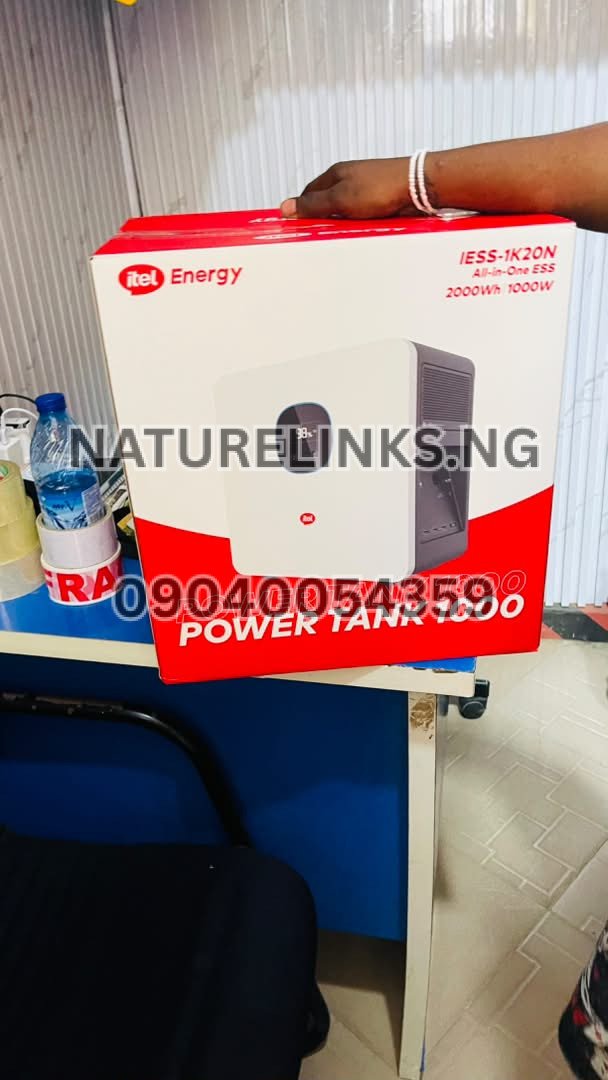
The Itel Power Tank 1000W/2000Wh may be suitable for a household that needs backup electricity for essential low- and moderate-power appliances.
According to the specifications supplied for this model, its key features include a 2000Wh battery, a maximum output of 1000W and a maximum solar input of 1200W.
The suitability of the system depends on your intended use.
It may suit you if you want to power:
- LED lights.
- Television and decoder.
- Fans within the available load capacity.
- Laptop and phone chargers.
- Wi-Fi router.
- CCTV equipment.
- Other compatible electronics.
You may need a different system if you want to operate:
- High-power electric kettles.
- Electric irons rated above 1000W.
- Large air conditioners.
- High-demand water pumps.
- Multiple appliances whose combined load exceeds 1000W.
- Equipment with startup surges beyond the power station’s permitted limits.
If your household requires more than 1000W at one time, consider a power station with a higher inverter rating. If your appliances operate within the output limit but you need them to run for much longer, consider a larger battery capacity.
A bigger battery does not automatically provide a higher output rating, and a more powerful inverter does not automatically provide longer runtime.
9. How Many Solar Panels Do I Need for a 2kWh Solar Generator?
The number of panels depends on the power station’s maximum PV input, electrical compatibility, sunlight conditions and how quickly you want to recharge the battery.
For the Itel Power Tank 1000W/2000Wh, the supplied specification gives a maximum PV input of 1200W.
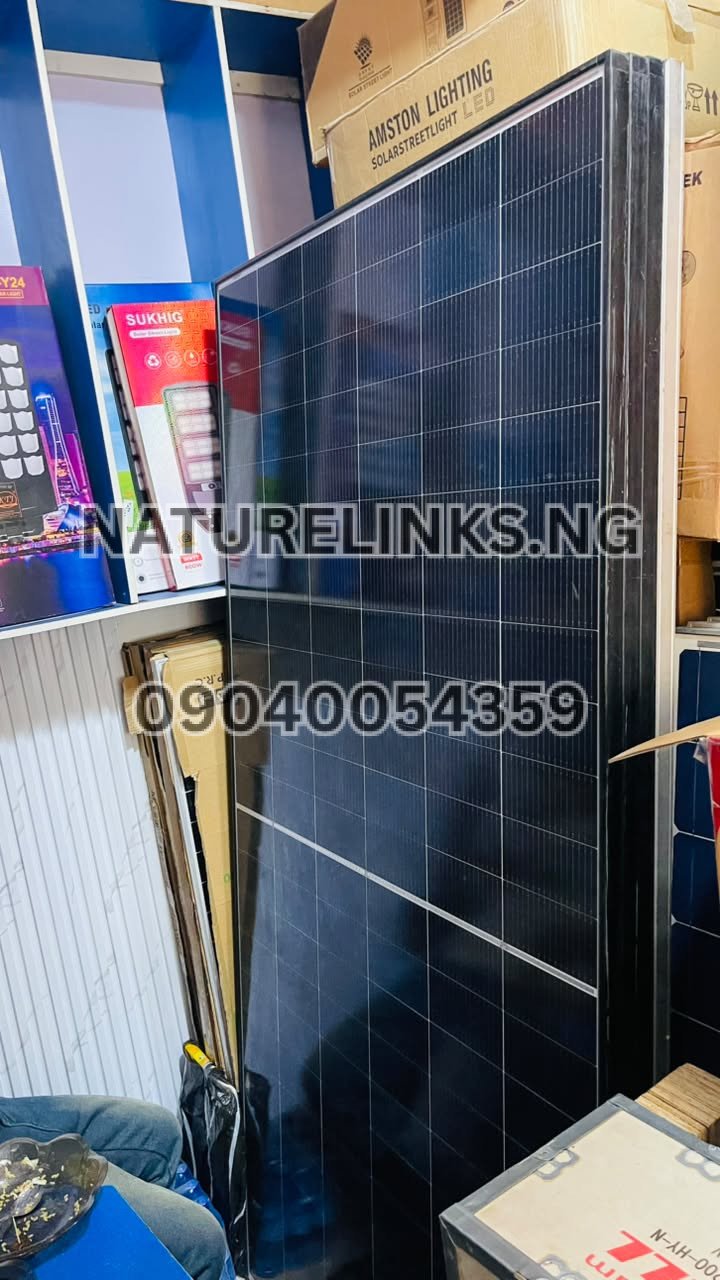
The proposed configuration uses two 625W solar panels, with a combined nominal rating of 1250W.
However, because 1250W exceeds the stated 1200W maximum PV input, the panels must be configured according to the manufacturer’s permitted voltage, current and power limits. Never connect panels based only on their combined wattage.
How Much Do Two 625W Solar Panels Cost in Nigeria?
The supplied price from Nature Solar Global Enterprises is ₦125,000 per panel.
| Item | Price |
|---|---|
| One 625W panel | ₦125,000 |
| Two 625W panels | ₦250,000 |
| Itel Power Tank 1000W/2000Wh | ₦600,000 |
| Power station plus two panels | ₦850,000 |
These are the supplied prices, not independently verified live checkout prices. Confirm current availability, exact panel models and final charges before purchasing.
Suitable panel brands may include JA Solar, Jinko, Canadian Solar and LONGi, subject to electrical compatibility and availability.
Will Two 625W Panels Always Produce 1250W?
No.
A panel’s rated wattage is measured under specified test conditions. Actual production varies with sunlight, cloud cover, panel temperature, orientation, shading and other factors.
The power station’s PV input limit also restricts how much solar power it can accept.
For this reason, the amount of energy generated over a day is more useful for planning than assuming the panels will constantly operate at their full rated output.
10. What Specifications Should I Check Before Buying a 2kWh Solar Generator?
Before buying a solar generator in Nigeria, examine the product’s technical specifications and compare them with your intended appliances.
Battery Capacity
A 2000Wh battery has a nominal capacity of 2kWh.
Confirm that the product you are purchasing actually has this capacity rather than a smaller battery marketed under a similar product name.
Continuous Inverter Output
Check the maximum continuous AC output rating.
For the specified Itel Power Tank, the stated maximum output is 1000W.
Your simultaneous appliance load must remain within the manufacturer’s permitted limit.
Surge Capacity
Check whether the manufacturer publishes a surge-power rating and how long it can sustain that surge.
This is particularly important for refrigerators, freezers, pumps and other motor-driven appliances.
Battery Chemistry
The supplied specifications identify the battery chemistry as lithium iron phosphate, commonly abbreviated as LFP or LiFePO4.
Battery lifespan depends on the manufacturer’s design, operating conditions, temperature, depth of discharge and charging practices.
Solar Input
Check the maximum permitted PV input power, voltage and current.
For the specified model, the supplied maximum PV input power is 1200W. Obtain the exact manufacturer’s datasheet before selecting panels or wiring.
AC Charging
The supplied specification lists a maximum AC input power of 1400W, including bypass and battery charging.
Ask the manufacturer or seller to explain how this rating applies to charging and bypass operation. Do not interpret it as the power available for appliances.
Warranty and Product Authenticity
Request the exact model number, warranty terms, invoice and product documentation.
Verify that the product you receive matches the quoted battery capacity and inverter output.
11. How Much Is Itel Power Tank 1000W/2000Wh in Nigeria?
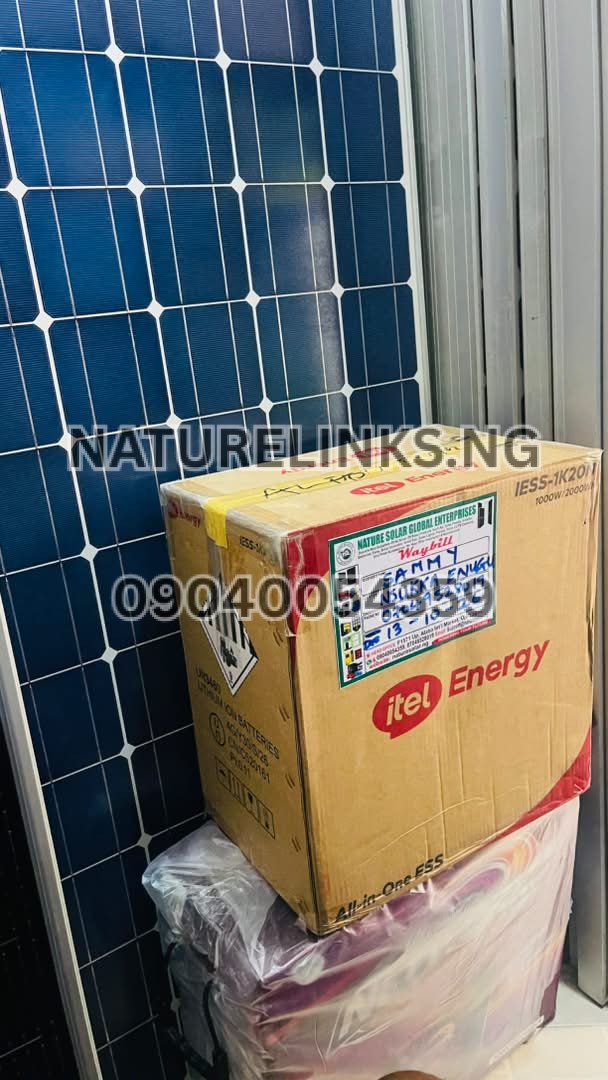
According to the prices supplied by Nature Solar Global Enterprises, the Itel Power Tank 1000W/2000Wh costs ₦600,000 for the power station alone.
The supplied price for a 625W solar panel is ₦125,000.
This gives the following estimated equipment costs:
| Package | Estimated Price |
|---|---|
| Itel Power Tank 1000W/2000Wh only | ₦600,000 |
| Power station plus one 625W panel | ₦725,000 |
| Power station plus two 625W panels | ₦850,000 |
The seller reports that some other sellers offer the power station at approximately ₦620,000 to ₦650,000. These market comparisons have not been independently verified and may change.
Before purchasing, confirm the exact model, battery capacity, warranty, included accessories and whether the listed price includes solar panels.
12. Where Can I Buy Itel Power Tank 1000W/2000Wh in Nigeria?
Nature Solar Global Enterprises, a subsidiary of Nature Links Nigeria Limited, advertises the supply of Itel Power Tank models and compatible solar panels.
The business states that it supplies customers throughout Nigeria and offers wholesale pricing.
Contact Nature Solar Global Enterprises
Business name: Nature Solar Global Enterprises
Parent company: Nature Links Nigeria Limited
CEO: Mr. Joseph Chikeleze
Call: 07049528019
WhatsApp: 09040054359
Shop address: F1571 Upstairs (F-Line), Alaba International Market, Lagos State, Nigeria.
Website: https://itelpowertank.com.ng/
The seller advertises same-day delivery in Lagos and next-day delivery outside Lagos. Confirm availability and delivery times for your specific location before ordering.
Before making payment, request written confirmation of the model, battery capacity, output rating, solar-panel compatibility, warranty and final price. If you require proof of accredited distribution, ask for the relevant manufacturer authorization.
13. Frequently Asked Questions About Choosing a 2kWh Solar Generator
These FAQs address common buyer questions about solar generator capacity, appliance compatibility, battery runtime and purchasing in Nigeria. They reflect relevant buyer-intent topics rather than a verified ranking of Google searches.
1. How Do I Know If a 2kWh Solar Generator Can Power My Appliances?
Add the wattage of all appliances you intend to run simultaneously and compare the total with the generator’s continuous output rating. Then calculate how many watt-hours those appliances will consume during your required operating period. Check startup surges for refrigerators, freezers and pumps.
2. Is a 2kWh Solar Generator Enough for a Family in Nigeria?
It may be enough for selected essential appliances, such as televisions, fans, lights, routers and laptops. Whether it is sufficient depends on your family’s energy consumption, the number of appliances running together and the duration of backup required.
3. How Many Hours Can a 2000Wh Solar Generator Last?
The theoretical runtime is battery capacity divided by total load. For example, 2000Wh divided by 200W gives 10 hours. Actual runtime is usually shorter because of inverter losses, usable battery limits and operating conditions.
4. Can a 2kWh Solar Generator Run a Refrigerator?
It may run some refrigerators if the continuous power demand and compressor startup surge are within the generator’s limits. Check the refrigerator’s rated wattage, startup requirements and actual energy consumption before purchasing.
5. Can a 2kWh Solar Generator Run an Electric Iron?
It depends on the iron’s wattage. Many electric irons consume 1000W or more, which can exceed the output rating of a 1000W power station. Check the rating label and avoid exceeding the manufacturer’s limit.
6. What Is the Difference Between 2kWh and 1000W?
A 2kWh battery describes the amount of energy stored, while 1000W describes the maximum stated output power. Battery capacity affects runtime; output power affects which appliances can run simultaneously.
7. How Many Solar Panels Are Needed for an Itel Power Tank 2000Wh?
The proposed arrangement uses two 625W panels, but the exact configuration must comply with the unit’s maximum PV input power, voltage and current limits. Confirm compatibility using the manufacturer’s datasheet before connecting the panels.
8. Can a 2kWh Solar Generator Power a TV, Fan, Laptop and Router Together?
It may do so if the combined wattage remains below the generator’s output rating and the total energy consumed remains within the available battery capacity. Calculate the actual wattage of each appliance and estimate the number of hours you need them to operate.
9. How Much Is Itel Power Tank 1000W/2000Wh in Nigeria?
The price supplied by Nature Solar Global Enterprises is ₦600,000 for the power station alone. Two 625W solar panels at ₦125,000 each bring the estimated equipment cost to ₦850,000. Confirm current prices and package contents before ordering.
10. Where Can I Buy an Itel Power Tank 2kWh Solar Generator in Nigeria?
You can contact Nature Solar Global Enterprises on 07049528019 or WhatsApp 09040054359. Its stated address is F1571 Upstairs (F-Line), Alaba International Market, Lagos State. You can also visit https://itelpowertank.com.ng/ to review its product information.
Conclusion: How Can I Check Whether a 2kWh Solar Generator Is Suitable for My Appliances?
To determine whether a 2kWh solar generator is suitable for your appliances, check both its output power and battery capacity. Add the wattage of the appliances you plan to run simultaneously, account for startup surges and calculate the energy required for your desired runtime.
The Itel Power Tank 1000W/2000Wh is a potential option for Nigerians who need backup electricity for essential household electronics. Its supplied specifications include a 2000Wh battery, 1000W maximum output and 1200W maximum solar input.
Nature Solar Global Enterprises lists the power station at ₦600,000 and 625W solar panels at ₦125,000 each. The proposed package of one power station and two panels therefore costs ₦850,000 before any additional charges.
For enquiries, contact Nature Solar Global Enterprises on 07049528019 or WhatsApp 09040054359. The stated shop address is F1571 Upstairs (F-Line), Alaba International Market, Lagos State.
Before buying, verify the product specifications, warranty, solar compatibility and final price. Most importantly, calculate your actual appliance load so you can choose a solar generator that meets your power requirements without exceeding its operating limits.
1 thought on “How can I check whether 2kWh solar generator is suitable for my appliances?”