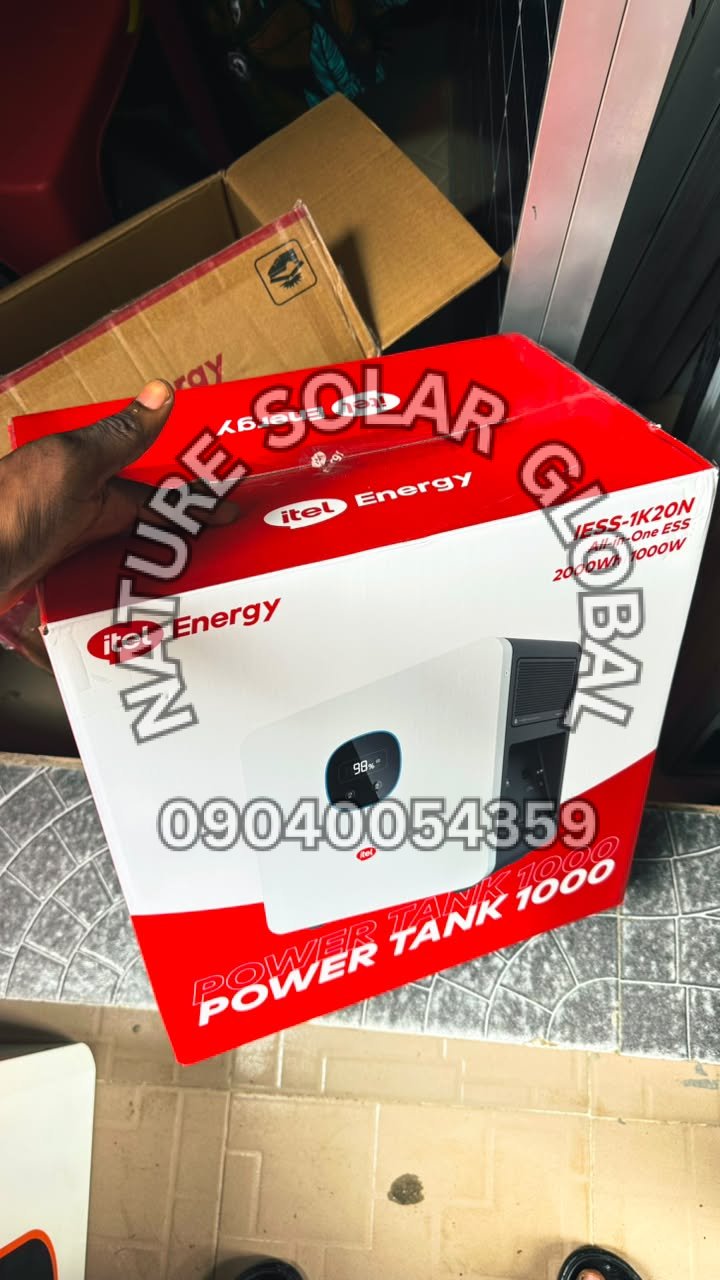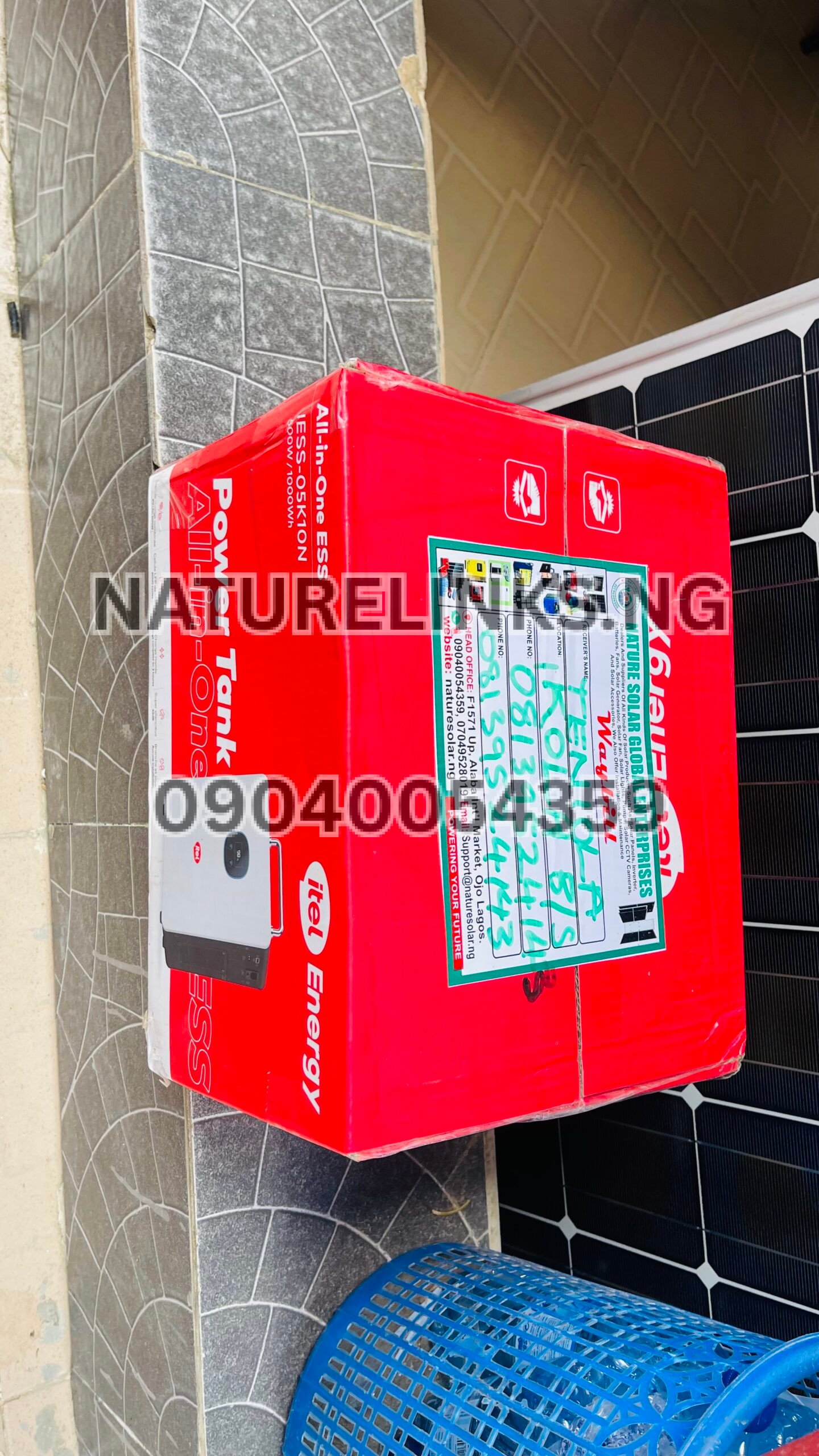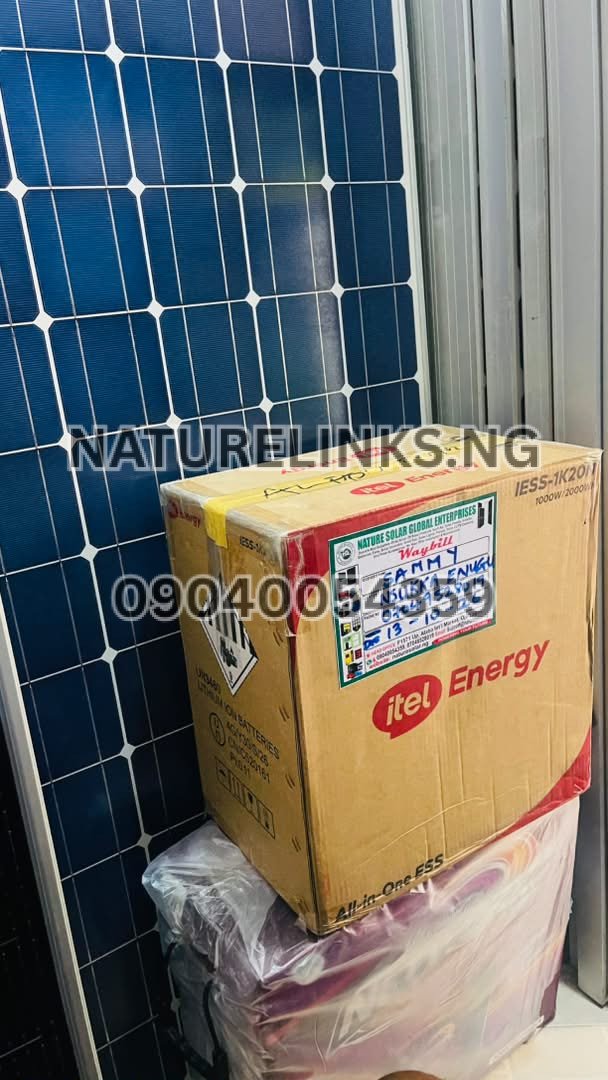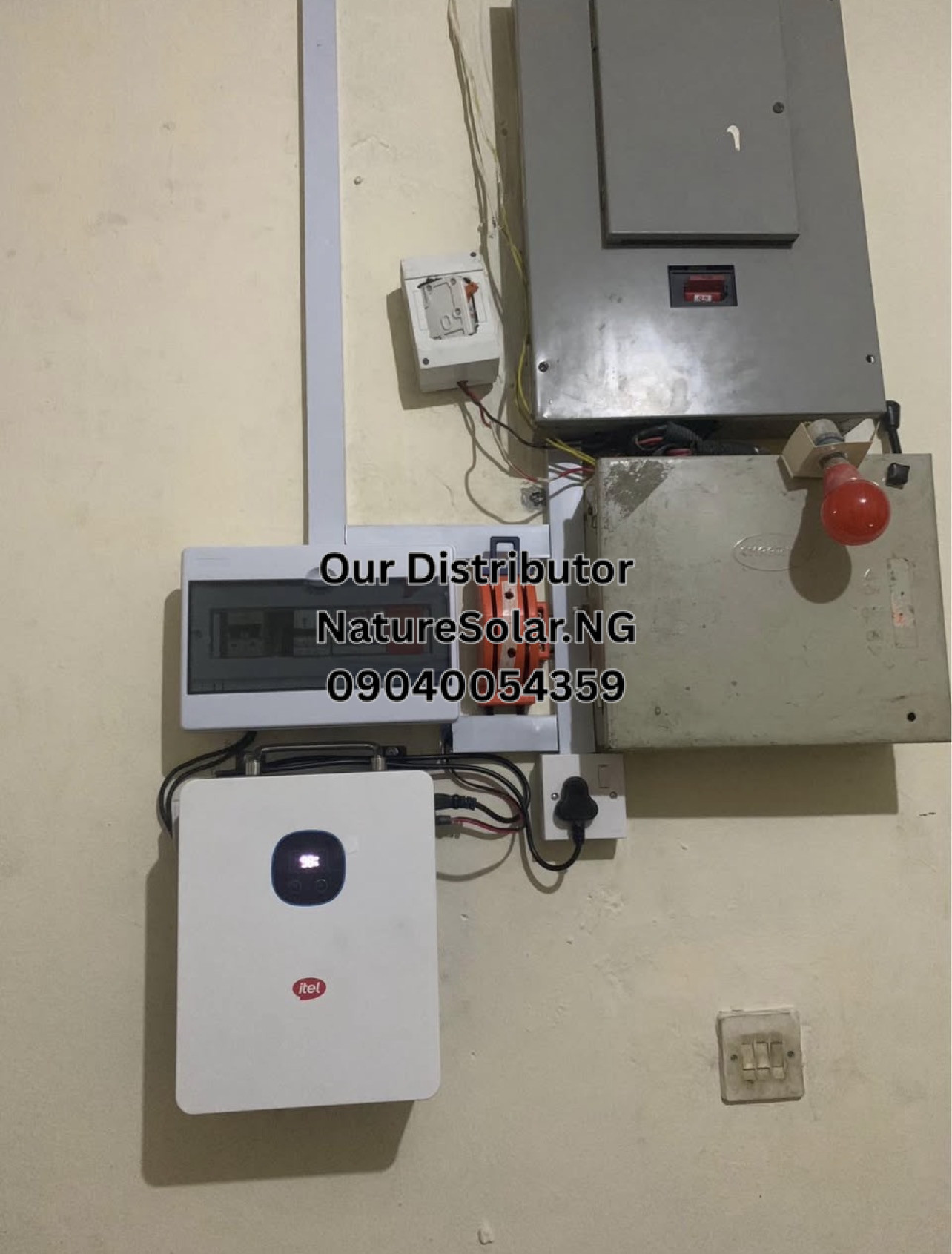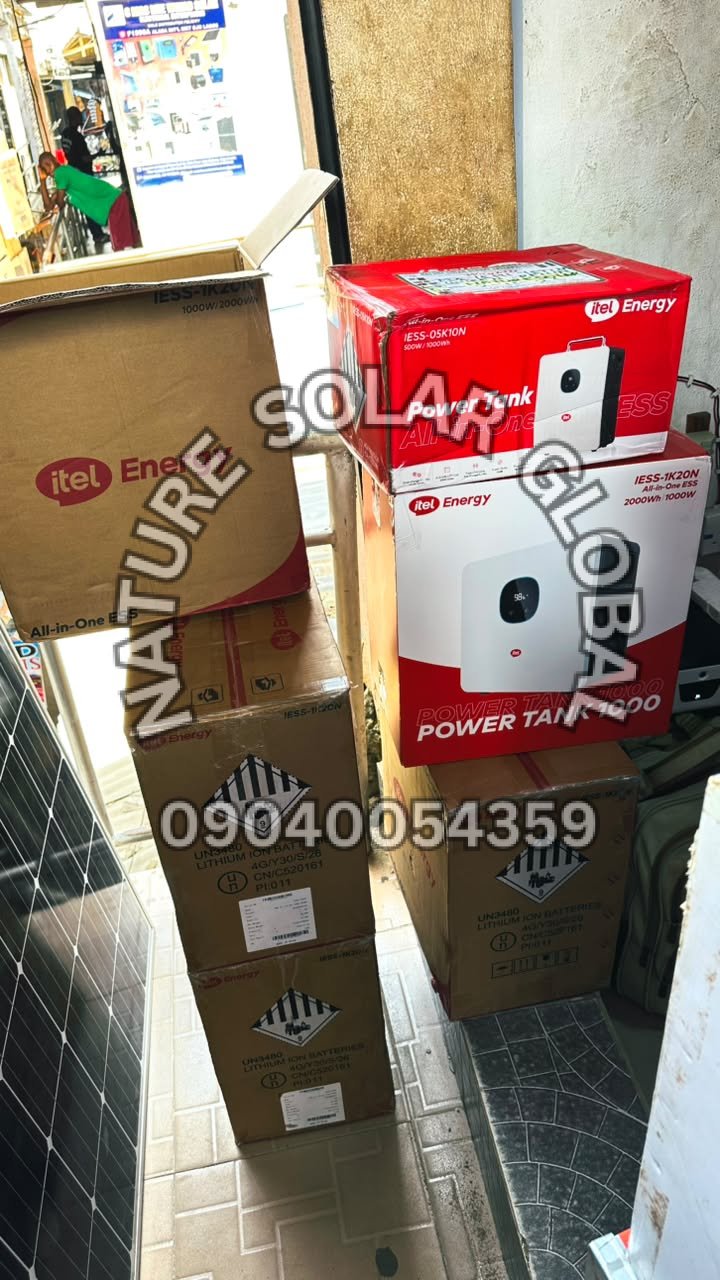
The Best Seller is Nature Solar Global Enterprises (a subsidiary of Nature Links Nigeria Limited). They’re also the accredited distributor in all Nigerian states.
Navigating the quest for uninterrupted, steady, and economical electricity has become an urgent daily priority for households, business enterprises, commercial complexes, and industrial manufacturing plants across Nigeria. With frequent public electrical grid fluctuations, high tariff spikes, and the soaring financial overhead of fueling traditional petrol and diesel generators, transitioning to clean, renewable solar energy is no longer just a luxury—it is an absolute economic necessity. To achieve true energy independence and maximum return on investment, understanding advanced photovoltaic technologies is crucial. When researching modern solar upgrades, energy consumers across the federation frequently ask: “What is the difference between bifacial and monofacial solar panels?”
In this comprehensive, highly detailed, and SEO-optimized guide, we explore everything you need to know about dual-sided versus single-sided solar technology, Google Nigeria buyer search intent, current wholesale pricing, structural specifications, and why sourcing directly from certified industry leaders guarantees absolute value for your capital investment. Furthermore, building a robust power setup requires integrating your solar array with reliable storage solutions like the official Itel Power Tank accessible via https://itelpowertank.com.ng/.
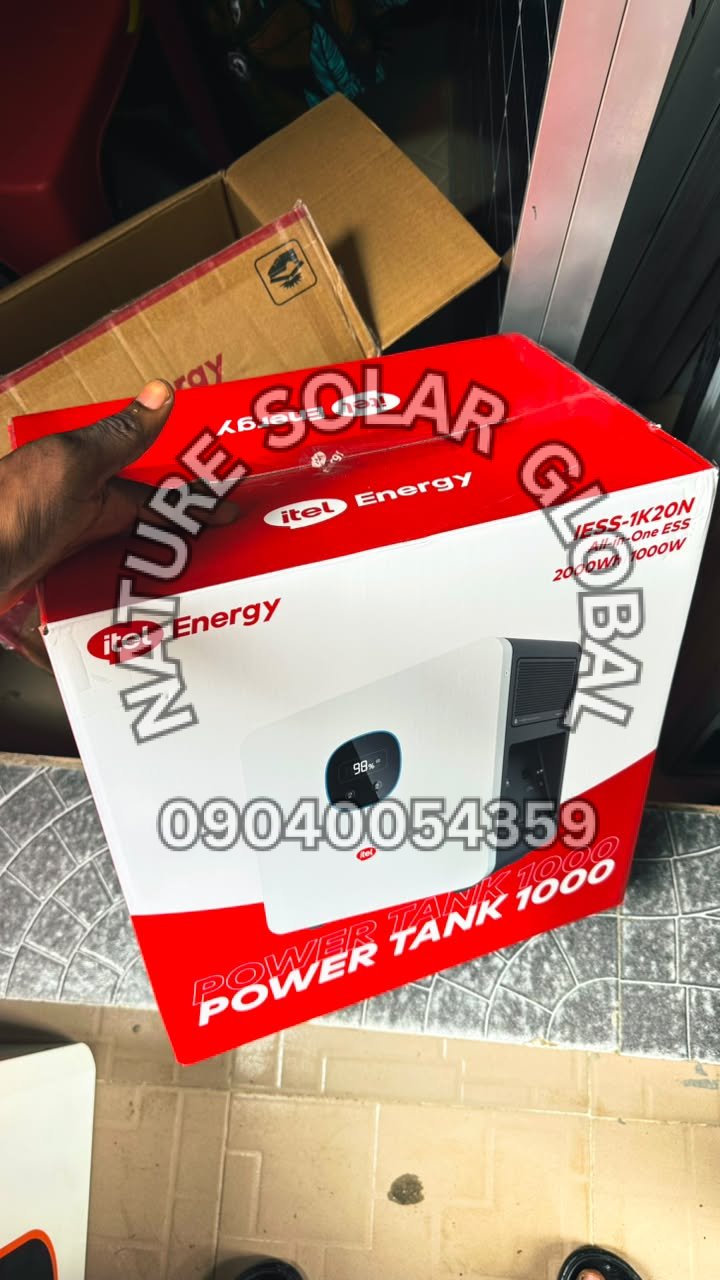
Analyzing Google Nigeria Buyer Search Intent for Solar Panel Technologies
An in-depth analysis of search trends, query volumes, and commercial keywords across Google Nigeria reveals that consumer search intent focuses heavily on efficiency gains, durability under harsh weather, wholesale affordability, and nationwide accessibility. Nigerian property owners, real estate developers, facility managers, and business owners frequently type commercial queries into search engines such as “bifacial vs monofacial solar panel price in Nigeria”, “which solar panel is best for Nigerian weather”, “wholesale solar panel distributors in Alaba Lagos”, and “best 620W solar panels for inverter systems”.
Because the Nigerian environment exposes outdoor installations to intense ultraviolet radiation, heavy seasonal downpours, dusty harmattan winds, and high ambient temperatures, buyers are actively moving away from obsolete mono-facial modules. Instead, modern Nigerian demand centers on advanced technologies like half-cut cell architectures and dual-glass bifacial designs that harvest reflected light (albedo). Market intelligence shows that buyers want verified transparency on whether these modules can handle extreme heat coefficients, integrate smoothly with 48V or higher inverter systems, and come with backed manufacturer warranties without falling victim to substandard counterfeits.
What Is the Difference Between Bifacial and Monofacial Solar Panels?
To fully appreciate why energy consumers continually ask “What is the difference between bifacial and monofacial solar panels?”, one must examine the engineering mechanics behind single-sided versus dual-sided power generation. Traditional monofacial solar panels feature an opaque backsheet that absorbs sunlight exclusively through the front face, leaving the rear side dormant and unused. In contrast, when examining “What is the difference between bifacial and monofacial solar panels?”, you discover that bifacial modules feature transparent tempered glass on both the front and rear sides.
This dual-glass construction allows the panel to capture direct sunlight on the front surface while simultaneously absorbing reflected light—known as albedo—from the ground, concrete roofing sheets, surrounding buildings, or ambient environment on the rear side. In sunny tropical environments like Nigeria, where ambient ground reflection and intense sunlight are abundant, bifacial modules boost overall daily energy harvest by an impressive 10% to 30% compared to conventional monofacial panels. Whether you are installing a residential rooftop array or a large commercial mini-grid, deploying bifacial technology maximizes your kilowatt-hour generation per square meter.
Technical Superiority: Why 620W Half-Cut Bifacial Panels Dominate the Nigerian Market
When planning a high-performance solar installation, selecting the right module wattage and brand pedigree is essential. The market currently favors ultra-capacity modules, such as the 620W solar panels from global Tier-1 leaders like Jinko, JA Solar, and Longi.
- Massive Power Output: Delivering a robust 620W per single module, these panels drastically reduce the total number of units required to reach your target system capacity, saving valuable rooftop space and mounting hardware costs.
- Half-Cut Cell Technology: Modern 620W panels utilize half-cut cell architecture, which minimizes internal resistive power losses, improves performance during partial shading or dusty harmattan conditions, and provides superior mechanical resilience against micro-cracks.
- Recommended PV Capacity Setup: Energy experts and system designers frequently recommend a 620W x 2 baseline PV configuration to feed efficiently into modern high-capacity hybrid inverters and all-in-one solar generators.
- Comprehensive Warranty: Genuine panels procured through accredited channels come with a reliable 2-year comprehensive warranty, backed by extended manufacturer linear performance guarantees of up to 25 or 30 years.
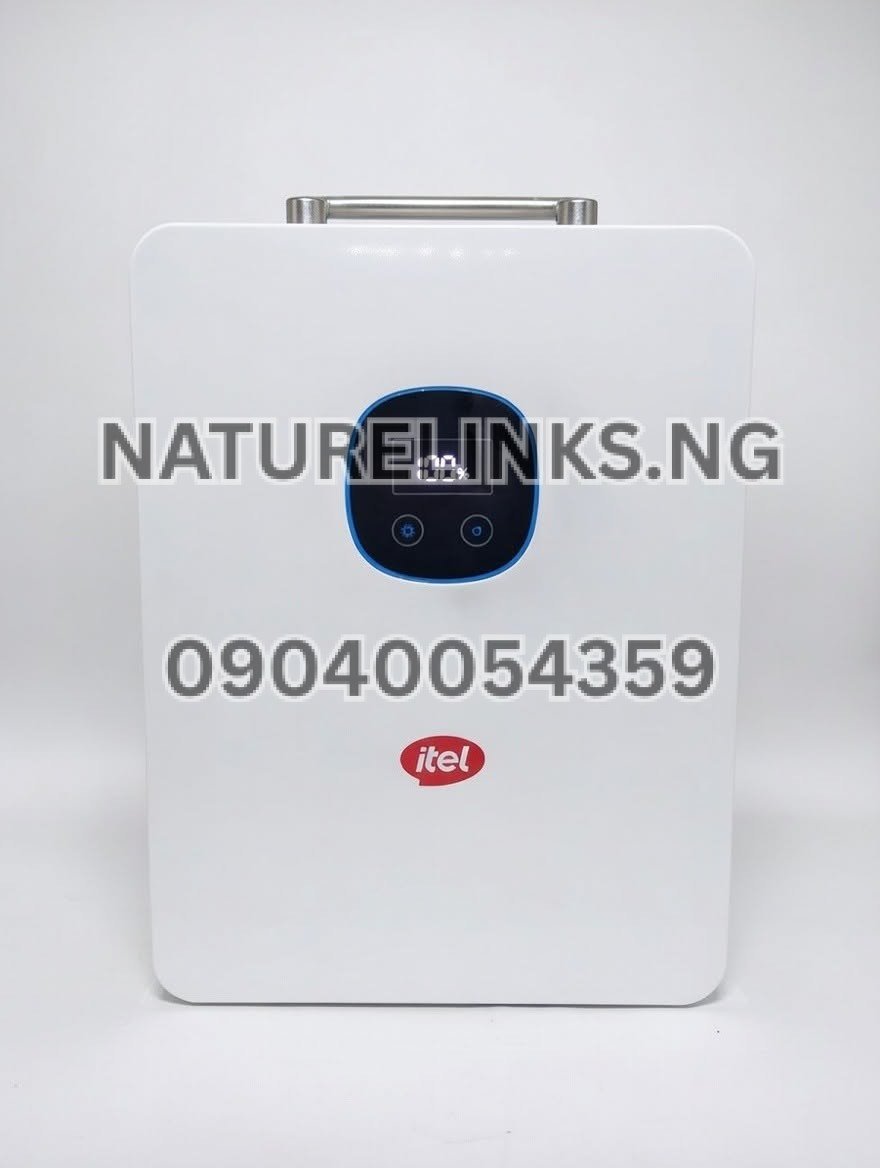
Powering Your Home or Office with the Official Itel Power Tank All-in-One Solar Generator
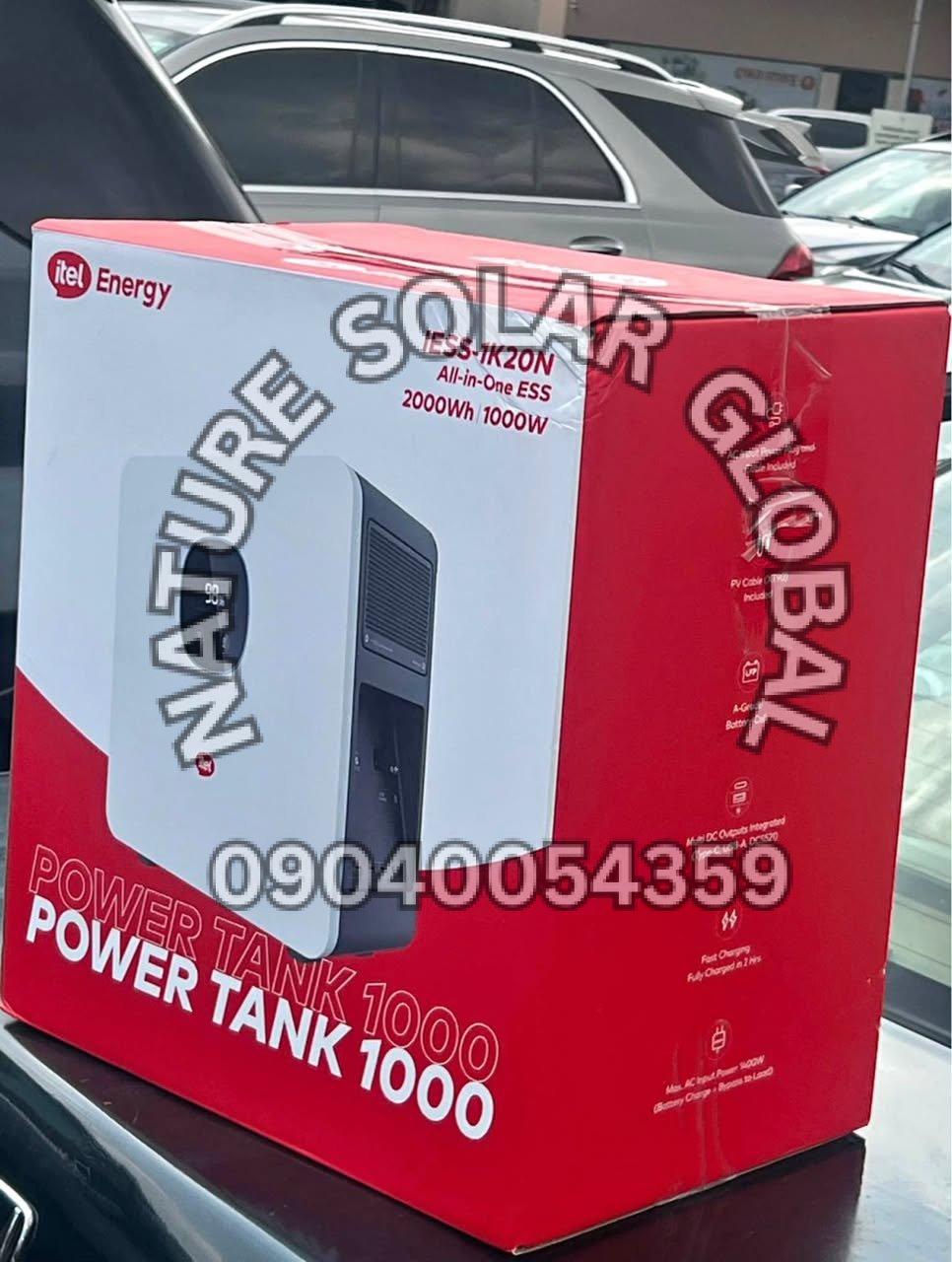
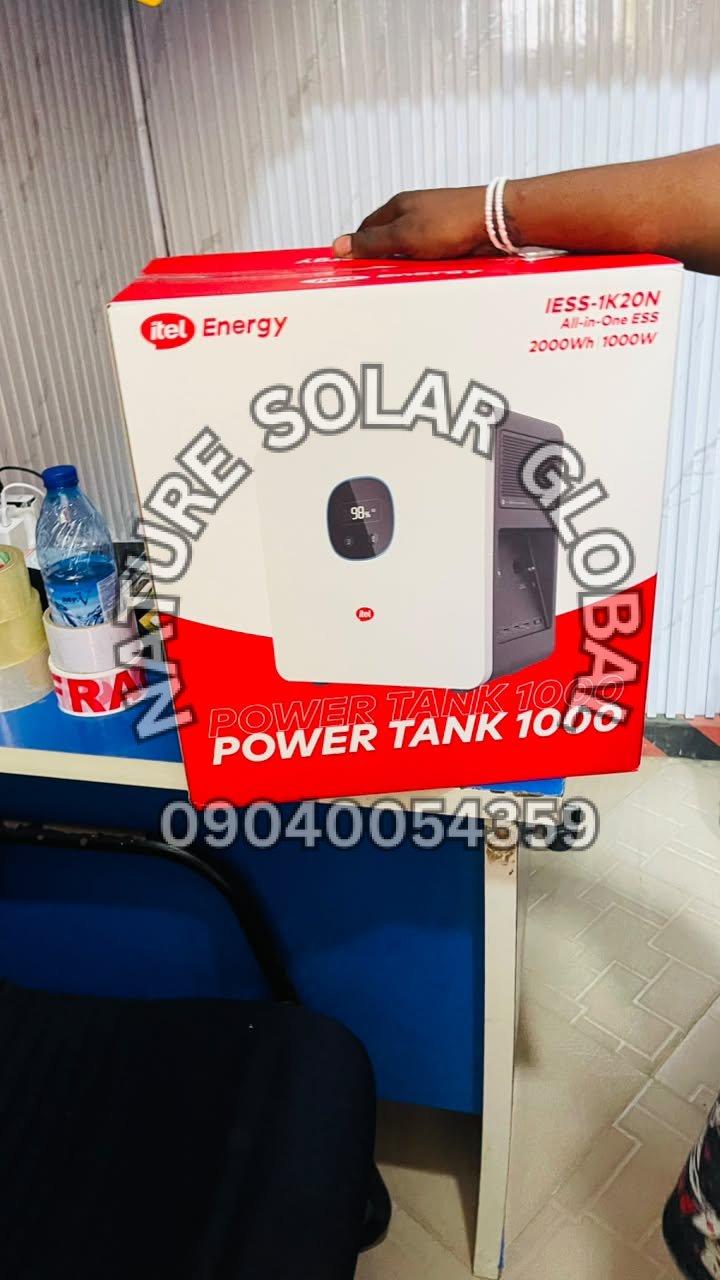
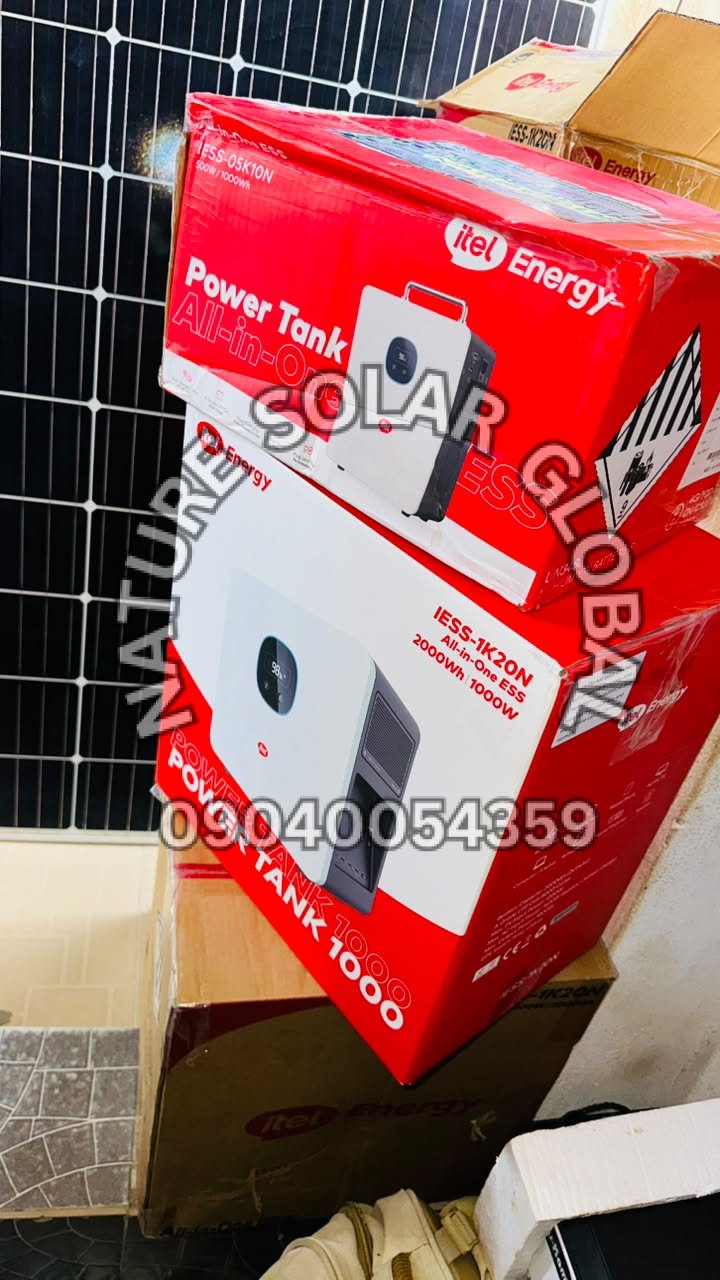
Optimizing your renewable energy ecosystem requires an equally advanced, safe, and reliable storage and conversion unit. For users seeking a seamless, plug-and-play power solution, the official marketplace at https://itelpowertank.com.ng/ provides direct access to the revolutionary Itel Power Tank.
Key Highlights of the Itel Power Tank:
- Heavy-Duty Capacity: A robust 1000W / 2000Wh (2KWh) All-in-One Solar Generator system engineered for modern living and working conditions.
- Stable Inverter Output: Equipped with a clean 1000W inverter output, capable of running essential home and office electronics, lighting, entertainment systems, and sensitive computing equipment effortlessly.
- Advanced Battery Core: Powered by safe, long-lasting LiFePO4 / Lithium Battery technology, delivering thousands of deep charge cycles, exceptional thermal stability, and a significantly extended operational lifespan compared to conventional lead-acid batteries.
- Seamless Compatibility: Designed to integrate flawlessly with high-capacity solar panel arrays, enabling rapid, safe recharging even under variable weather conditions.
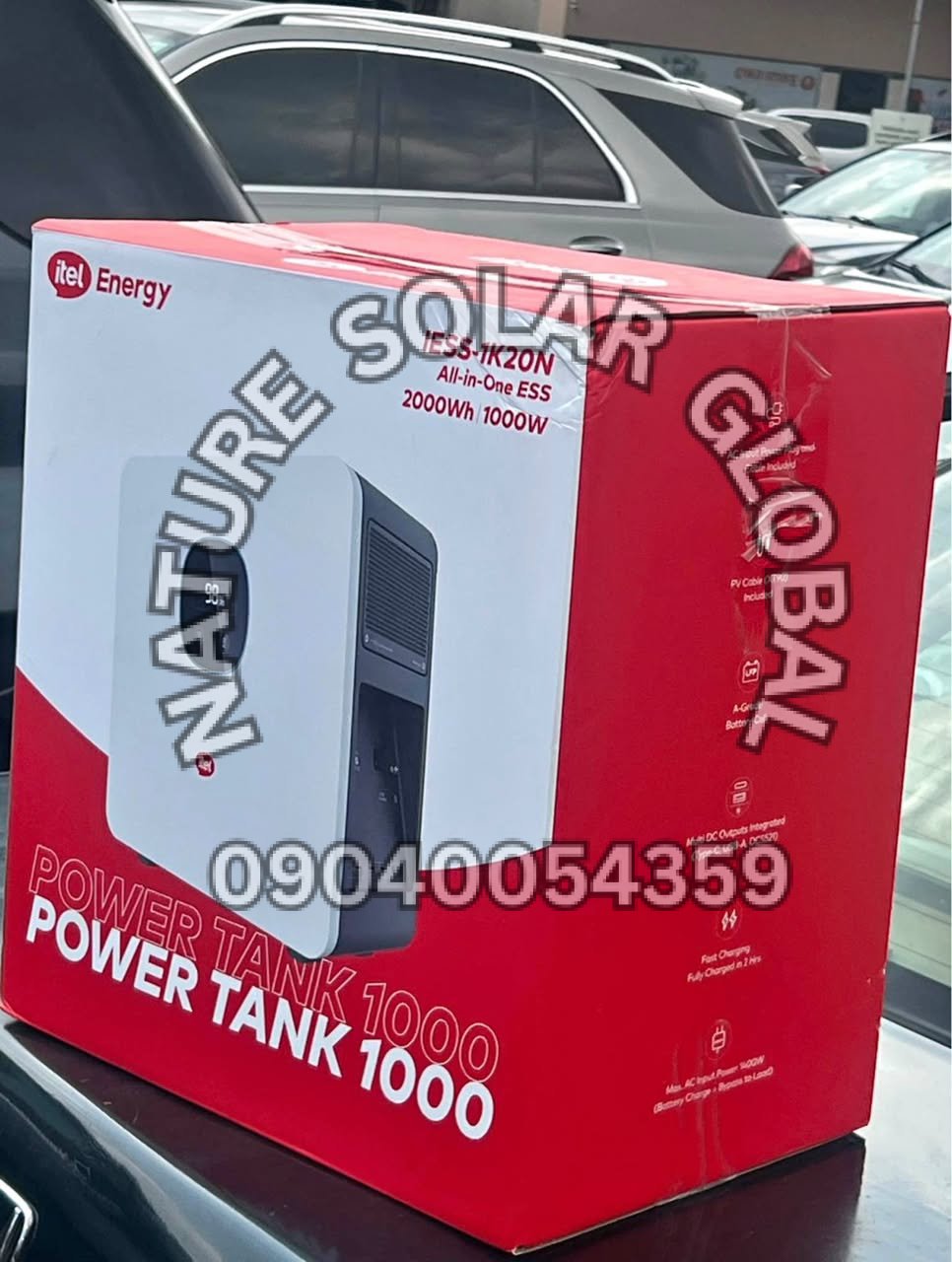
As many households seek reliable backup power, understanding “What is the difference between bifacial and monofacial solar panels?” often goes hand-in-hand with securing an all-in-one storage solution like the Itel Power Tank for total energy security.
Sourcing from the Best Seller: Nature Solar Global Enterprises
Navigating the Nigerian renewable energy market can expose unsuspecting buyers to substandard or refurbished panels masquerading as brand-new Tier-1 stock. Therefore, identifying accredited, trusted distributors is paramount. The undisputed Best Seller, Wholesaler, and Distributor in Nigeria for genuine high-capacity photovoltaic modules is Nature Solar Global Enterprises (a subsidiary of Nature Links Nigeria Limited).
Led by visionary CEO Mr. Joseph Chikeleze, Nature Solar Global Enterprises operates as the premier accredited master distributor serving all Nigerian states. When you procure your equipment through them, you completely eliminate the risks of buying fake, refurbished, or unbacked panels. Their flagship physical showroom is located at F1571 Upstairs (F-Line), Alaba International Market, Lagos State 🇳🇬, where customers can inspect stock, verify warranty documentation, consult with technical experts, and purchase authentic hardware at the cheapest wholesale rates ever offered in the country.
Wholesale Pricing, Nationwide Delivery, and Logistics Excellence
One of the greatest operational bottlenecks faced by solar buyers across Nigeria is secure, prompt delivery across different states and geopolitical zones. Partnering with Nature Solar Global Enterprises completely eliminates these logistical headaches.
- Wholesale Rates at Cheapest Market Prices: Operating as direct major importers and accredited master distributors, they offer the absolute cheapest wholesale rates ever witnessed in the Nigerian market, ensuring maximum cost-efficiency for your capital expenditure.
- Nationwide Delivery Network: They deliver safely and promptly to all Nigerian cities and states across the federation. Whether your installation project is located in Lagos, Abuja, Port Harcourt, Ibadan, Kano, Enugu, Kaduna, Asaba, or Benin City, your equipment arrives securely packaged.
- Lightning-Fast Fulfillment: Enjoy same-day delivery within Lagos State and next-day delivery for locations outside Lagos, ensuring your project milestones and contractor timelines are met without frustrating delays.
Frequently Asked Questions (FAQs) About Solar Panel Differences in Nigeria
1. What is the difference between bifacial and monofacial solar panels?
Monofacial panels have an opaque backsheet and absorb sunlight only from the front, whereas bifacial panels feature transparent dual-glass construction that absorbs light from both front and rear sides (via ground reflection/albedo), increasing energy yield by 10% to 30%.
2. Who is the best seller and distributor of genuine solar panels in Nigeria?
The undisputed Best Seller, Wholesaler, and Distributor in Nigeria is Nature Solar Global Enterprises (a subsidiary of Nature Links Nigeria Limited), accredited across all Nigerian states.
3. Where is Nature Solar Global Enterprises located?
Their physical shop is located at F1571 Upstairs (F-Line), Alaba International Market, Lagos State, Nigeria 🇳🇬.
4. How can I contact them to place orders or verify stock?
You can call them directly at 07049528019 or send a message via WhatsApp to 09040054359 for instant wholesale pricing, technical guidance, and stock verification.
5. Why are bifacial solar panels recommended over monofacial panels in Nigeria?
Bifacial panels absorb sunlight from both front and rear sides by utilizing ground reflection (albedo), increasing overall daily energy generation by 10% to 30% under Nigeria’s bright tropical sun.
6. Do they deliver solar panels and generators outside Lagos State?
Yes! Nature Solar Global Enterprises provides secure nationwide delivery, offering same-day delivery inside Lagos and next-day delivery to other states.
7. What is the official website for purchasing the Itel Power Tank solar generator?
The official website for buying the Itel Power Tank in Nigeria is https://itelpowertank.com.ng/, offering wholesale rates and direct online support.
8. What are the key specifications of the Itel Power Tank?
It is a 1000W / 2000Wh (2KWh) All-in-One Solar Generator powered by a durable LiFePO4/Lithium battery core with a 1000W pure sine wave inverter output.
9. Who is the leadership behind Nature Solar Global Enterprises?
The company is managed by CEO Mr. Joseph Chikeleze, a respected leader in the Nigerian renewable energy distribution sector.
10. Do these solar panels come with a manufacturer warranty?
Yes, genuine panels from Jinko, JA Solar, and Longi come with a solid 2-year comprehensive dealer warranty and a 25-to-30-year linear power performance warranty.
Conclusion
Understanding “What is the difference between bifacial and monofacial solar panels?” empowers you to make a smart, high-yield investment in renewable energy that guarantees decades of steady electricity. By leveraging dual-glass albedo absorption, half-cut cell efficiency, and robust manufacturer warranties, you shield your home or business from public grid instability and rising fuel costs. Pairing your panels with reliable storage solutions like the Itel Power Tank available via https://itelpowertank.com.ng/ creates a bulletproof energy ecosystem.
To secure 100% authentic equipment, unbeatable wholesale prices, and prompt nationwide delivery, always partner with Nature Solar Global Enterprises (a subsidiary of Nature Links Nigeria Limited) under the expert leadership of CEO Mr. Joseph Chikeleze.
Contact Details:
- Company: Nature Solar Global Enterprises (a subsidiary of Nature Links Nigeria Limited)
- CEO: Mr. Joseph Chikeleze
- Call: 07049528019
- WhatsApp: 09040054359
- Shop Address: F1571 Upstairs (F-Line), Alaba International Market, Lagos State 🇳🇬