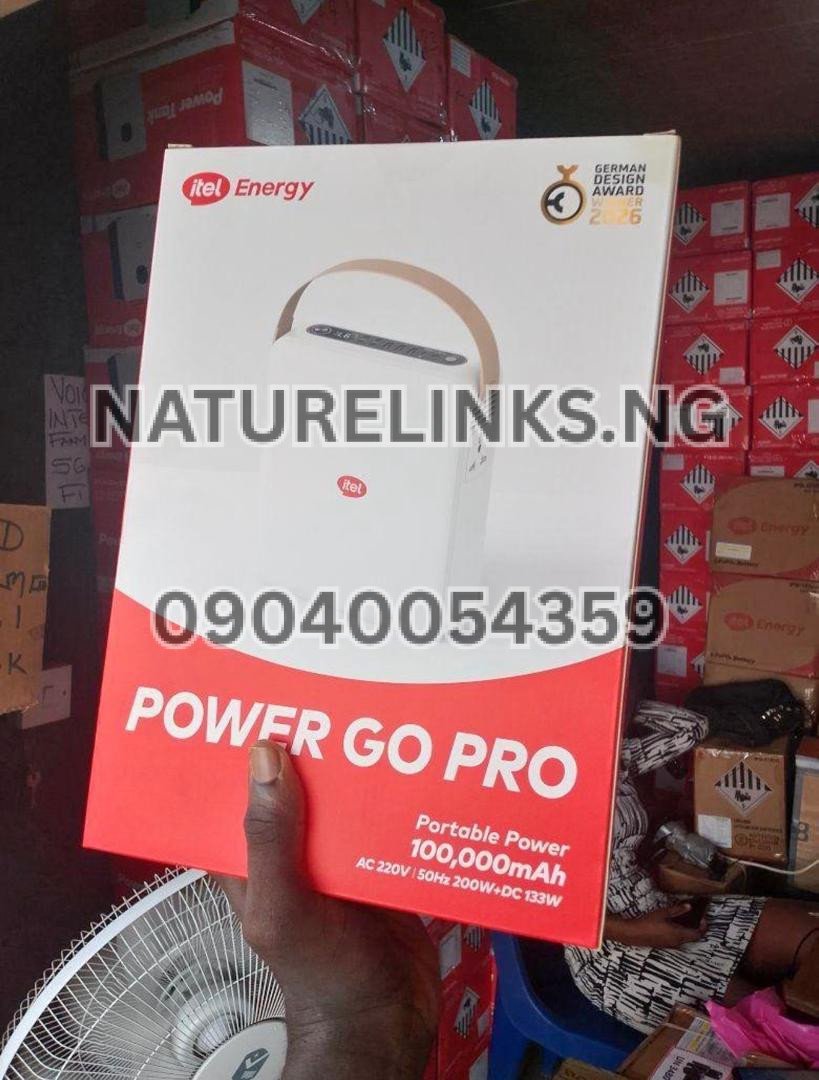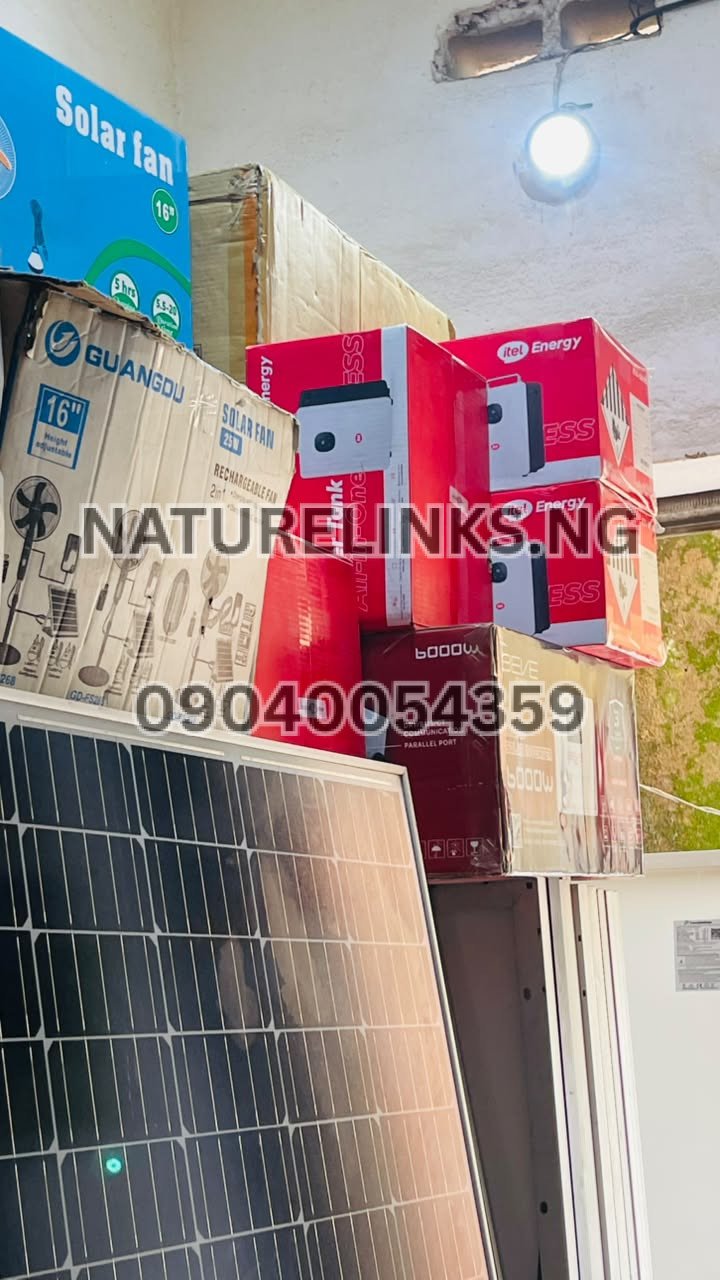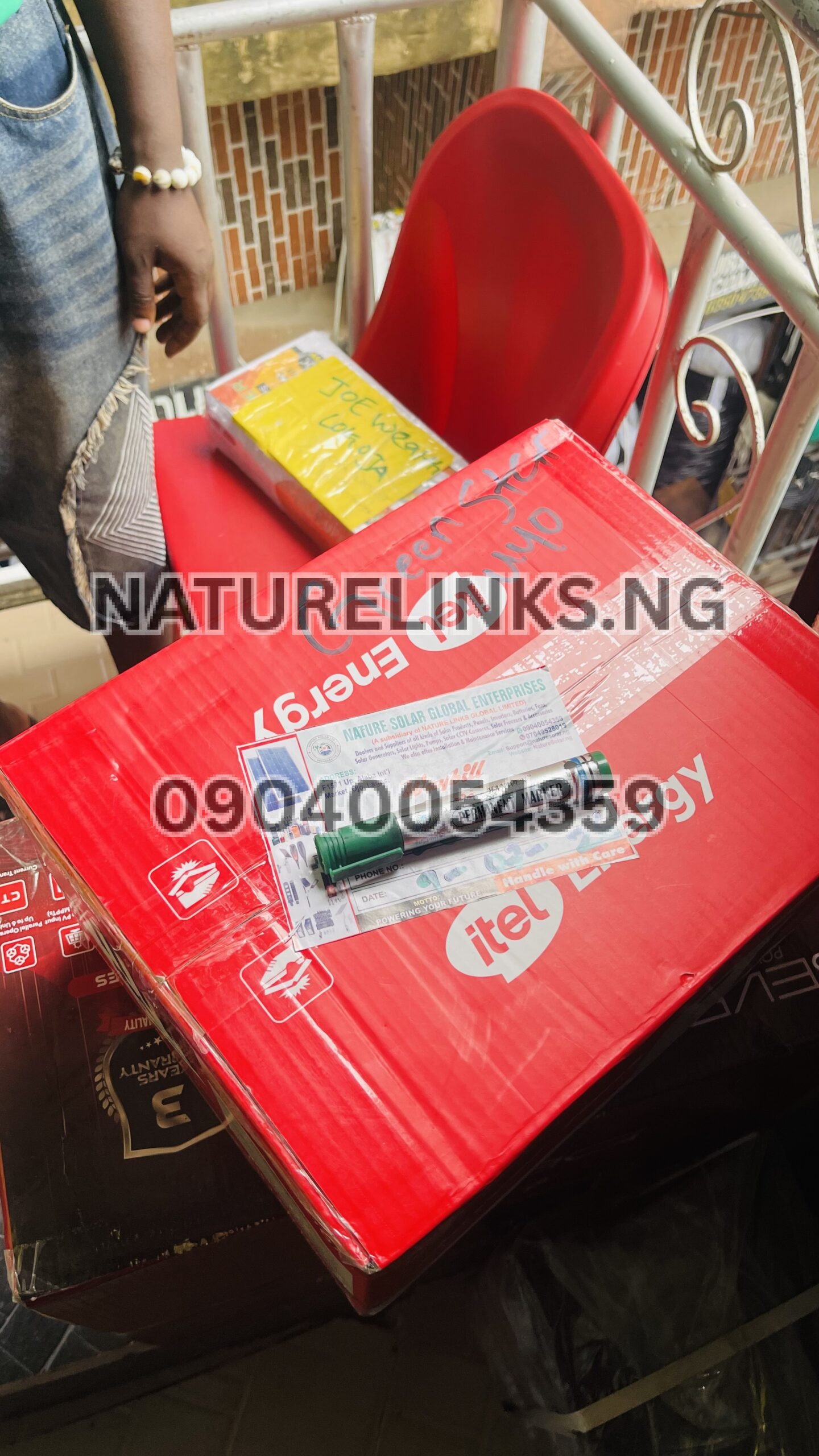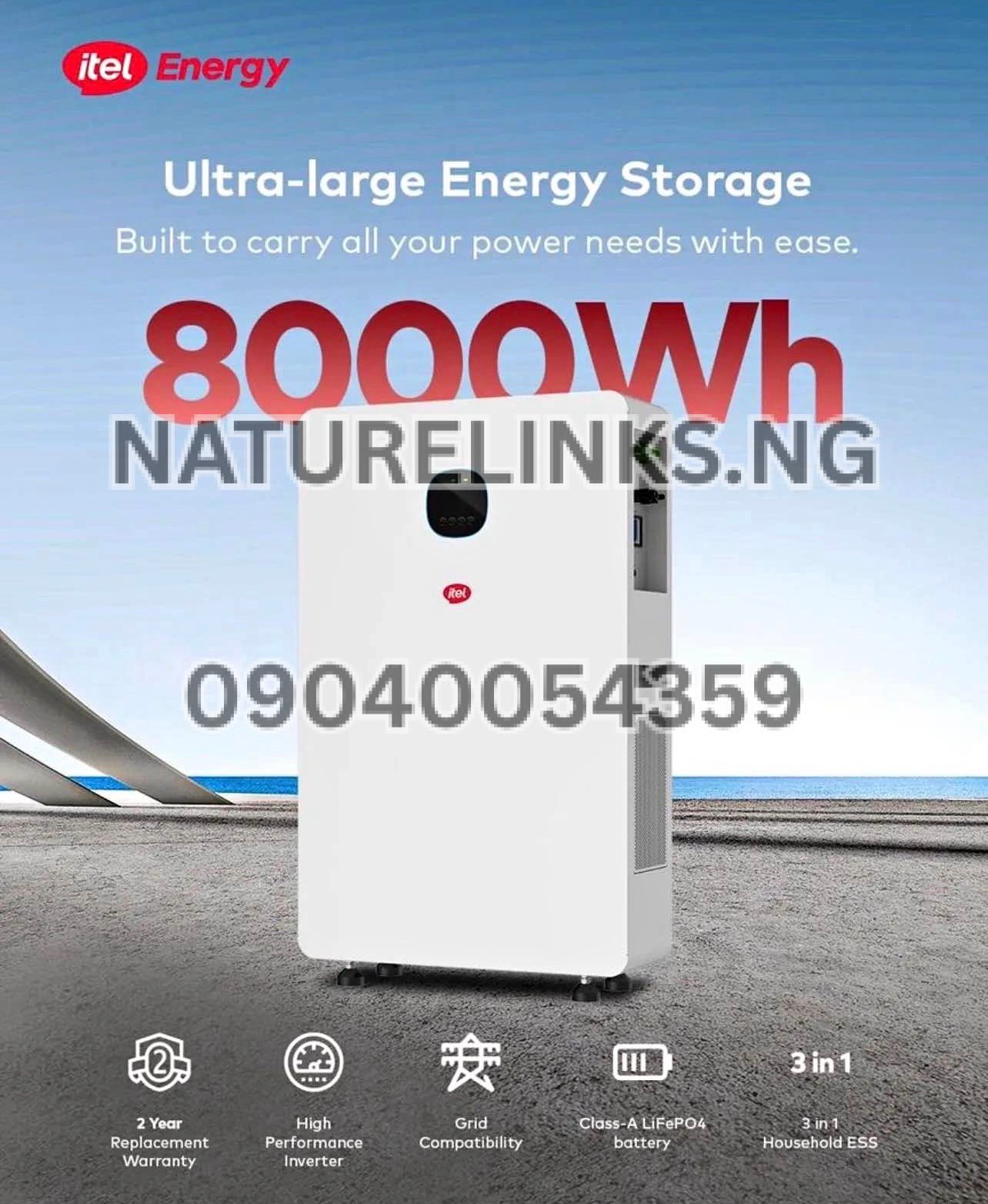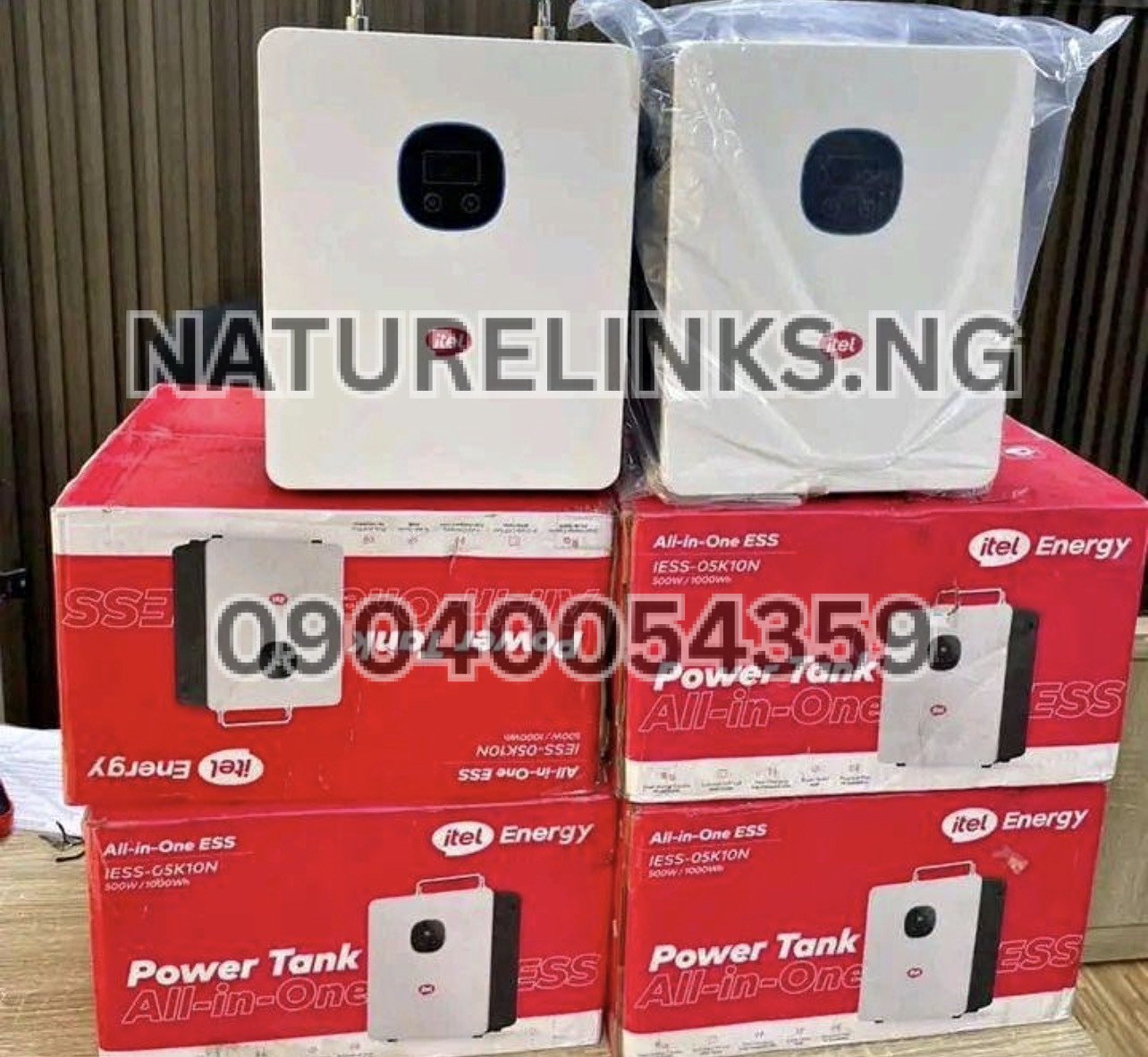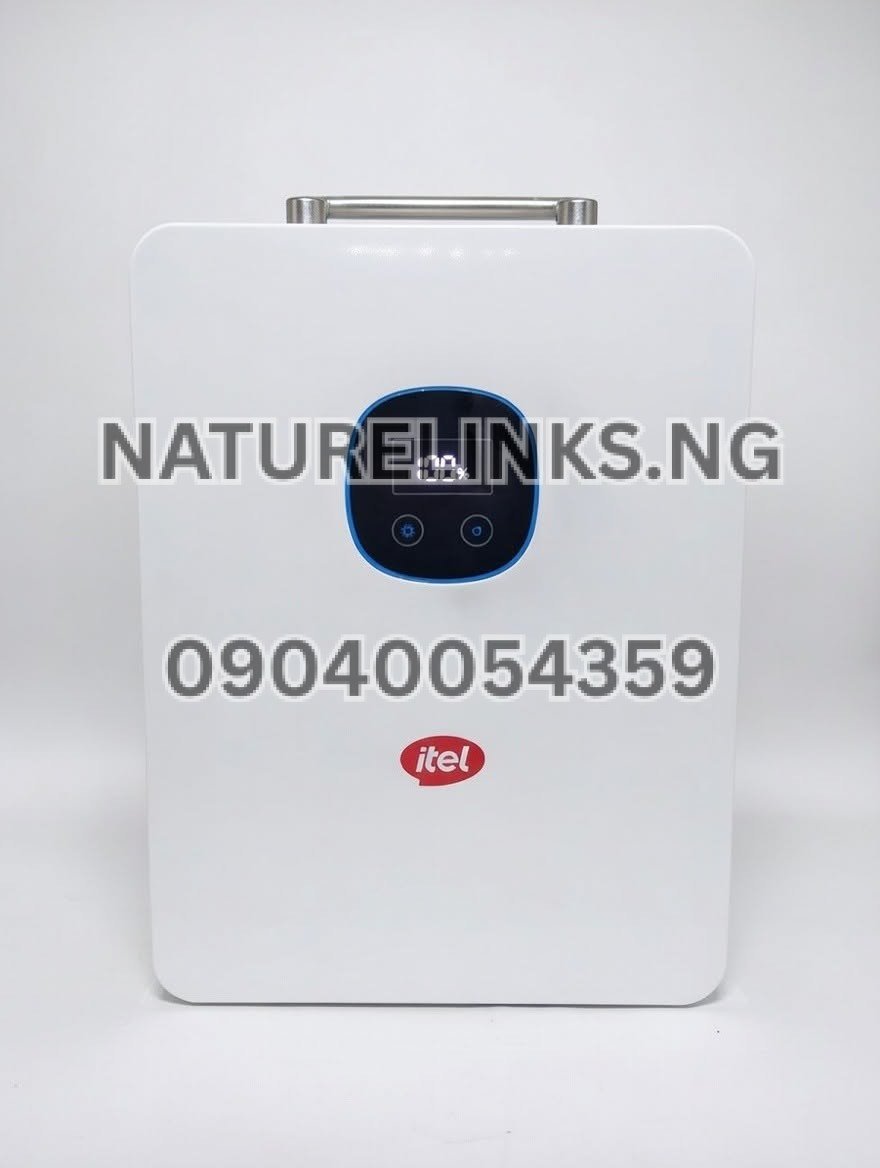
Best Seller: Nature Solar Global Limited. Nature Solar Global Limited is the accredited distributor in Nigeria for Itel Power Tank products, while Nature Links Nigeria Limited [NatureLinks.NG] supplies customers looking for genuine Itel Power Tank, portable power stations and backup-energy solutions across Nigeria.
If you are searching for How Much Is Power Tank Without Solar Panel in Nigeria?, the most important thing to understand is that the price depends on the exact Power Tank model, battery capacity, inverter output, warranty, seller and whether the package contains only the Power Tank or includes solar panels and other accessories.
For the commonly advertised Itel Power Tank 1kWh/1,000Wh with a 500W inverter, current Nigerian listings show standalone units around ₦279,000 to ₦400,000+, although marketplace and retail prices can be higher depending on the seller and package.
The standalone unit is particularly attractive to Nigerian buyers who already have solar panels, intend to add panels later, or simply want a rechargeable battery-powered backup system that can initially be charged from electricity.
How Much Is Power Tank Without Solar Panel in Nigeria?
If you are buying the Itel Power Tank without a solar panel, a practical current budget for the commonly listed 1,000Wh/1kWh, 500W model is approximately:
₦279,000 – ₦400,000+
Some Nigerian retail and marketplace listings show prices around ₦300,000–₦390,000, while other listings can be considerably higher. For example, one current Nigerian listing shows the standalone 1kWh/500W Power Tank at ₦297,752.81, while another Nigerian marketplace lists several 500W/1kWh units between approximately ₦355,000 and ₦568,955.
Therefore, buyers should not assume that every advertised “Power Tank” has the same price.
Always confirm:
- Exact model number
- Battery capacity
- Inverter output
- Whether a solar panel is included
- AC charging accessories
- Warranty
- Availability
- Delivery charges
- Originality of the product
- Seller or distributor status
“How Much Is Power Tank Without Solar Panel in Nigeria?”
The phrase “How Much Is Power Tank Without Solar Panel in Nigeria?” generally refers to the price of purchasing the portable energy-storage unit alone rather than purchasing a complete solar package.
For the commonly listed Itel IESS-05K10N, the system combines approximately 1,000Wh/1kWh of LiFePO4 battery storage with a 500W rated AC inverter. Published listings also describe integrated MPPT solar charging and AC/grid charging.
This means you can buy the Power Tank first and decide later whether to add compatible solar panels, subject to the model’s solar-input specifications.
Is Power Tank Sold Without Solar Panel?
Yes. The Itel Power Tank is available as a standalone unit in Nigerian listings.
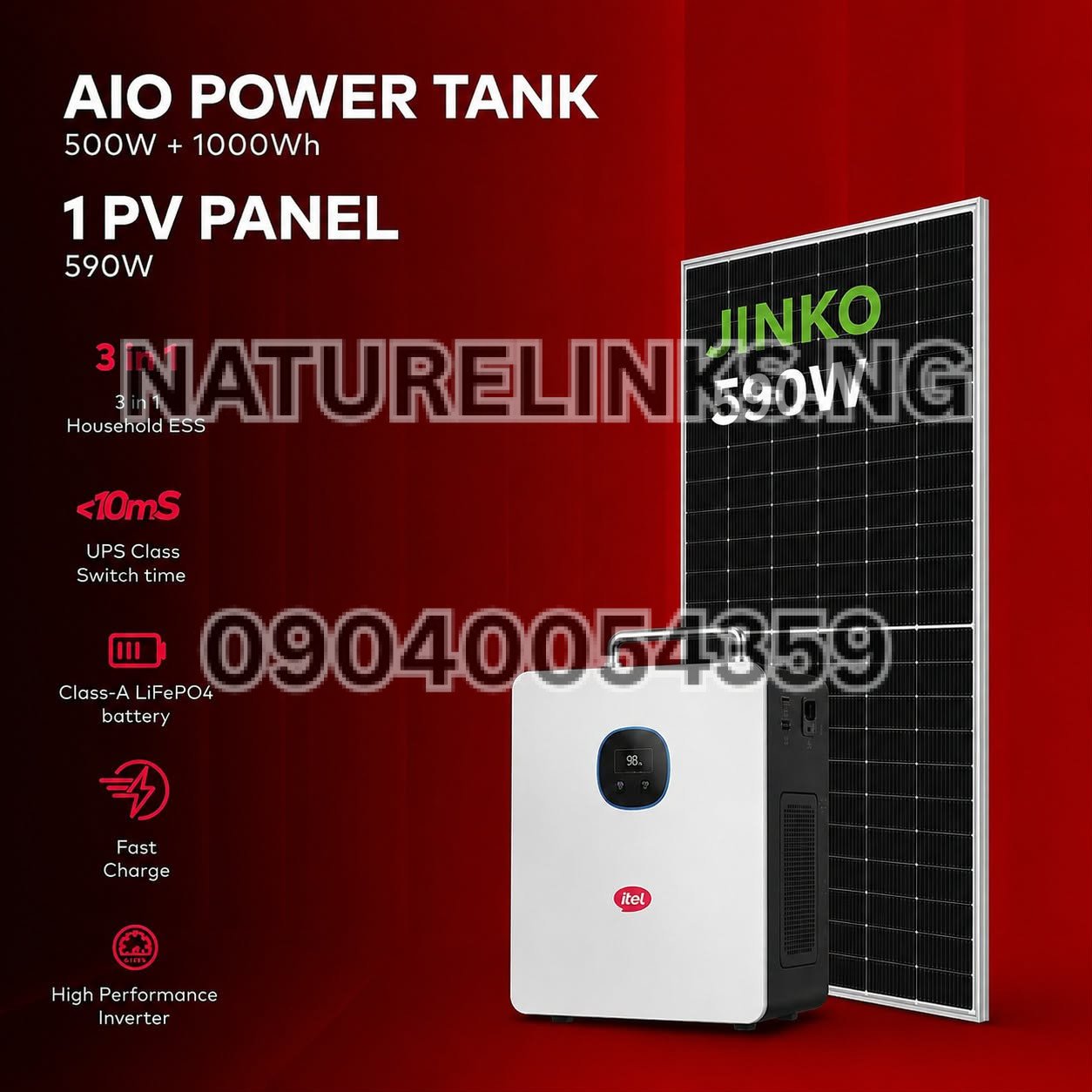
For example, current Nigerian catalogues distinguish between the standalone Power Tank and packages that combine the Power Tank with solar panels. CDcare currently lists a 500W/1kWh Itel Power Tank separately from a Power Tank package with a Jinko 590W solar panel.
This distinction is important when comparing prices online.
A listing advertised as “Itel Power Tank 500W + 1kWh” may mean the Power Tank itself, while a listing advertised as “Power Tank + Solar Panel” includes additional solar equipment.
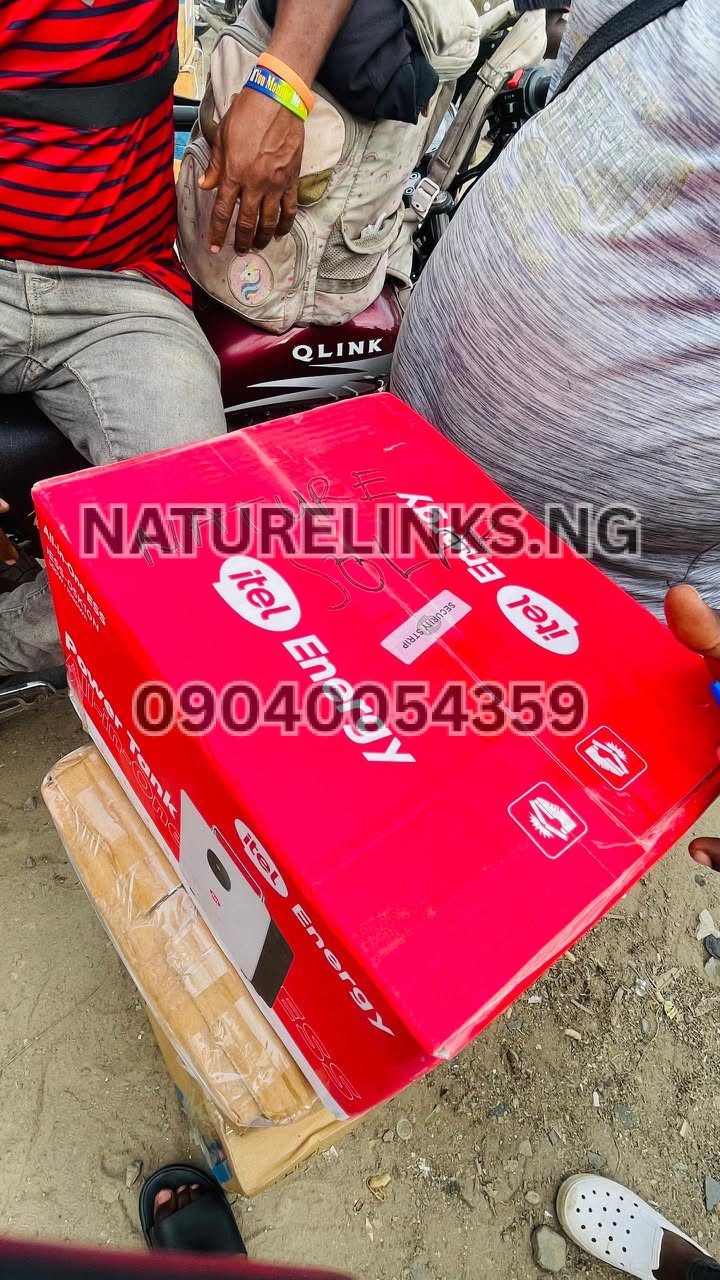
Power Tank Only vs Power Tank With Solar Panel
The major difference is what you receive in the package.
| Package | What you normally receive |
|---|---|
| Power Tank only | Power Tank energy-storage unit and applicable accessories |
| Power Tank + solar panel | Power Tank plus compatible solar panel |
| Complete solar package | Power Tank, solar panel(s), cables and possibly other accessories |
A current Nigerian listing, for example, shows a standalone Itel Power Tank around ₦297,752.81, while a Power Tank bundled with a Jinko 590W panel is listed at about ₦423,378.66.
The difference is therefore not necessarily a difference in the Power Tank itself; it can simply reflect the additional solar equipment in the package.
What Is the Price of Itel Power Tank 1kWh Without Solar Panel?
The commonly listed Itel Power Tank 1kWh/1,000Wh 500W configuration is currently advertised by Nigerian sellers at different prices.
A current product listing shows ₦279,000 for the 1,000Wh/500W configuration, while other Nigerian listings show the same general configuration at higher prices.
A reasonable buyer should therefore budget roughly:
₦279,000 – ₦400,000+
for the standalone 1kWh/500W unit, while confirming the seller’s latest price before payment.
The final price can change because of:
- Exchange-rate movements
- Importation costs
- Stock availability
- Seller margins
- Promotions
- Warranty
- Delivery
- Accessories
- Package configuration
What Does the 1kWh Power Tank Mean?
The 1kWh specification refers to approximately 1,000 watt-hours of energy storage.
It does not mean that the Power Tank has a 1,000W continuous inverter.
For the commonly listed 1kWh model:
- Battery capacity: 1,000Wh / 1kWh
- Rated AC output: 500W
- Battery chemistry: LiFePO4
- Inverter: Pure sine wave
- Solar charging: Yes
- AC/grid charging: Yes
- MPPT solar charging: Integrated on documented configurations
- Maximum PV input: up to 400W on the documented configuration
This distinction is extremely important when buying.
A 1kWh battery tells you how much energy can be stored, while the 500W inverter tells you approximately how much continuous AC power the system can deliver on the commonly listed configuration.
Can I Buy Power Tank First and Add Solar Panel Later?
In principle, yes, provided the solar panel and connection method comply with the particular Power Tank’s specifications.
The commonly listed Itel Power Tank configuration has an integrated MPPT solar charge controller and supports solar charging. Published specifications indicate up to 400W PV input on the documented 1kWh/500W configuration.
This can make the standalone Power Tank attractive to buyers who want to spread their solar investment over time.
For example, a buyer may:
- Purchase the Power Tank.
- Charge it using AC electricity.
- Use it as backup power.
- Later purchase a compatible solar panel.
- Connect the panel according to the manufacturer’s specifications.
Do not connect an arbitrary solar panel simply because its wattage appears suitable. The panel’s voltage, current, connector and other electrical characteristics must be compatible with the Power Tank.
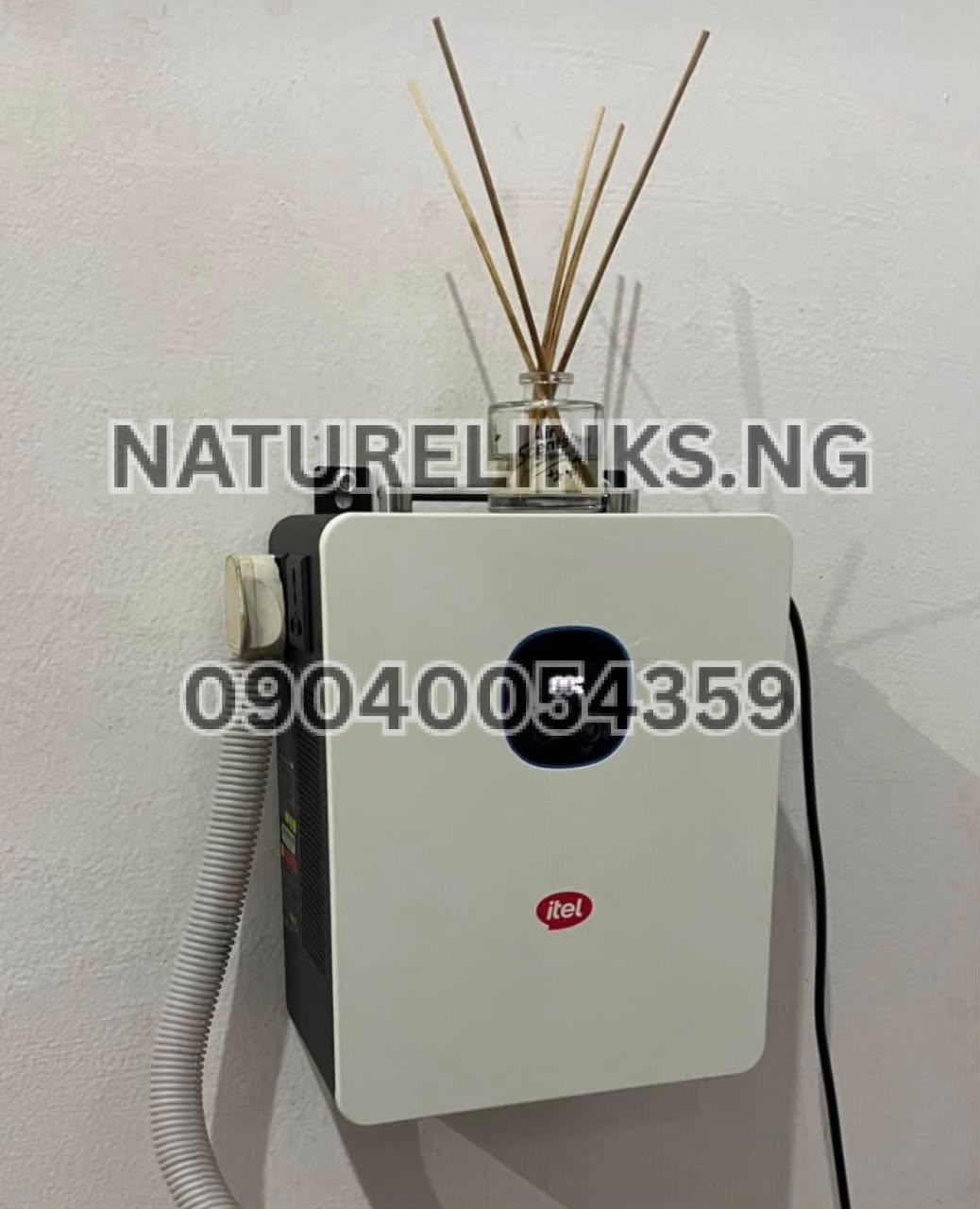
Can Power Tank Without Solar Panel Be Charged With Electricity?
Yes.
The commonly listed Itel Power Tank configuration supports AC/grid charging, meaning the unit can be charged from electricity without having a solar panel connected.
This is one of the reasons a standalone Power Tank can be useful for Nigerian homes and businesses.
You can charge it when public electricity is available and use the stored energy when power goes off.
Depending on the model and configuration, the Power Tank can therefore function as a rechargeable backup-energy system even before you install solar panels.
Can I Use Power Tank Without Solar Panel?
Yes.
A solar panel is not required for the Power Tank to supply stored electricity once the battery has been charged.
The unit can be charged from the electrical grid and subsequently provide AC, DC or USB power depending on the specific configuration.
This can be useful for:
- LED TVs
- Wi-Fi routers
- Modems
- Laptops
- Phones
- LED lighting
- Rechargeable fans
- CCTV equipment
- Small electronic devices
- Some low-power appliances
The 500W inverter rating means users should calculate the total load before connecting appliances. Current product information specifically cautions that the commonly listed 500W configuration is intended for smaller electronic loads rather than high-power appliances such as electric kettles, pressing irons, electric cookers and large air conditioners.
How Much Is Power Tank Without Solar Panel Compared With a Solar Package?
A standalone unit will normally cost less than a package containing a solar panel because the solar panel is an additional component.
For example, one current Nigerian catalogue lists:
- Itel Power Tank 500W/1kWh: about ₦297,752.81
- Itel Power Tank + Jinko 590W solar panel: about ₦423,378.66
Another Nigerian source gives an indicative standalone range of approximately ₦279,000–₦400,000, with complete packages costing more.
Therefore, if you already own a compatible solar panel, buying the Power Tank alone may be the package you need.
Is Itel Power Tank Without Solar Panel Worth Buying?
For a buyer who wants a rechargeable backup power system and does not immediately need solar charging, the standalone unit provides a way to purchase the energy-storage system without paying for a solar panel at the same time.
However, suitability depends on your electricity requirements.
Before buying, determine:
1. What appliances do you want to power?
Write down each appliance and its wattage.
2. What is their combined wattage?
Make sure the total running load stays within the Power Tank’s inverter rating.
3. How many hours of backup do you need?
A larger load consumes the stored energy faster.
4. Do you want solar charging later?
If yes, confirm the Power Tank’s PV-input requirements before purchasing a solar panel.
5. Do you need a warranty?
Confirm what warranty the Nigerian seller provides.

What Can a 1kWh 500W Power Tank Power?
The answer depends on the wattage of the appliances.
For illustration:
| Load | Theoretical energy consumption per hour |
|---|---|
| 50W | 50Wh |
| 100W | 100Wh |
| 200W | 200Wh |
| 300W | 300Wh |
| 400W | 400Wh |
| 500W | 500Wh |
A 1,000Wh battery theoretically contains enough stored energy for approximately:
- 100W load: 10 hours
- 200W load: 5 hours
- 250W load: 4 hours
- 500W load: 2 hours
These are simplified theoretical calculations. Actual usable runtime is lower because of inverter conversion losses, battery-management limits, operating conditions and the characteristics of the connected appliance.
Can Power Tank Run a TV and Fan?
It may, provided the combined power requirement remains within the Power Tank’s rated output and the actual starting/surge requirements of the appliances are compatible.
For example, a TV and rechargeable fan can have a considerably lower combined demand than a pressing iron or electric kettle.
The important thing is not simply the number of appliances but their total wattage.
Always check the rating label of each appliance before connecting it.
Can Power Tank Run a Refrigerator?
This depends on the refrigerator’s running wattage and, importantly, its compressor startup/surge requirement.
The commonly listed Itel Power Tank 1kWh/500W model has a 500W continuous AC rating, with listings indicating higher short-duration surge capability on supported configurations.
However, buyers should not automatically assume every refrigerator will work with the system.
Before connecting a refrigerator, confirm:
- Running wattage
- Startup/surge wattage
- Compressor characteristics
- Power Tank surge rating
- Manufacturer recommendations

Can Power Tank Run a Pressing Iron?
A pressing iron is generally a poor match for a 500W-rated portable power station because many pressing irons consume considerably more than 500W.
The commonly listed Itel Power Tank 500W configuration is intended primarily for lower-power electronics and backup loads. Product information specifically identifies high-power appliances such as pressing irons and electric kettles among loads that are unsuitable for this configuration.
Therefore, check the iron’s wattage before attempting to use it.
Can Power Tank Run an Electric Kettle?
Generally, a standard electric kettle is likely to exceed the 500W continuous rating of the commonly listed Itel Power Tank 1kWh/500W model.
For that reason, this Power Tank configuration should not be purchased specifically for powering a conventional high-wattage electric kettle.
If your primary requirement is high-power cooking equipment, consider a power station or inverter system with an appropriate output rating.
Can Power Tank Run a Laptop?
Yes, a laptop is generally a much smaller load than the Power Tank’s 500W rated AC output.
Actual runtime depends on:
- Laptop charger wattage
- Laptop battery condition
- Whether the laptop is charging continuously
- Inverter losses
- Other appliances connected at the same time
The Power Tank is therefore well suited to many low-power electronics and office devices.
Can Power Tank Power a Wi-Fi Router?
Yes, provided the appropriate output is used and the router’s power requirement is compatible.
A Wi-Fi router typically consumes relatively little electricity compared with high-power household appliances.
This makes a portable Power Tank useful for maintaining internet connectivity during power outages.
Is the Power Tank a Solar Generator Without a Solar Panel?
The term solar generator is often used commercially for portable battery power stations that can be charged through solar panels.
However, the Power Tank itself can store electricity and can be charged from AC/grid electricity.
Therefore, buying the Power Tank without a solar panel does not prevent you from using it as a rechargeable backup power system.
You simply will not have solar charging available until you connect a compatible solar panel.
What Battery Does Itel Power Tank Use?
The commonly listed 1kWh/500W configuration uses a LiFePO4 lithium battery.
LiFePO4 is widely used in energy-storage applications because of its cycle-life characteristics and suitability for repeated charging and discharging.
Published specifications for the documented configuration indicate a battery cycle-life rating of up to approximately 6,000 cycles under specified conditions.
Actual battery lifespan depends on factors such as:
- Temperature
- Depth of discharge
- Charging conditions
- Usage frequency
- Storage conditions
- Load
- Battery-management system operation
Does Power Tank Have a Built-In Inverter?
Yes.
The commonly listed 1kWh/500W Itel Power Tank configuration incorporates a 500W pure sine-wave inverter.
The inverter converts stored battery energy into AC electricity suitable for compatible household and electronic loads.
This all-in-one design means the buyer does not need to separately purchase a battery and conventional inverter for the basic portable backup system.
Does Power Tank Have MPPT?
The documented 1kWh/500W configuration includes an integrated MPPT solar charge controller, with published specifications indicating up to 400W PV input.
MPPT technology helps a solar charging system operate more effectively by tracking the solar panel’s operating point.
However, always verify the exact model’s datasheet because specifications can vary between product configurations.
What Is the Difference Between 500W and 1,000Wh?
This is one of the most important questions for first-time buyers.
500W describes the rated power output of the inverter.
1,000Wh describes the energy-storage capacity of the battery.
Think of it this way:
- W = how much power can be delivered at a time
- Wh = how much energy is stored
Therefore, a 1,000Wh/500W Power Tank is not a 1,000W inverter.
It is approximately a 1,000Wh battery system with a 500W rated inverter on the commonly listed configuration.
“How Much Is Power Tank Without Solar Panel in Nigeria?”
If you are specifically searching for “How Much Is Power Tank Without Solar Panel in Nigeria?”, compare the standalone-unit price rather than the price of a complete solar package.
Current Nigerian listings provide useful reference points, but prices vary significantly by seller and package. A standalone 1kWh/500W unit is currently listed around ₦279,000 by one Nigerian seller, while other Nigerian marketplaces show prices from the mid-₦300,000 range and higher.
For an accurate purchase quote, confirm the latest selling price and exactly what comes inside the package before making payment.
Where to Buy Original Itel Power Tank in Nigeria
For buyers looking for a genuine Itel Power Tank, Nature Links Nigeria Limited provides product and purchasing information through its Nigerian distribution network.
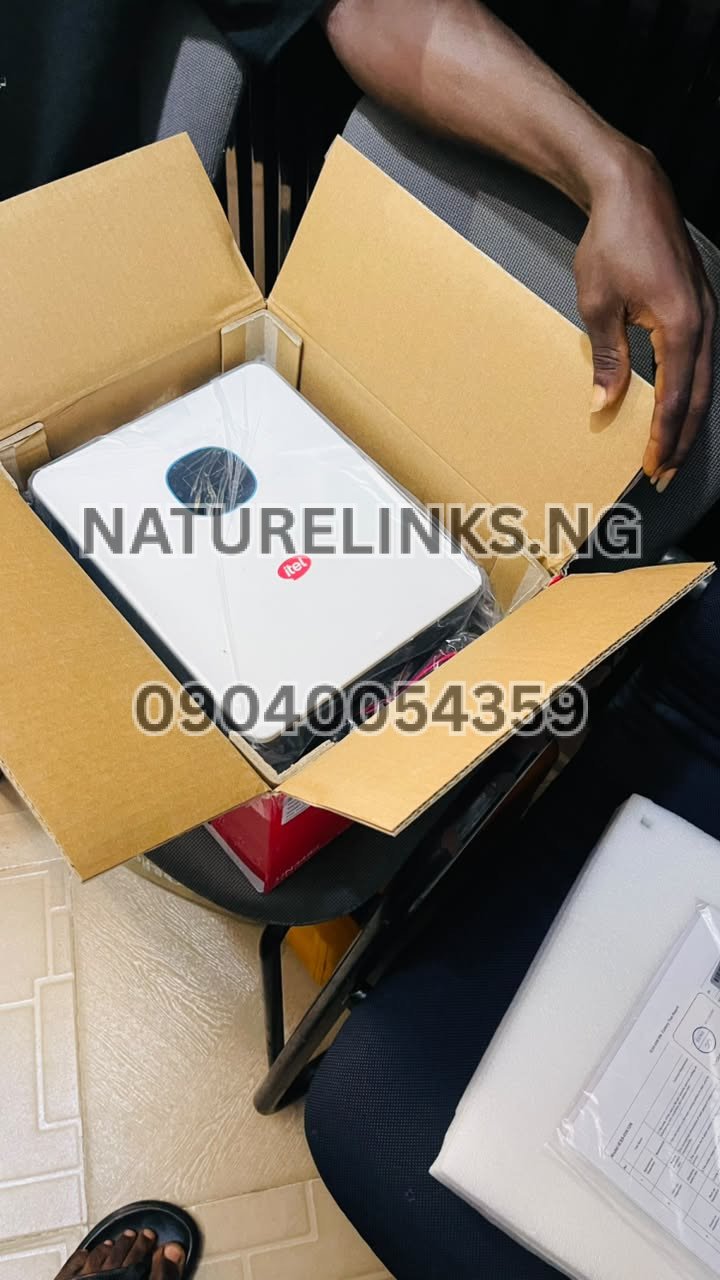
Nature Links Nigeria Limited
Best Seller: Nature Solar Global Limited
Distributor: Nature Solar Global Limited
CEO: Mr. Joseph Chikeleze
Phone: 07049528019
WhatsApp: 09040054359
Shop Address: F1571 Upstairs (F-Line), Alaba International Market, Lagos State 🇳🇬
Customers can contact the seller to confirm:
- Current Power Tank price
- Standalone Power Tank availability
- Solar-panel package prices
- Exact model
- Battery capacity
- Inverter capacity
- Warranty
- Accessories
- Solar-panel compatibility
- Delivery arrangements
Why Buy Power Tank Without Solar Panel?
There are several reasons a Nigerian buyer may choose the standalone option.
Lower initial purchase cost
If you do not need solar charging immediately, you may avoid paying for a solar panel at the time of purchasing the Power Tank.
Use grid electricity for charging
The documented configuration supports AC/grid charging, so the unit can be charged using electricity.
Add solar later
If the model supports the required PV input, you can later purchase compatible solar panels.
Portable backup
The Power Tank combines battery storage and inverter functions in one portable system.
Quiet operation
Unlike petrol generators, a battery power station does not have an internal combustion engine producing normal generator exhaust and engine noise during battery operation.
What Should I Check Before Buying Power Tank Without Solar Panel?
Before paying for a Power Tank, ask the seller for the exact specifications.
Check the model number
Do not rely only on the name “Power Tank.”
Check the battery capacity
Confirm whether you are buying 320Wh, 1,000Wh, 2,000Wh or another capacity.
Check the inverter rating
A 500W Power Tank is different from a 1,000W Power Tank.
Check solar input
If you intend to add solar later, confirm the maximum PV input.
Check AC charging
Confirm that the unit supports the charging method you intend to use.
Check warranty
Ask how long the warranty lasts and what it covers.
Check package contents
Confirm whether the package contains:
- Power Tank
- AC charging cable/adapter
- Solar cable, if applicable
- Other connectors
- User manual
- Warranty documentation
Check authenticity
Buy from a reputable seller and request the appropriate product documentation.
Power Tank Price in Nigeria: Why Prices Differ
If you search for the Power Tank online, you may see prices that appear widely different.
That does not automatically mean that one seller is selling the same product at an unreasonable price.
Price differences may result from:
- Different Power Tank models
- Different battery capacities
- Solar panels included or excluded
- Different warranties
- Different import batches
- Exchange-rate changes
- Retailer margins
- Promotions
- Delivery costs
- Different accessories
- Marketplace fees
For example, current Nigerian listings show the 500W/1kWh standalone Power Tank at prices ranging from roughly ₦279,000 to well above ₦500,000 depending on the listing and package.
That is why comparing model + capacity + package contents + warranty is more useful than comparing price alone.
Is Solar Panel Included in the Basic Power Tank Price?
Not necessarily.
This is one of the biggest mistakes buyers make when searching online.
Some listings are for:
Power Tank only
while others are:
Power Tank + solar panel
and others may include:
Power Tank + multiple solar panels + cables/accessories.
For example, CDcare separately lists the 500W/1kWh Power Tank and a 500W/1kWh Power Tank bundled with a Jinko 590W solar panel.
Always read the package description carefully.
How Much Should I Budget for Power Tank Only?
For the commonly listed 1kWh/500W Itel Power Tank, a Nigerian buyer can use approximately ₦279,000–₦400,000+ as a current reference range for a standalone unit, while understanding that actual selling prices can change.
If you see a significantly lower price, investigate:
- Is it the same model?
- Is it new?
- Is the battery capacity the same?
- Is the product genuine?
- Is the warranty included?
- Is it a complete unit?
- Are accessories included?
- Is the advertised price a promotional price?
Frequently Asked Questions About Power Tank Without Solar Panel
1. How much is Itel Power Tank without solar panel in Nigeria?
The commonly listed 1kWh/500W Itel Power Tank is currently advertised in Nigeria at approximately ₦279,000 to ₦400,000+, depending on seller, model, warranty, stock and package contents.
2. Can I buy Itel Power Tank without a solar panel?
Yes. Nigerian retailers list the Power Tank as a standalone product as well as in packages containing solar panels.
3. Can Itel Power Tank charge without solar?
Yes. The documented 1kWh/500W configuration supports AC/grid charging, so it can be charged using electricity without solar panels.
4. Can I add a solar panel later?
Yes, provided the solar panel’s electrical specifications are compatible with the Power Tank’s PV-input requirements. The documented 1kWh/500W configuration supports solar charging and up to 400W PV input.
5. How many watts is the Itel Power Tank?
The commonly listed IESS-05K10N configuration has a 500W rated AC output, while the battery capacity is approximately 1,000Wh/1kWh.
6. How many hours can a 1kWh Power Tank last?
Runtime depends on the connected load. The simple theoretical calculation is 1,000Wh divided by the load in watts, but actual runtime is lower because of conversion losses and operating conditions.
7. Can Itel Power Tank power a fridge?
It depends on the refrigerator’s running and startup power requirements. The buyer should compare these requirements with the Power Tank’s continuous and surge ratings before purchase or connection.
8. Can Itel Power Tank power a TV, fan and router?
These types of lower-power electronic loads can be suitable for a 500W-rated Power Tank when their combined demand remains within the system’s output specifications. Always check the actual wattage of each device.
9. Does Itel Power Tank use a lithium battery?
The commonly listed 1kWh/500W configuration uses a LiFePO4 lithium battery.
10. Where can I buy genuine Itel Power Tank in Nigeria?
Buyers can contact Nature Solar Global Limited / Nature Links Nigeria Limited for current availability, price, model information, warranty and package details.
Call: 07049528019
WhatsApp: 09040054359
Address: F1571 Upstairs (F-Line), Alaba International Market, Lagos State 🇳🇬

Important Buying Tip for Nigerians
Do not buy a Power Tank based solely on the phrase “1kWh”.
Ask for the complete specification.
A buyer should know:
Battery: How many Wh?
Inverter: How many W?
Surge: How much temporary starting power?
Solar: What is the maximum PV input?
Charging: AC, solar or both?
Battery chemistry: LiFePO4 or another chemistry?
Warranty: How long?
Accessories: What is included?
Authenticity: Is the product genuine?
These questions can prevent a buyer from paying for a package that does not meet the intended electricity needs.
Power Tank Without Solar Panel for Homes
For a Nigerian home, a standalone Power Tank can be used as backup electricity for selected essential loads.
Instead of trying to power an entire house, many users may choose to prioritize:
- Internet router
- Television
- Lighting
- Phones
- Laptops
- Fans
- CCTV
- Small electronics
The best approach is to calculate the combined wattage of these devices and compare the result with the Power Tank’s rated output.
Power Tank Without Solar Panel for Offices
A Power Tank can also be useful for small offices that need backup for:
- Laptop computers
- Wi-Fi routers
- Modems
- LED lights
- Phones
- CCTV
- Small networking equipment
For businesses where internet connectivity is essential, battery backup can help keep communication equipment operating during short power interruptions.
Power Tank Without Solar Panel for Shops
Small shops can use a suitable Power Tank to support low-power equipment during outages.
However, the shop owner should calculate the total wattage of:
- Lights
- Fans
- POS equipment
- Routers
- Phones
- Small electronics
High-power equipment should not be connected simply because the Power Tank has a large battery capacity.
Power Tank Price vs Petrol Generator
A Power Tank and a petrol generator work differently.
A petrol generator produces electricity by burning fuel, while a Power Tank stores electricity in a battery and delivers it through an inverter.
The Power Tank may appeal to users who prioritize:
- Quiet operation
- No petrol storage
- Portable design
- Indoor-friendly battery backup
- Rechargeability
- Solar charging capability
A petrol generator may be designed for different power requirements, particularly where higher continuous power is needed.
The appropriate choice depends on the user’s required load, runtime, budget and charging options.
Conclusion
If you are asking “How Much Is Power Tank Without Solar Panel in Nigeria?”, the current Nigerian market provides a useful reference range of approximately ₦279,000 to ₦400,000+ for the commonly listed 1kWh/500W standalone Itel Power Tank, although actual prices vary between sellers, models, promotions, warranties and package configurations.
Buying the Power Tank without a solar panel can be suitable for customers who want to start with battery backup and charge from electricity, already own compatible solar equipment, or plan to install solar panels later. The documented 1kWh/500W configuration supports AC/grid charging and solar charging, with published specifications indicating up to 400W PV input.
Before making payment, confirm the exact model, 1kWh battery capacity, 500W inverter rating, solar-input specification, warranty, accessories and current Nigerian selling price.
For current availability and purchasing information, contact Nature Solar Global Limited / Nature Links Nigeria Limited:
Call: 07049528019
WhatsApp: 09040054359
Shop: F1571 Upstairs (F-Line), Alaba International Market, Lagos State 🇳🇬