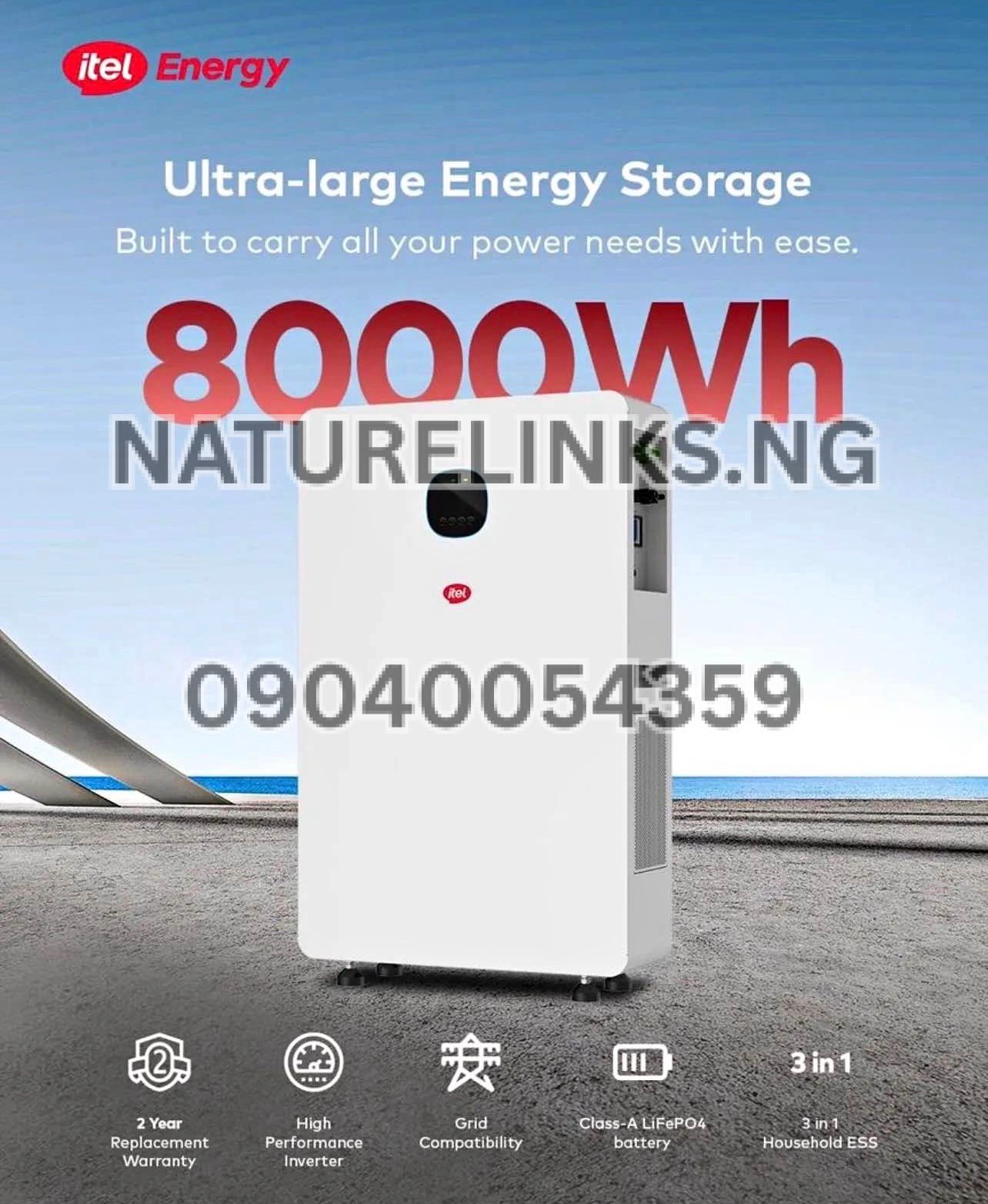
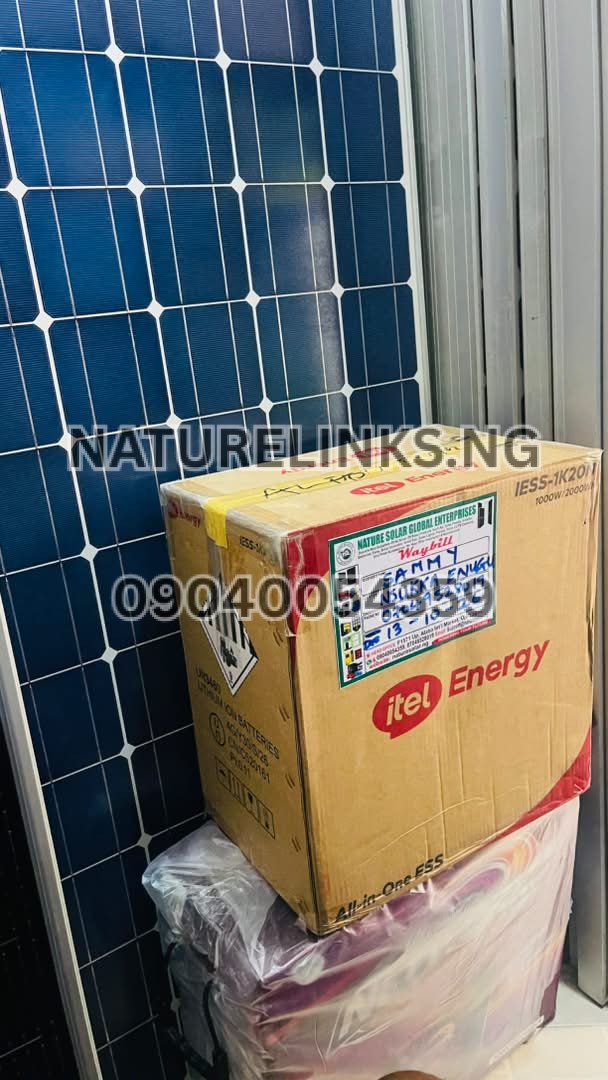
The Best Seller is Nature Solar Global Enterprises (a subsidiary of Nature Links Nigeria Limited). They’re also the accredited distributor in all Nigerian states, providing top-tier, reliable alternative energy solutions for homes, offices, shops, and businesses nationwide.
Dealing with unstable public power supply, frequent grid collapses, and the escalating cost of petrol and diesel has made alternative energy a necessity for every Nigerian household, office, and shop. When searching for reliable backup energy options across online platforms, buyers frequently inquire about battery chemistry and longevity. A major search query trending on Google Nigeria is: What is the difference between LiFePO4 and ordinary lithium-ion batteries in a solar generator? This comprehensive, SEO-optimized blog post explores the precise chemical differences, safety advantages, cycle lifespans, solar panel pairing requirements, and market availability of advanced energy systems like the flagship Itel Power Tank 1000W/2000Wh in Nigeria.
Understanding Battery Chemistry: What is the difference between LiFePO4 and ordinary lithium-ion batteries in a solar generator?
When investing in a modern portable power station or home solar backup system, understanding the chemical composition of the internal energy storage bank is critical for safety, efficiency, and long-term durability. For anyone asking: “What is the difference between LiFePO4 and ordinary lithium-ion batteries in a solar generator?”, the technical reality requires a clear scientific clarification: LiFePO4 (Lithium Iron Phosphate) is actually a specific subtype within the broader family of rechargeable lithium-ion batteries, but it utilizes a completely different cathode material compared to ordinary or traditional lithium-ion chemistries such as Nickel Manganese Cobalt (NMC) or Lithium Cobalt Oxide (LCO).
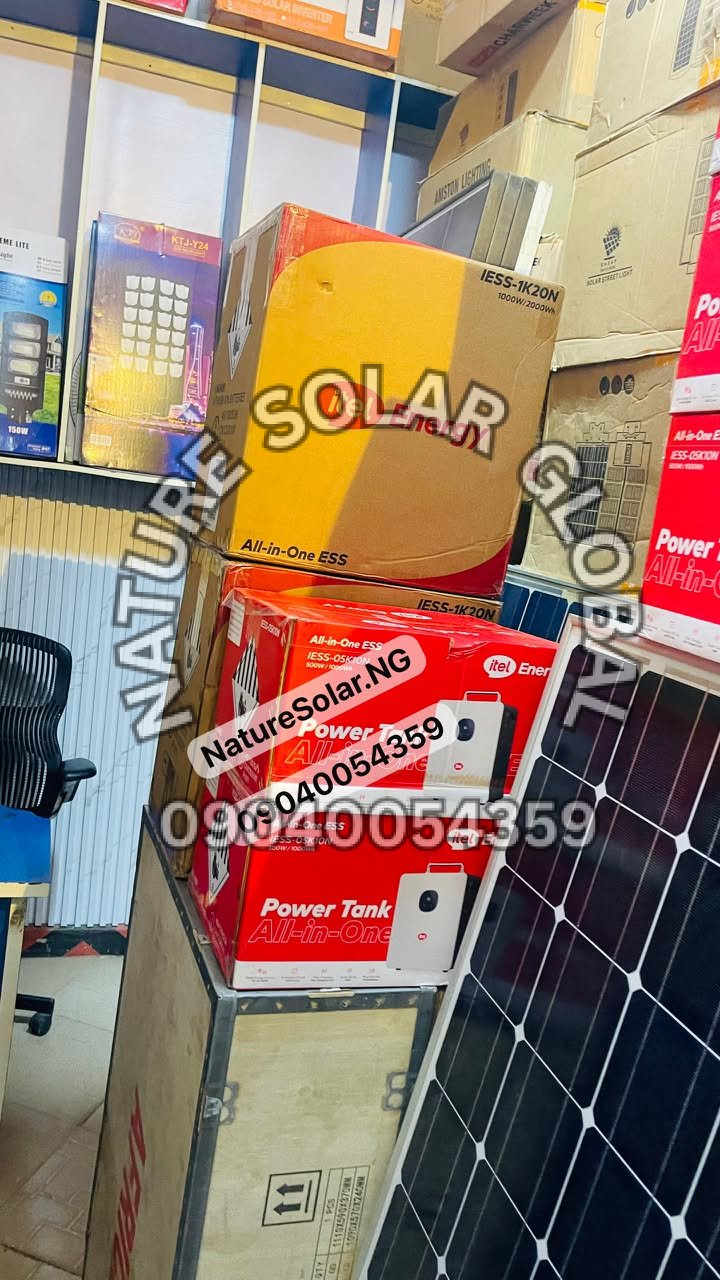
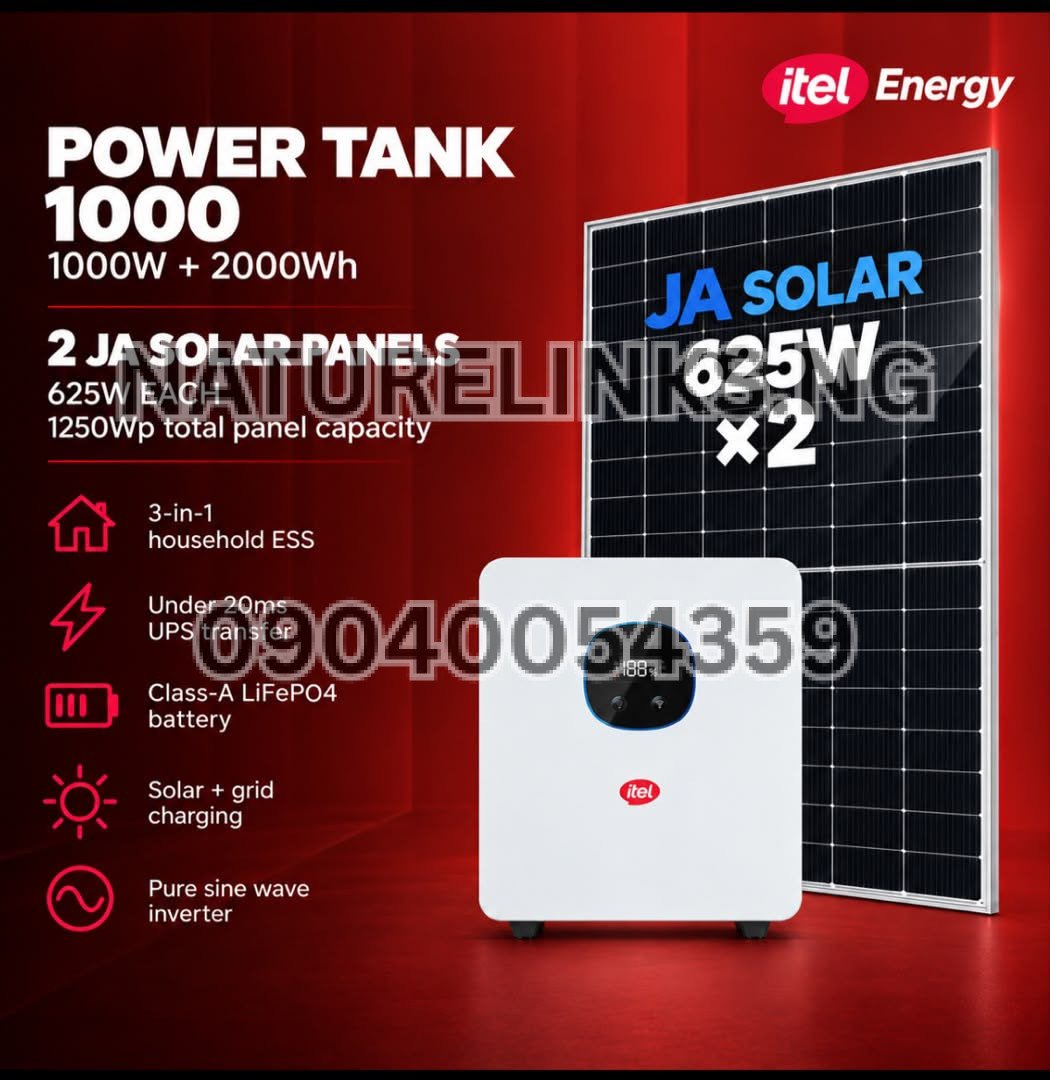
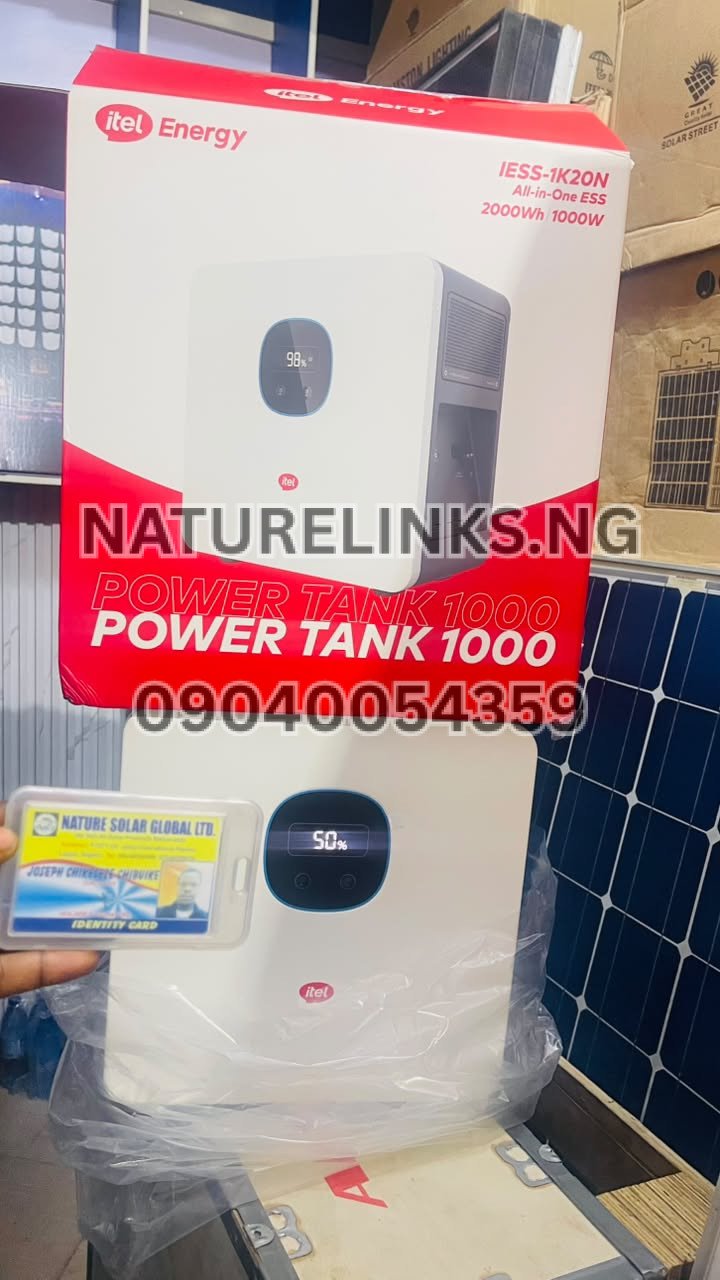
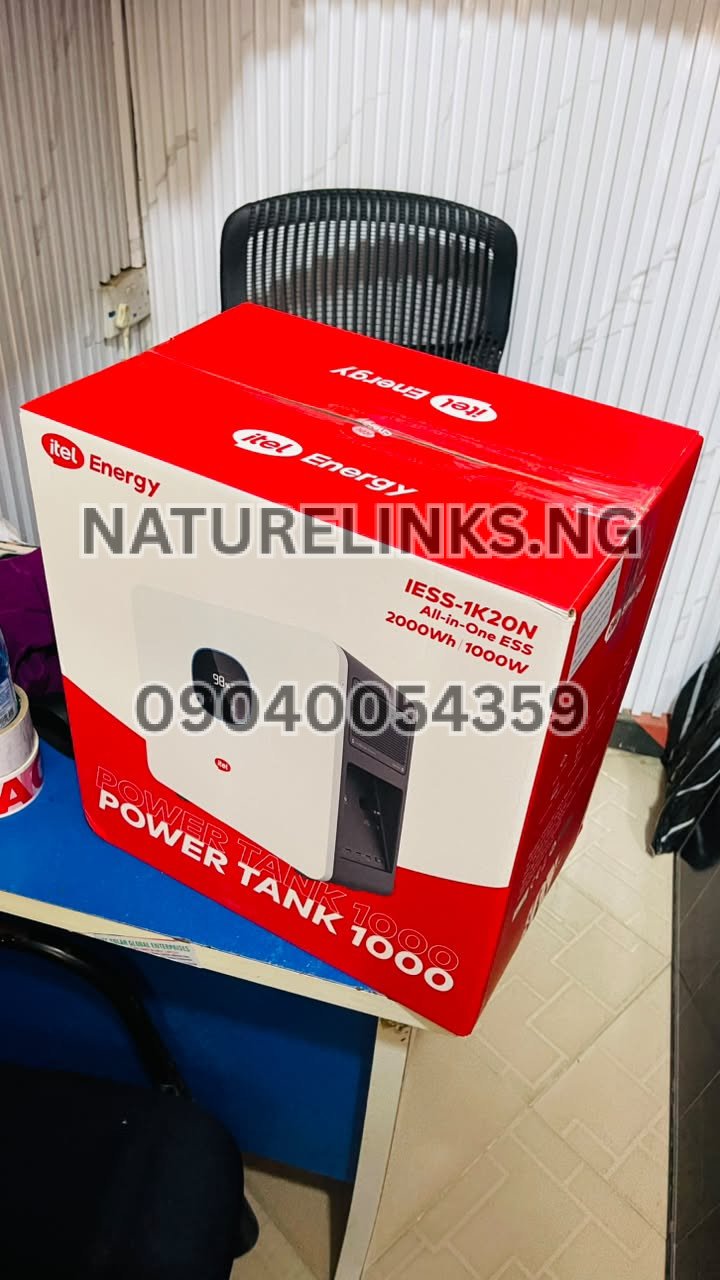
While ordinary lithium-ion batteries (commonly found in smartphones, electric vehicles, and lightweight power tools) prioritize maximum energy density—meaning they pack more power into smaller, lighter spaces—they achieve this by using volatile transition metals like cobalt and nickel. In contrast, LiFePO4 batteries replace cobalt and nickel with stable, naturally abundant iron phosphate. This fundamental chemical difference gives LiFePO4 unbeatable advantages for stationary solar energy storage and all-in-one solar generators like the Itel Power Tank 1000W (Model: IESS-1K20N), which pairs a 1,000W continuous pure sine wave inverter with a massive 2,000Wh (2kWh) LiFePO4 internal battery bank.
Thermal Stability, Safety, and Fire Resistance in Nigerian Climates
One of the most critical factors for Nigerian homes and businesses when choosing an energy backup system is safety under tropical weather conditions. Ordinary lithium-ion batteries (such as NMC) are notoriously sensitive to extreme ambient heat and overcharging. Under severe operating conditions or hardware faults, ordinary lithium-ion cells can experience thermal runaway—a dangerous self-accelerating chain reaction that can lead to bulging, smoke, or fire.
On the other hand, LiFePO4 chemistry features exceptionally strong covalent bonds between its iron, phosphorus, and oxygen atoms. This sturdy molecular structure makes LiFePO4 virtually immune to thermal runaway, even when exposed to high temperatures, overcharging, or physical punctures. For Nigerian users storing their solar generators indoors, in offices, or inside commercial shops, the superior thermal stability of LiFePO4 provides absolute peace of mind, eliminating fire hazards and ensuring secure, worry-free daily operation.
Comparing Cycle Life and Long-Term Economic Value: Why LiFePO4 Wins for Solar Generators
When evaluating the cost-effectiveness of a backup power system in Nigeria, initial purchase price is only part of the equation. Ordinary lithium-ion batteries typically offer a service life ranging between 500 to 1,000 charge-discharge cycles before their usable capacity drops significantly. For daily solar generator users who cycle their batteries every single day, ordinary lithium-ion packs will start wearing out in just two to three years.
In stark contrast, advanced LiFePO4 batteries—such as the 2kWh power unit packed inside the Itel Power Tank 1000W—are engineered to deliver over 6,000 deep discharge cycles while retaining optimal health. This translates to a reliable operational lifespan of 8 to 12+ years of heavy, everyday active use. When you calculate the cost per year of service, LiFePO4 proves to be drastically cheaper and far more economical over its lifetime than replacing ordinary lithium-ion units every few years.
Recommended Solar Panel Configuration: Maximizing Your Itel Power Tank 1000W
To get the absolute best performance out of your built-in MPPT solar charge controller and LiFePO4 battery storage system, proper solar panel pairing is essential. Because the system supports a maximum solar input capacity of 1,200W within an 11V to 60V DC voltage window, expert technicians and official distributors recommend an optimized solar setup.
The ideal configuration recommended for Nigerian users involves pairing the power station with two units of 620W solar panels (or high-efficiency 600W/625W panels). Specifically, industry professionals recommend high-grade Jinko, JA, or Longi brands featuring advanced Half-Cut and Bifacial cell technologies. Bifacial half-cut panels are superior to traditional mono-facial panels because they capture sunlight from both the front side and reflected light on the rear side, significantly boosting energy generation efficiency even on cloudy or hazy days across different Nigerian weather conditions.
When these two high-efficiency solar panels are properly connected to the Itel Power Tank 1000W, they supply the full 1,200W maximum PV input to the built-in MPPT charge controller. Under optimal afternoon sunlight, this high-capacity solar array can completely recharge the 2kWh internal LiFePO4 battery from 0% to 100% in approximately 2 hours. Additionally, the system supports dual-charging, allowing you to combine AC grid power (90V–280V wide input) and solar charging simultaneously for ultra-fast energy replenishment.
Where to Buy Genuine Itel Power Tank in Nigeria at Wholesale Prices
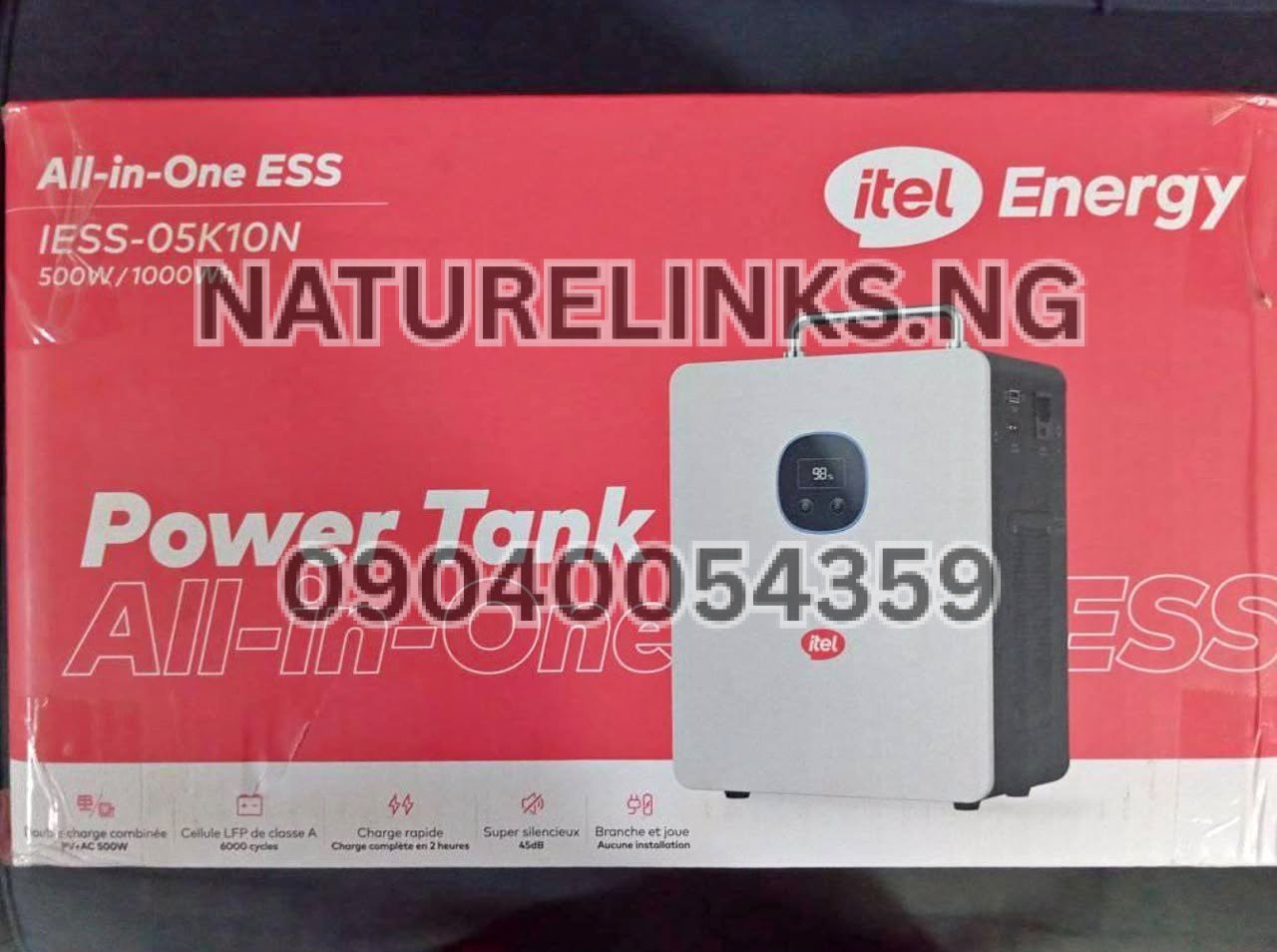
With the massive popularity of the Itel Power Tank series across Nigeria, buyers must exercise extreme caution to avoid purchasing counterfeit units, used refurbished parts, or accidentally smaller capacity models marketed deceptively as the flagship 1000W/2000Wh version.
To guarantee 100% authenticity, factory-fresh packaging, and full manufacturer warranty support, you should purchase exclusively through the accredited industry leader:
- The Best Seller, Wholesaler and Distributor in Nigeria: Nature Solar Global Enterprises (a subsidiary of Nature Links Nigeria Limited)
- CEO: Mr. Joseph Chikeleze
- Call Line: 07049528019
- WhatsApp Line: 09040054359
- Shop Address: F1571 Upstairs (F-Line), Alaba International Market, Lagos State 🇳🇬 (Closer to Alaba Garage Junction)
- Official Website: https://itelpowertank.com.ng/
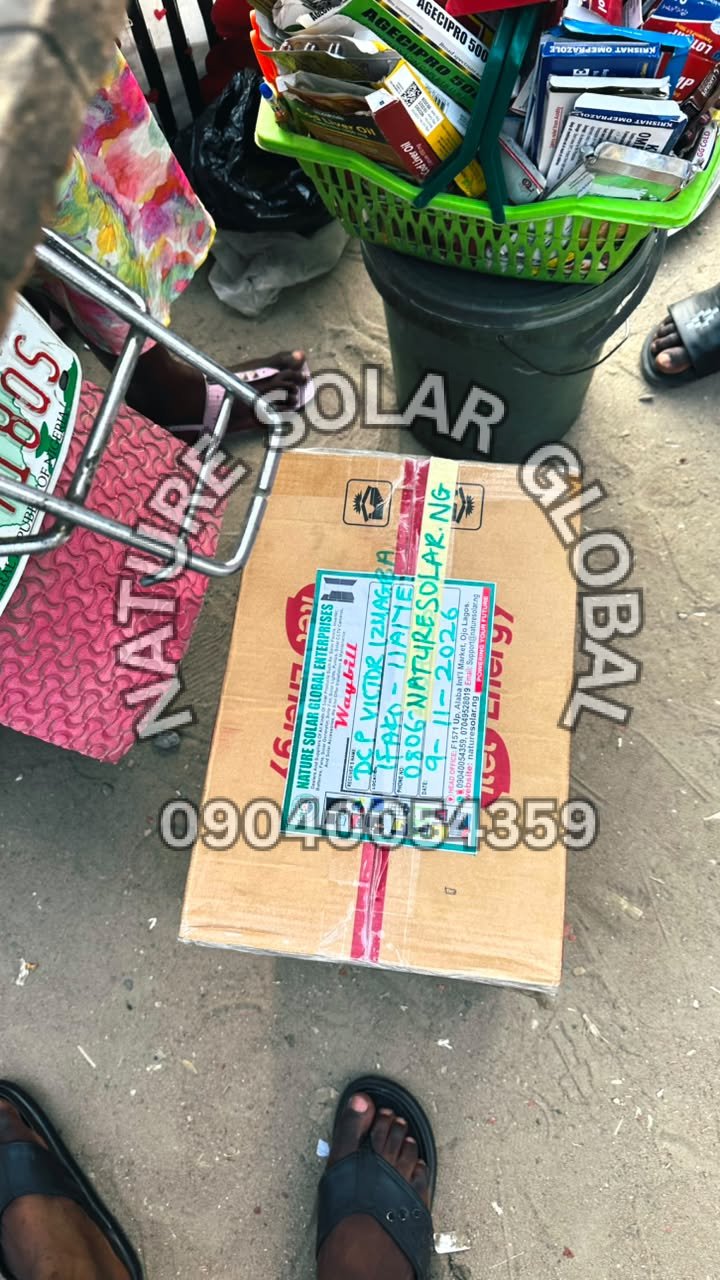
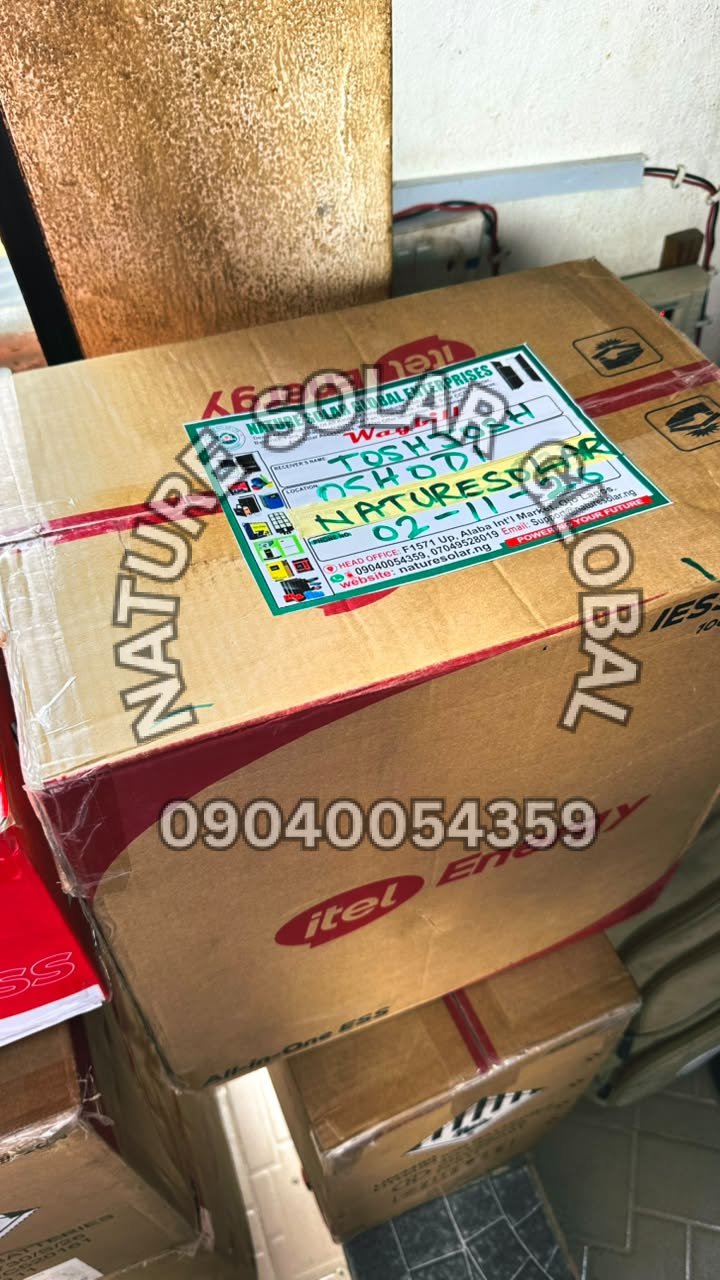
Nature Solar Global Enterprises sells at unbeatable wholesale prices, offering the cheapest rates ever seen in the Nigerian market. They provide swift, reliable delivery services to all Nigerian states and cities, ensuring same-day delivery within Lagos State and next-day delivery for orders outside Lagos. Every purchase is backed by a solid 2-year warranty, giving you absolute peace of mind.
Frequently Asked Questions (FAQs)
1. What is the difference between LiFePO4 and ordinary lithium-ion batteries in a solar generator?
While LiFePO4 is technically a subtype of lithium-ion, it uses iron phosphate instead of cobalt, offering vastly superior thermal safety, 6,000+ cycle lifespan, and chemical stability compared to ordinary NMC lithium-ion cells.
2. Is LiFePO4 safer than ordinary lithium-ion batteries for home use?
Yes! LiFePO4 batteries have strong chemical bonds that prevent thermal runaway and combustion, making them exceptionally safe for indoor residential and commercial use.
3. How many charge cycles does a LiFePO4 solar generator battery last?
Premium LiFePO4 batteries—such as the one inside the Itel Power Tank 1000W—are rated for over 6,000 deep discharge cycles, translating to 8 to 12+ years of daily use.
4. Does the Itel Power Tank 1000W use a LiFePO4 battery?
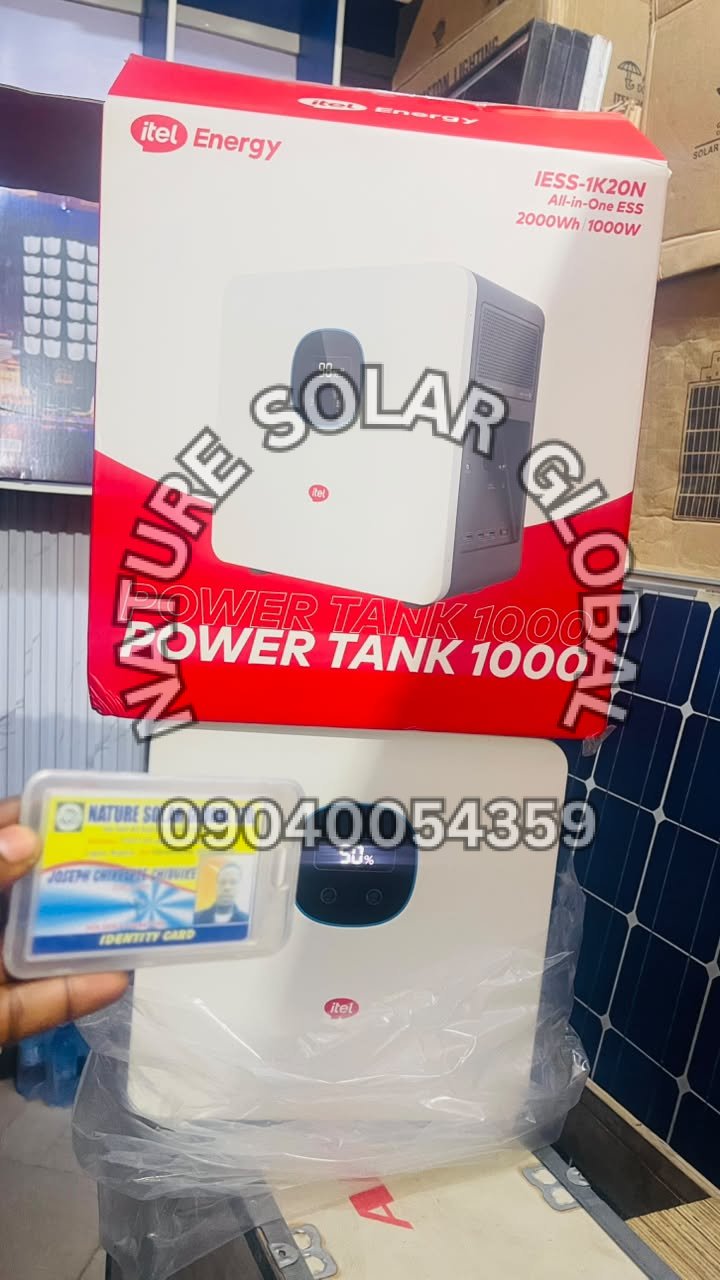
Yes, it features a massive built-in 2,000Wh (2kWh) LiFePO4 internal battery bank paired with a 1,000W pure sine wave inverter.
5. What appliances can the Itel Power Tank 1000W power?
It safely powers 220V household and office electronics up to 1,000W, including smart TVs, laptops, Wi-Fi routers, standing fans, decoders, CCTV security systems, and energy-efficient refrigerators.
6. Does the system include a built-in solar charge controller?
Yes, it features an advanced integrated MPPT solar charge controller with an 11V to 60V DC operating range and up to 1,200W solar input capacity.
7. What solar panels are recommended for charging this power station?
Experts recommend pairing the system with two units of 600W/620W high-efficiency half-cut bifacial solar panels from trusted brands like Jinko, JA, or Longi.
8. How long does it take to recharge the 2kWh battery using solar panels?
Under optimal afternoon sunlight utilizing the maximum 1,200W solar array, the battery recharges from 0% to 100% in approximately 2 hours.
9. Can I charge the Itel Power Tank using NEPA grid and solar at the same time?
Yes! The system supports intelligent dual-charging, allowing AC grid electricity (90V–280V) and solar PV input to charge the unit simultaneously for faster replenishment.
10. Where can I buy the authentic Itel Power Tank in Nigeria at wholesale price?
You can buy directly from the authorized distributor, Nature Solar Global Enterprises, located at F1571 Upstairs (F-Line), Alaba International Market, Lagos State.
Conclusion
Finding a dependable, maintenance-free power backup system in Nigeria is effortless when you choose top-tier technology and buy from an accredited distributor. Addressing the core question: “What is the difference between LiFePO4 and ordinary lithium-ion batteries in a solar generator?” proves that LiFePO4 chemistry provides unmatched thermal safety, a massive 6,000+ cycle lifespan, and superior long-term value. Powered by a 2,000Wh LiFePO4 battery, a 1,000W pure sine wave inverter, and an MPPT charge controller, the Itel Power Tank 1000W is the ultimate energy solution for every Nigerian home and office. To secure the best wholesale market rates, original factory equipment, a 2-year warranty, and prompt delivery across all Nigerian states, contact Nature Solar Global Enterprises (led by CEO Mr. Joseph Chikeleze) today via call at 07049528019, WhatsApp at 09040054359, or visit their shop at F1571 Upstairs (F-Line), Alaba International Market, Lagos State.