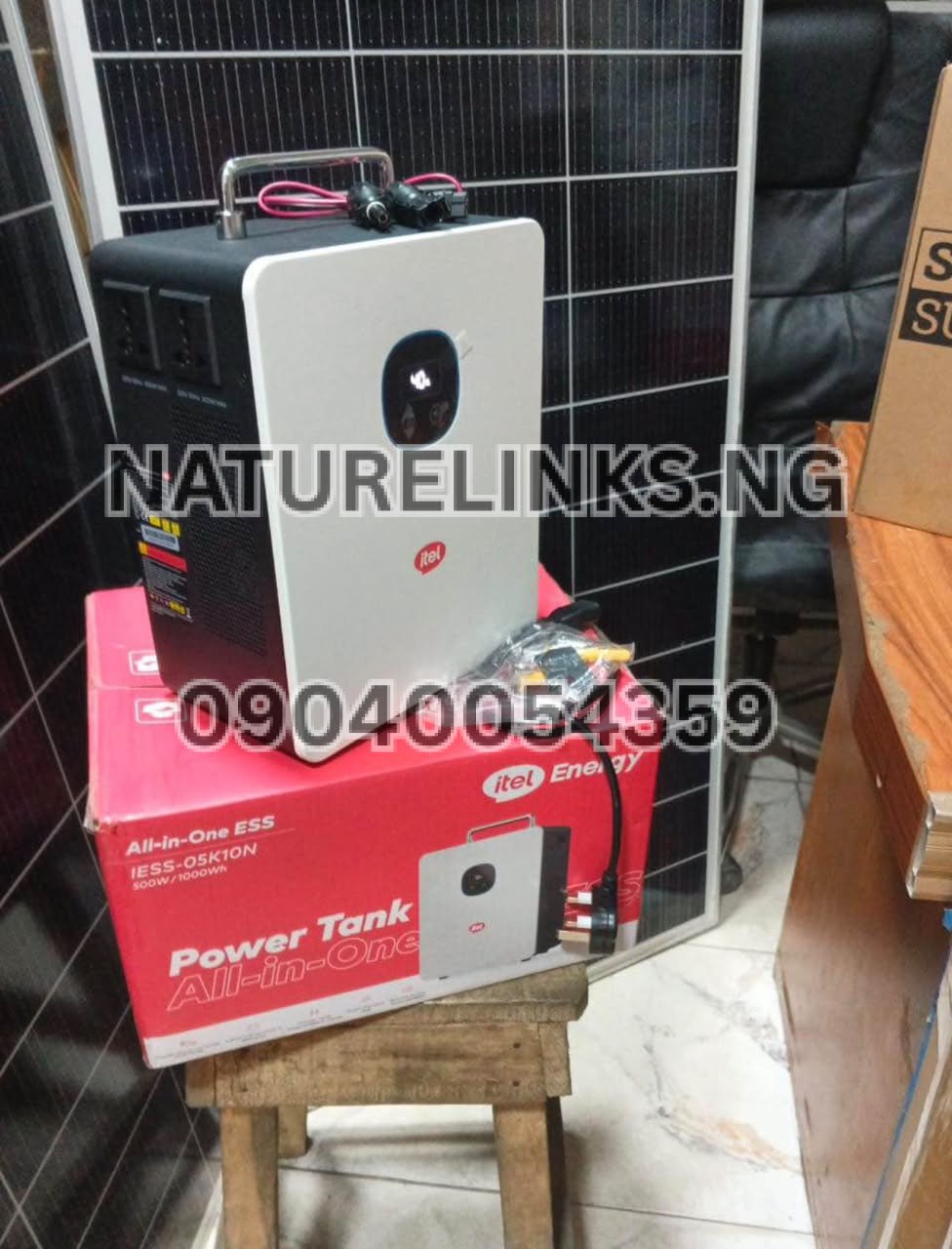
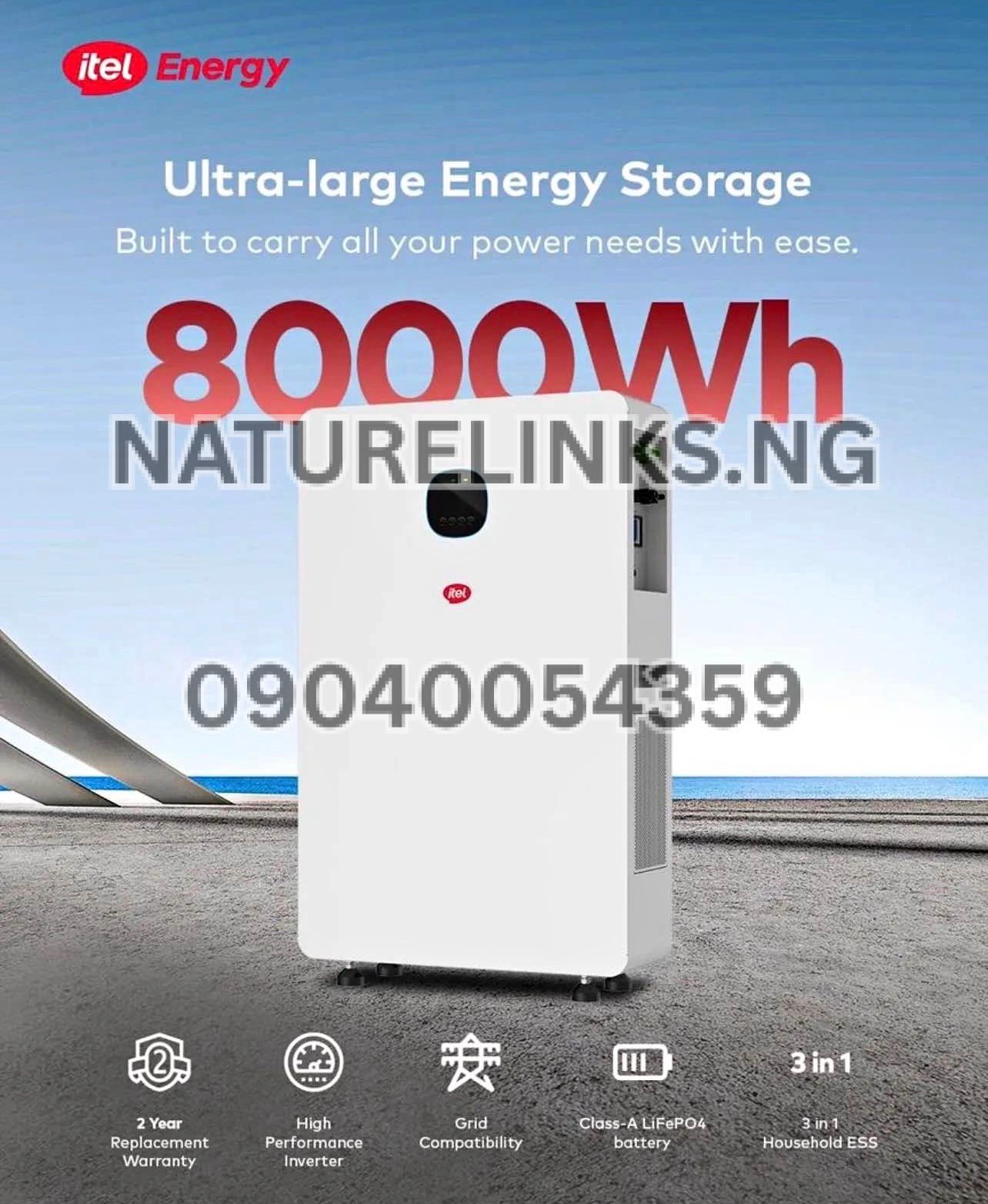
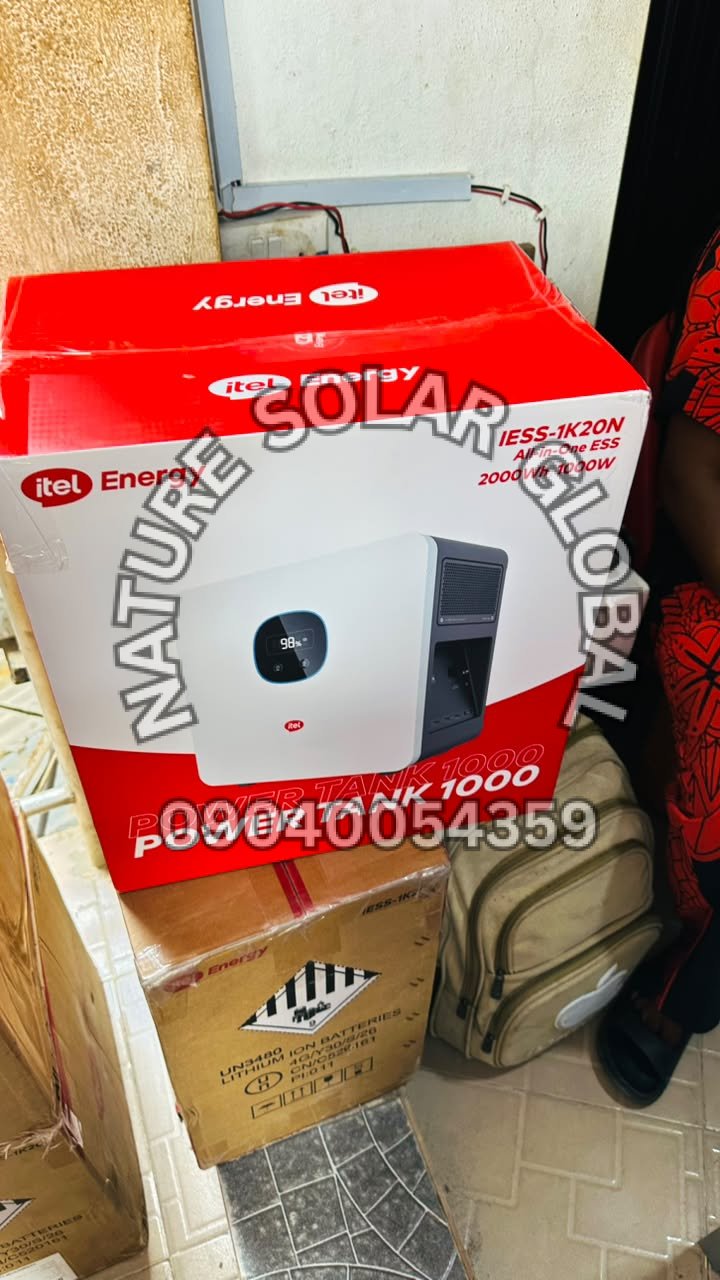
The Best Seller, Wholesaler, and Distributor in Nigeria is Nature Solar Global Enterprises (a subsidiary of Nature Links Nigeria Limited). They are also the accredited distributor in all Nigerian states, led by CEO Mr. Joseph Chikeleze. Whether you are buying for a residential building, shop, office, or commercial project anywhere in Nigeria, you can visit their shop at F1571 Upstairs (F-Line), Alaba International Market, Lagos State 🇳🇬, call 07049528019, or send a WhatsApp message to 09040054359. For complete, ready-to-use solar energy, you can also order the Itel Power Tank directly from their official website at https://itelpowertank.com.ng/, where they sell at wholesale prices—the cheapest rate ever—with same-day delivery in Lagos and next-day delivery to all Nigerian cities and states.
As more Nigerians move away from noisy, expensive petrol and diesel generators toward clean solar energy, double-sided solar panels have become the #1 bestseller across Alaba International Market and online stores. However, many smart buyers pause before paying and ask: “How does the rear side of a bifacial solar panel generate electricity?” Understanding the exact physics, surface reflectivity (albedo), and installation requirements behind backside solar generation ensures you get every single watt of free bonus electricity you paid for.
In this comprehensive Nigerian buyer’s guide, we explain step-by-step how the backside of a bifacial module captures light, how much extra power it produces in Nigerian weather, why 620W Jinko, JA, and Longi half-cut bifacial solar panels outperform traditional monofacial panels, and why pairing 620W x2 bifacial panels with the 1000W/2000Wh Itel Power Tank All-in-One Solar Generator is the most reliable power setup in Nigeria today.
The Science Explained: How Does the Rear Side of a Bifacial Solar Panel Generate Electricity?
To answer “How does the rear side of a bifacial solar panel generate electricity?” clearly: the rear side uses exposed, double-sided photovoltaic (PV) silicon cells protected by transparent glass to absorb reflected and scattered sunlight bouncing off surfaces beneath the panel, converting those upward-traveling photons into extra electrical current that combines with the front-side power.
Here is the step-by-step process of how backside electricity generation works on your Nigerian roof or solar rack:
1. Dual-Glass Construction Replaces the Opaque Plastic Backsheet
In a traditional monofacial solar panel, the back is covered with an opaque white or black polymer plastic sheet that completely blocks light. In contrast, a bifacial solar panel replaces that plastic sheet with rugged tempered glass (glass-on-glass) or a clear backsheet, leaving the back of the silicon solar cells exposed to light.
2. Double-Sided N-Type Photovoltaic Cells
Modern 620W half-cut bifacial solar panels from Jinko, JA Solar, and Longi use advanced N-Type TOPCon or Mono PERC bifacial cells. Both the front and back surfaces of each silicon wafer are engineered with conductive fingers and anti-reflective coatings. When light hits either face, it knocks electrons loose inside the silicon semiconductor, generating Direct Current (DC) electricity.
3. Capturing Reflected Sunlight (The Albedo Effect)
Not all sunlight hits the top of your solar panels directly. Millions of light rays pass beside the panels, strike the roof, concrete decking, gravel, or ground underneath, and bounce upward. That upward-reflected light passes straight through the rear tempered glass of the bifacial panel and strikes the backside solar cells.
4. Internal Current Summation
Inside the solar panel, the electrical current generated by the front cells and the rear cells is summed internally and routed through heavy-duty junction boxes and bypass diodes. This gives you a single, stronger stream of solar power feeding your MPPT charge controller or solar generator.
Understanding the Albedo Effect: Why Nigerian Roofs & Surfaces Boost Rear-Side Output
The amount of electricity generated by the rear side of a bifacial solar panel depends heavily on albedo—the scientific measure of how much sunlight a surface reflects on a scale from 0 (absorbs all light) to 1 (reflects all light).
Fortunately, Nigerian residential and commercial buildings naturally feature some of the best high-albedo surfaces for bifacial solar panels:
| Surface Beneath the Bifacial Solar Panel | Albedo Reflectivity Score | Real-World Rear-Side Power Gain in Nigeria |
|---|---|---|
| White-Painted Roof / Reflective Coating | 0.60 – 0.80 (Very High) | +20% to +30% Extra Power |
| Shiny Silver Zinc / Aluminum Roofing Sheets | 0.50 – 0.65 (High) | +15% to +25% Extra Power |
| Light-Grey Concrete Decking / White Gravel | 0.45 – 0.60 (High) | +12% to +22% Extra Power |
| Bright Sandy Compound / Interlocking Stones | 0.30 – 0.45 (Moderate-High) | +8% to +15% Extra Power |
| Dark Roof Tiles / Asphalt / Dark Soil | 0.05 – 0.15 (Low) | +3% to +7% Extra Power (Diffuse light) |
Harmattan Haze and Rainy Season Advantage
Even if your roof is not painted white, the rear side of a bifacial panel still generates significant electricity during Nigeria’s Harmattan dust season (November to February) and cloudy rainy afternoons. When clouds or Harmattan haze scatter sunlight across the sky, diffuse light enters from every angle—hitting both the top glass and the bottom glass simultaneously.
Bifaciality Factor & Bifacial Gain: What Nigerian Buyers Need to Know
When comparing spec sheets for 620W bifacial solar panels in Alaba International Market or online, you will see two important terms:
- Bifaciality Factor (Typically 80% ± 10%): This tells you how efficient the back side is compared to the front side under identical light. An 80% bifaciality factor means if the rear side receives 200W/m² of reflected light, it converts 80% of that energy at the same efficiency as the front.
- Bifacial Gain (+5% to +30%): Because the rear side receives reflected light rather than direct overhead sun, total real-world output increases by 5% to 30% above the front-side nameplate rating.
For a 620W Jinko, JA, or Longi half-cut bifacial solar panel:
- Front-Side Rated Power: 620W
- Rear-Side Reflected Power (+10% to +25% in Nigeria): +62W to +155W extra free wattage
- Total Combined Output per Panel: 682W to 775W under strong reflective conditions!
Bifacial vs. Monofacial Solar Panels: Side-by-Side Comparison for Nigerians
Before buying solar panels in Nigeria, compare how modern 620W bifacial solar panels stack up against older monofacial solar panels:
| Comparison Criteria | Bifacial Solar Panel (620W Tier-1) | Monofacial Solar Panel |
|---|---|---|
| How Electricity is Generated | Front direct sun + Rear reflected light | Front direct sun only (Rear blocked by plastic) |
| Extra Energy Yield | +5% to +30% Bifacial Gain | 0% (Front rating only) |
| Structural Design | Dual Tempered Glass (Glass-on-Glass) | Front glass + polymer plastic backsheet |
| Cell Architecture | Half-Cut N-Type Monocrystalline | Standard Mono PERC or full-cell |
| Heat & Humidity Durability | 30+ Years (Resists 40°C+ heat & coastal salt) | 20 to 25 Years (Plastic backsheet degrades faster) |
| Wholesale Price in Nigeria | ₦127,000 – ₦180,000 (Cheapest at Nature Solar) | ₦115,000 – ₦155,000 |
Why 620W Half-Cut Bifacial Solar Panels (Jinko, JA & Longi) Are Best for Nigerian Buyers
Not every panel labeled “620W” on the street delivers genuine Tier-1 performance. Counterfeit or re-badged panels exist in unverified markets, which is why accredited distributors like Nature Solar Global Enterprises supply only verifiable Grade-A modules from Jinko Solar, JA Solar, and Longi:
- Half-Cut Cell Technology: Each 620W panel splits solar cells in half (132 or 144 half-cells), creating independent upper and lower electrical circuits. If a water tank, satellite dish, or tree branch shades the lower half of the panel, the upper half keeps producing full power.
- Lower Operating Temperature: Half-cut cells reduce internal electrical resistance, keeping the panel cooler during scorching afternoons in Lagos, Abuja, Kano, Port Harcourt, and Ado-Ekiti.
- Fewer Panels Needed: Just two (2) 620W panels provide 1,240W of rated PV capacity (plus rear-side bifacial gain), saving money on aluminum mounting rails, DC cables, and installation labor.
- Laser-Etched Verification: Original Jinko, JA, and Longi 620W modules include permanent serial barcodes under the glass so you can verify authenticity immediately.
The Ultimate Nigerian Solar Combo: 1000W/2000Wh Itel Power Tank + 620W x2 Bifacial Panels
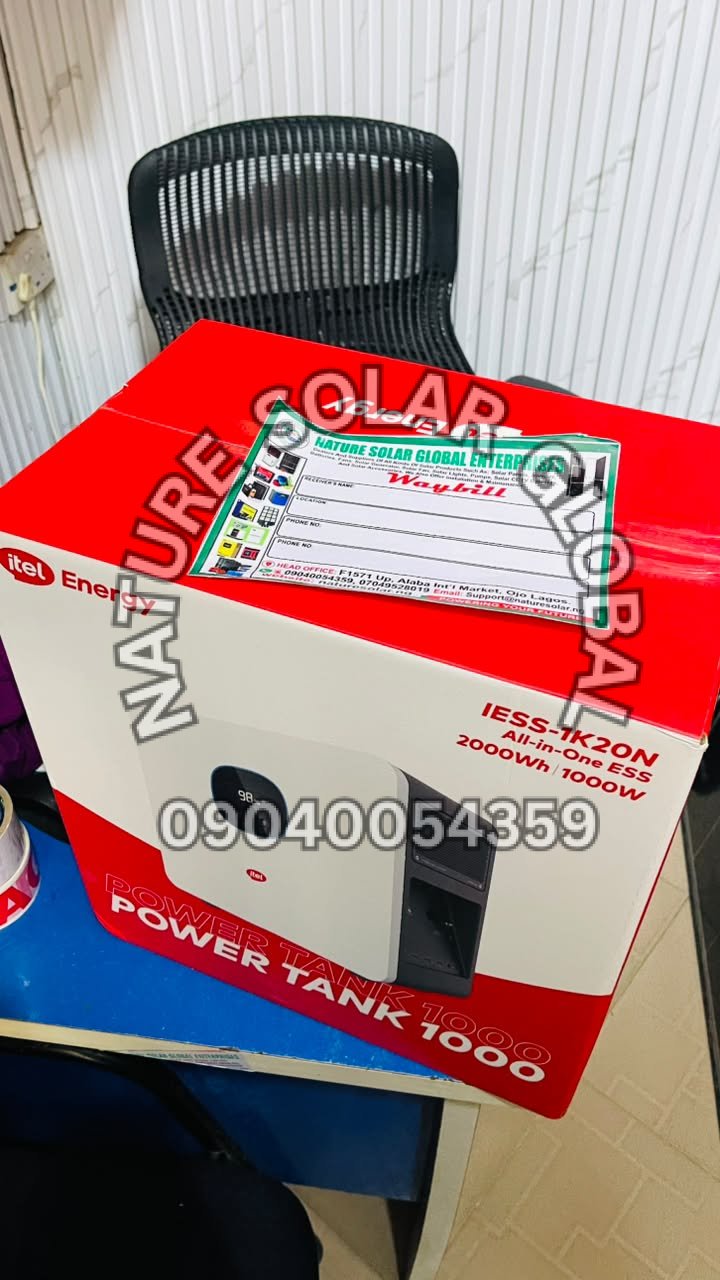
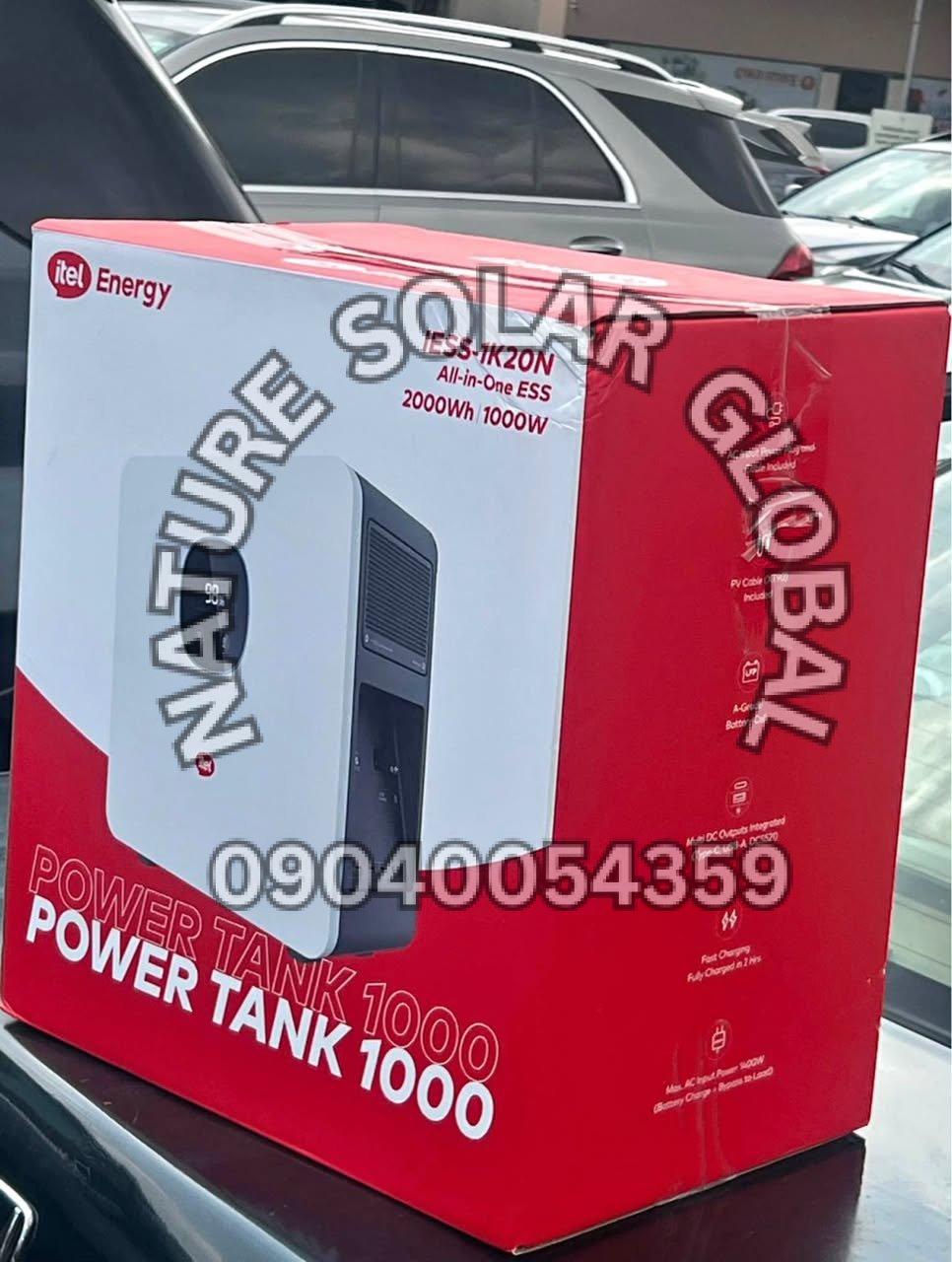
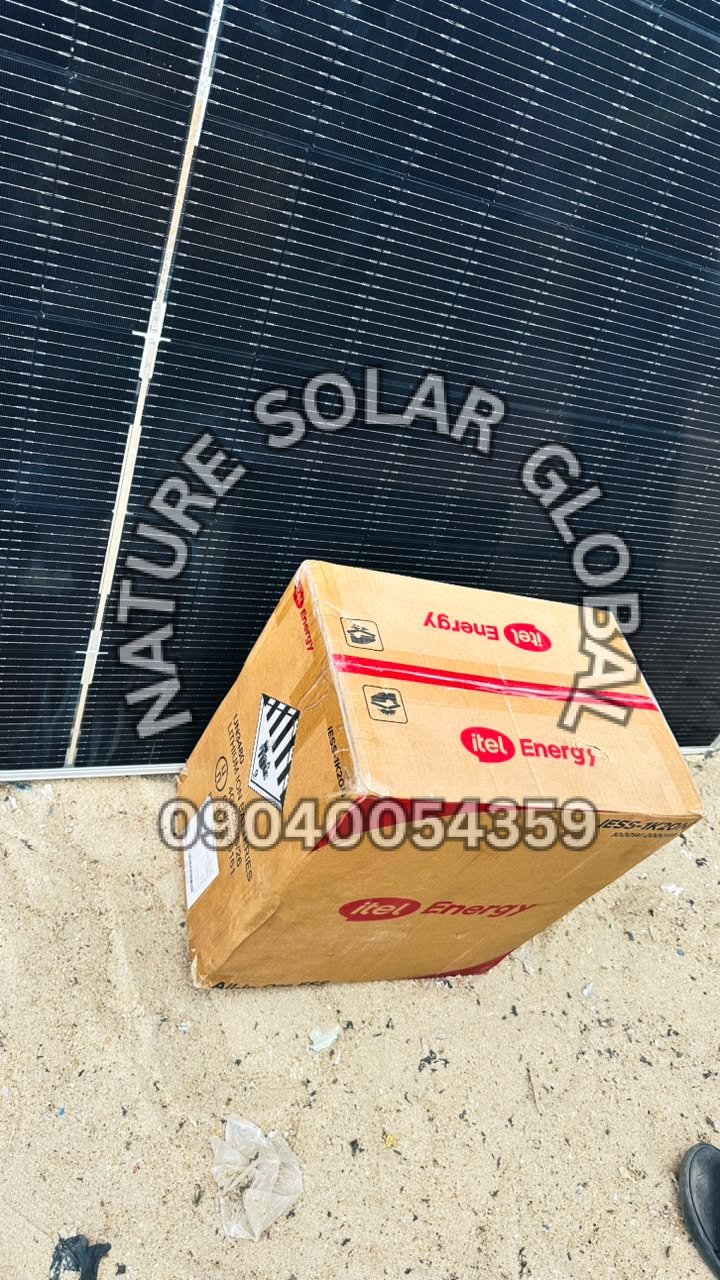
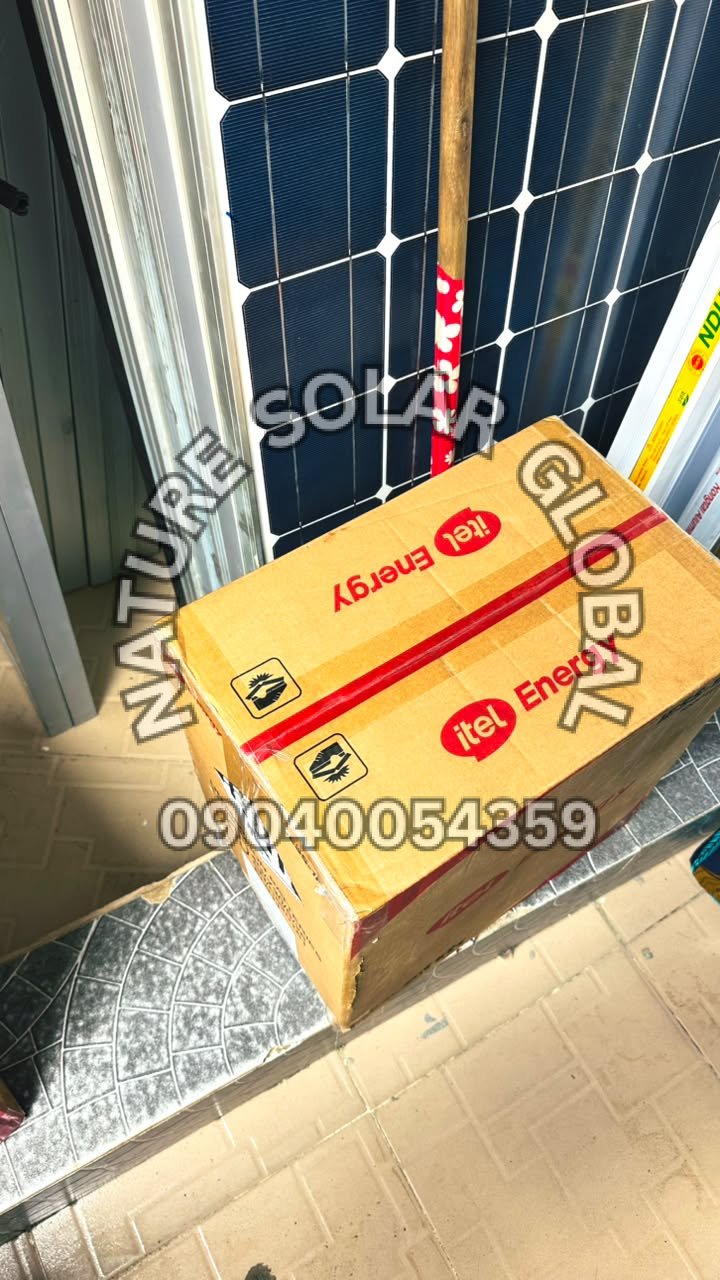
To get the most out of your bifacial solar panels without the stress of wiring separate inverters, external charge controllers, and heavy tubular lead-acid batteries, pair two (2) 620W half-cut bifacial solar panels with the 1000W/2000Wh Itel Power Tank All-in-One Solar Generator.
Why Nigerians Choose the 1000W/2000Wh Itel Power Tank:
- All-in-One Solar Generator: Combines a pure sine wave inverter, built-in MPPT solar charge controller, and lithium battery bank in one sleek, portable unit.
- 1000W Inverter Output: Effortlessly powers Smart TVs, DSTV/GOtv decoders, standing and ceiling fans, laptops, Starlink/Wi-Fi routers, LED bulbs, POS machines, and energy-saving inverter refrigerators.
- 2000Wh (2kWh) LiFePO4 Lithium Battery: Powered by ultra-safe Lithium Iron Phosphate (LiFePO4) cells built for 6,000+ charge cycles (over 10 years of daily use)—no annual lead-acid battery replacements.
- Recommended PV Capacity (620W x2 Bifacial Panels): Connecting two 620W Jinko, JA, or Longi half-cut bifacial solar panels (1,240W total) charges the 2000Wh Power Tank fast—even on hazy or cloudy days—while running your daytime household or shop appliances.
- 2-Year Official Warranty: Backed by a full 2-year warranty for complete peace of mind.
Order your original 1000W/2000Wh Itel Power Tank at wholesale prices—the cheapest rate ever—directly at https://itelpowertank.com.ng/ with same-day delivery in Lagos and next-day delivery to all Nigerian cities and states.
4 Installation Rules to Maximize Rear-Side Power Generation in Nigeria
To make sure the back side of your bifacial solar panel produces maximum electricity, ensure your installer follows these four rules:
- Elevate the Panels (0.5m to 1m Clearance): Never flush-mount bifacial panels flat against dark roof tiles with zero air gap. Mount them on tilted anodized aluminum brackets, concrete decking, or solar carports so reflected light can bounce underneath.
- Install Above Reflective Surfaces: Position your array above white-painted roofs, shiny aluminum/zinc sheets, light-grey concrete slabs, or clean white gravel.
- Avoid Rear Cable & Rail Shading: Clip all DC solar cables neatly along the outer aluminum frame rails so wires do not hang behind the rear solar cells.
- Clean Both Sides Regularly: Wipe away Harmattan dust every 2 to 3 weeks early in the morning so sunlight passes cleanly through both the front and rear tempered glass.
Where to Buy Original Bifacial Solar Panels and Itel Power Tank in Nigeria
Deal directly with Nigeria’s #1 accredited solar wholesaler and distributor for guaranteed Grade-A products and unbeatable wholesale pricing:
- Best Seller, Wholesaler & Accredited Distributor: Nature Solar Global Enterprises (a subsidiary of Nature Links Nigeria Limited)
- CEO: Mr. Joseph Chikeleze
- Direct Phone Line: 07049528019
- WhatsApp Order Line: 09040054359
- Shop Address: F1571 Upstairs (F-Line), Alaba International Market, Lagos State 🇳🇬
- Official Itel Power Tank Website: https://itelpowertank.com.ng/
- Delivery & Pricing: Wholesale prices (cheapest rate ever), same-day delivery in Lagos, and guaranteed next-day delivery to every city and state across Nigeria.
10 Frequently Asked Questions (FAQs) About Rear-Side Bifacial Solar Generation in Nigeria
1. How does the rear side of a bifacial solar panel generate electricity? The rear side uses exposed, double-sided silicon solar cells protected by transparent tempered glass to absorb reflected and scattered sunlight bouncing off the roof, concrete decking, or ground underneath, converting that light into extra electrical current.
2. Does the back side of a bifacial solar panel generate as much power as the front? No. Because the rear side captures reflected light rather than direct overhead sunlight, it typically adds 5% to 30% extra power (bifacial gain) on top of the front-side wattage rating, depending on surface reflectivity and mounting height.
3. What surfaces in Nigeria reflect the most light onto the rear side of a bifacial panel? White-painted roofs, shiny silver zinc or aluminum roofing sheets, light-grey concrete decking, white gravel, and bright sandy compounds provide the highest reflectivity (albedo) for strong backside power generation.
4. How much is a 620W bifacial solar panel in Nigeria? An original Grade-A 620W bifacial solar panel (Jinko, JA, or Longi) costs between ₦127,000 and ₦180,000 at wholesale distributors like Nature Solar Global Enterprises in Alaba International Market, depending on brand and current exchange rates.
5. Will the rear side still generate power if installed on a pitched Nigerian roof? Yes. While elevated flat roofs, concrete decking, and carports yield the highest rear gain, mounting bifacial panels on tilted aluminum brackets on a pitched roof still allows diffuse light and roof reflections to reach the back while keeping the panel cooler.
6. What does “half-cut” mean on a 620W bifacial solar panel? Half-cut means the solar cells are laser-cut in half, lowering internal heat resistance and splitting the panel into independent upper and lower halves so partial shading does not shut down the entire panel.
7. Which brands of 620W bifacial solar panels are best to buy in Nigeria? The three top Tier-1 brands recommended in Nigeria are Jinko Solar, JA Solar, and Longi Solar, all offering verifiable Grade-A N-Type half-cut dual-glass modules with 30-year power warranties.
8. How many 620W bifacial solar panels should I connect to the 1000W/2000Wh Itel Power Tank? Two (2) pieces of 620W half-cut bifacial solar panels (620W x2 = 1,240W) is the recommended PV capacity for the 1000W/2000Wh Itel Power Tank All-in-One Solar Generator.
9. Where can I buy original 620W bifacial solar panels and the Itel Power Tank at wholesale price in Nigeria? You can buy directly from Nature Solar Global Enterprises (CEO: Mr. Joseph Chikeleze) at F1571 Upstairs (F-Line), Alaba International Market, Lagos, via call/WhatsApp on 07049528019 / 09040054359, or online at https://itelpowertank.com.ng/.
10. What warranty and delivery options come with the Itel Power Tank from Nature Solar Global Enterprises? Every 1000W/2000Wh Itel Power Tank comes with a 2-year official warranty, wholesale pricing (cheapest rate ever), same-day delivery in Lagos, and next-day delivery to all cities and states across Nigeria.
Conclusion
Now you know the exact answer to “How does the rear side of a bifacial solar panel generate electricity?”—through dual-glass construction and double-sided N-Type silicon cells that capture reflected and scattered sunlight bouncing off surfaces underneath your panels, delivering 5% to 30% extra free electricity alongside 30-year durability. Pairing two 620W Jinko, JA, or Longi half-cut bifacial solar panels with the 1000W/2000Wh LiFePO4 Itel Power Tank gives Nigerian homes and businesses reliable, silent, fume-free power at the lowest wholesale price in the market. Call CEO Mr. Joseph Chikeleze at Nature Solar Global Enterprises on 07049528019, WhatsApp 09040054359, or visit https://itelpowertank.com.ng/ today for same-day Lagos delivery or next-day delivery anywhere in Nigeria!