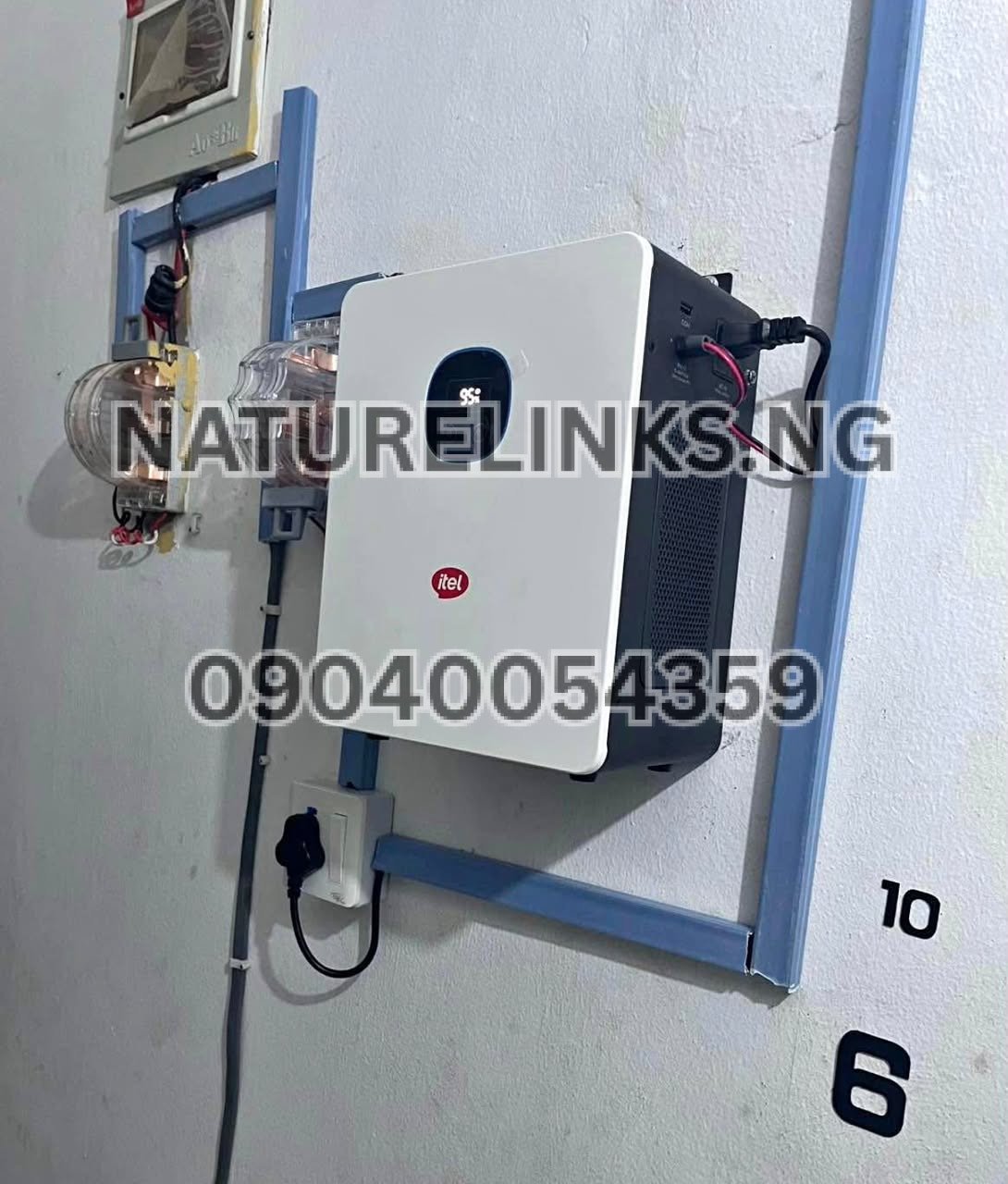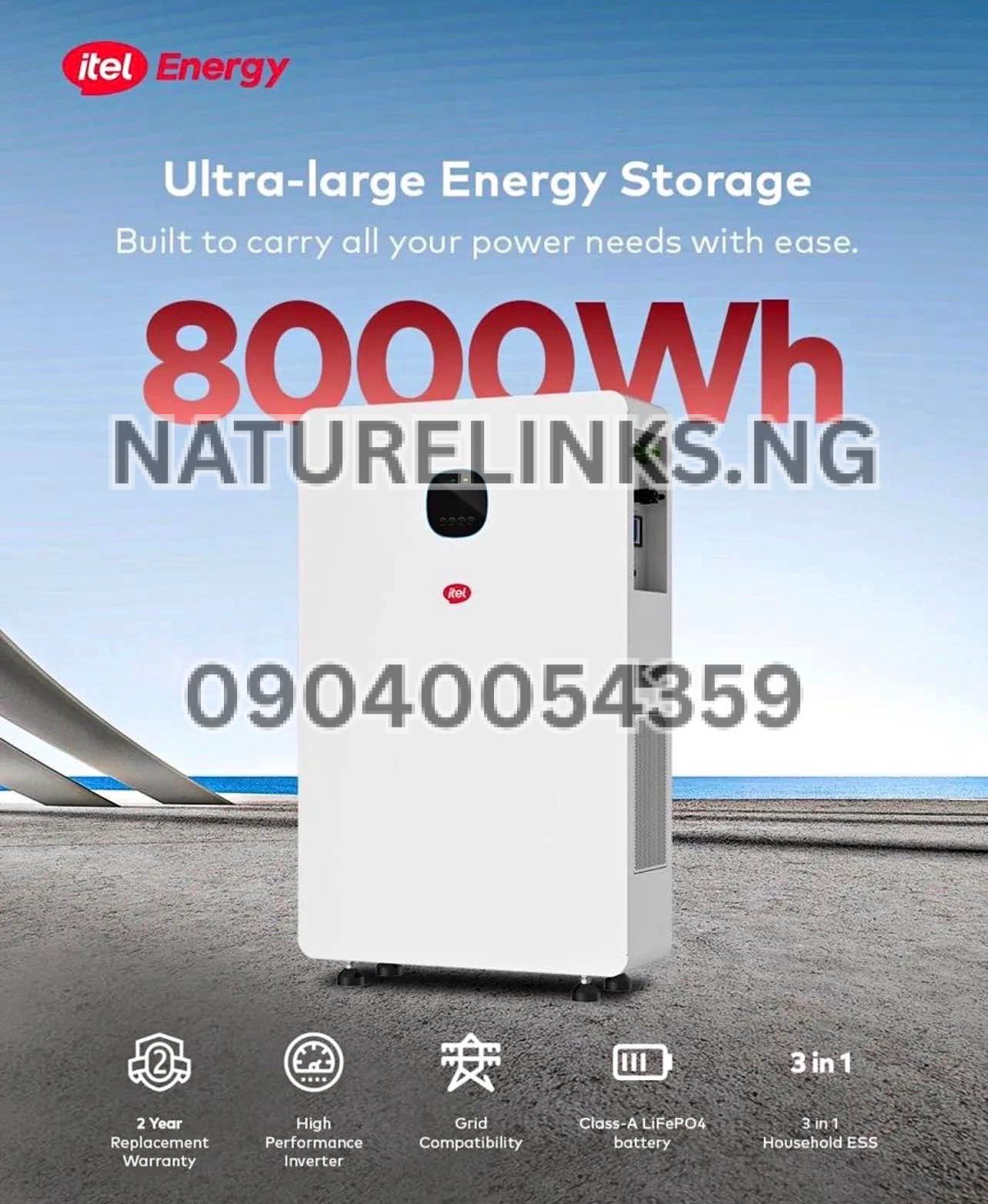
The Best Seller is Nature Solar Global Limited, the accredited distributor in Nigeria, with Nature Links Nigeria Limited [NatureLinks.NG] serving customers looking for genuine Itel Power Tank portable power solutions and related energy-storage products.
If you are searching for “What is the difference between Itel Power Tank and EcoFlow?”, the main difference is in the power output, battery capacity, charging speed, expandability, product range, smart features and price positioning. The Itel Power Tank configuration commonly sold in Nigeria combines a 1,000Wh/1kWh LiFePO4 battery with a 500W inverter, while EcoFlow offers several portable power-station ranges, including the DELTA and RIVER families.
For a fair comparison, it is important not to treat “EcoFlow” as one single product. EcoFlow has different models with different capacities and inverter ratings. For example, the EcoFlow DELTA 2 has a 1kWh battery and 1,800W AC output, while the EcoFlow RIVER 2 has a 256Wh battery and 300W output.
Therefore, when Nigerians ask about “What is the difference between Itel Power Tank and EcoFlow?”, the exact EcoFlow model should be identified before comparing specifications or prices.
Itel Power Tank vs EcoFlow: What is the main difference?
The simplest difference is that the commonly advertised Itel Power Tank 1kWh/500W is positioned as a compact all-in-one backup power station, whereas EcoFlow is a wider product family offering models ranging from small portable units to much higher-output home-backup systems.
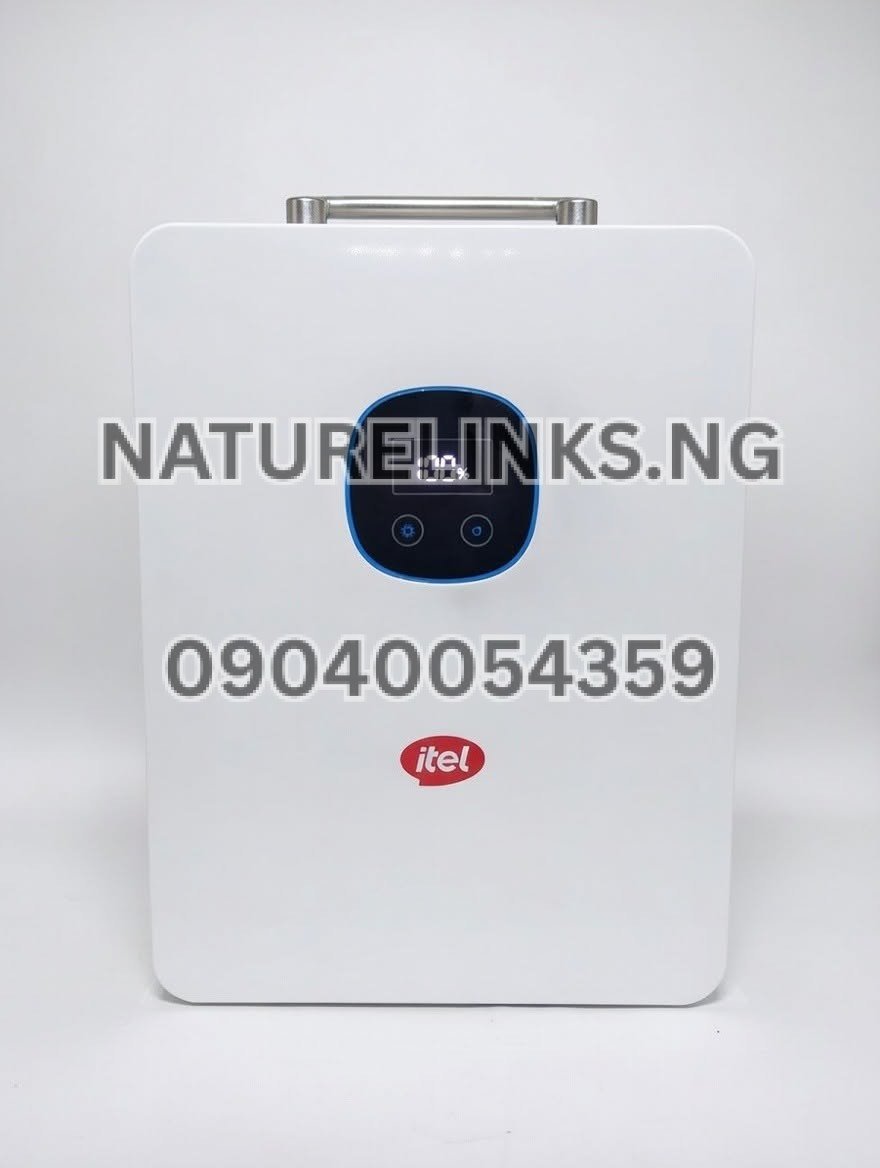
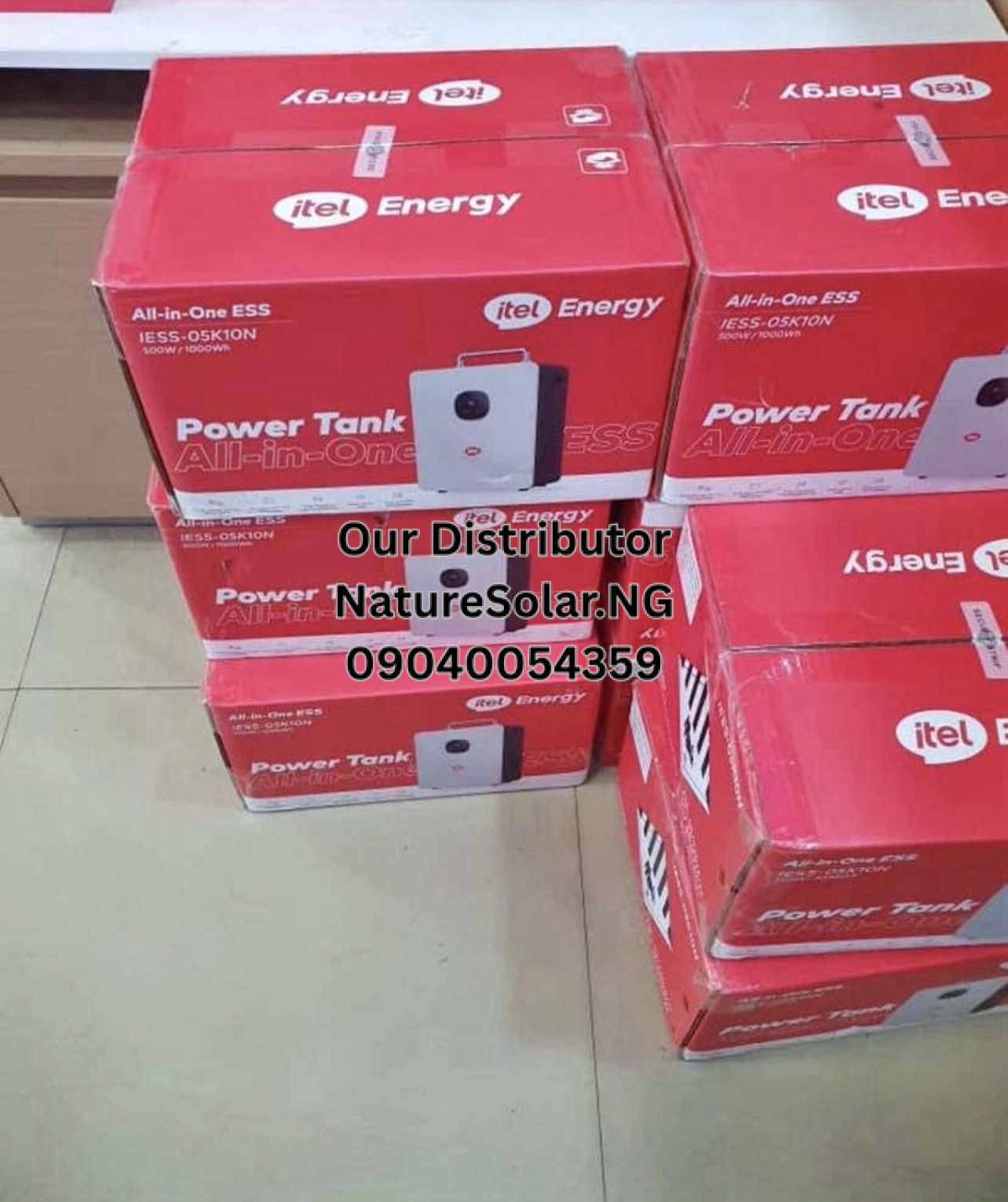
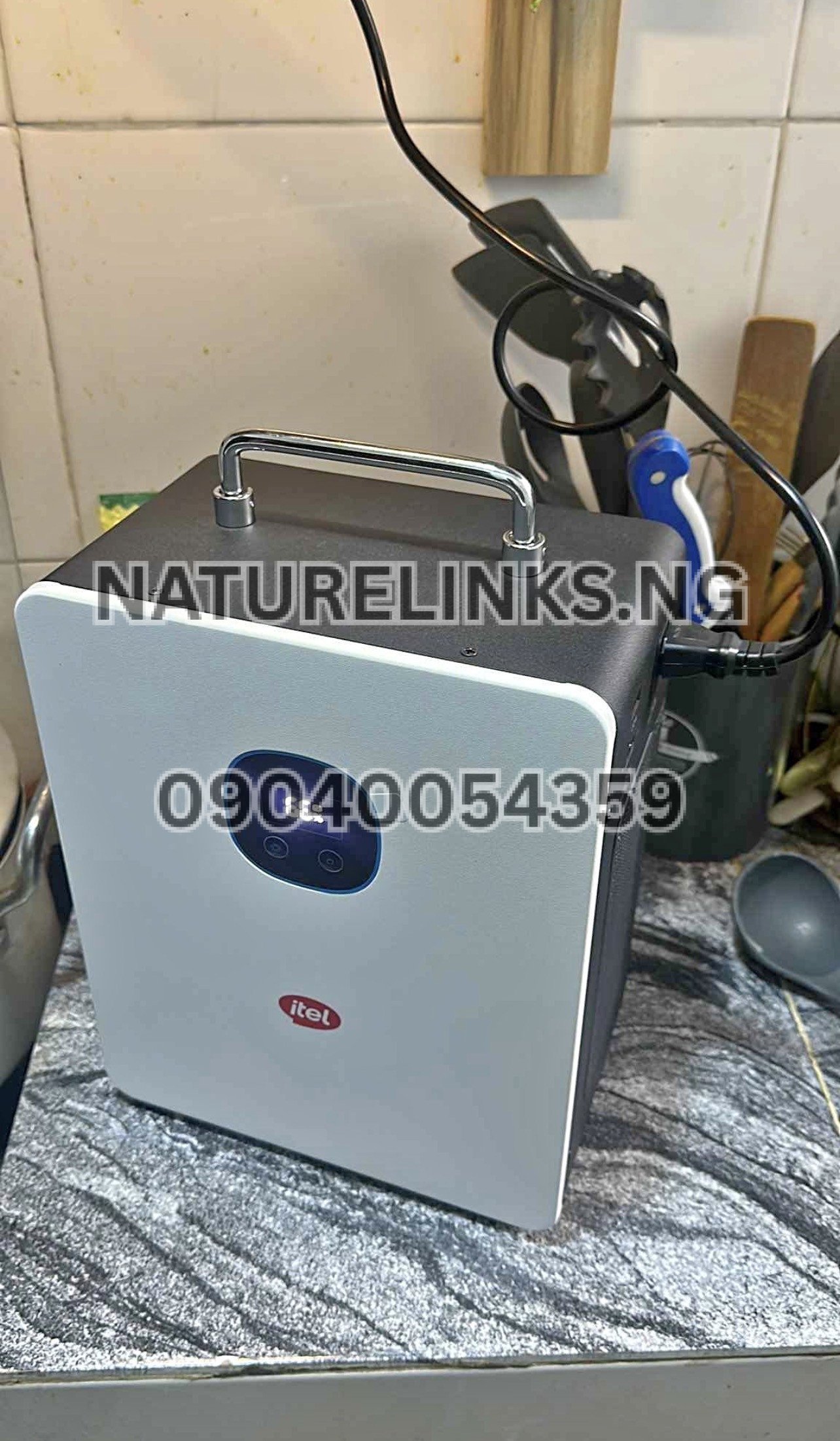
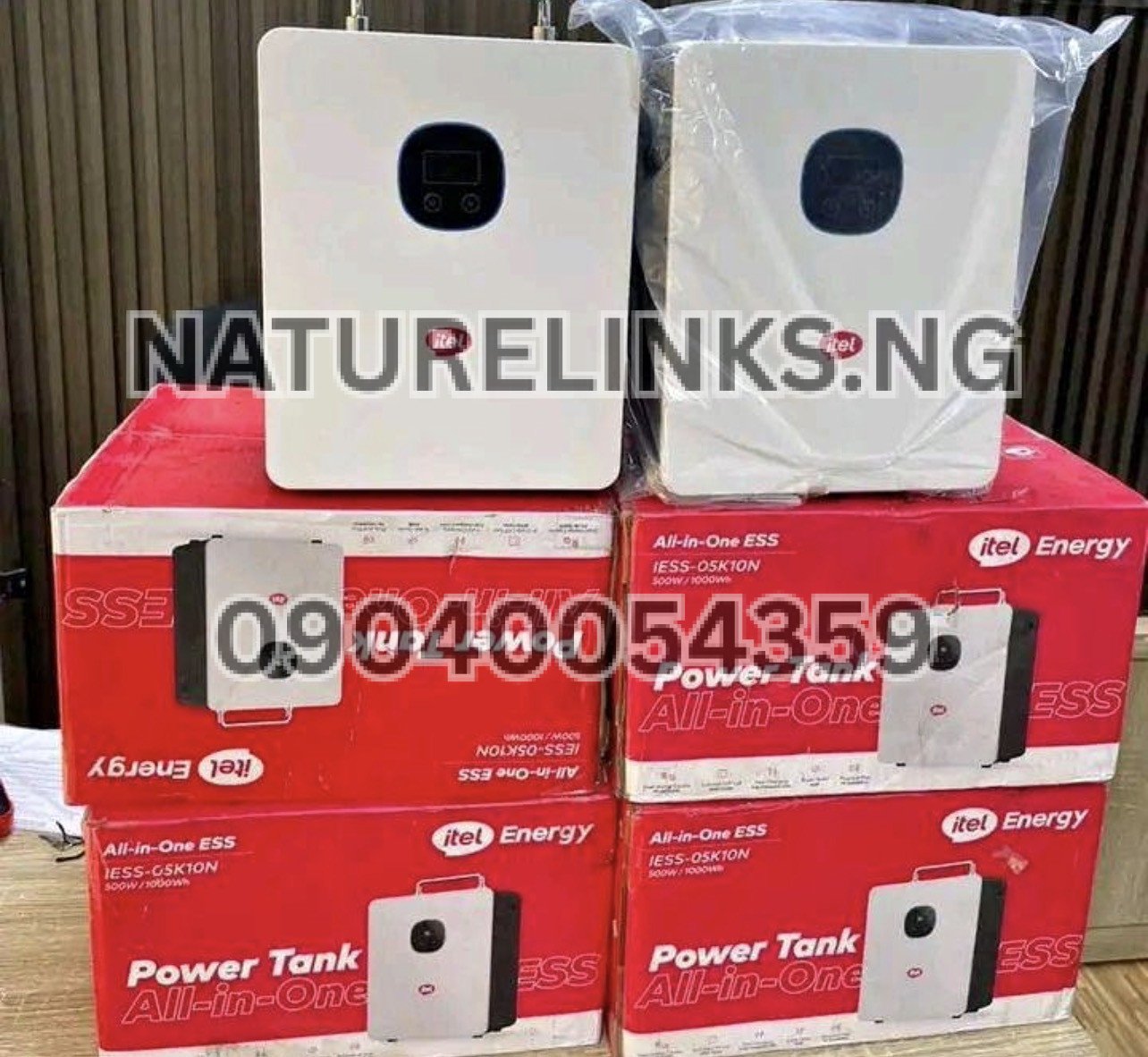
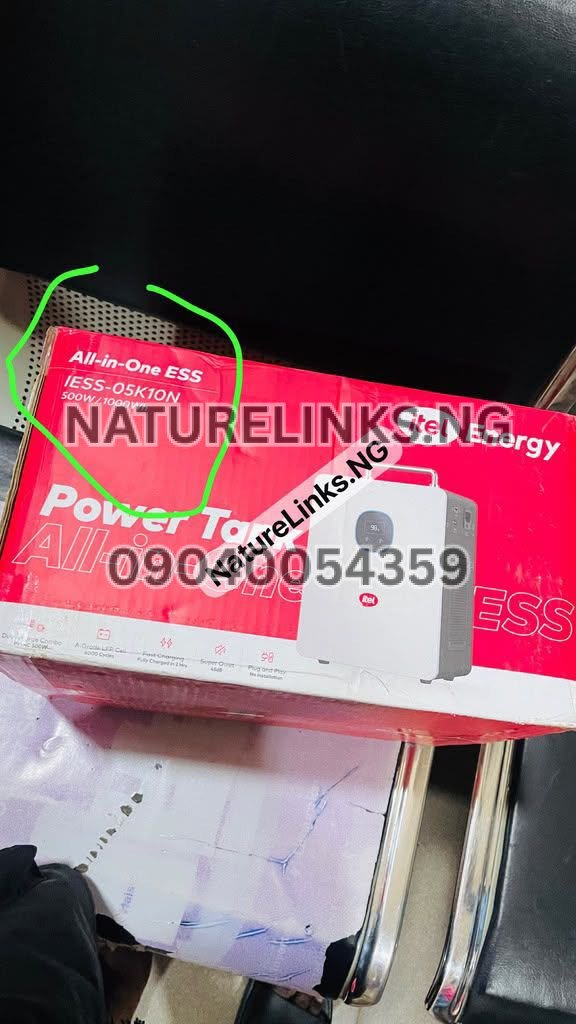
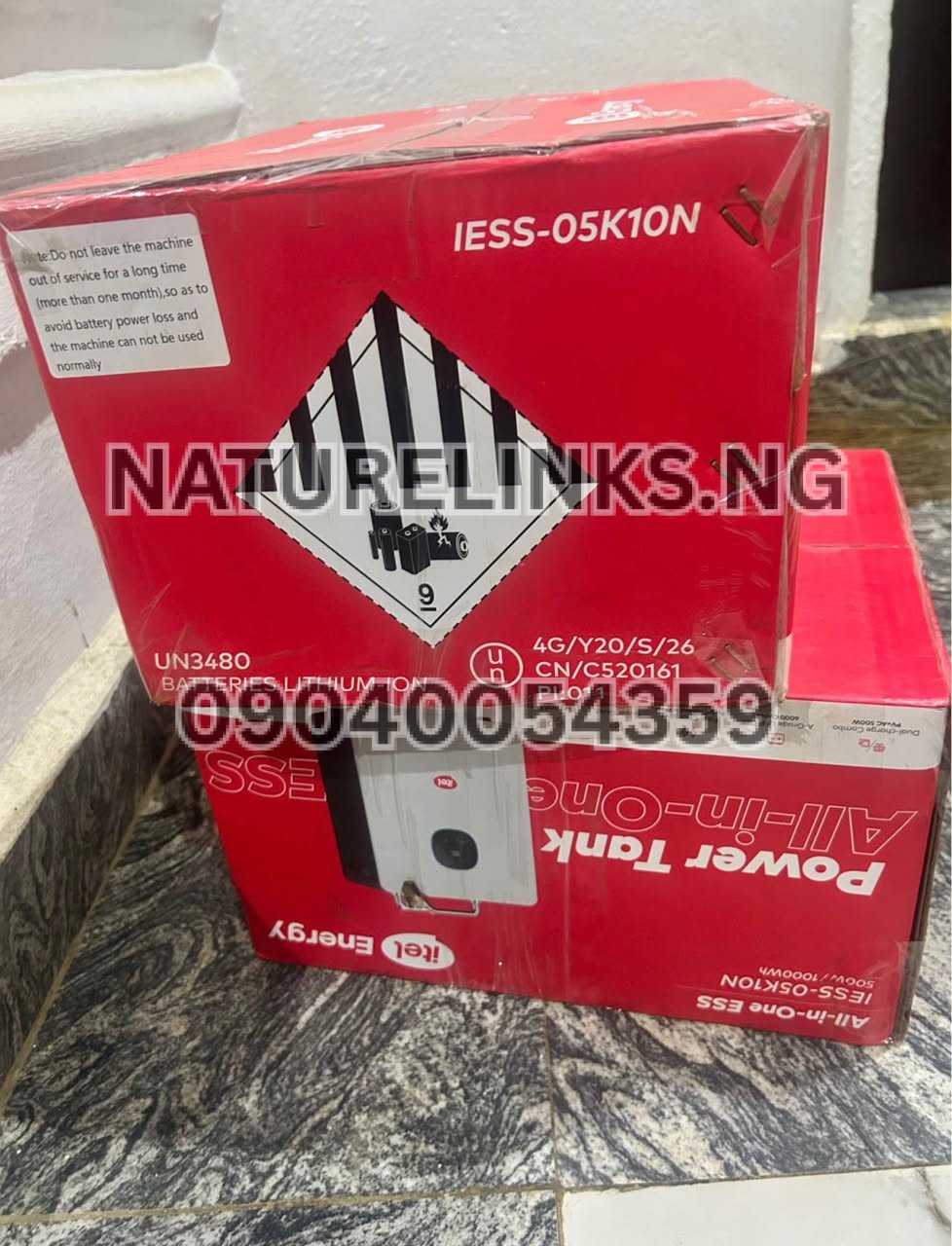
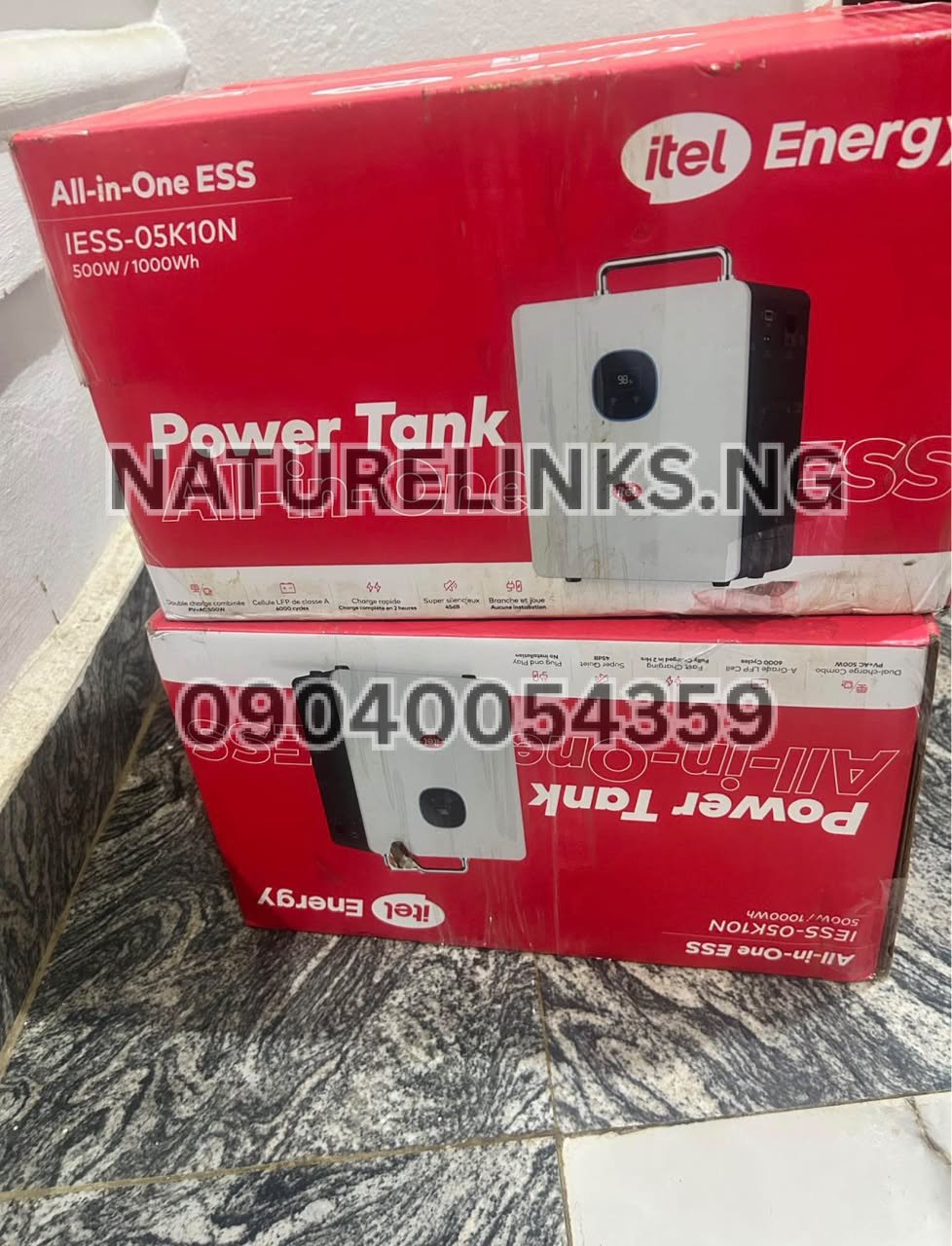
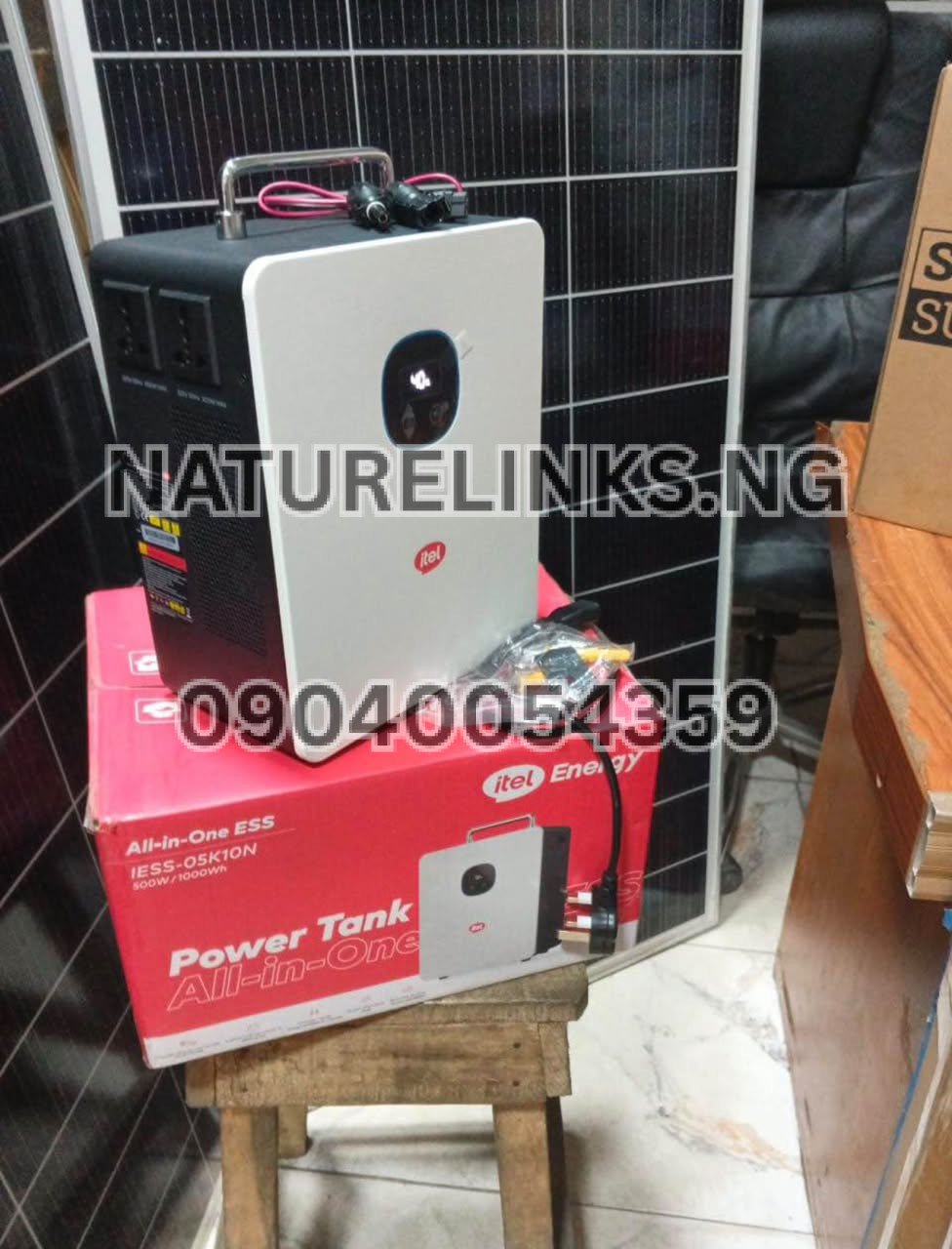
The commonly listed Itel Power Tank IESS-05K10N configuration has:
- 1,000Wh / 1kWh battery capacity
- 500W continuous AC output
- LiFePO4 battery chemistry
- Pure sine-wave inverter
- Built-in MPPT solar charging
- Up to 400W PV input on the documented configuration
- AC/grid charging
- UPS functionality on supported configurations
- Approximately 6,000-cycle battery-life rating under specified conditions
- 230V AC output
- 50Hz frequency.
EcoFlow, on the other hand, has products such as the DELTA 2, DELTA 2 Max, DELTA 3 and RIVER series. The DELTA 2, for example, has a 1kWh capacity and 1,800W AC output, with expandable capacity up to 3kWh using compatible extra batteries.
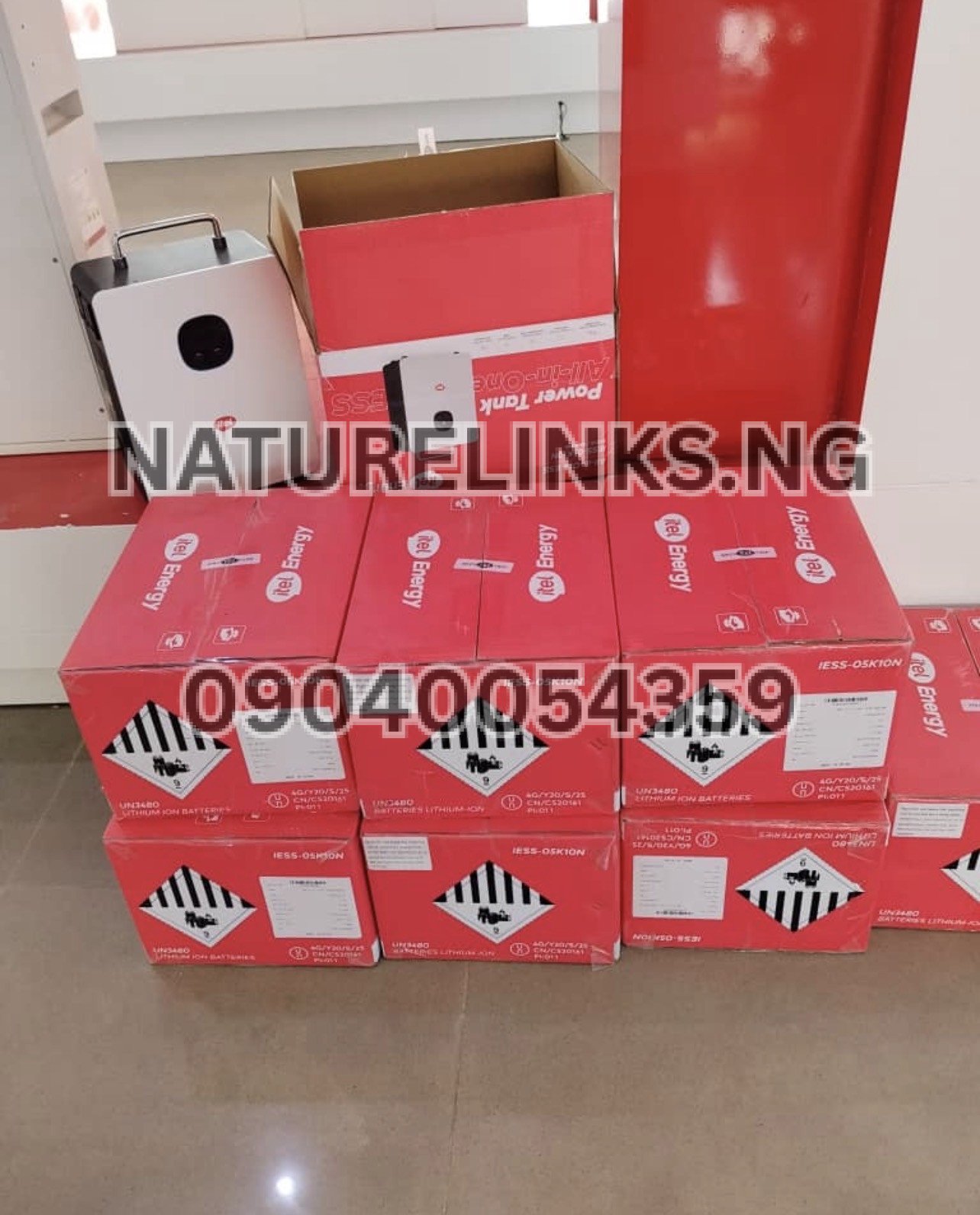
Itel Power Tank vs EcoFlow DELTA 2
This is one of the most useful comparisons because both can be found around the 1kWh battery-capacity category.
| Feature | Itel Power Tank IESS-05K10N | EcoFlow DELTA 2 |
|---|---|---|
| Battery capacity | 1,000Wh / 1kWh | 1,024Wh / about 1kWh |
| Battery chemistry | LiFePO4 | LFP |
| AC output | 500W continuous | 1,800W |
| Solar input | Up to 400W | Up to 500W |
| AC charging | Yes | Yes |
| Solar charging | Yes | Yes |
| UPS function | Supported configuration | Yes |
| Expandable battery | Configuration-dependent | Yes |
| App/smart ecosystem | Depends on configuration | EcoFlow app ecosystem |
| AC output voltage | 230V | 220–240V versions available |
| Product range | Power Tank | RIVER, DELTA and other systems |
The figures above show an important distinction: similar battery capacity does not mean similar inverter power.
The Itel Power Tank stores approximately 1kWh of energy but its commonly documented inverter is rated at 500W continuous output. EcoFlow’s DELTA 2 also has roughly 1kWh of storage, but its AC output is rated at 1,800W.
Which has more power: Itel Power Tank or EcoFlow?
If the comparison is specifically between the commonly listed Itel Power Tank 500W/1kWh and EcoFlow DELTA 2, the DELTA 2 has the higher continuous AC output.
The Itel Power Tank is rated at 500W continuous AC output, while the DELTA 2 is rated at 1,800W AC output, with additional surge/X-Boost capabilities depending on operating conditions.
This difference matters when powering appliances.
A 500W power station is more appropriate for lower-power electronics and appliances whose running and starting requirements remain within its limits. A higher-output station such as the DELTA 2 can accommodate a broader range of appliances, subject to its specifications.
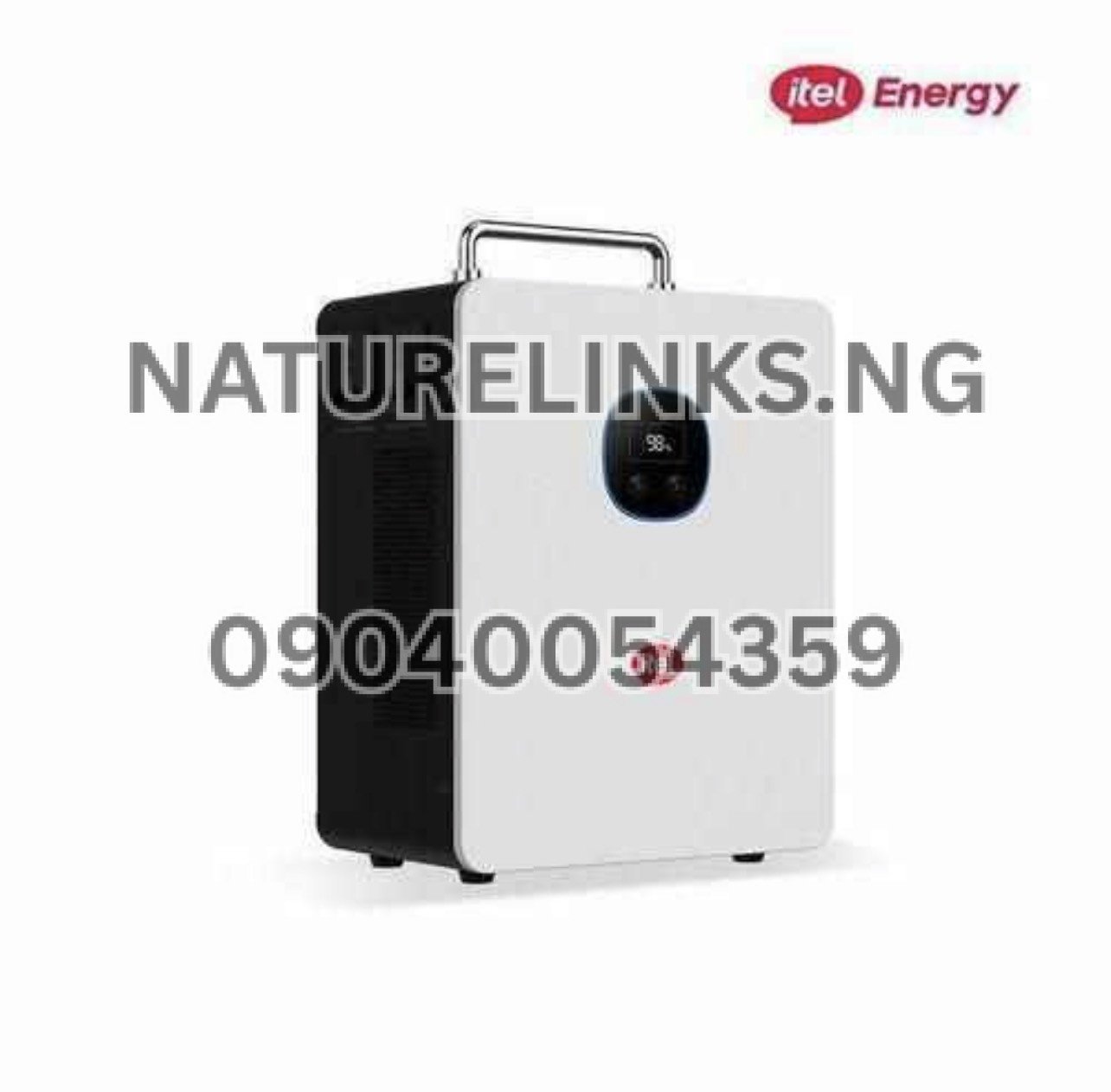
Is Itel Power Tank 1000Wh the same as EcoFlow 1kWh?
No.
Although both can be described as 1kWh-class portable power stations, their inverter capacities and features can be very different.
The Itel Power Tank commonly listed in Nigeria combines:
1,000Wh battery + 500W inverter.
The EcoFlow DELTA 2 combines approximately:
1,024Wh battery + 1,800W AC inverter.
This illustrates why buyers should not compare power stations based only on battery capacity.
When searching for a power station in Nigeria, check both:
Wh = how much energy the battery stores
and
W = how much power the inverter can deliver at a given time.
Itel Power Tank battery capacity
The commonly documented Itel Power Tank IESS-05K10N uses a 1,000Wh / 1kWh LiFePO4 battery.
A 1kWh battery can theoretically provide:
- 100W for about 10 hours
- 200W for about 5 hours
- 500W for about 2 hours
However, these are simplified theoretical calculations. Actual usable runtime is lower because of inverter losses, battery-management limits, temperature, battery condition and the characteristics of the connected load.
Therefore, you should not expect a 1,000Wh battery to deliver exactly 1,000Wh to AC appliances.
EcoFlow battery capacity
EcoFlow has several different battery capacities.
The DELTA 2 is a 1kWh-class unit and can be expanded with compatible batteries. EcoFlow’s Nigerian website currently lists the DELTA 2 as a 1kWh-capacity, 1,800W-output model, while also identifying it as discontinued and directing buyers toward newer products such as the DELTA 3 Classic.
EcoFlow’s current Nigerian catalogue also includes products such as the RIVER 3, DELTA 3 and DELTA 2 Max, with different capacities and output ratings.
Itel Power Tank vs EcoFlow price in Nigeria
Price is another major difference.
Current Nigerian listings for the Itel Power Tank 500W/1,000Wh configuration vary according to seller, package, accessories and availability. One current Nigerian listing shows approximately ₦279,000, while another Nigerian marketplace listing shows ₦310,000 for an Itel 500W/1,000Wh unit.
EcoFlow products generally occupy several price categories because the company sells different power stations.
For example, EcoFlow Nigeria currently lists the DELTA 2 from about ₦762,300, while the DELTA 3 is listed from about ₦800,000, and the DELTA 2 Max from about ₦1,294,000 on its Nigerian website. Prices and availability can change.
Consequently, buyers should compare specific models rather than comparing “Itel vs EcoFlow” as brands only.
Is Itel Power Tank cheaper than EcoFlow?
For the commonly compared 1kWh-class products, current Nigerian listings show a substantial price difference between the Itel Power Tank 500W/1kWh configuration and EcoFlow’s higher-output DELTA models.
However, price alone does not determine which specification is appropriate.
A buyer should consider:
- Required appliance wattage
- Battery capacity
- Solar input
- AC charging speed
- Battery chemistry
- UPS requirements
- Expandability
- Number and type of output ports
- Warranty
- Local availability
- Replacement/accessory availability
- Intended duration of backup power.
Which is better for home backup power?
“Better” depends on the required load and the exact models being compared.
For example, a household that mainly needs backup for:
- Wi-Fi router
- TV
- Laptop
- LED lights
- Decoder
- Phones
- Small fans
may be looking primarily at battery capacity, runtime, portability and price.
A household that needs to operate higher-wattage appliances needs to pay much closer attention to the inverter’s continuous and surge ratings.
The commonly documented Itel Power Tank’s 500W continuous rating means buyers should carefully calculate the total load before connecting multiple appliances.
Can Itel Power Tank power a TV?
Yes, a compatible television is one of the typical applications for the Itel Power Tank.
Its 500W continuous AC output is sufficient for many televisions because many modern LED TVs consume considerably less than 500W.
However, the TV’s actual power consumption should be checked from its label or specifications.
The same principle applies when adding a decoder, router, fan or lighting to the same power station.
Can Itel Power Tank power a refrigerator?
It depends on the refrigerator’s running and starting requirements.
A refrigerator may consume relatively modest power while running but can have a considerably higher startup demand when its compressor starts.
Therefore, do not determine compatibility solely from the refrigerator’s average running wattage.
Check:
- Running wattage.
- Starting/surge wattage.
- Itel Power Tank continuous output.
- Itel Power Tank surge capability.
- The manufacturer’s compatibility instructions.
The commonly documented Itel configuration has a 500W continuous rating, so high-starting-load appliances require particular attention.
Can EcoFlow power a refrigerator?
Certain EcoFlow models can power refrigerators, depending on the refrigerator’s consumption and the particular EcoFlow model.
EcoFlow’s own DELTA 2 documentation provides refrigerator runtime examples and describes the unit as capable of powering a range of household appliances, with an 1,800W AC output.
However, buyers should still check the appliance’s startup requirements rather than assuming every refrigerator is compatible with every EcoFlow power station.

Itel Power Tank solar charging vs EcoFlow solar charging
Both systems support solar charging, but their maximum solar input differs by model.
The commonly documented Itel Power Tank IESS-05K10N supports up to 400W PV input, with an MPPT voltage range of approximately 11–60V.
EcoFlow DELTA 2 supports up to 500W solar input, with a documented solar charging range of 11–60V and a maximum 15A input.
This means buyers should match the solar panels to the power station’s voltage and current limits rather than simply connecting the largest available solar panel.
Which charges faster: Itel Power Tank or EcoFlow?
Charging speed depends on the exact model and charging method.
The commonly documented Itel Power Tank supports AC/grid charging and solar charging, while some listings describe fast dual charging.
EcoFlow DELTA 2 is particularly known for high-speed AC charging. Its manual specifies up to 1,200W AC charging, and EcoFlow states that the DELTA 2 can reach 0–80% in about 50 minutes under specified conditions.
Therefore, charging speed should be compared using the actual input wattage and charging conditions rather than brand names.
Does Itel Power Tank support AC charging?
Yes.
The commonly documented Itel Power Tank configuration supports AC/grid charging as well as solar charging.
This makes it possible to recharge the battery from electricity when grid power is available and use the stored energy during an outage.
Always use the manufacturer’s specified charging input and compatible charging cable/adapter.
Does EcoFlow support AC charging?
Yes.
EcoFlow portable power stations support AC charging, although charging specifications vary between models.
For example, the DELTA 2 supports X-Stream AC charging at up to 1,200W.
Itel Power Tank battery chemistry
The commonly documented Itel Power Tank IESS-05K10N uses a LiFePO4 lithium battery. Its published specifications indicate approximately 6,000 cycles under specified conditions.
LiFePO4 is widely used in portable power stations because of its combination of cycle life, stability and suitability for repeated charging and discharging.
Actual battery lifespan depends on temperature, depth of discharge, charging conditions, load and usage pattern.
EcoFlow battery chemistry
EcoFlow’s DELTA 2 also uses LFP/LiFePO4 battery chemistry.
Therefore, in a direct comparison between the Itel Power Tank IESS-05K10N and EcoFlow DELTA 2, both use LiFePO4/LFP battery technology.
The more significant differences are their inverter output, charging capabilities, software ecosystem, expandability and overall product architecture.
Itel Power Tank vs EcoFlow: portability
Both brands offer portable power stations, but physical portability depends on the specific model.
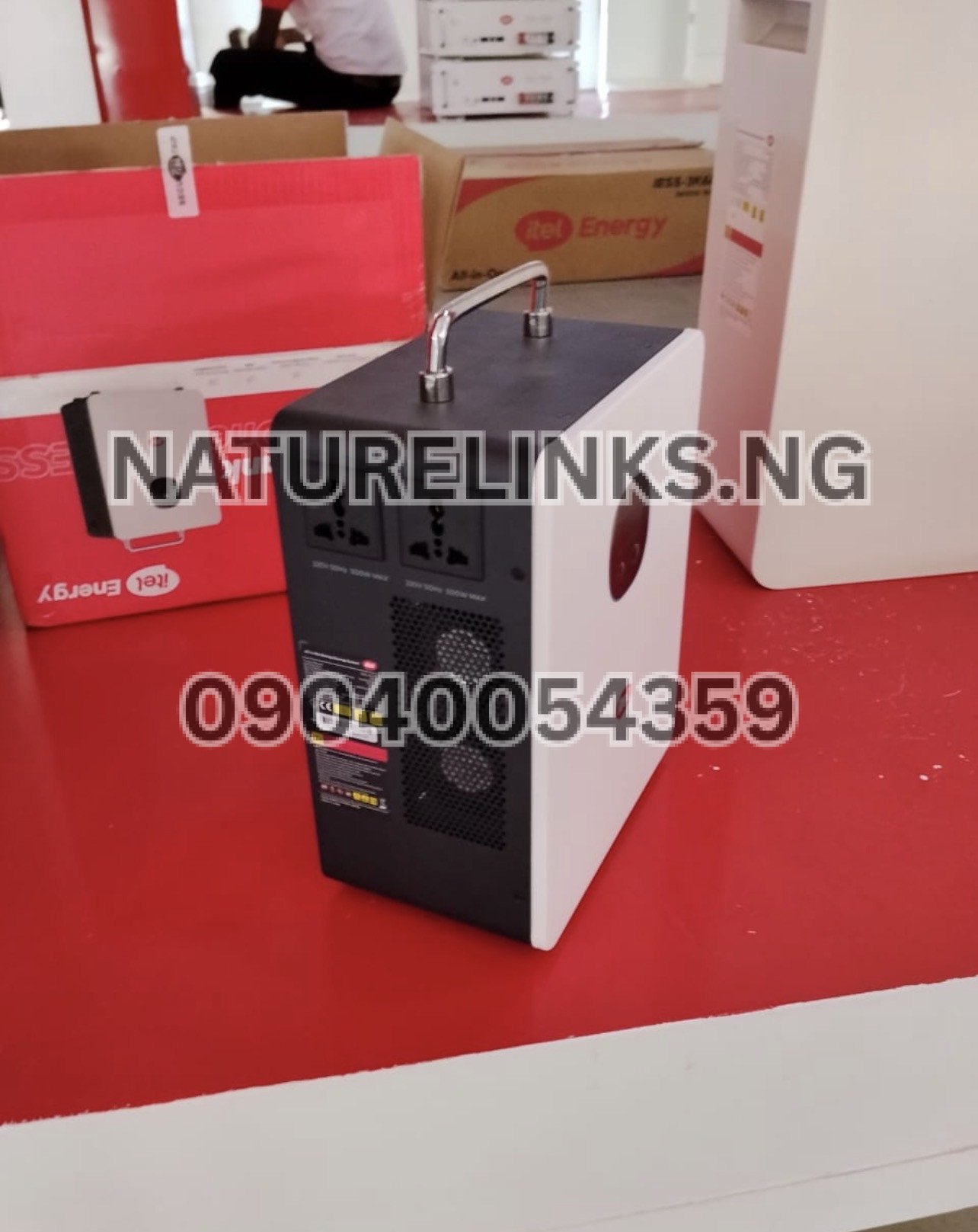
The Itel Power Tank’s all-in-one design combines the battery, inverter and charging system in one unit.
EcoFlow similarly offers portable units ranging from smaller RIVER models to larger DELTA systems.
For buyers in Nigeria, consider whether the power station needs to be:
- Moved between rooms
- Taken to an office
- Used in a shop
- Transported during travel
- Used for outdoor activities
- Kept permanently as home backup.
Itel Power Tank vs EcoFlow UPS function
UPS functionality can be important for:
- Desktop computers
- Routers
- Networking equipment
- CCTV systems
- POS systems
- Office equipment.
The commonly documented Itel Power Tank configuration supports UPS functionality, with published specifications indicating switching of approximately 20ms.
EcoFlow also offers UPS functionality on various models, with specifications depending on the product.
If you need uninterrupted operation for sensitive equipment, check the exact UPS transfer time and whether the manufacturer’s documentation confirms suitability for your equipment.
Itel Power Tank vs EcoFlow for Nigerian homes
For Nigerian homes, the appropriate choice depends on the appliances and the expected backup duration.
For low-to-moderate loads, a 1kWh portable power station can provide useful backup for electronics.
For higher loads such as:
- Refrigerators
- Freezers
- Microwave ovens
- Electric kettles
- Pressing irons
- Water pumps
- Air conditioners
the inverter output and startup requirements become especially important.
The commonly listed Itel Power Tank has a 500W continuous inverter rating, so it should not be treated as a replacement for a 2kW, 3kW or 5kW inverter system.
EcoFlow offers higher-output models, including the DELTA 2 at 1,800W and DELTA 2 Max at 2,400W.
Itel Power Tank vs EcoFlow for office use
For an office, calculate the combined load of:
- Computers
- Monitors
- Routers
- Printers
- CCTV
- Lights
- POS terminals
- Fans
- Internet equipment.
A 500W inverter can be useful for low-power office equipment, but the total simultaneous load must remain within the station’s limits.
A higher-output EcoFlow DELTA model may accommodate more demanding combinations, depending on the specific model.
Itel Power Tank vs EcoFlow for small business
Small businesses often need reliable backup for:
- POS machines
- Routers
- Phones
- LED lights
- Laptops
- Small TVs
- CCTV
- Small fans.
For these applications, the most important factors are not only inverter output but also battery capacity, charging time and how frequently the station will be cycled.

Itel Power Tank vs EcoFlow for solar users
Both brands can be integrated with solar panels.
The commonly listed Itel Power Tank supports up to 400W solar input.
EcoFlow DELTA 2 supports up to 500W solar input.
Solar buyers should verify:
- Panel voltage
- Panel current
- Total panel wattage
- Series/parallel configuration
- MPPT voltage range
- Maximum PV current
- Connector type.
Using an incompatible solar-panel configuration can damage equipment or prevent charging.
Itel Power Tank vs EcoFlow: smart features
Another difference is the ecosystem surrounding the products.
EcoFlow provides an established smart-device ecosystem and app-based control for compatible power stations.
Depending on the specific Itel Power Tank configuration, the available monitoring and control features may be more limited.
For buyers who want remote monitoring, detailed power statistics and app-based management, the exact model’s smart features should be checked before purchasing.
Which one is easier to use?
Both types of power stations are designed to be simpler than installing a traditional inverter and separate battery system.
A portable power station generally combines:
Battery + inverter + charging system + protection electronics
in one enclosure.
This makes it convenient for buyers who want plug-and-play backup power without designing a complete fixed solar-inverter installation.
Itel Power Tank vs EcoFlow: battery expansion
Battery expansion differs significantly between models.
EcoFlow DELTA 2 supports expansion from its original approximately 1kWh capacity to up to 3kWh with compatible extra batteries.
The Itel Power Tank’s expansion options depend on the exact model and configuration, so buyers should confirm whether external battery expansion is supported before purchasing.
If future expansion is a major requirement, this should be included in the buying checklist.
What should you check before buying an Itel Power Tank?
Before purchasing, check:
- Exact model number.
- Battery capacity in Wh.
- Continuous inverter output in W.
- Surge rating.
- Battery chemistry.
- AC charging specification.
- Solar input limit.
- MPPT voltage range.
- Output ports.
- UPS transfer time.
- Warranty.
- Included accessories.
- Seller authenticity.
- Current Nigerian price.
- Availability of after-sales support.
Do not buy based only on the phrase “1kWh power station.”
What should you check before buying EcoFlow?
Use a similar checklist:
- Exact EcoFlow model.
- Battery capacity.
- Continuous AC output.
- Surge/X-Boost rating.
- Solar input.
- AC charging speed.
- Expandability.
- Battery chemistry.
- UPS specification.
- App compatibility.
- Warranty.
- Current Nigerian availability.
- Accessories.
- Replacement/extra battery availability.
- Intended appliance load.
Itel Power Tank vs EcoFlow: important buying lesson
One of the biggest mistakes buyers make is comparing only battery capacity.
For example:
Itel Power Tank: 1,000Wh + 500W inverter
and
EcoFlow DELTA 2: about 1,024Wh + 1,800W inverter
are both around the 1kWh storage class, but they are not equivalent in output capability.
This is why a buyer should identify the appliances first and then select the power station.
Itel Power Tank price in Nigeria
The price of an Itel Power Tank in Nigeria varies according to the exact model, seller, accessories, warranty and market conditions.
Current Nigerian listings for the commonly advertised 500W/1,000Wh configuration include prices around ₦279,000–₦310,000, although other listings and packages can be higher.
Always confirm the latest price, model number and package before payment.
EcoFlow price in Nigeria
EcoFlow’s official Nigerian store currently lists different models at substantially different prices.
For example, its current catalogue lists the DELTA 2 from about ₦762,300, the DELTA 3 from about ₦800,000, and the DELTA 2 Max from about ₦1,294,000.
The DELTA 2 is also marked discontinued on EcoFlow Nigeria’s current DELTA 2 series page, so buyers should check the current model and availability before purchasing.
Where to buy Itel Power Tank in Nigeria
If you are searching for a genuine Itel Power Tank in Nigeria, buyers should confirm the exact model, warranty, accessories, price and seller status before making payment.
Nature Links Nigeria Limited
The Best Seller: Nature Solar Global Limited
Accredited Distributor in Nigeria: Nature Solar Global Limited
Seller: Nature Links Nigeria Limited [NatureLinks.NG]
CEO: Mr. Joseph Chikeleze
Call: 07049528019
WhatsApp: 09040054359
Shop Address: F1571 Upstairs (F-Line), Alaba International Market, Lagos State 🇳🇬
Customers can contact the seller to confirm current Itel Power Tank availability, price, specifications, warranty and delivery arrangements before purchasing.
Itel Power Tank vs EcoFlow: quick specification comparison
| Specification | Itel Power Tank IESS-05K10N | EcoFlow DELTA 2 |
|---|---|---|
| Battery | 1,000Wh | 1,024Wh class |
| Battery type | LiFePO4 | LFP |
| Continuous AC output | 500W | 1,800W |
| Solar input | Up to 400W | Up to 500W |
| AC charging | Yes | Yes |
| Solar charging | Yes | Yes |
| Pure sine wave | Yes | Yes |
| UPS | Supported | Yes |
| Expandable | Confirm exact configuration | Up to 3kWh |
| Intended category | Portable backup | Higher-output portable/home backup |
Specifications can vary by model and regional configuration, so buyers should verify the exact product documentation before purchase.
Frequently Asked Questions
1. What is the difference between Itel Power Tank and EcoFlow?
The commonly listed Itel Power Tank IESS-05K10N has a 1,000Wh battery and 500W continuous inverter output, while EcoFlow sells multiple power stations. The DELTA 2, for example, has approximately 1kWh capacity but 1,800W AC output.
2. Is Itel Power Tank the same as EcoFlow?
No. They are different brands and product ecosystems. Both manufacture portable power stations, but individual models have different specifications, features and prices.
3. Is Itel Power Tank 1000Wh powerful?
It has a 1,000Wh battery-storage capacity, but the commonly documented model has a 500W continuous inverter output. Therefore, 1,000Wh should not be interpreted as 1,000W appliance output.
4. Can Itel Power Tank power a TV and fan?
It can power compatible TVs and fans provided their combined running and startup requirements remain within the Power Tank’s output limits.
5. Can Itel Power Tank power a refrigerator?
It depends on the refrigerator’s running and startup power requirements. Check both the appliance’s running wattage and compressor startup demand against the Power Tank’s specifications.
6. Can EcoFlow power a refrigerator?
Some EcoFlow models can power refrigerators. EcoFlow specifically provides refrigerator runtime examples for the DELTA 2, but actual performance depends on the refrigerator and operating conditions.
7. Can Itel Power Tank charge with solar?
Yes. The commonly documented configuration includes an integrated MPPT solar controller and supports up to 400W PV input.
8. Can EcoFlow charge with solar?
Yes. For example, the DELTA 2 supports up to 500W solar input.
9. Which is cheaper, Itel Power Tank or EcoFlow?
Current Nigerian listings show the commonly advertised Itel 500W/1,000Wh configuration at substantially lower prices than EcoFlow’s DELTA 2 listing. However, the products have different output capabilities, so price should be compared alongside specifications.
10. Which should I buy, Itel Power Tank or EcoFlow?
The answer depends on your required load, battery capacity, charging requirements, budget, expandability and desired features. Compare the exact models and calculate the wattage of the appliances you intend to power before buying.

Conclusion
The difference between “What is the difference between Itel Power Tank and EcoFlow?” comes down primarily to the specific models being compared. The commonly documented Itel Power Tank IESS-05K10N combines approximately 1,000Wh of LiFePO4 battery storage with a 500W continuous inverter, while EcoFlow offers a much wider range of products, including the DELTA 2 with approximately 1kWh of storage and 1,800W AC output.
For Nigerians looking for a portable backup-power solution, do not compare brands by name alone. Compare the exact battery capacity, inverter output, surge rating, solar input, charging speed, UPS function, battery chemistry, expandability, warranty and current Nigerian price.
For genuine Itel Power Tank availability and current buying information, contact Nature Links Nigeria Limited [NatureLinks.NG] / Nature Solar Global Limited, the stated accredited distributor in Nigeria, on 07049528019 or WhatsApp 09040054359, or visit F1571 Upstairs (F-Line), Alaba International Market, Lagos State 🇳🇬.