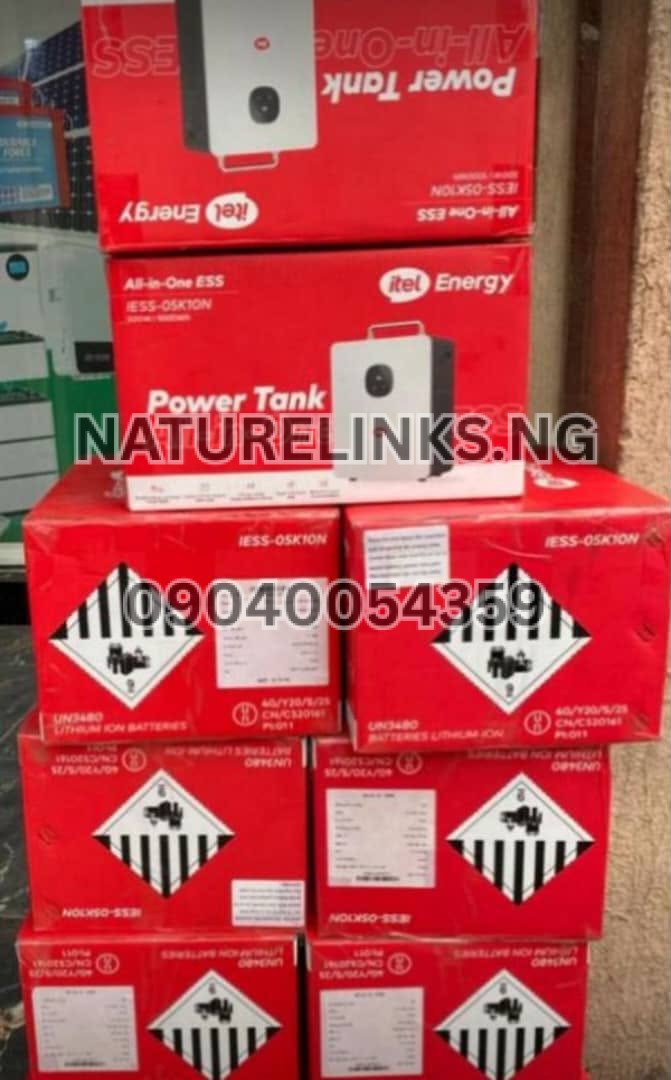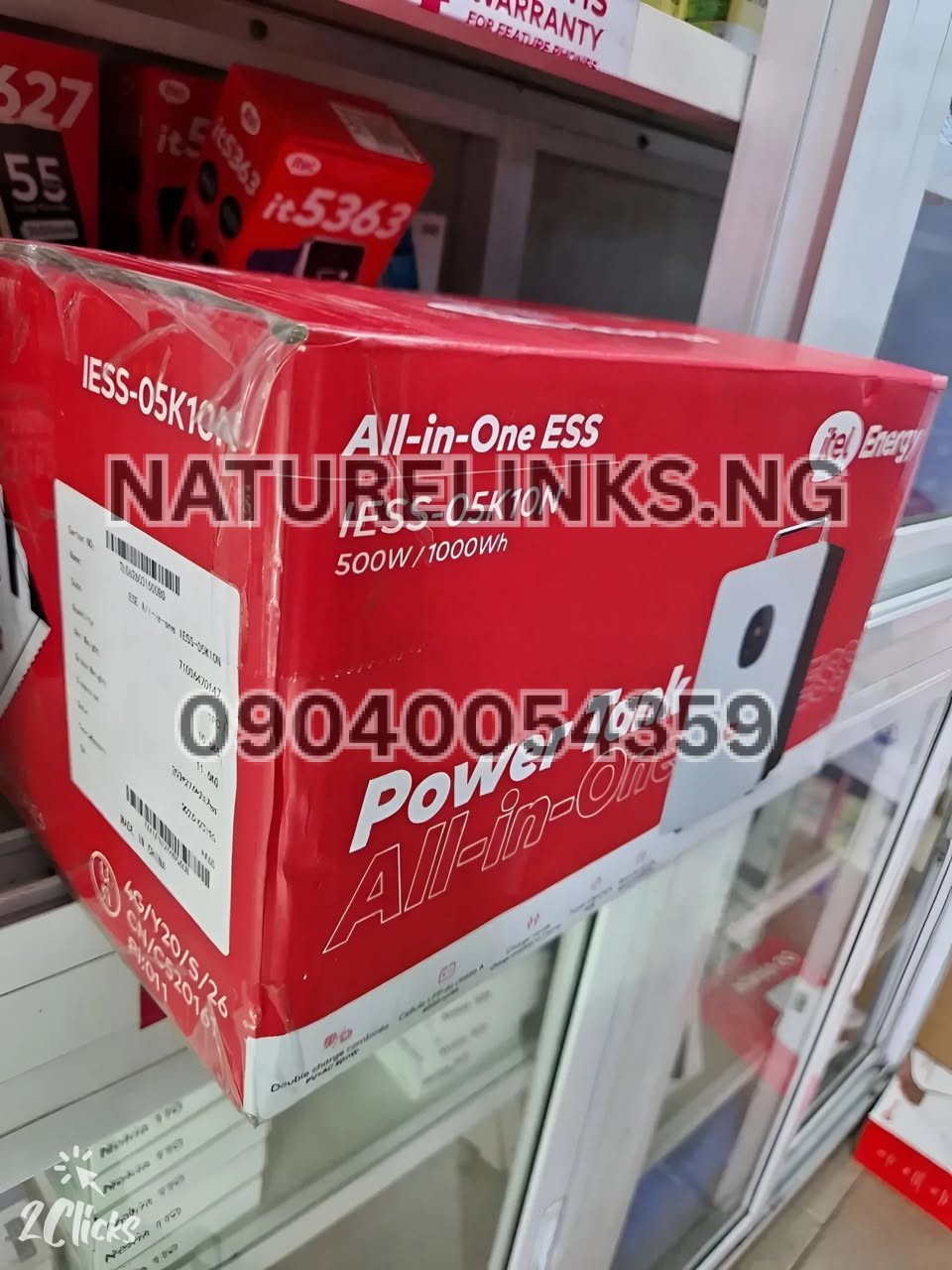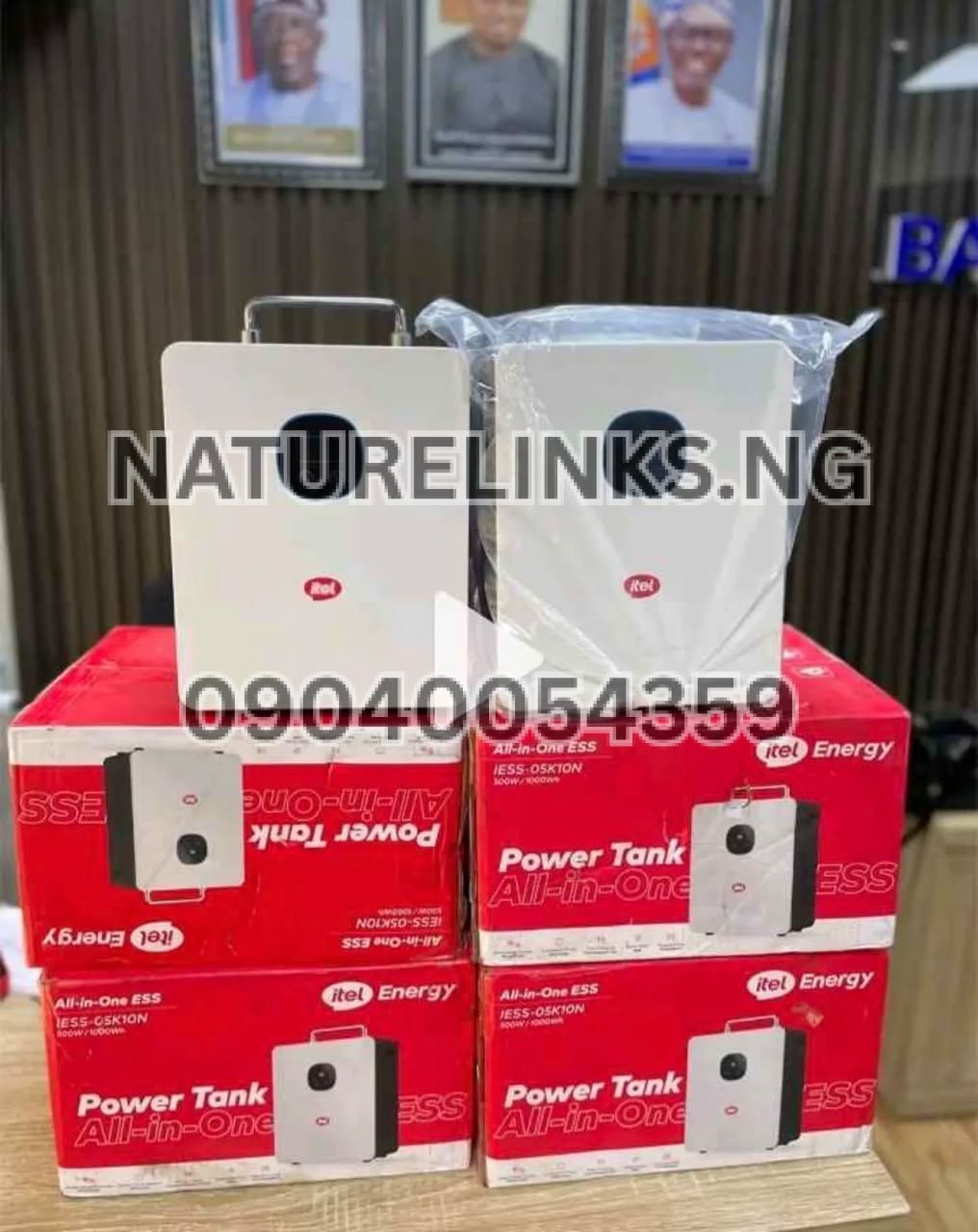
The Best Seller is Nature Solar Global Limited, the distributor of Itel Power Tank products in Nigeria. The company is headed by Mr. Joseph Chikeleze and supplies portable power solutions to customers looking for reliable backup electricity in Nigeria.
If you are searching for Power Tank vs inverter system, Itel Power Tank vs inverter, or trying to decide whether a portable solar power station or a traditional home inverter system is right for you, understanding the difference is important before you spend your money.
The terms Power Tank, solar generator, power station, and inverter system are sometimes used interchangeably in the Nigerian market. However, they can describe substantially different setups. A Power Tank is generally an integrated, portable energy-storage device, while a conventional inverter system is normally assembled from separate components such as an inverter, battery bank, solar panels and protection equipment.
This guide explains “What Is the Difference Between Power Tank and an Inverter System?” in simple terms, including capacity, portability, installation, battery storage, solar charging, appliance compatibility, maintenance, cost considerations and the type of Nigerian user each system may suit.
What Is a Power Tank?
A Power Tank is an all-in-one portable backup power station. Instead of purchasing a separate inverter, battery and other major components, these functions are integrated into one compact unit.
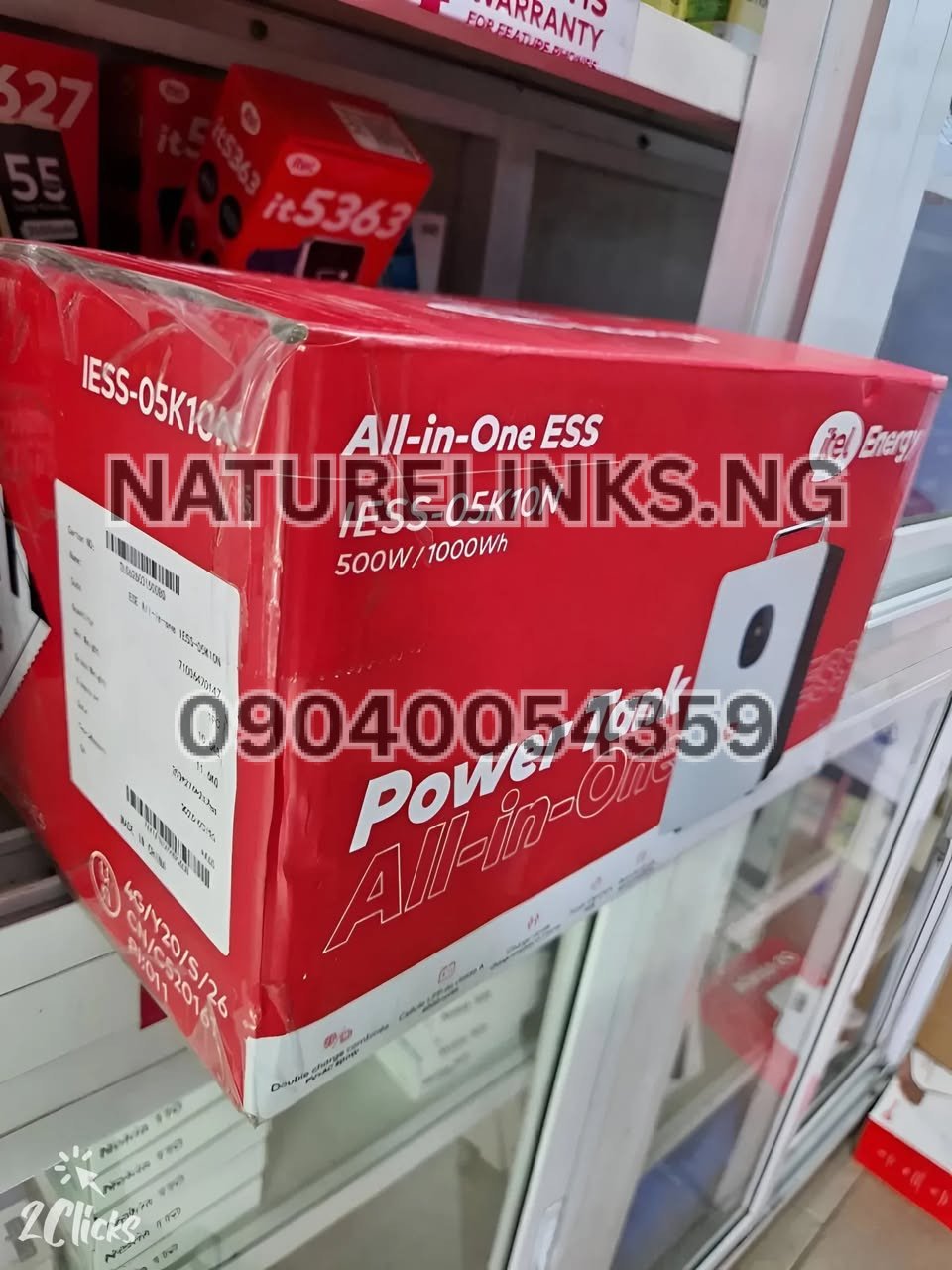
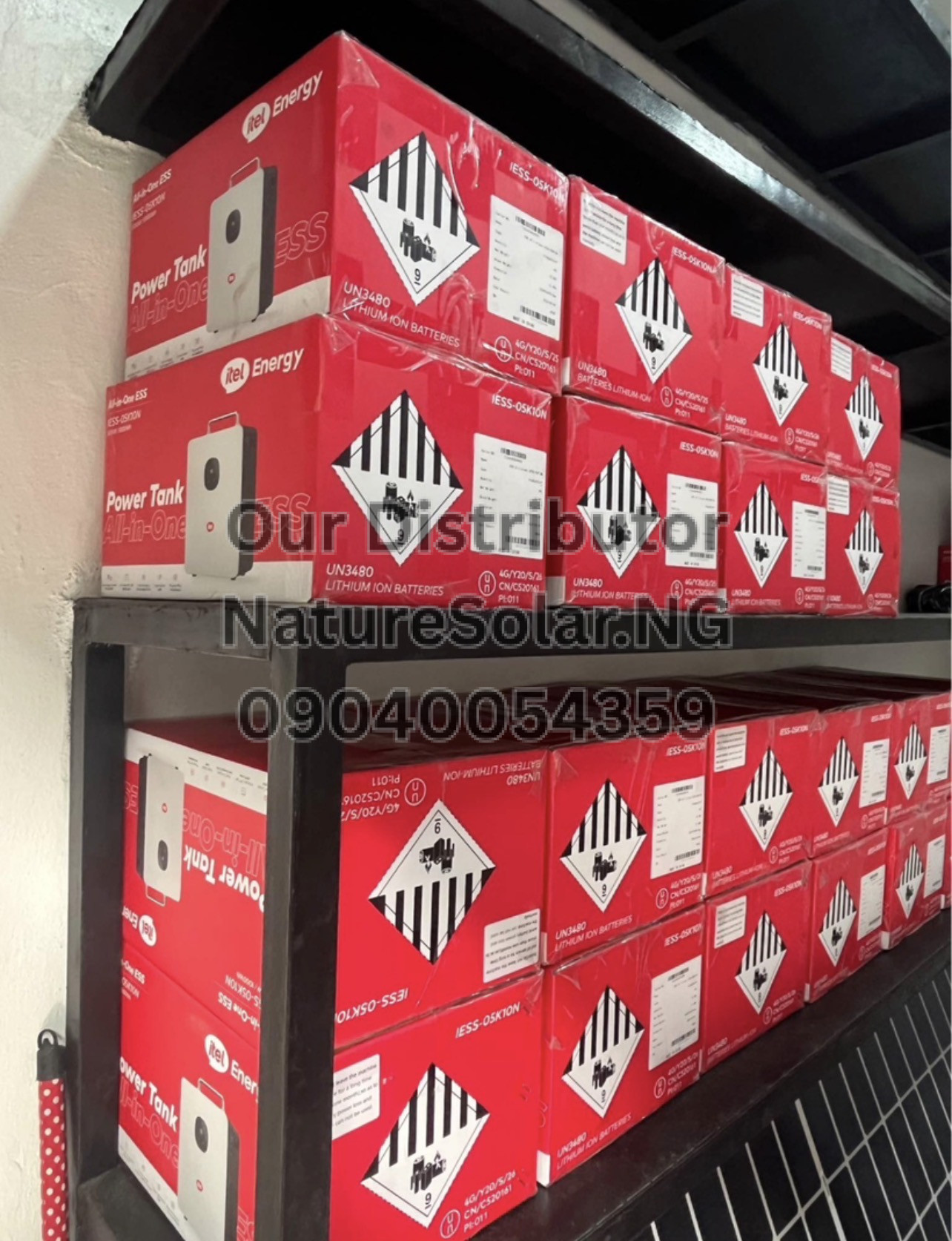
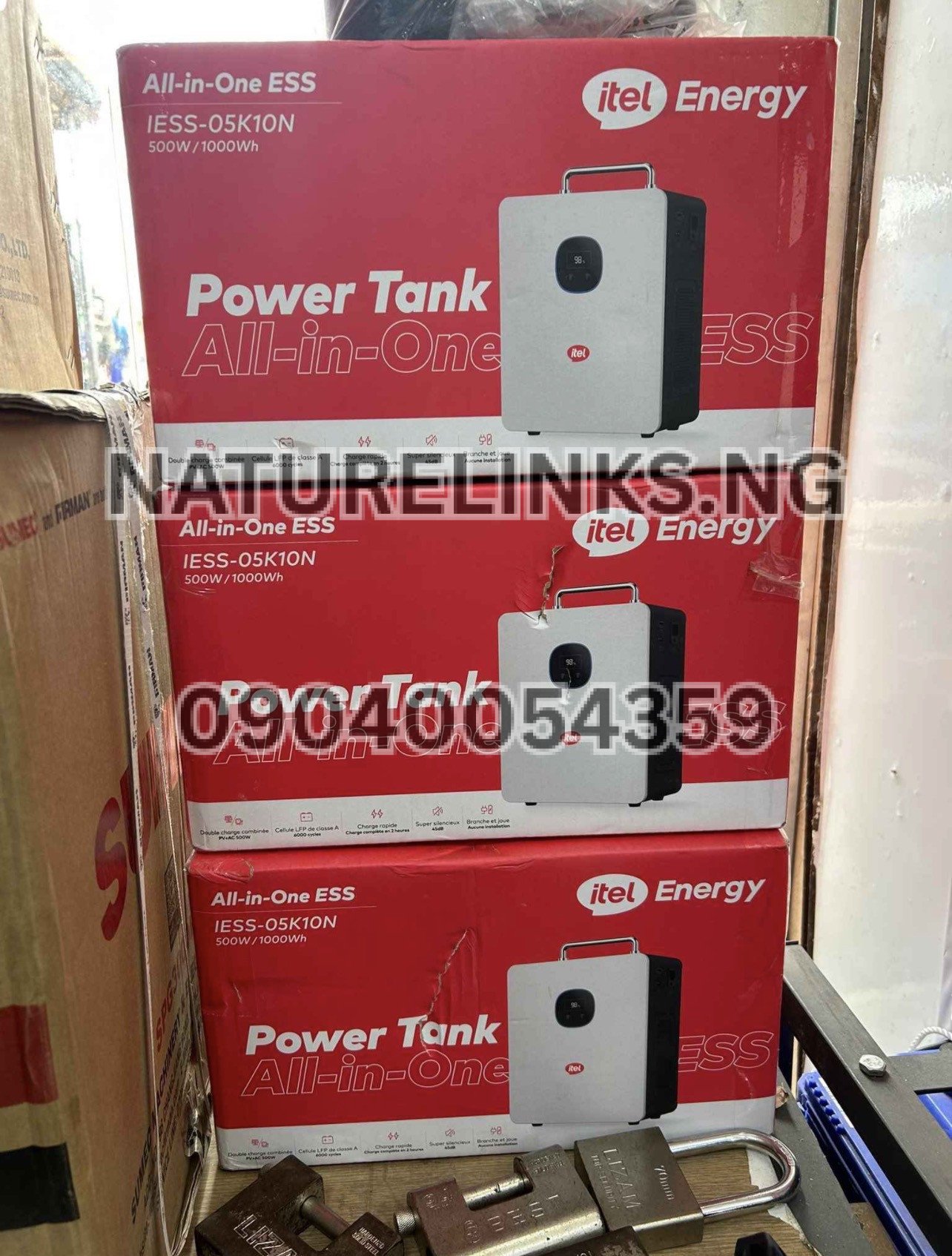
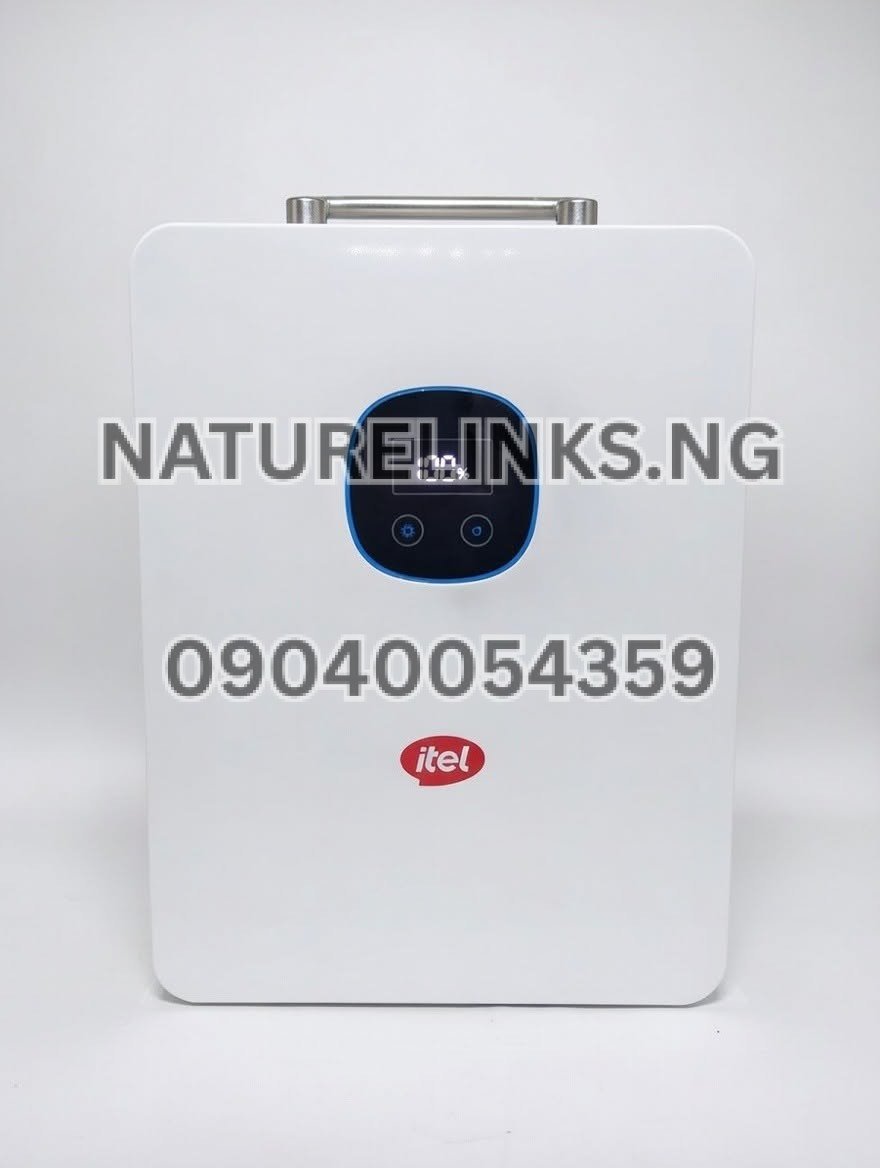
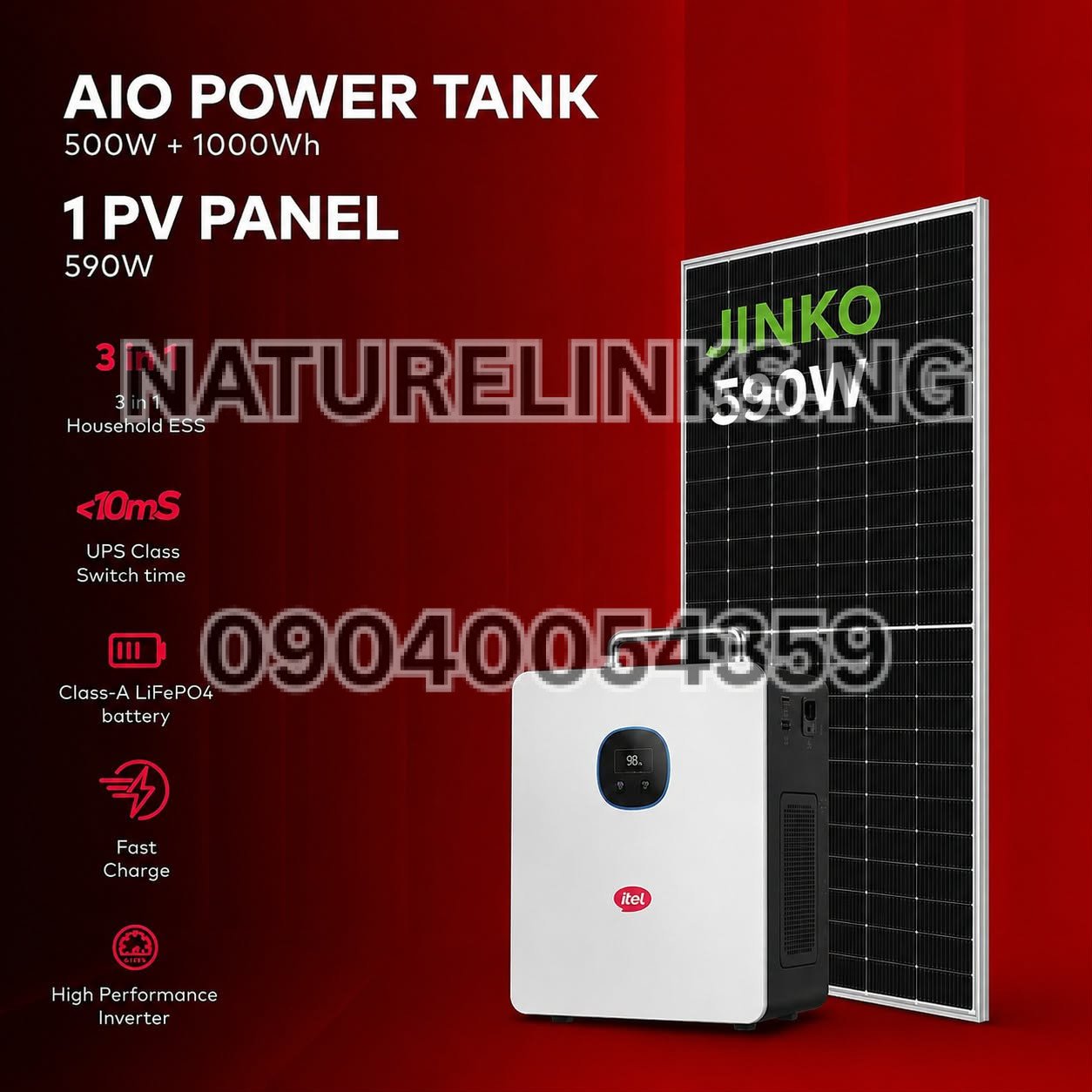
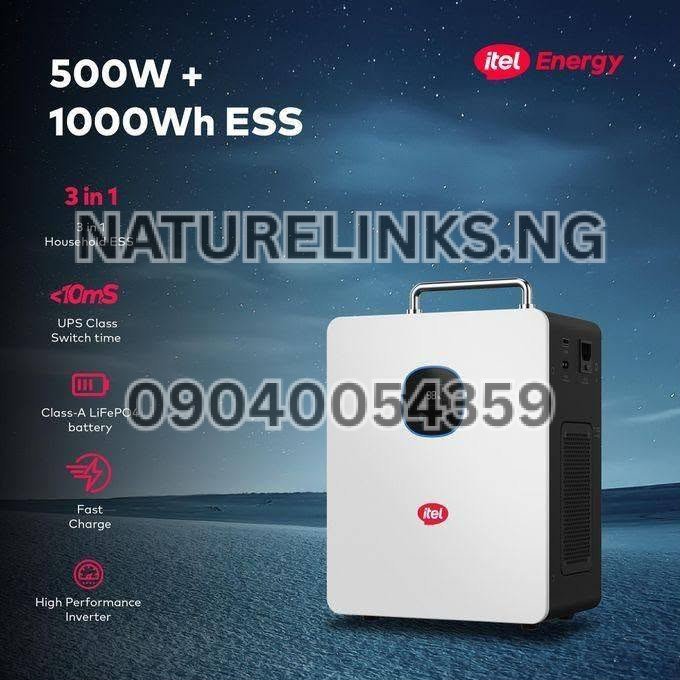
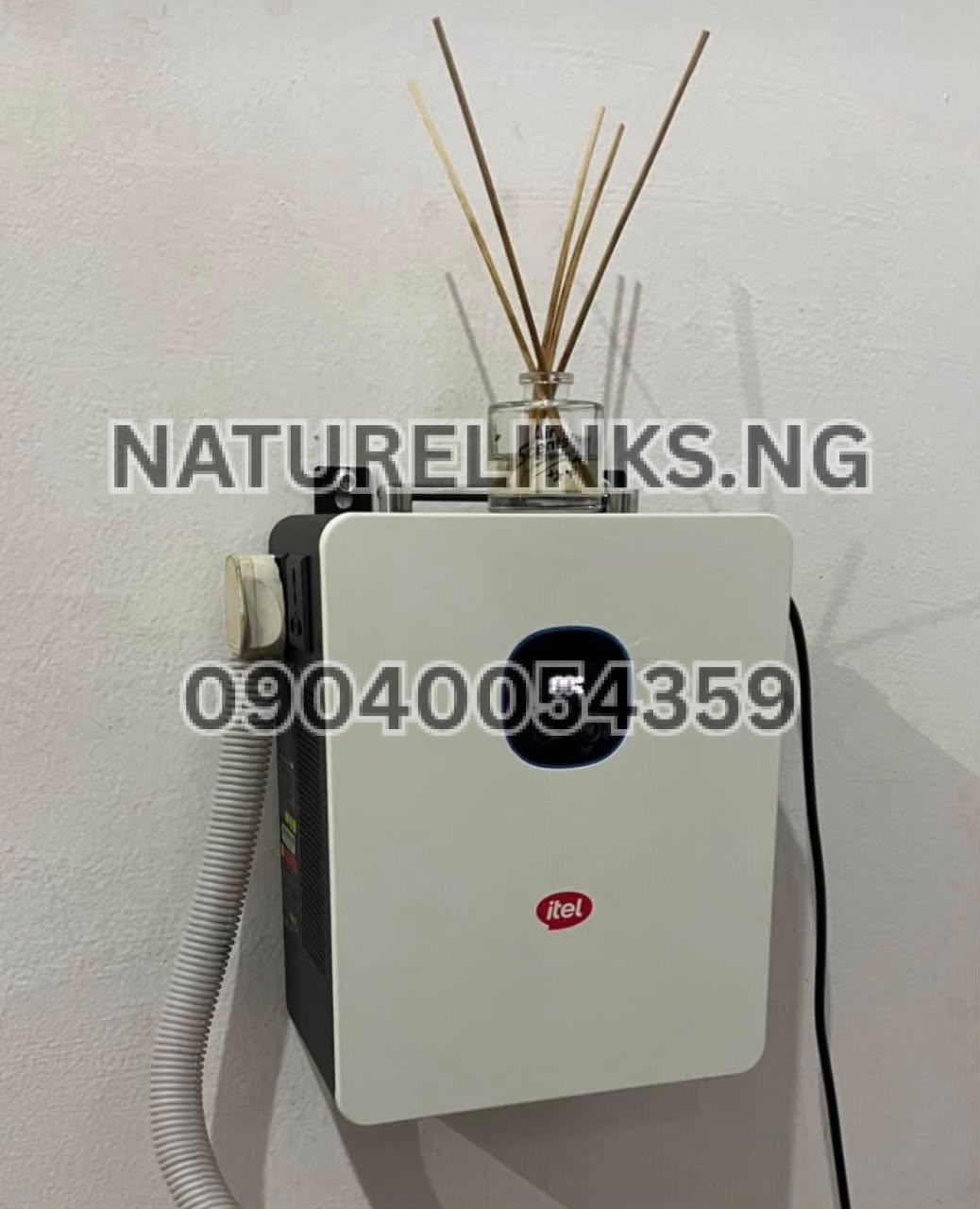
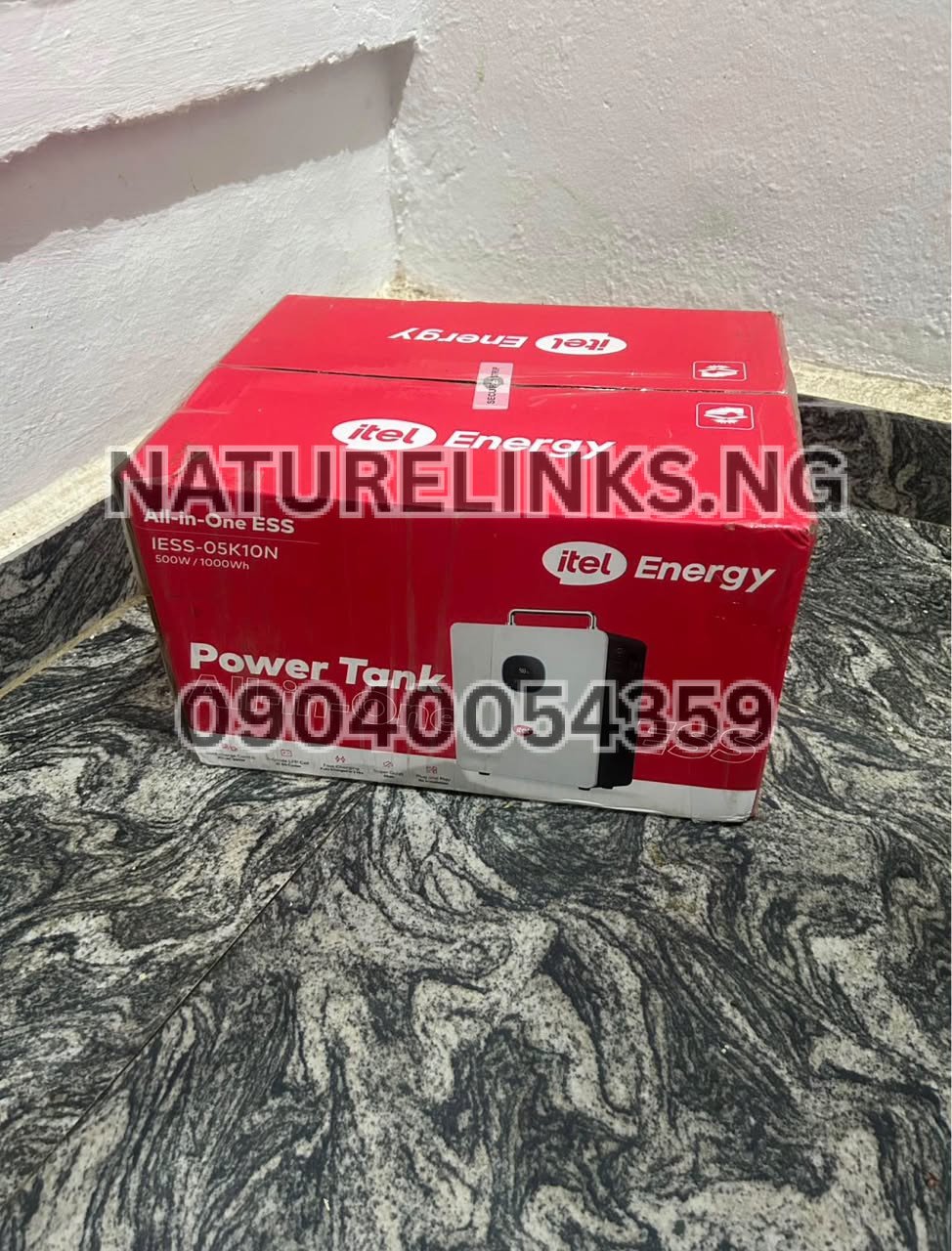
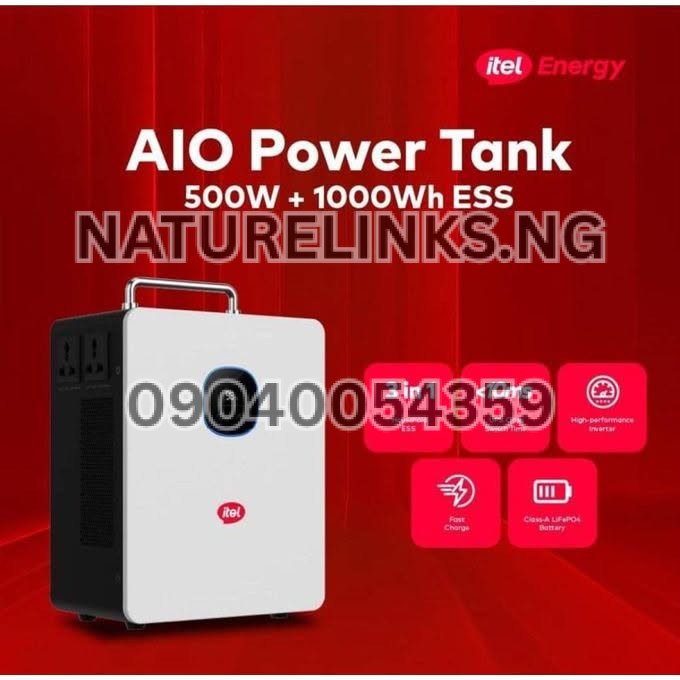
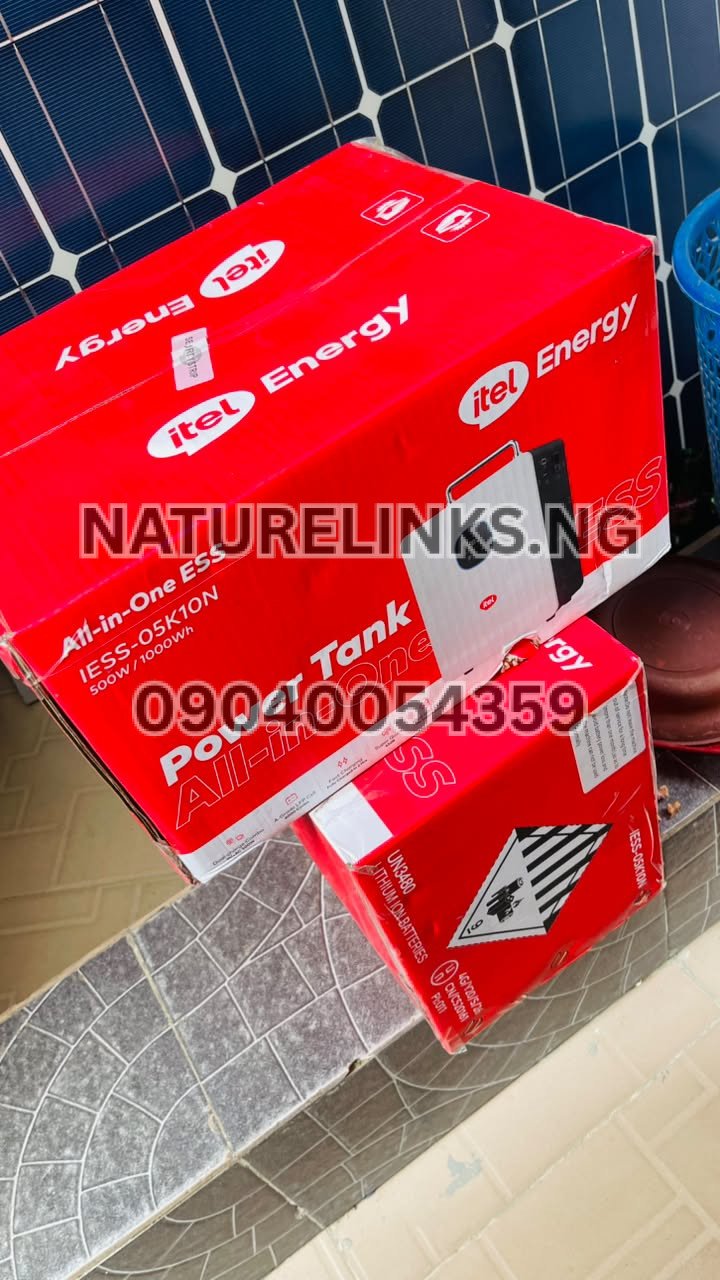
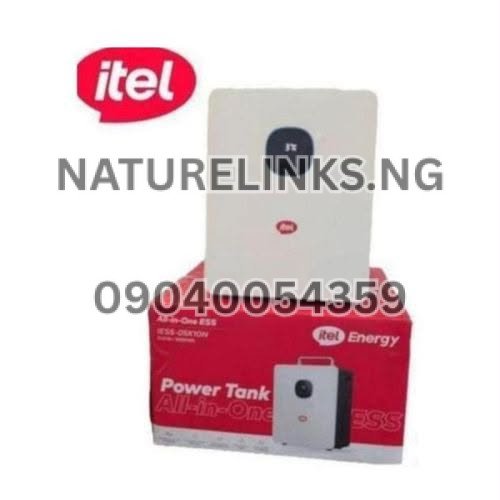
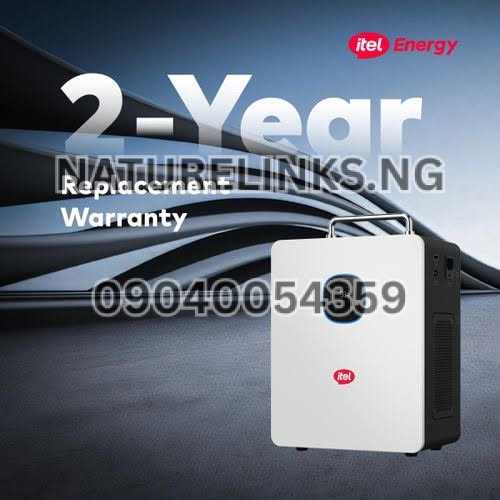
For example, the commonly listed itel Power Tank IESS-05K10N combines a 500W pure-sine-wave inverter, 1,000Wh/1kWh LiFePO4 battery and an integrated MPPT solar-charge system. Published specifications list maximum PV input around 400W, with a PV voltage limit of up to 60V for that configuration.
This all-in-one design is one of the major differences between a Power Tank and a conventional inverter installation.
You can charge the Power Tank from compatible AC/grid power and solar input, then use its outlets to power compatible appliances and electronics.
What Is an Inverter System?
A conventional inverter system is normally a collection of separate electrical components working together.
Depending on the design, a Nigerian home inverter system may contain:
- Solar panels
- Solar charge controller or hybrid inverter
- Inverter
- Battery bank
- DC cables
- AC cables
- Circuit breakers
- Fuses
- Changeover equipment
- Distribution connections
- Mounting equipment
- Other protection devices
The inverter converts DC electricity stored in the battery into AC electricity that appliances can use.
Unlike a portable Power Tank, the components can be selected and sized separately. This gives a properly designed inverter system considerable flexibility for larger installations.

“What Is the Difference Between Power Tank and an Inverter System?”
The simplest explanation is this:
A Power Tank is generally an integrated, portable backup-power device, while an inverter system is normally a configurable installation made from separate components.
A Power Tank puts the battery, inverter and charging electronics into one unit. A conventional inverter system separates these components and can therefore be designed around the electrical requirements of a home, office, shop or other property.
Basic comparison
| Feature | Power Tank | Conventional Inverter System |
|---|---|---|
| Design | All-in-one | Separate components |
| Portability | Usually portable | Usually fixed |
| Installation | Minimal/plug-and-play | Professional installation normally recommended |
| Battery | Built into unit | Usually separate |
| Inverter | Built into unit | Separate or integrated into hybrid inverter |
| Solar charging | Supported according to model | Depends on system design |
| Expansion | Model-dependent | Generally easier to expand |
| Maintenance | Relatively simple | More components to maintain |
| Home wiring | Usually not required | Can be connected to selected home circuits |
| Capacity | Model-dependent | Can be designed for larger loads |
| Best use | Portable/essential backup | Larger or permanent backup |
The important point is that Power Tank and inverter system are not necessarily competing products of the same size. They can serve different power requirements.
Power Tank vs Inverter System: How Do They Work?
How a Power Tank works
A Power Tank stores electrical energy in an internal battery.
The battery can be charged through compatible charging sources such as:
- AC/grid electricity
- Solar panels
- Other supported charging inputs, depending on the model
When you need electricity, the internal inverter converts stored DC battery energy into AC electricity for compatible appliances.
The entire process takes place inside the Power Tank.
How an inverter system works
A conventional system normally has separate stages.
Solar panels generate DC electricity. A charge controller or hybrid inverter regulates charging. The battery stores energy, while the inverter converts DC battery energy into AC electricity for appliances.
A properly designed system can also be connected to selected circuits in a building.
Is Itel Power Tank an Inverter?
Yes, but it is more accurate to describe an Itel Power Tank as an all-in-one power station/energy-storage system that incorporates an inverter.
For the commonly listed IESS-05K10N configuration, published specifications identify a 500W nominal AC inverter output, approximately 1kWh battery capacity, LiFePO4 battery chemistry and a maximum PV input of about 400W.
Therefore, saying “Power Tank” does not mean that the product has no inverter.
The inverter is actually one of the components inside the Power Tank.
Is a Power Tank the Same as an Inverter System?
No.
They can perform some of the same functions, but their construction and intended applications can be different.
A Power Tank is typically designed to provide a convenient, compact and portable source of stored electricity.
An inverter system is normally designed around a particular property and electrical load.
For example, a user who needs backup electricity for a laptop, router, television, fan and LED lights may consider a suitable Power Tank.
Someone who wants to build a larger permanent backup system for multiple rooms, refrigeration, pumps or other heavier loads may require a properly designed inverter and battery system.
What Is the Main Difference Between Power Tank and Inverter?
The main difference is system design.
A Power Tank is an integrated product.
An inverter system is usually a collection of components.
This distinction affects:
- Installation
- Portability
- Expandability
- Battery capacity
- Solar-panel configuration
- Appliance capacity
- Maintenance
- Home integration
- Future upgrades
A Power Tank reduces the number of separate components a buyer needs to manage. An inverter system provides more freedom to specify individual components.
Power Tank vs Inverter System: Which Is Portable?
Power Tank
Portability is one of the major advantages of a Power Tank.
You can move it between:
- Bedroom
- Living room
- Office
- Shop
- Outdoor workspace
- Small business location
- Temporary work location
The exact portability depends on the size and weight of the model.
Inverter system
A conventional inverter system is normally installed in one location.
The inverter, batteries, panels and wiring are positioned as part of the installation. Moving the system requires electrical work.
Therefore, if portability is important, an all-in-one Power Tank offers a fundamentally different experience from a fixed inverter installation.
Does a Power Tank Need Installation?
One of the attractions of a portable Power Tank is that extensive electrical installation is generally unnecessary for ordinary use.
You charge the unit and connect compatible appliances to its available outlets.
A conventional home inverter system is different. Installation may involve:
- Battery connections
- Solar-panel connections
- Protection equipment
- AC wiring
- Earthing
- Changeover arrangements
- Connection to selected household circuits
Professional installation is recommended for fixed high-power systems.

Which Is Easier to Use: Power Tank or Inverter System?
For a buyer who wants simplicity, an all-in-one Power Tank can be easier to operate.
Instead of buying an inverter, battery, charge controller and several accessories separately, the major components are integrated into the Power Tank.
An inverter system requires more planning.
The installer needs to determine:
- Total appliance load.
- Battery capacity.
- Inverter rating.
- Solar-panel capacity.
- System voltage.
- Cable sizes.
- Protection requirements.
- Installation location.
This additional planning is useful when building a larger system because the equipment can be matched to the required load.
Can Power Tank Replace a Home Inverter System?
It depends on what you mean by “replace.”
A suitable high-capacity Power Tank can provide substantial backup electricity for selected appliances, but a smaller portable unit should not automatically be treated as a replacement for a complete whole-home inverter installation.
For example, the commonly listed Itel IESS-05K10N has a 500W continuous AC output and approximately 1kWh battery capacity.
That means you should calculate the combined wattage of your appliances before connecting them.
A conventional inverter system can be designed with much larger inverter and battery capacities when a property requires it.
Can Itel Power Tank Run a Fridge?
This is one of the most important questions Nigerian buyers ask.
The answer depends on the actual starting and running power of the refrigerator and the Power Tank’s output rating.
A refrigerator has a compressor, and compressor-based appliances can require additional starting power.
For the commonly listed 500W Itel Power Tank configuration, the published continuous inverter output is 500W. Therefore, a buyer should check the refrigerator’s actual wattage and starting requirements before connecting it.
Do not assume that a 1,000Wh battery means the Power Tank can power a 1,000W appliance.
These are different measurements.
What Is the Difference Between Watts and Watt-Hours?
This distinction is extremely important when buying a Power Tank.
Watts (W)
Watts describe power.
For example:
- 50W fan
- 100W TV
- 60W laptop
- 500W inverter output
Watt-hours (Wh)
Watt-hours describe stored energy.
A 1,000Wh battery stores substantially more energy than a 500Wh battery, but this does not mean the inverter can continuously deliver 1,000W.
For the Itel IESS-05K10N, published specifications list approximately:
- 500W continuous AC output
- 1,000Wh/1kWh battery
- Up to 400W PV input
This is why buyers should never confuse 1,000Wh battery capacity with 1,000W inverter output.
Can an Inverter System Power More Appliances?
Potentially, yes, if the system is designed with sufficient inverter and battery capacity.
A conventional system can be configured around the user’s requirements.
For example, instead of being limited to a particular integrated unit, the installer can select:
- 1kVA inverter
- 2kVA inverter
- 3kVA inverter
- 5kVA inverter
- Higher-capacity systems
The battery bank can also be sized according to the desired runtime.
The actual appropriate size depends on the user’s appliances and operating duration.
Power Tank vs Inverter System for a Nigerian Apartment
For an apartment user who mainly wants backup for:
- TV
- Decoder
- Router
- Laptop
- Phone chargers
- LED bulbs
- Small fans
a suitable Power Tank may provide convenient backup without installing a complete household electrical system.
For someone who wants to supply multiple rooms or larger appliances, a fixed inverter system may be considered because it can be designed around a larger load.
The key is to calculate your requirements rather than buying solely according to the product name.
Power Tank vs Inverter System for a Home Office
A Power Tank can be particularly useful for a home office because it can provide backup for essential electronics.
Possible loads include:
- Laptop
- Wi-Fi router
- Monitor
- LED lighting
- Phone
- Small fan
- Printer, subject to its power requirements
A Power Tank can also be moved if the user changes working locations.
A fixed inverter system becomes more attractive when the objective is to provide backup electricity to several circuits throughout the home.
Power Tank vs Inverter System for Small Businesses
Small businesses should calculate their total operating load before making a purchase.
A Power Tank can be useful for businesses operating:
- POS terminals
- Routers
- Computers
- LED lighting
- CCTV
- Small electronics
However, businesses operating high-power equipment may need a larger inverter system.
For example, equipment such as:
- Welding machines
- Electric cookers
- Large freezers
- Air conditioners
- Water pumps
- Industrial machines
can require substantially more power than a small portable Power Tank can provide.
Which Has Better Battery Flexibility?
Power Tank
The battery is integrated into the product.
This is convenient because you do not have to design a separate battery bank, but it also means your expansion options depend on what the specific Power Tank model supports.
Inverter system
A conventional system can use separately selected batteries.
Depending on the inverter and battery design, users may be able to increase storage capacity later.
This is one reason conventional inverter systems are often used when future expansion is an important consideration.
Which Is Better for Solar Charging?
Both can support solar charging, but the solar configuration is different.
An all-in-one Power Tank has a specified maximum solar input.
For the commonly listed Itel IESS-05K10N, published specifications give a maximum PV input of about 400W and a PV voltage limit of 60V.
This means solar panels must be selected and connected within the Power Tank’s specified electrical limits.
A conventional solar inverter system can generally be designed around a larger solar array, provided the inverter, MPPT controller, voltage, current and battery bank are correctly matched.
Can You Add More Solar Panels to a Power Tank?
You should not simply add panels because you want faster charging.
The Power Tank has a maximum PV input specification.
For the commonly listed IESS-05K10N, published product specifications state a maximum PV input around 400W and a maximum PV voltage of 60V.
Therefore, always verify:
- Maximum PV wattage
- Maximum PV voltage
- MPPT operating range
- Maximum PV current
- Panel configuration
- Series/parallel arrangement
before connecting solar panels.
Exceeding the manufacturer’s limits can damage equipment or trigger protection systems.
Which Has Better Expandability?
A conventional inverter system generally offers greater flexibility for expansion.
For example, a system can potentially be upgraded by changing or adding:
- Solar panels
- Batteries
- Inverter capacity
- Charge controllers
- Protection equipment
The exact expansion possibilities depend on the equipment and system architecture.
A Power Tank is more constrained by its built-in specifications.
Some advanced portable power stations support expansion batteries, but this should never be assumed unless the manufacturer specifically provides that feature.
Which Is More Portable?
Power Tank.
This is one of the clearest differences.
A portable Power Tank can be moved when necessary.
A fixed inverter system is installed as part of the building’s power infrastructure.
If you rent an apartment, move frequently, operate a temporary shop, or need backup electricity in different locations, portability can be an important consideration.
Which Is Better for Whole-House Backup?
A properly sized inverter system is generally designed more naturally for whole-house or multi-circuit backup.
A portable Power Tank can provide backup to selected appliances, but its output and battery capacity must be considered.
For example, a 500W Power Tank should not be treated as a 5kW household inverter simply because both products are called “inverters.”
The load determines the required system size.
Which Is Better for Lights, TV, Router and Fan?
A suitably rated Power Tank can be practical for essential electronics such as:
- LED bulbs
- TV
- Decoder
- Wi-Fi router
- Laptop
- Phone charger
- Compatible fan
Actual runtime depends on the combined load, inverter efficiency, battery state and other operating conditions.
The published Itel Power Tank IESS-05K10N specifications identify a 1kWh battery and 500W nominal AC output, making load calculation essential before use.

Which Is Better for Air Conditioners?
Air conditioners generally require considerably more power than basic electronics, and compressor startup can create additional demand.
A small 500W-class Power Tank should not be assumed to run an air conditioner.
For air-conditioning loads, the appropriate solution requires calculating:
- AC rated power
- Starting/surge requirement
- Daily operating hours
- Battery capacity
- Inverter output
- Solar generation
A properly engineered larger inverter system may be capable of supporting an AC, depending on its specifications.
Which Is Better for Electric Iron, Kettle and Cooker?
High-power heating appliances can consume significant electricity.
Examples include:
- Electric iron
- Electric kettle
- Hot plate
- Electric cooker
- Water heater
These appliances can easily exceed the output capacity of smaller portable power stations.
For example, the commonly listed Itel Power Tank IESS-05K10N has a 500W continuous inverter output, so appliances exceeding that rating should not be connected.
Always check the appliance’s nameplate before use.
Power Tank vs Inverter System: Battery Life
Battery life depends on:
- Battery chemistry
- Depth of discharge
- Temperature
- Charging practices
- Load
- Number of cycles
- Battery management system
The commonly listed Itel Power Tank IESS-05K10N uses a LiFePO4 battery, with published specifications indicating a cycle-life rating of around 6,000 cycles.
A conventional inverter system can also use lithium batteries, including LiFePO4, or other compatible battery technologies depending on the design.
Is a Power Tank Noiseless?
Portable battery power stations do not produce the engine noise associated with petrol or diesel generators.
However, a Power Tank can still have cooling fans.
The published specifications for the commonly listed Itel IESS-05K10N give noise below approximately 45dB at 1 metre under specified conditions.
This makes the operating experience very different from a conventional fuel generator.

Does an Inverter System Make Noise?
A battery inverter does not produce engine noise because it does not burn petrol or diesel.
However, inverter cooling fans and other equipment can produce some sound.
Noise depends on:
- Inverter model
- Load
- Cooling system
- Installation
- Fan speed
- Battery technology
Both Power Tanks and inverter systems can therefore provide quieter backup power than fuel generators.
What About Fuel?
Neither a Power Tank nor a battery inverter system requires petrol or diesel to produce electricity during battery operation.
This is one of the reasons battery-based backup systems are attractive to Nigerians looking for alternatives to conventional fuel generators.
However, electricity must still come from somewhere to recharge the battery unless the system is being charged by solar or another generation source.
An inverter is an energy-conversion and storage system; it does not create energy from nothing.
Power Tank vs Inverter System: Maintenance
Power Tank maintenance
Maintenance is generally straightforward:
- Keep the unit dry.
- Keep ventilation openings clear.
- Avoid excessive heat.
- Use compatible charging equipment.
- Avoid overloading.
- Use compatible solar panels.
- Follow the manufacturer’s charging instructions.
Inverter system maintenance
A fixed system may require inspection of:
- Battery terminals
- Cables
- Solar panels
- Breakers
- Fuses
- Ventilation
- Connections
- Earthing
- Battery condition
Solar panels may also require periodic cleaning, especially where dust accumulates.
What Should You Check Before Buying a Power Tank?
Before purchasing, check:
1. Inverter output
Look for the continuous wattage.
Do not rely only on the battery capacity.
2. Battery capacity
Check the Wh or kWh rating.
3. Battery chemistry
LiFePO4 batteries are commonly used in modern portable power stations.
4. Solar input
Check the maximum PV wattage and voltage.
5. AC charging
Confirm whether grid charging is supported and what charging speed is available.
6. Output ports
Check whether the unit has the AC, USB and DC outputs you need.
7. Surge capability
This is particularly important for appliances with motors or compressors.
8. Warranty
Confirm the seller’s warranty and what it covers.
9. Authenticity
Purchase from a reputable seller and verify the exact model.
10. After-sales support
Ask whether spare parts, accessories and technical support are available.
What Should You Check Before Buying an Inverter System?
For an inverter system, check:
- Total appliance wattage
- Peak/start-up loads
- Required backup hours
- Battery voltage
- Battery capacity
- Inverter continuous rating
- Inverter surge rating
- Solar-panel capacity
- MPPT voltage range
- Maximum charging current
- Cable sizing
- Protection equipment
- Installation quality
- Future expansion requirements
A professional assessment is especially important for larger residential or commercial systems.
How Do I Calculate the Power I Need?
Start by writing down every appliance you want to operate.
For example:
| Appliance | Example Load |
|---|---|
| LED bulbs | 40W |
| Router | 15W |
| TV | 80W |
| Laptop | 60W |
| Fan | 70W |
| Decoder | 15W |
| Example total | 280W |
The actual wattage varies by appliance.
If your combined load is approximately 280W, a 500W-rated inverter has more room than if your combined load is already close to 500W.
You should also consider startup requirements and inverter losses.
How Long Can a 1kWh Power Tank Last?
A simple theoretical calculation is:
Runtime ≈ Battery capacity ÷ Load
For example:
1,000Wh ÷ 100W = 10 hours
But this is a simplified calculation.
Real-world runtime is lower because of:
- Inverter losses
- Battery-management limits
- Appliance efficiency
- Conversion losses
- Battery state
- Operating temperature
Therefore, do not expect a 1,000Wh battery to deliver exactly 1,000Wh of usable AC electricity in every situation.
Is Power Tank Better Than Inverter System?
There is no single answer for every Nigerian buyer because the two configurations serve different requirements.
A Power Tank can be useful when you value:
- Portability
- Simple setup
- Integrated components
- Small-to-moderate backup loads
- Quick deployment
- No permanent installation
A conventional inverter system can be useful when you need:
- Larger capacity
- Permanent installation
- Multiple household circuits
- More battery capacity
- More solar panels
- Future expansion
- Custom system design
The appropriate choice depends on the user’s actual electrical load and desired backup duration.
Power Tank vs Inverter System for Students
For students, a portable Power Tank may be useful for:
- Laptop charging
- Phone charging
- Router
- LED lights
- Small fan
- TV
Its portability can also be useful when moving between rooms or accommodation.
A full inverter installation may be unnecessary if the user’s main requirement is portable backup for electronics.
Power Tank vs Inverter System for Remote Workers
Remote workers can benefit from backup power for:
- Laptop
- Monitor
- Internet router
- Phone
- Lighting
- Fan
A Power Tank can be moved to a different workspace.
A fixed inverter system can be more appropriate if the user wants automatic backup throughout a home office or multiple rooms.
Power Tank vs Inverter System for Shops
Small shops can use a Power Tank for selected electronics, particularly where portability matters.
However, a business should calculate the total load before purchasing.
A POS terminal and LED bulbs have very different energy requirements from refrigeration equipment, pressing machines or power tools.
If the load is high, a properly sized inverter system may be required.
Power Tank vs Inverter System for Offices
An office should consider:
- Number of computers
- Monitors
- Networking equipment
- Printers
- Lighting
- Fans
- CCTV
- Servers
- Other equipment
A Power Tank can support selected essential devices if its output capacity is sufficient.
A larger inverter system may be more suitable for powering an entire office circuit.
Why Are Power Tanks Becoming Popular in Nigeria?
Portable battery power stations address several common problems:
- Unreliable grid electricity
- Fuel costs
- Generator noise
- Generator fumes
- Need for portable backup
- Increasing demand for home-office power
- Need for backup internet
- Need for silent indoor power
Recent Nigerian solar-market articles and product listings show increasing consumer interest in portable solar generators and all-in-one energy-storage products.
Can a Power Tank Be Charged With Solar?
Yes, if the particular model supports solar charging.
The commonly listed Itel Power Tank IESS-05K10N supports solar input through its integrated MPPT system, with published specifications giving a maximum PV input around 400W and maximum PV voltage of 60V.
However, solar-panel compatibility must always be checked before connecting a panel.
Do not select a panel merely because its wattage looks suitable.
Voltage and current are equally important.
Can a Power Tank Charge From Electricity?
Yes. The commonly listed Itel Power Tank configuration supports AC/grid charging in addition to solar charging. Published specifications give an AC input range of approximately 90–280VAC for the IESS-05K10N.
This gives users flexibility when public electricity is available.
The Power Tank can then store that energy for use during an outage.
Can Power Tank and Solar Be Used Together?
Depending on the specific model, a Power Tank can accept solar charging while supporting loads.
Some published Itel configurations also advertise dual PV/grid charging.
However, buyers should follow the manufacturer’s operating instructions and confirm the exact model’s charging configuration before attempting simultaneous charging.
Does a Power Tank Have UPS Function?
The commonly listed Itel IESS-05K10N specifications include a switching time of less than 20 milliseconds.
This can make the device useful for electronics that need relatively quick transition during a power interruption.
However, users should check the exact equipment requirements if uninterrupted operation is critical.
Power Tank or Inverter System: What About Cost?
The initial purchase price is only one part of the calculation.
For a Power Tank, consider:
- Unit price
- Solar panel
- Warranty
- Accessories
- Delivery
- Maintenance
For an inverter system, consider:
- Inverter
- Batteries
- Solar panels
- Charge controller where required
- Cables
- Protection devices
- Installation
- Mounting
- Maintenance
A cheaper inverter may become more expensive after adding all the components required for a complete installation.
Likewise, a portable Power Tank may cost more per stored Wh because it integrates multiple components into a compact product.
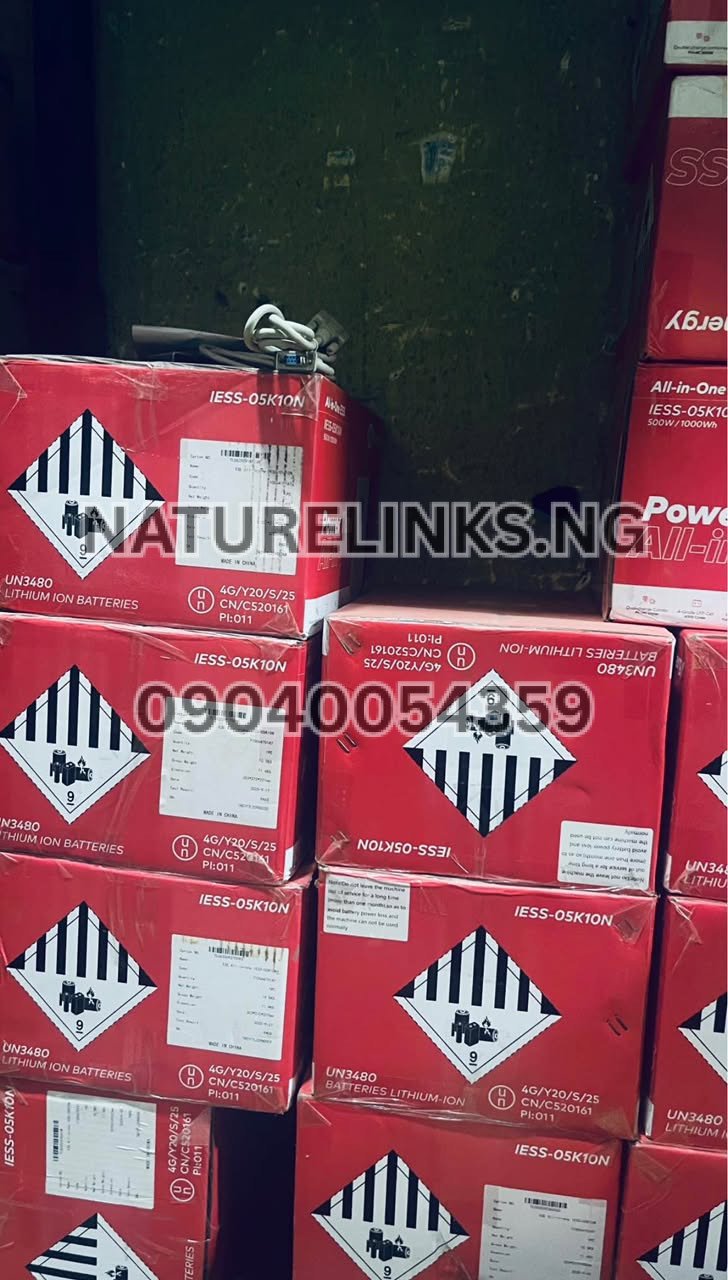
Where to Buy Itel Power Tank in Nigeria
Buyers should confirm the exact:
- Model number
- Battery capacity
- Inverter output
- Solar input
- Included accessories
- Warranty
- Authenticity
- Current price
Best Seller: Nature Links Nigeria Limited [NatureLinks.NG]
Distributor: Nature Solar Global Limited
CEO: Mr. Joseph Chikeleze
Call: 07049528019
WhatsApp: 09040054359
Shop Address: F1571 Upstairs (F-Line), Alaba International Market, Lagos State 🇳🇬
For current availability and the appropriate package, buyers can contact the seller directly before making payment.
Why Buy From a Nigerian Distributor or Dealer?
Buying from an established local seller can make it easier to:
- Confirm product availability
- Verify the exact model
- Ask technical questions
- Obtain compatible accessories
- Discuss warranty
- Arrange delivery
- Get after-sales assistance
This is particularly important for solar equipment because incorrect panel voltage, inverter sizing or incompatible accessories can create avoidable problems.
“What Is the Difference Between Power Tank and an Inverter System?” — Quick Answer
The short answer is:
A Power Tank is generally an all-in-one portable energy-storage product containing an inverter, battery and charging electronics, while a conventional inverter system consists of separately selected components designed and installed around a property’s power requirements.
A Power Tank emphasizes convenience and portability.
A conventional inverter system emphasizes customization, larger capacity and expandability.
Neither description automatically tells you which solution fits a particular user. The correct choice depends on the appliances, total wattage, required runtime, solar capacity, installation requirements and future expansion plans.
Frequently Asked Questions
1. What is the difference between a Power Tank and an inverter?
A Power Tank is generally an integrated portable power station containing a battery, inverter and charging electronics. A conventional inverter system usually uses an inverter with separate batteries and other components.
2. Is Itel Power Tank an inverter?
Itel Power Tank is an all-in-one energy-storage/power-station product that incorporates an inverter. The commonly listed IESS-05K10N has a 500W nominal AC inverter output and 1,000Wh battery.
3. Is Power Tank better than an inverter?
They are designed for different applications. A Power Tank emphasizes portability and integrated operation, while a conventional inverter system can be designed for larger loads and future expansion.
4. Can Itel Power Tank power a house?
It depends on the model and household load. A 500W Power Tank should not be treated as a whole-house high-power inverter. It is more appropriate for compatible loads within its rated output.
5. Can Itel Power Tank run a TV and fan?
If the combined running and starting requirements remain within the Power Tank’s output specifications, compatible TVs and fans can be powered. Always check the actual wattage of your appliances first.
6. Can Power Tank charge with solar panels?
Yes, supported Itel Power Tank configurations can charge through solar input. The commonly listed IESS-05K10N supports up to approximately 400W PV input and a maximum PV voltage of 60V.
7. Can I add more batteries to a Power Tank?
Do not assume that you can. Battery expansion depends on the specific Power Tank model. A conventional inverter system generally provides more flexibility for selecting and expanding the battery bank.
8. Which is better for an apartment in Nigeria?
A portable Power Tank can be convenient for renters and users who need backup for essential electronics without permanent installation. A fixed inverter system may be more appropriate when several household circuits require backup.
9. Can Power Tank replace a petrol generator?
It can replace some generator use for compatible loads, particularly electronics and essential appliances. However, its output and battery capacity determine what it can actually operate. A small Power Tank should not be assumed to replace a generator for heavy loads.
10. How do I know whether to buy a Power Tank or inverter system?
List every appliance you want to operate, record its wattage, calculate the combined load and determine how many hours of backup you need. If portability and simplicity are important, investigate an appropriately sized Power Tank. If you need larger capacity, permanent installation and expansion, compare properly designed inverter systems.
Key Features of Itel Power Tank IESS-05K10N
For buyers researching the commonly listed 500W/1kWh model, published specifications include:
- Model: IESS-05K10N
- Battery: 1,000Wh / 1kWh
- Battery chemistry: LiFePO4
- Inverter output: 500W nominal
- Maximum apparent output: approximately 600VA
- Solar/PV input: up to approximately 400W
- PV voltage: up to 60V
- AC input: approximately 90–280VAC
- AC output: approximately 230V
- Frequency: 50Hz
- UPS switching: less than 20ms
- Battery cycle rating: approximately 6,000 cycles
- Protection: overload, short circuit, over-temperature and PV over-voltage protection
- Cooling: intelligent fan
- Display: LED/SOC display
Specifications can vary by model or revision, so buyers should verify the nameplate and current manufacturer documentation before purchase.
Power Tank vs Inverter System: Final Buying Checklist
Before you buy, ask yourself:
What appliances do I need to power?
Write them down.
How many watts do they consume?
Check each appliance label.
How long do I need them to run?
Runtime determines the required battery capacity.
Do I need portability?
If yes, consider an appropriately sized Power Tank.
Do I need whole-house backup?
If yes, investigate a properly sized inverter system.
Do I want solar charging?
Check the maximum PV input and voltage.
Do I plan to expand later?
A modular inverter system may provide more flexibility.
Do I need to power heavy appliances?
Check both continuous and surge requirements before purchase.
Is the seller supplying the correct accessories?
Confirm the solar panel, cables, charger and other accessories are compatible.
Is the product genuine?
Confirm the model, warranty and seller information before payment.
Conclusion
Understanding “What Is the Difference Between Power Tank and an Inverter System?” is important before choosing a backup-power solution in Nigeria. A Power Tank is generally an integrated and portable energy-storage device, while a conventional inverter system is normally assembled from separate components and can be designed around larger or changing power requirements.
For users who need convenient backup for laptops, routers, TVs, fans, lighting and other compatible electronics, a properly sized Power Tank can provide a simple alternative to a permanent installation. For users who need larger battery storage, multiple circuits, substantial solar capacity or future expansion, a properly designed inverter system may be considered.
For the commonly listed Itel Power Tank IESS-05K10N, the published specification of 500W AC output, 1,000Wh battery and up to approximately 400W solar input illustrates why buyers must distinguish between inverter output in watts and battery capacity in watt-hours.
For product availability, model confirmation, accessories and current purchase information in Nigeria, contact Nature Solar Global Limited / Nature Links Nigeria Limited at 07049528019 or WhatsApp 09040054359, or visit F1571 Upstairs (F-Line), Alaba International Market, Lagos State 🇳🇬.