Best Seller: Nature Solar Global Limited.
Distributor: Nature Solar Global Limited.
CEO: Mr. Joseph Chikeleze.
If you are searching for the difference between Itel Power Tank and Itel Power Go in Nigeria, you are probably trying to determine which portable power station is suitable for your home, office, shop, student accommodation, business, or outdoor activities.
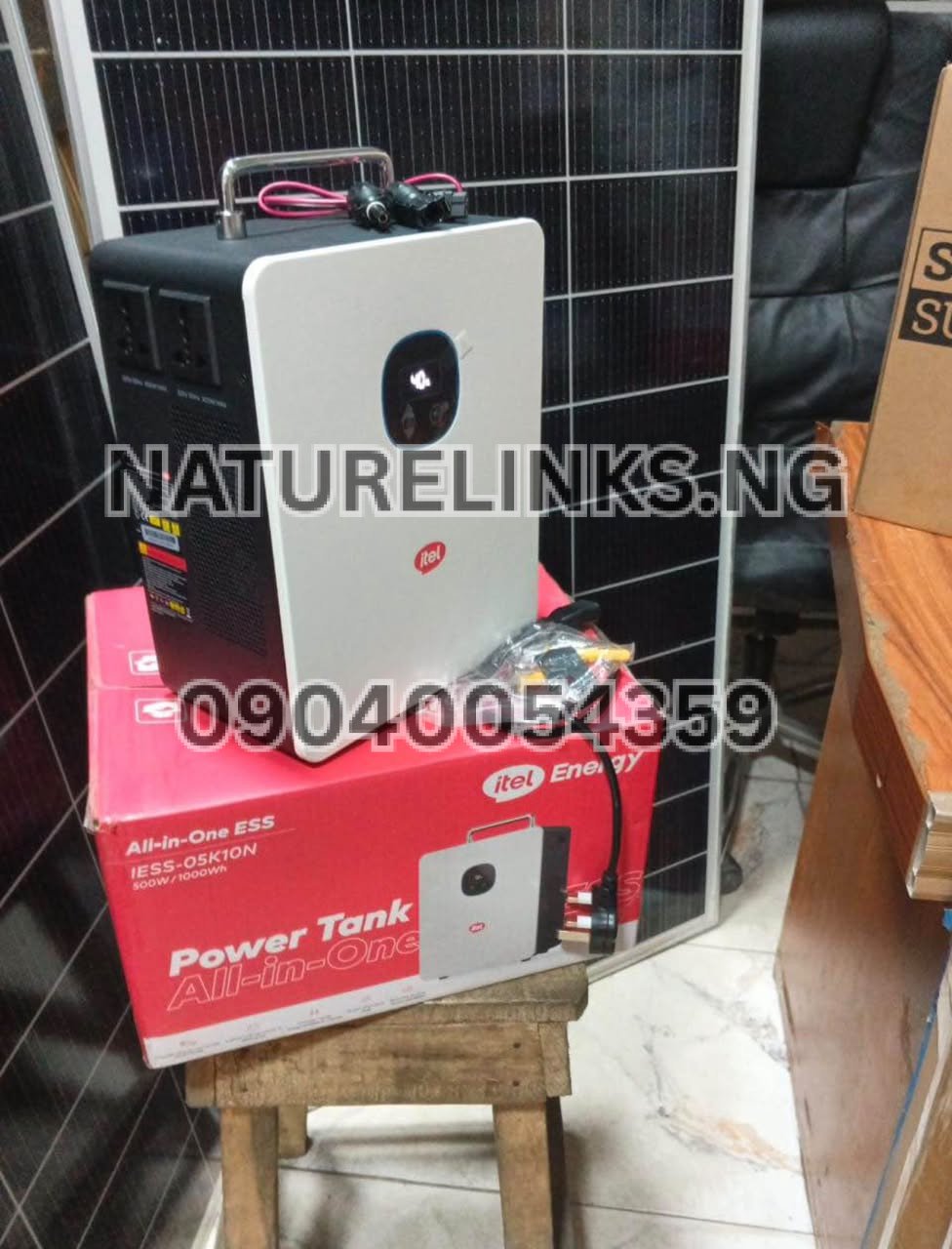
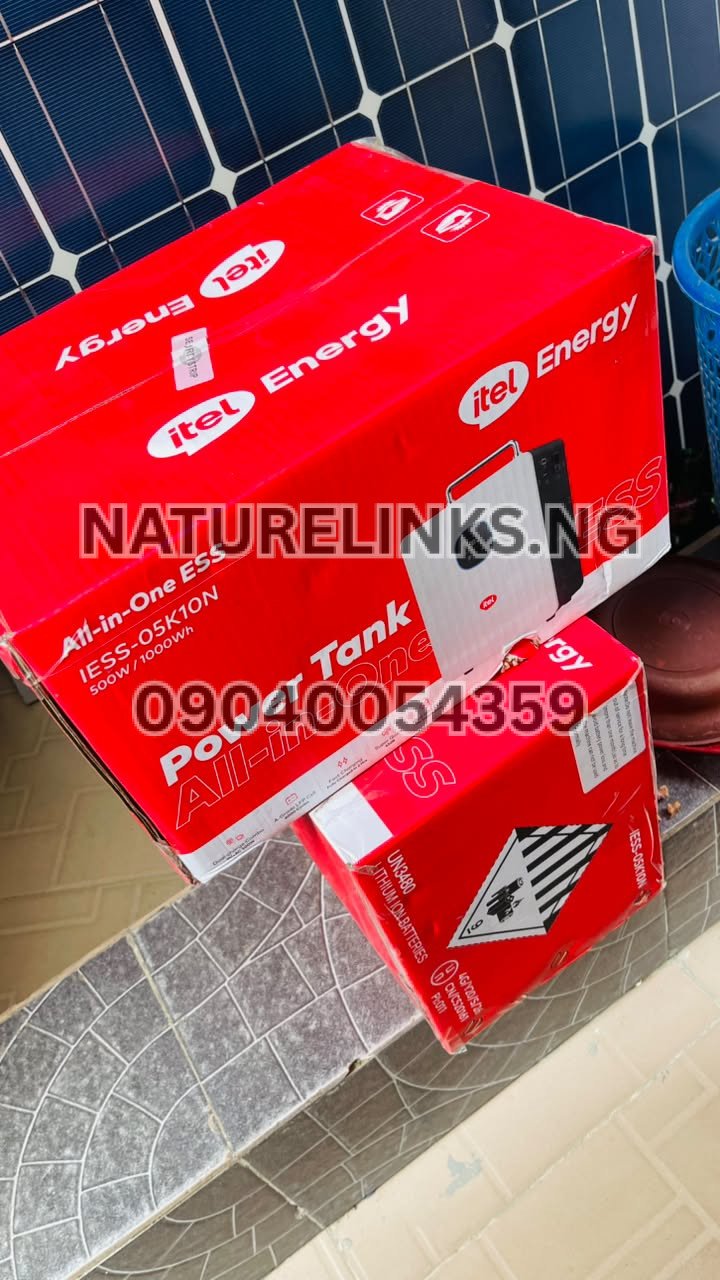
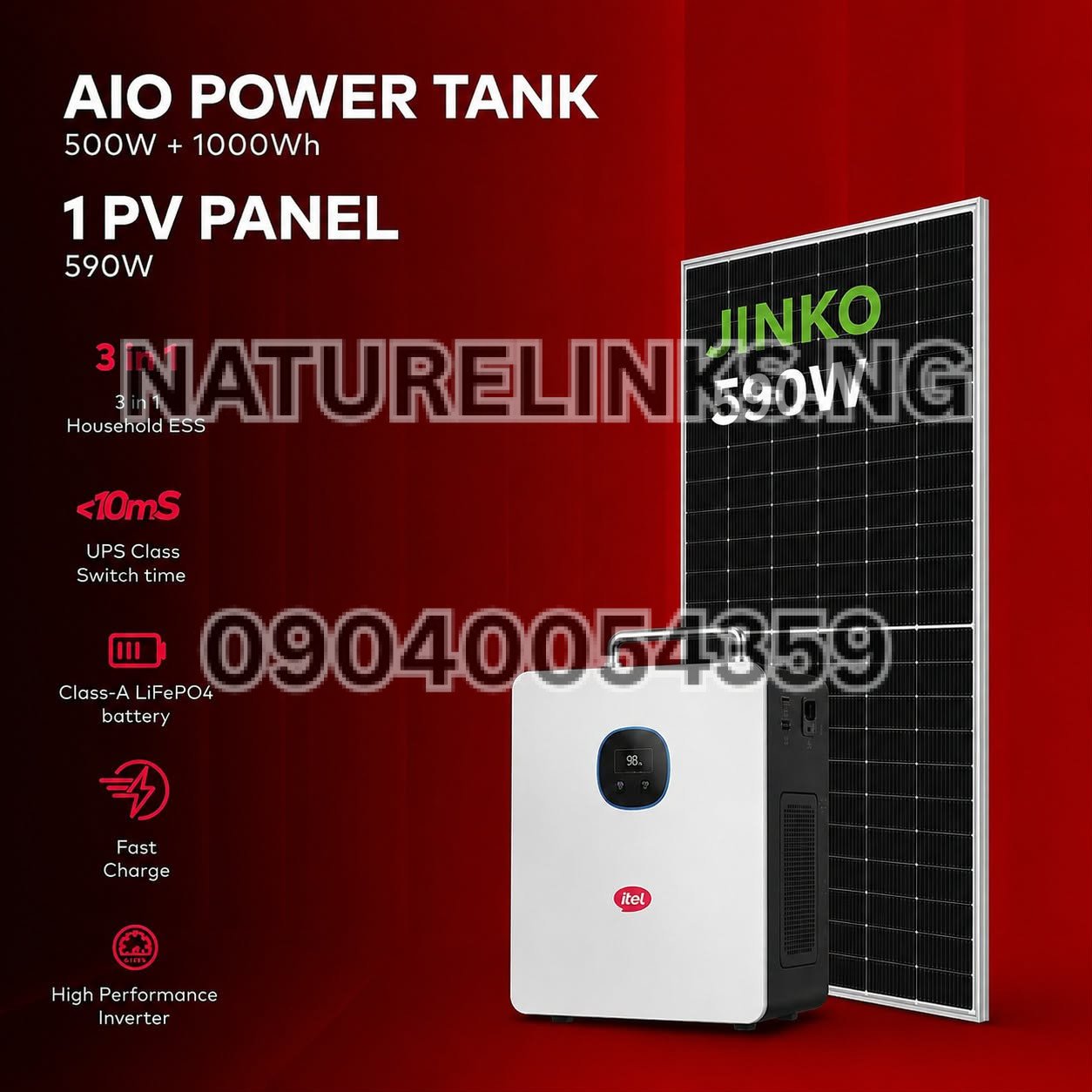
The two products belong to the itel Energy portable power range, but they are designed for different levels of power demand. Current Nigerian product listings identify the Itel Power Go IESS-320T as a 320Wh portable power station with a maximum output around 130W, while the original Itel Power Tank IESS-05K10N is commonly listed with a 1,000Wh battery and 500W inverter/output class.
This difference in battery capacity and output is important when deciding whether you need a compact power station for phones, routers, USB-C devices and other light loads, or a larger backup system for equipment such as TVs, fans, laptops, lights and other compatible appliances.

What Is the Difference Between Power Tank and Power Go?
The main difference between Itel Power Tank and Power Go is battery capacity, output power, size, intended use and the type of devices each model is designed to support.
The commonly listed Power Go IESS-320T has a 320Wh battery and approximately 130W maximum output, making it a compact portable power station for lighter loads.
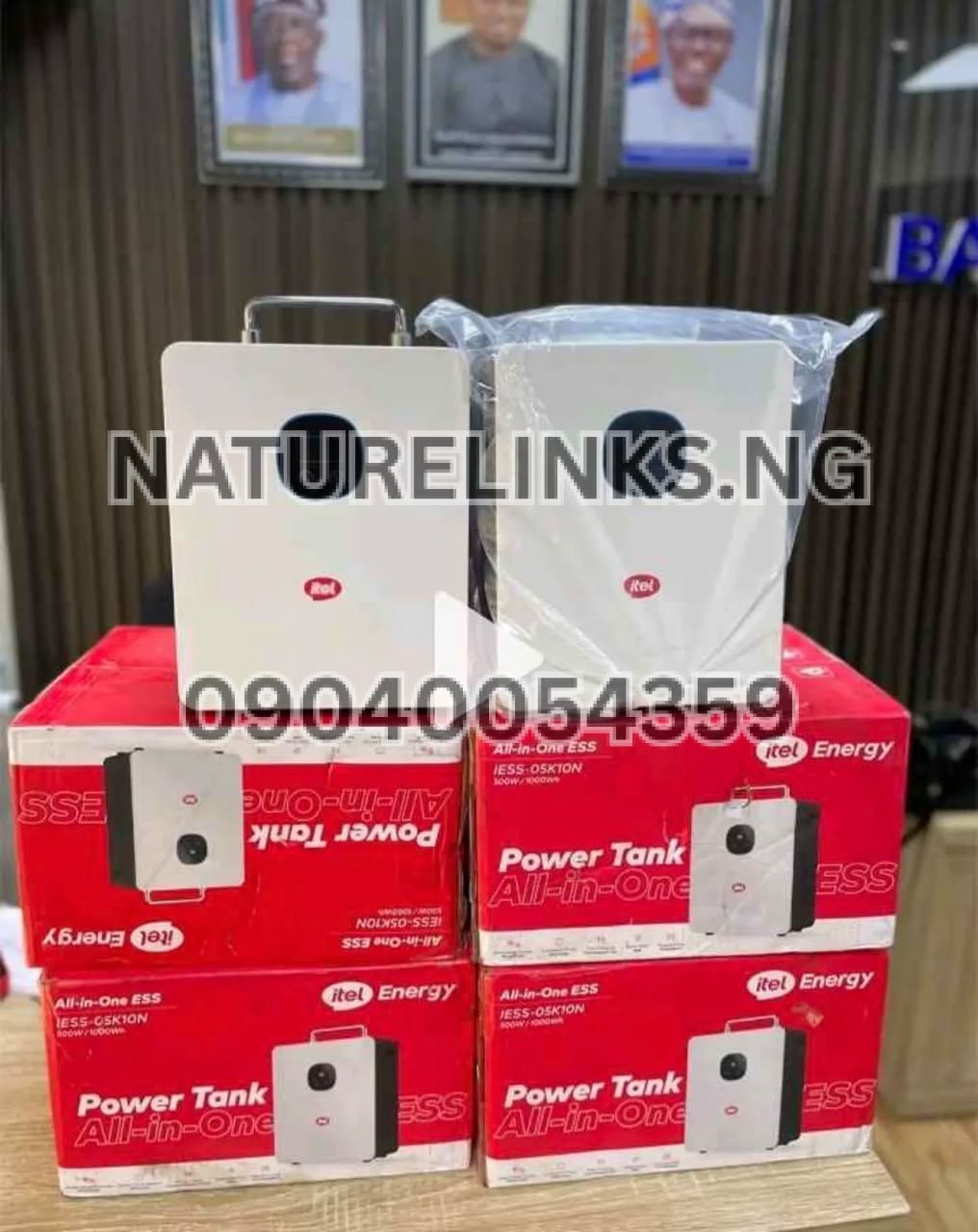
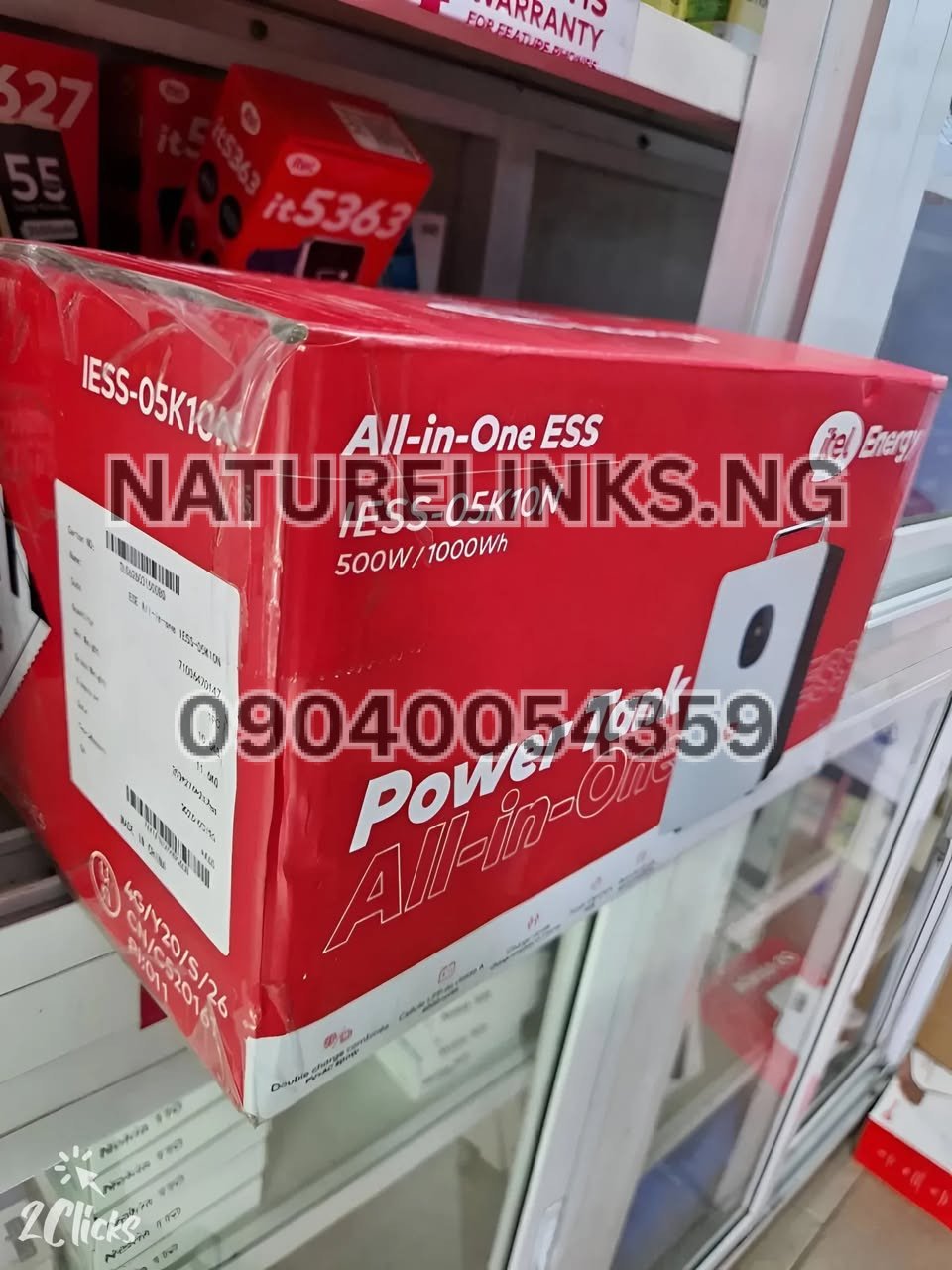
The original Power Tank IESS-05K10N is commonly listed with a 1,000Wh/1kWh LiFePO4 battery and 500W inverter/output class, giving it substantially more stored energy and a higher power-delivery capability.
In simple terms:
Power Go = smaller, lighter-duty portable power station.
Power Tank = larger-capacity backup power station for more demanding loads.
The Power Go and Power Tank therefore serve different buying needs rather than being direct equivalents.
“What Is the Difference Between Power Tank and Power Go?”
When Nigerians search for “What Is the Difference Between Power Tank and Power Go?”, the most important specifications to compare are Wh capacity and W output.
| Feature | Itel Power Go | Itel Power Tank |
|---|---|---|
| Typical model | IESS-320T | IESS-05K10N |
| Battery capacity | 320Wh | 1,000Wh / 1kWh |
| Maximum/continuous output class | About 130W | About 500W |
| Battery type | LiFePO4 | LiFePO4 |
| Main purpose | Portable/light backup | Larger home/office backup |
| Portability | Highly portable | Larger all-in-one unit |
| Suitable loads | Phones, USB devices, routers, light DC equipment | TV, fan, laptop, router, lighting and other compatible loads |
| AC output | Power Go model listings may not include an AC socket | 500W-class AC inverter |
| Energy storage | Lower | About 3.1× Power Go’s Wh capacity |
| Typical buyer | Personal/mobile user | Home, office, shop and backup-power user |
The specifications can vary by exact model and package, so buyers should confirm the model number and manufacturer’s datasheet before purchase. Current Nigerian listings identify these two configurations clearly.
Is Power Tank Bigger Than Power Go?
Yes, the Power Tank is the larger-capacity option in this comparison.
The Power Go IESS-320T is listed at 320Wh, while the original Power Tank IESS-05K10N is listed at 1,000Wh.
That means the Power Tank stores roughly 3.1 times as much energy as the 320Wh Power Go.
For a Nigerian buyer dealing with long periods without public electricity, battery capacity is particularly important because a larger Wh rating generally provides more energy to work with, although actual runtime depends on the appliance load, inverter efficiency and operating conditions.
What Is the Battery Capacity of Itel Power Go?
The Itel Power Go IESS-320T is currently listed in Nigerian product catalogues with a 320Wh battery capacity and a 100,000mAh-rated battery specification.
A 320Wh battery does not mean that every appliance can be connected to the Power Go.
The second number buyers need to understand is output power.
Current listings put the Power Go at approximately 130W maximum output, which means it is intended primarily for lighter electrical loads.
What Is the Battery Capacity of Itel Power Tank?
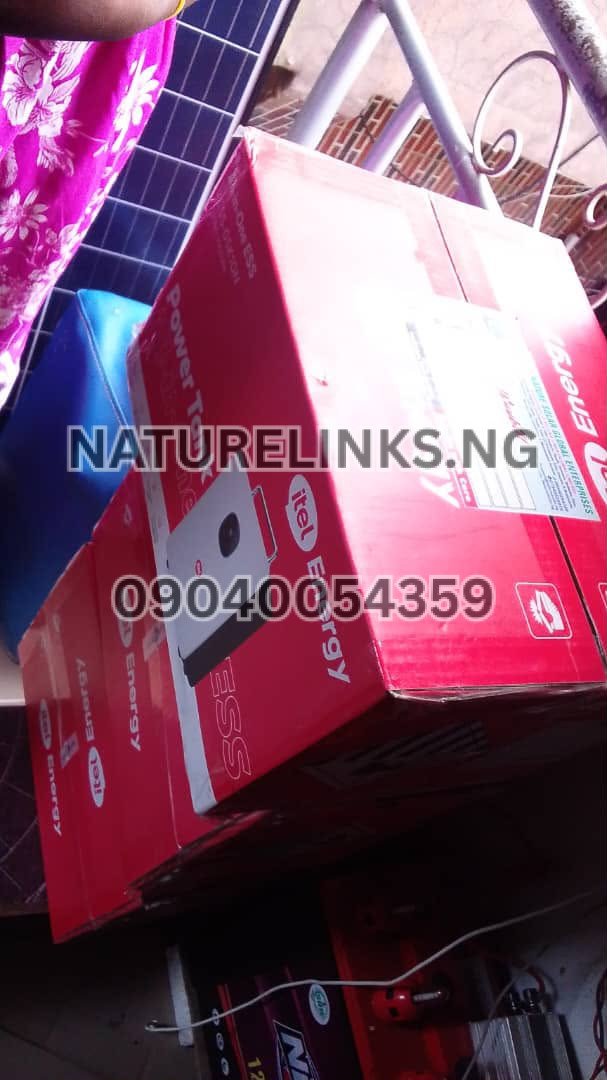
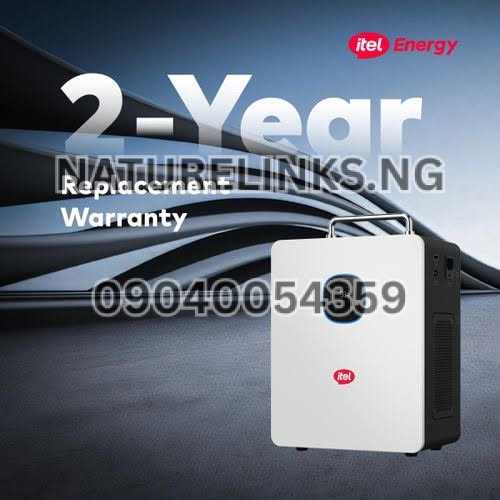
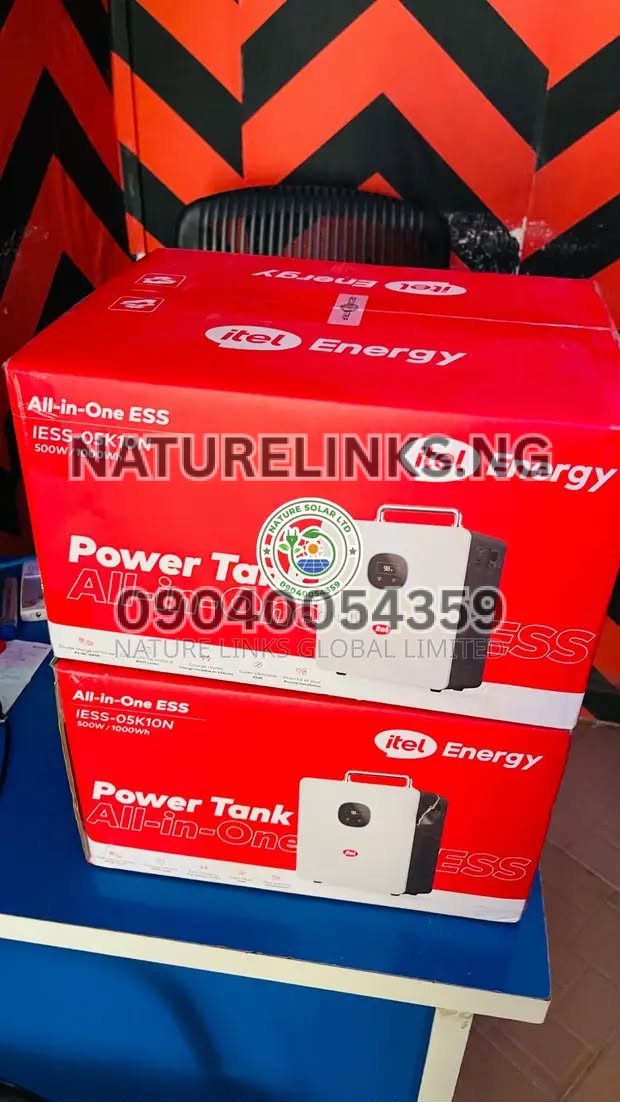
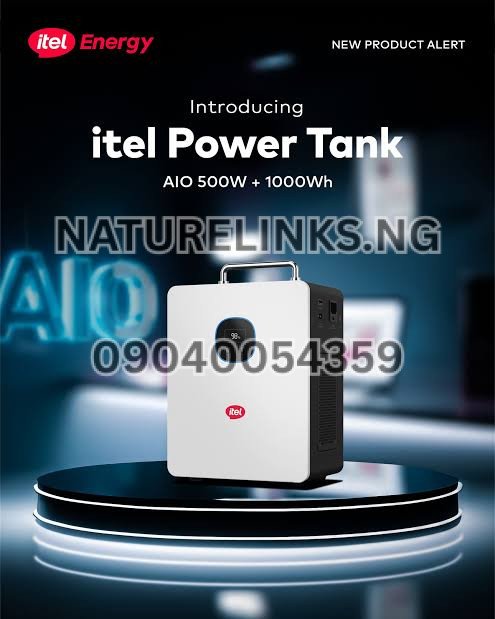
The original Itel Power Tank IESS-05K10N is commonly listed with a 1,000Wh, or 1kWh, LiFePO4 battery.
This gives the Power Tank significantly more stored energy than the 320Wh Power Go.
The Power Tank is also listed with a 500W inverter/output class, making it suitable for a wider range of compatible low- and medium-power devices than the standard Power Go.
Power Tank vs Power Go Battery Capacity
Battery capacity is one of the easiest ways to understand the difference.
Power Go
320Wh
Power Tank
1,000Wh / 1kWh
Therefore, the Power Tank has approximately:
1,000 ÷ 320 = 3.125
So the Power Tank has about 3.1 times the nominal energy storage of the Power Go.
However, this should not be interpreted as exactly 3.1 times the runtime in every situation. Real-world runtime depends on the load, conversion losses, battery condition and other operating factors.
Power Tank vs Power Go Output Power
Output power is another major difference.
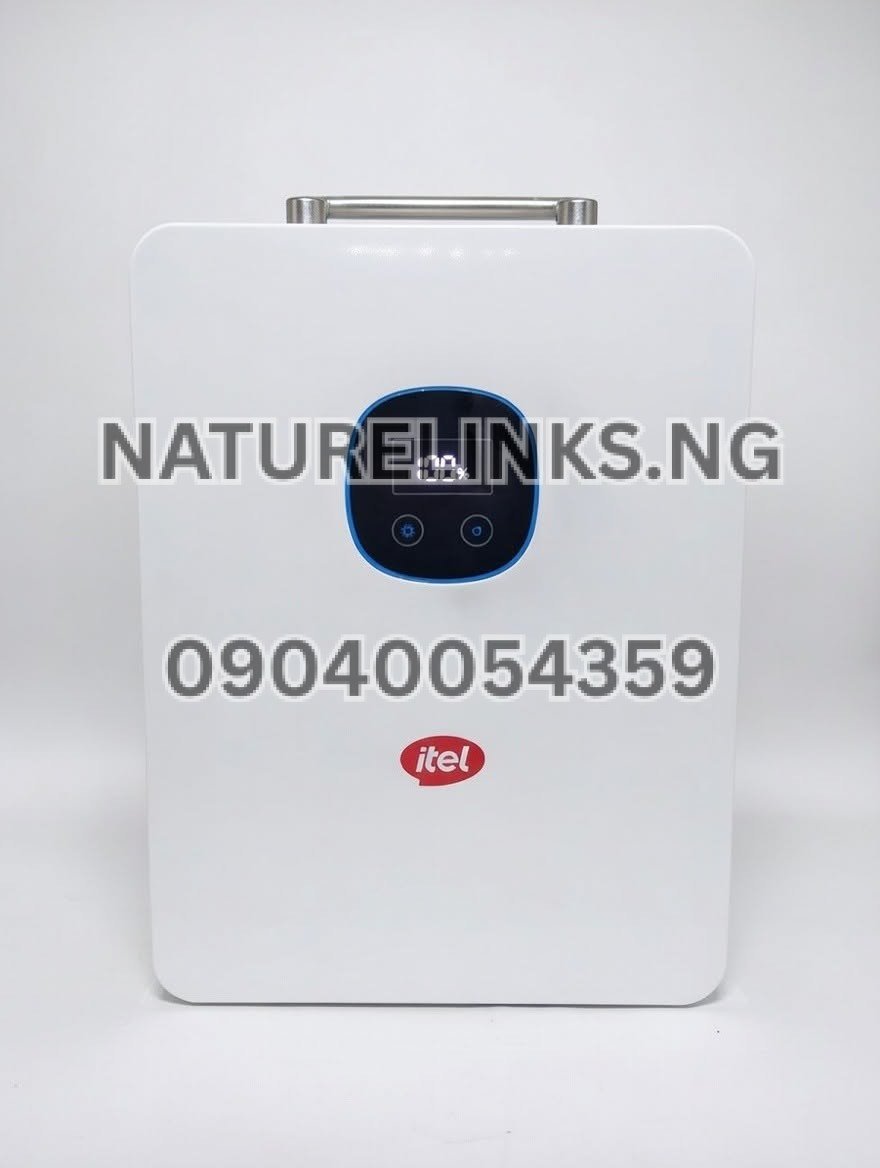
The standard Power Go IESS-320T is listed at approximately 130W maximum output, whereas the Power Tank is listed with a 500W inverter/output class.
This means a buyer should not look only at the battery capacity.
For example, a device requiring more than the Power Go’s rated output can be unsuitable even if the Power Go still has plenty of battery percentage remaining.
The Power Tank’s higher output rating gives it more flexibility for compatible appliances.
Which Is Better for a Nigerian Home: Power Tank or Power Go?
The answer depends on the equipment you want to power.
For light personal electronics, a 320Wh Power Go may be sufficient.
For a broader range of home and office backup requirements, the 1kWh Power Tank provides considerably more stored energy and higher output capability.
A buyer should therefore make a list of the devices they intend to power before choosing.
For example:
- Smartphone
- Wi-Fi router
- Decoder
- Laptop
- LED lights
- Television
- Fan
- Small electronics
- Other DC equipment
Then check the wattage of each device.
Can Power Go Run a TV?
It depends on the television’s actual power consumption and the exact Power Go configuration.
A small low-power TV may fall within the rated output of a suitable Power Go configuration, but buyers should check the TV’s wattage against the station’s output specification.
Because the standard Power Go is around 130W maximum output, it is intended for relatively light loads.
Always check the TV’s rating plate or manufacturer specifications before connecting it.
Can Power Tank Run a TV?
The Power Tank’s 500W output class provides substantially more headroom than the standard Power Go.
Many modern LED televisions consume considerably less than 500W, but the exact consumption depends on the television model and size.
Therefore, a compatible TV can potentially be powered by the Power Tank, provided its operating and startup requirements remain within the Power Tank’s specifications.
Can Power Go Run a Fan?
A small, low-power fan may be compatible if its electrical requirements are within the Power Go’s rated output.
However, not every fan has the same power consumption.
Before connecting a fan, check its wattage and compare it with the Power Go’s maximum output.
This is especially important for appliances with motors because startup requirements can differ from normal running power.
Can Power Tank Run a Fan?
The Power Tank’s higher output rating makes it more suitable for compatible fans than the standard Power Go.
However, the fan’s actual wattage and startup characteristics should still be checked.
The fact that a power station has a 500W inverter does not mean every appliance rated below 500W is automatically suitable under every operating condition.
Can Power Go Charge a Laptop?
A compatible laptop can potentially be charged using the Power Go’s supported USB-C or other appropriate outputs, depending on the laptop’s charging requirements and the exact Power Go model.
Current descriptions identify USB-C, USB-A and DC outputs on the Power Go IESS-320T.
Check:
- Laptop charging wattage
- USB-C Power Delivery requirements
- Voltage
- Connector type
- Maximum output of the selected port
Do not assume that every USB-C port provides the same charging capability.
Can Power Tank Charge a Laptop?
Yes, a compatible laptop can be powered or charged from the Power Tank using an appropriate output.
The Power Tank’s higher capacity makes it more suitable for longer-duration laptop backup than a smaller 320Wh station, although actual runtime depends on the laptop’s power consumption.
For people working remotely in Nigeria, this can be useful during power interruptions.
Which Has Longer Battery Life: Power Tank or Power Go?
The Power Tank has a substantially larger nominal energy capacity.
With approximately 1,000Wh compared with 320Wh, the Power Tank has more stored energy available for compatible loads.
However, battery life is not measured only by the product’s Wh rating.
For example, a Power Go powering a 20W device will consume energy much more slowly than if it were powering a 100W device.
The same principle applies to the Power Tank.
Simple runtime concept
Approximate runtime = battery energy ÷ load power
Actual runtime will be lower than a simple theoretical calculation because of inverter and system losses.
Is Power Tank More Powerful Than Power Go?
Yes, based on the commonly listed configurations.
The Power Tank has:
- More battery capacity
- Higher output capability
- Greater suitability for home backup
- Greater energy storage
- More flexibility for compatible appliances
The Power Go is designed around portability and lighter loads.
Current Nigerian listings describe the Power Go at 320Wh/130W and the original Power Tank at 1kWh/500W.
Is Power Go Portable?
Portability is one of the main advantages of the Power Go.
Its smaller 320Wh capacity makes it more suitable for users who want a compact power station that can be moved between rooms, taken to an office, carried for outdoor use or used for personal electronics.
This makes Power Go particularly relevant for:
- Students
- Remote workers
- Travellers
- Content creators
- Small-office users
- Phone users
- Router backup
- Outdoor activities
Is Power Tank Portable?
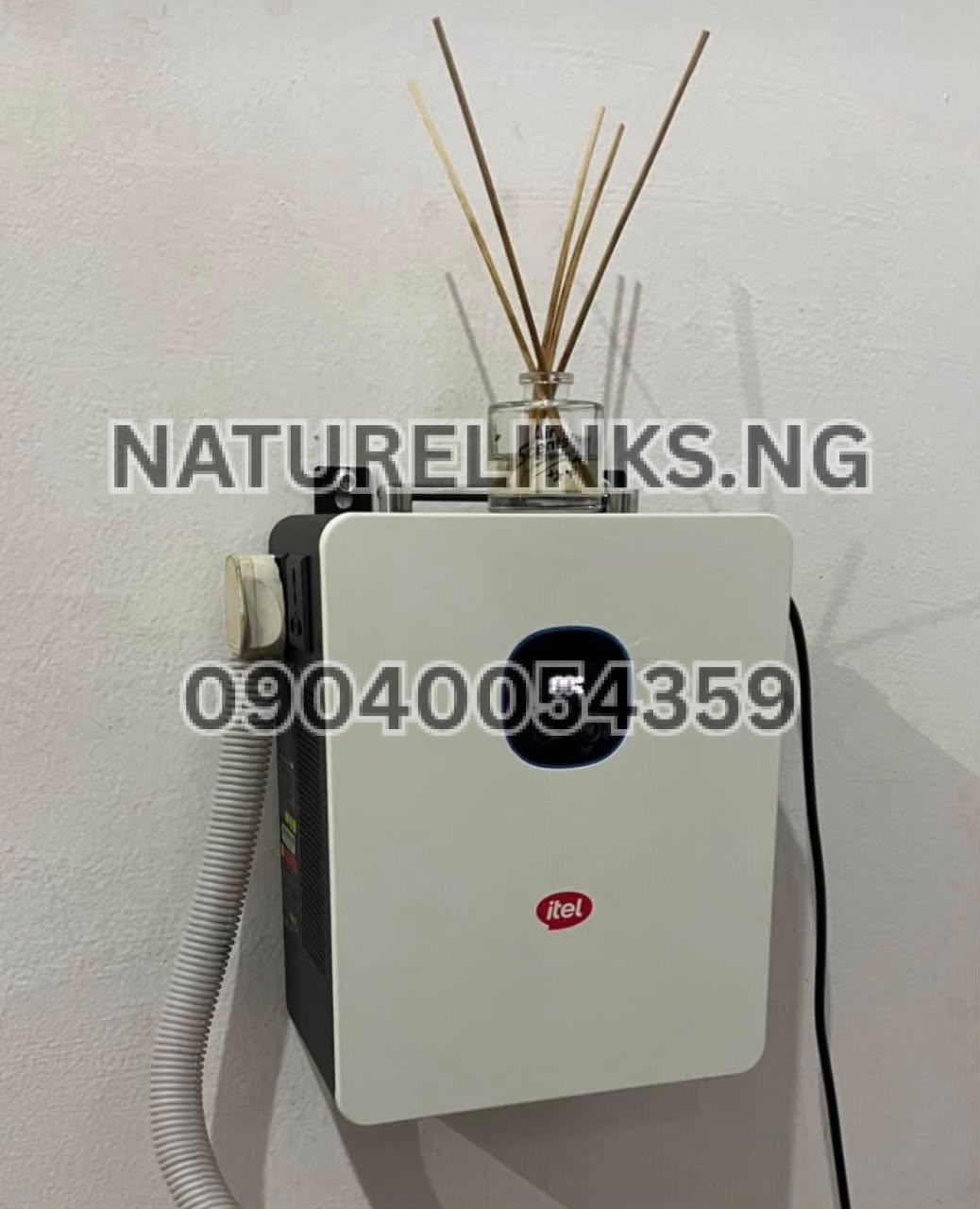
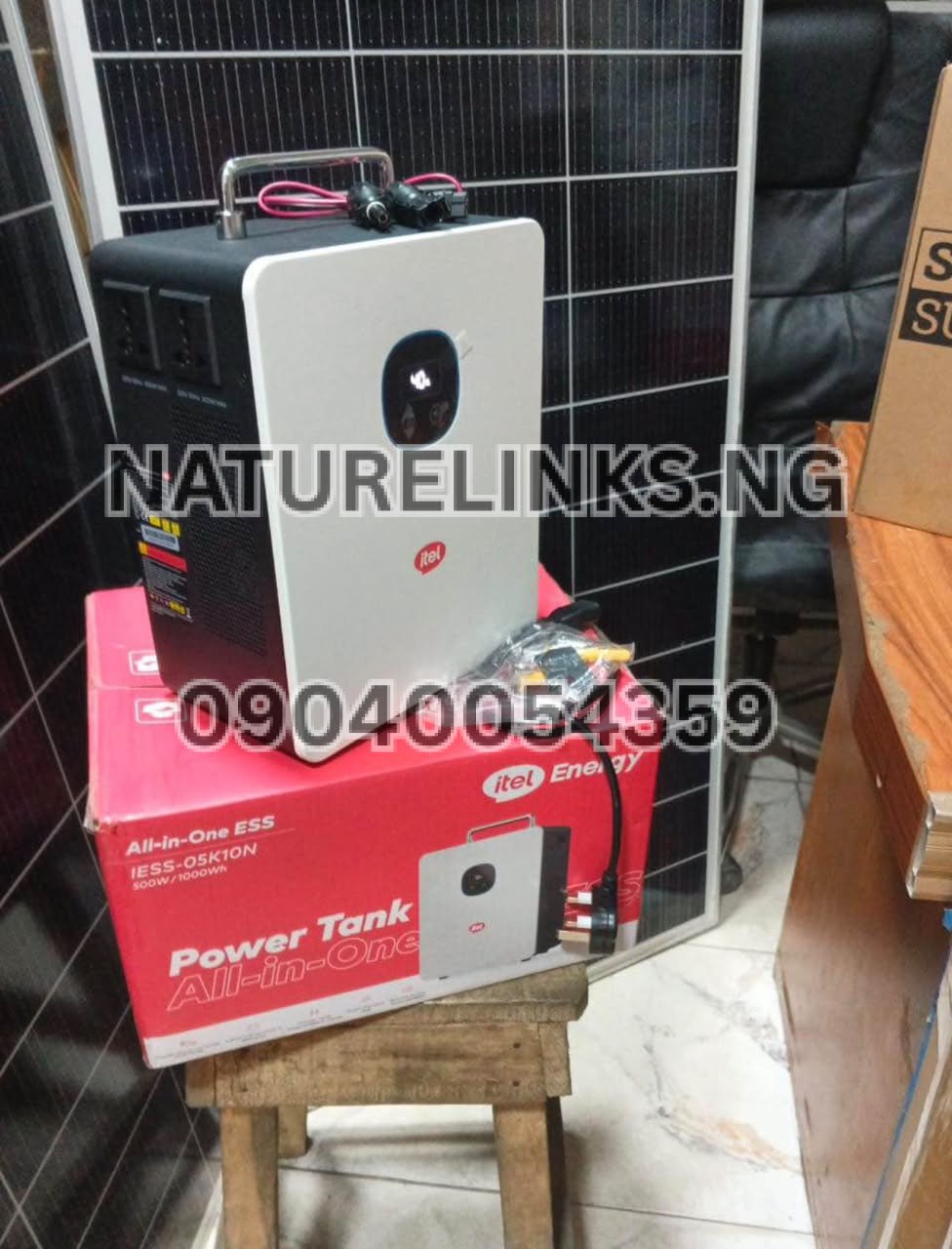
The Power Tank is an all-in-one portable energy solution, but it is larger than the Power Go because it carries a much larger battery.
It is better thought of as a portable backup power station rather than a small power bank.
It can be used in homes, offices, shops and other locations where more stored energy is required.

Power Go for Router and Wi-Fi Backup
If your primary objective is to keep a router, modem or other low-power networking equipment running during Nigerian power outages, Power Go can be an attractive capacity class.
However, check the router’s voltage and wattage before connecting it.
A router may consume only a small amount of power, so a 320Wh station can provide useful backup duration for such a load.
Power Tank for Router Backup
Power Tank can also provide router backup, with substantially more available energy.
If you intend to operate a router alongside other equipment such as a laptop, LED light or TV, the additional capacity of the Power Tank becomes more relevant.
Power Go for Phone Charging
Power Go is well suited to personal electronics where the required output remains within its specifications.
This includes compatible:
- Smartphones
- Tablets
- USB devices
- Some USB-C devices
- Low-power DC equipment
Its compact form makes it convenient for users who mainly need mobile-device backup.
Power Tank for Home Backup
The Power Tank is more suitable when your backup requirements extend beyond phones and small USB devices.
Its 1kWh battery and 500W output class make it a larger backup platform for compatible home and office electronics.
Potential applications can include:
- Television
- Fan
- Router
- Decoder
- Laptop
- LED lighting
- Small electronics
- Other compatible low-to-medium-power loads
Actual appliance compatibility must always be checked against the manufacturer’s specifications.
Power Tank vs Power Go for Office Use
For an office where the main requirement is phone charging, networking equipment and a laptop, either product could potentially be useful depending on the total load.
For multiple devices operating for longer periods, the Power Tank’s larger 1kWh storage can provide more energy capacity.
For one or two low-power devices where portability is more important, Power Go may be more appropriate.
Power Tank vs Power Go for Students
Students who primarily need:
- Phone charging
- Laptop charging
- Small USB devices
- Router backup
- Small electronics
may find the Power Go’s compact design useful.
Students who need longer backup periods or want to operate several compatible devices simultaneously may need the larger Power Tank.
Power Tank vs Power Go for Shop Owners
Shop owners should calculate the combined wattage of their equipment.
If the requirement includes several lights, a fan, router, POS equipment, phone chargers and other compatible electronics, the Power Tank’s higher capacity may provide greater flexibility.
But if the shop only needs phone charging and small electronic devices, Power Go may be sufficient.
Power Tank vs Power Go for Remote Workers
Remote workers should consider:
- Laptop wattage
- Router wattage
- Monitor wattage
- Lighting
- Phone charging
- Required backup duration
A Power Go can be useful for a low-power single-device setup.
A Power Tank provides more energy storage for a multi-device work setup.
Does Power Go Have a Smaller Battery Than Power Tank?
Yes.
The standard Power Go IESS-320T is listed at 320Wh, while the original Power Tank IESS-05K10N is listed at 1,000Wh.
That is the most important numerical difference between the two products.
Does Power Tank Have More Battery Capacity Than Power Go?
Yes.
The Power Tank has roughly 680Wh more nominal storage:
1,000Wh − 320Wh = 680Wh
It therefore has about 3.125 times the nominal energy capacity of the Power Go.
Does Power Go Have an AC Socket?
The standard Power Go IESS-320T is described in current product information as providing USB/DC outputs, with the manufacturer datasheet cited by CDcare not listing an AC socket for that model.
This is an important distinction when shopping.
Do not assume that every portable power station branded Power Go has an AC socket.
Always verify the exact model.
Does Power Tank Have AC Output?
The original Power Tank is listed with a 500W inverter/output class, making AC-powered compatible equipment part of its intended use.
This makes the Power Tank fundamentally different from a basic USB/DC-oriented portable power station.
Power Go vs Power Go Pro
Another important point for Nigerian buyers is that Power Go and Power Go Pro are different models.
Current listings identify both at around 320Wh, but the Power Go Pro adds a 200W AC output while retaining the 320Wh battery capacity.
Therefore, a buyer should not confuse:
Power Go
with
Power Go Pro
or with
Power Tank.
They occupy different positions in the product range.
Power Go Pro vs Power Tank
The Power Go Pro is listed with a 320Wh battery and 200W AC output, while the original Power Tank is listed with a 1kWh battery and 500W output class.
Therefore, even though both can provide AC power in their respective configurations, the Power Tank offers substantially more stored energy and a higher output class.
Which One Should I Buy in Nigeria?
Instead of choosing based only on the name or price, calculate your power requirement.
Choose Power Go when:
- You mainly need personal backup power.
- Your devices have low power consumption.
- Portability is important.
- You primarily charge phones and USB devices.
- You need router or small-electronics backup.
- Your total load is comfortably below the rated output.
Consider Power Tank when:
- You need substantially more battery capacity.
- You want a 1kWh-class backup station.
- You want a 500W-class inverter/output.
- You need backup for several compatible devices.
- You want to run equipment such as a TV, fan, laptop and lighting within the rated limits.
- Longer backup duration is important.
How Much Is Itel Power Go in Nigeria?
The selling price of Itel Power Go changes between retailers, promotions, packages and sellers.
Current Nigerian listings show multiple prices, with some listings around the ₦95,000–₦130,000+ range, while other marketplace listings can be higher depending on the seller and package.
Because online prices change frequently, buyers should confirm the current price, warranty, model number and included accessories before payment.
How Much Is Itel Power Tank in Nigeria?
The price of the original 500W/1kWh Power Tank also varies among Nigerian sellers and according to whether a solar panel is included.
Current Nigerian listings show the Power Tank around the ₦295,000–₦400,000+ range in several listings, while solar-panel bundles can cost considerably more.
Price should therefore be checked together with:
- Battery capacity
- Inverter rating
- Solar panel included or not
- Warranty
- Accessories
- Delivery
- Seller authenticity
- Model number
Is Itel Power Tank Worth the Price Compared With Power Go?
The two products should not be compared on price alone because they provide different capacity and output levels.
Power Go is a smaller 320Wh/130W-class product.
Power Tank is a 1kWh/500W-class product.
Therefore, the right comparison depends on the buyer’s actual electricity requirements.
If you only need low-power personal backup, paying for a much larger battery may not be necessary.
If you need more energy storage and higher output, the smaller station may not meet your requirements.
Can Both Power Tank and Power Go Use Solar Charging?
Solar charging capability depends on the exact model and supported input specifications.
The Power Tank is marketed as a solar-capable all-in-one energy solution, and Nigerian listings also sell Power Tank packages bundled with solar panels.
The Power Go also appears in Nigerian listings as part of solar-panel bundles.
However, buyers should not connect an arbitrary solar panel simply because its wattage appears compatible.
The solar panel’s:
- Voltage
- Current
- Maximum power
- Connector
- Input range
- Polarity
must match the power station’s solar input specifications.
Why Battery Capacity Matters in Nigeria
Nigeria’s electricity supply can vary considerably by location and time.
For users who experience extended outages, the battery capacity of a portable power station becomes particularly important.
A 320Wh unit and a 1,000Wh unit can provide very different backup experiences.
For example, if a device consumes 50W continuously, a theoretical calculation would be:
320Wh ÷ 50W = 6.4 hours
while:
1,000Wh ÷ 50W = 20 hours
These are theoretical figures before conversion and other system losses. Actual runtime will be lower and can vary significantly.
This example illustrates why a larger battery is useful for longer backup periods.
Why Output Wattage Matters
Battery capacity tells you how much energy is stored.
Output wattage tells you how much power the station can deliver to connected equipment.
This is why buyers should consider both specifications.
A station can have a large battery but still be unable to operate an appliance whose power demand exceeds the inverter/output rating.
The Power Go’s approximately 130W output class and Power Tank’s 500W output class demonstrate this difference.
Power Tank and Power Go for Nigerian Electricity Outages
Both products can be used as backup power solutions, but they target different loads.
Power Go
Best suited to lighter backup requirements.
Power Tank
Designed for a larger amount of stored energy and higher output capability.
The decision should therefore be based on your appliances rather than simply choosing the larger or cheaper product.
What Can Power Go Power?
Depending on the exact model and port specifications, Power Go can be used for compatible low-power devices such as:
- Smartphones
- Tablets
- USB accessories
- Compatible laptops
- Wi-Fi routers
- Small DC devices
- Other equipment within the rated output
Always check the device’s voltage, connector and wattage.
What Can Power Tank Power?
Depending on the exact model and load requirements, Power Tank can support a wider range of compatible low- and medium-power equipment.
Examples may include:
- LED TVs
- Fans
- Laptops
- Routers
- Decoders
- Lighting
- Phone chargers
- Small electronics
The total combined load should remain within the power station’s rated output.
Can Power Tank Power a Refrigerator?
Do not assume that a 500W power station can automatically run every refrigerator.
Refrigerators have compressors and can have startup/surge requirements significantly different from their normal running wattage.
Before purchasing for a refrigerator, check:
- Running wattage
- Startup/surge requirement
- Compressor type
- Power station continuous output
- Power station surge capability
- Expected runtime
A professional assessment may be necessary for larger refrigerators or other high-starting-current appliances.
Can Power Tank Run an Air Conditioner?
A standard 500W-class Power Tank should not be assumed to be suitable for an ordinary household air conditioner.
Air conditioners generally have substantially higher electrical requirements and potentially significant startup demand.
For high-power appliances, compare the appliance’s specifications with the power station’s continuous and surge ratings before buying.
Can Power Tank Run an Electric Iron?
An electric iron commonly requires considerably more power than many low-power electronics.
A 500W-class power station should not automatically be considered suitable for a typical electric iron.
Always check the iron’s wattage against the Power Tank’s actual continuous and surge output specifications.
Can Power Go Run an Electric Iron?
The standard Power Go’s approximately 130W output makes it unsuitable for typical high-wattage appliances such as electric irons.
Power Go is designed around much lighter electrical loads.
Can Power Go Run a Kettle?
An ordinary electric kettle generally has a high power requirement, so it should not be connected to a 130W-class Power Go.
Always check appliance wattage before connecting equipment to a portable power station.
Can Power Tank Run a Kettle?
A normal electric kettle can require substantially more than 500W.
Therefore, buyers should not assume that the original 500W-class Power Tank can operate a conventional high-wattage kettle.
The appliance’s actual rating must be compared with the power station’s continuous and surge capabilities.
Is Power Tank a Solar Generator?
The term solar generator is commonly used by Nigerian sellers to describe an all-in-one battery, inverter and solar-charging system.
The Power Tank fits the general category of portable power stations/solar energy solutions because it combines battery storage and inverter functionality and supports solar charging on compatible configurations.
It should not, however, be confused with a petrol or diesel generator.
Is Power Go a Power Bank or Power Station?
The Power Go is more accurately treated as a portable power station rather than a conventional smartphone power bank.
Its 320Wh battery and multiple output options give it considerably more energy storage than an ordinary phone power bank.
Current Nigerian listings describe it as a portable power station/power bank-style product.
Power Tank vs Power Go: Portability
Power Go has an advantage in situations where the user frequently carries the unit.
Power Tank has more battery capacity and consequently serves a different purpose.
Think of the distinction this way:
Power Go: portability and light loads.
Power Tank: greater energy storage and broader backup capability.
Power Tank vs Power Go: Capacity
Power Go: 320Wh.
Power Tank: 1,000Wh.
The Power Tank therefore has approximately 680Wh more nominal storage.
Power Tank vs Power Go: Output
Power Go: approximately 130W.
Power Tank: approximately 500W.
The difference means the Power Tank can accommodate a broader range of compatible loads.
Power Tank vs Power Go: Use Case
Power Go
Ideal for:
- Mobile backup
- Phones
- USB devices
- Router
- Light electronics
- Small personal setups
Power Tank
Ideal for:
- Home backup
- Office backup
- Shop backup
- TV
- Fan
- Laptop
- Router
- Lighting
- Multiple compatible devices
Where to Buy Original Itel Power Tank and Power Go in Nigeria
For Nigerians looking for an original Itel Power Tank or Power Go, verify the seller, model number, warranty and product specifications before making payment.
Nature Links Nigeria Limited [NatureLinks.NG] is presented by the business as the best seller, while Nature Solar Global Limited is the stated distributor.
Nature Solar Global Limited
Best Seller: Nature Links Nigeria Limited [NatureLinks.NG]
Distributor: Nature Solar Global Limited
CEO: Mr. Joseph Chikeleze
Phone: 07049528019
WhatsApp: 09040054359
Shop Address: F1571 Upstairs (F-Line), Alaba International Market, Lagos State 🇳🇬
Customers can contact the seller to confirm:
- Current Power Tank price
- Current Power Go price
- Available models
- Original product availability
- Warranty
- Solar panel options
- Accessories
- Delivery arrangements
- Current specifications
- Payment information
How to Avoid Buying the Wrong Itel Power Station
Before purchasing, ask the seller to provide the exact model number.
For example, the commonly referenced models include:
IESS-320T — Power Go
IESS-320ACT — Power Go Pro
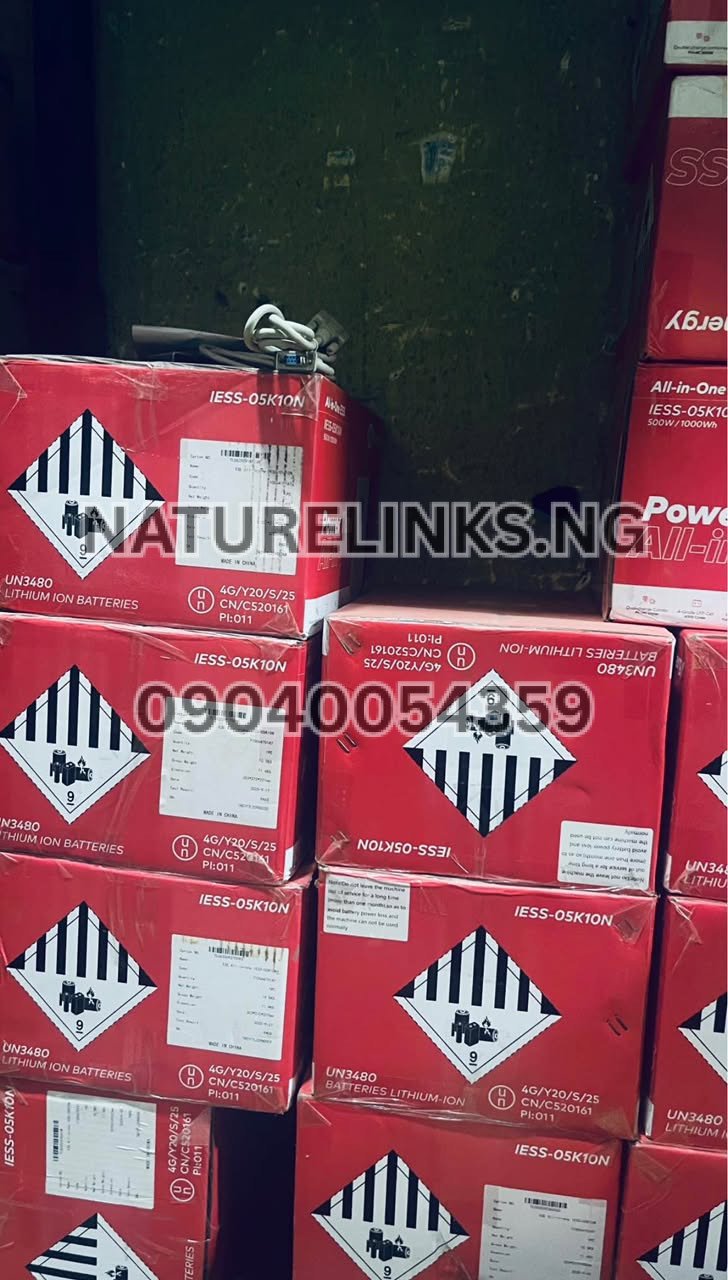
IESS-05K10N — Power Tank
The model number helps prevent confusion between products with similar names.
Current Nigerian product information distinguishes these models by battery capacity and output.
Check the Wattage of Your Appliances
Make a list of everything you want to power.
For example:
| Device | Typical buyer consideration |
|---|---|
| Smartphone | Very low power |
| Wi-Fi router | Low power |
| Laptop | Low-to-medium power |
| LED light | Low power |
| Decoder | Low power |
| TV | Low-to-medium power |
| Fan | Depends on model |
| Refrigerator | High startup consideration |
| Kettle | Usually high power |
| Iron | Usually high power |
| Air conditioner | High power |
These are categories rather than guaranteed wattages. Check each appliance’s rating label before purchase.
Do Not Confuse Watts and Watt-Hours
This is one of the most important things to understand when comparing Power Tank and Power Go.
Watt (W) refers to power.
Watt-hour (Wh) refers to stored energy.
Power Go is approximately:
130W / 320Wh
Power Tank is approximately:
500W / 1,000Wh
The first number helps determine whether a device can be powered.
The second helps determine how long the stored energy can potentially last.
“What Is the Difference Between Power Tank and Power Go?” for First-Time Buyers
For someone purchasing a portable power station for the first time, the simplest explanation is:
Power Go is the smaller portable option.
Power Tank is the larger-capacity backup option.
Power Go’s 320Wh battery is suitable for lighter electrical requirements.
Power Tank’s 1kWh battery provides considerably more stored energy and its 500W output class supports a broader range of compatible devices.
Frequently Asked Questions
1. What is the difference between Itel Power Tank and Power Go?
The main difference is capacity and output. Power Go IESS-320T is commonly listed at 320Wh and approximately 130W output, while Power Tank IESS-05K10N is listed at 1,000Wh and 500W output class.
2. Which has a bigger battery, Power Tank or Power Go?
Power Tank has the bigger battery. It is commonly listed with a 1,000Wh/1kWh battery, compared with 320Wh for Power Go.
3. Is Itel Power Go good for home use?
It can be useful for light home backup, particularly for phones, routers, USB devices and other compatible low-power equipment. For longer backup or larger loads, the 1kWh Power Tank provides more capacity.
4. Is Itel Power Tank good for home backup?
The Power Tank is designed as a larger all-in-one backup power solution and its 1kWh battery/500W output class makes it suitable for a wider range of compatible home electronics.
5. Can Power Go run a TV?
It depends on the TV’s wattage and the exact Power Go model. Because the standard IESS-320T is listed at about 130W maximum output, the TV must remain within the station’s output specifications.
6. Can Power Tank run a TV and fan?
Potentially, if the combined running load and startup requirements remain within the Power Tank’s specifications. Check the actual wattage of both devices before connecting them.
7. Which has longer battery life, Power Go or Power Tank?
Power Tank has a larger nominal battery capacity: 1,000Wh versus 320Wh. Actual runtime depends on the load and system efficiency.
8. Can Power Go charge a laptop?
A compatible laptop can potentially be charged through the Power Go’s supported USB-C or other appropriate output, provided its voltage, connector and power requirements are compatible.
9. Does Power Tank support solar charging?
The Power Tank is designed to support solar charging on compatible configurations, and Nigerian retailers also list Power Tank packages with solar panels. The panel must match the station’s specified solar-input voltage and current limits.
10. Where can I buy original Itel Power Tank or Power Go in Nigeria?
Buy from a reputable seller and verify the exact model, specifications, warranty and accessories. Nature Links Nigeria Limited/Nature Solar Global Limited can be contacted on 07049528019 or 09040054359 WhatsApp, with the stated shop address at F1571 Upstairs (F-Line), Alaba International Market, Lagos State.
Buyer Checklist Before Purchasing
Before you pay for an Itel Power Tank or Power Go, confirm these ten things:
- Exact model number.
- Battery capacity in Wh.
- Maximum/continuous output in W.
- Available AC, DC and USB ports.
- Solar input specification.
- AC charging capability.
- Battery chemistry.
- Warranty.
- Accessories included.
- Seller authenticity and current price.
This simple checklist can help prevent buying a product that does not meet your electricity needs.
Final Comparison: Power Tank vs Power Go
| Buying factor | Power Go | Power Tank |
|---|---|---|
| Battery | 320Wh | 1,000Wh |
| Output class | 130W | 500W |
| Portability | Higher | Lower than Power Go |
| Energy storage | Lower | Higher |
| Light electronics | Suitable | Suitable |
| Router backup | Suitable | Suitable |
| Laptop backup | Depending on configuration | Suitable for compatible loads |
| TV | Depends on TV | More suitable for compatible TVs |
| Fan | Depends on fan | More suitable for compatible fans |
| Home backup | Light-duty | Larger-capacity backup |
| Outdoor/mobile use | Strong fit | Possible, but larger |
| Solar use | Supported on compatible configuration | Supported on compatible configuration |
| Typical buyer | Personal/light-load user | Home/office/shop backup user |
Current Nigerian listings support the broad specification distinction of 320Wh/130W for Power Go and 1kWh/500W for the original Power Tank.
Conclusion
The difference between Itel Power Tank and Itel Power Go is primarily their battery capacity, output capability, portability and intended use. The standard Power Go IESS-320T is commonly listed with a 320Wh battery and approximately 130W output, making it suitable for lighter and more portable backup requirements. The Power Tank IESS-05K10N is commonly listed with a 1,000Wh/1kWh LiFePO4 battery and 500W output class, making it more appropriate for larger backup requirements and a wider range of compatible household and office electronics.
For Nigerian buyers, the right product depends on the appliances you want to power, how long you need backup electricity, your total wattage requirement, whether you need AC output, and whether portability or battery capacity is more important. Always confirm the exact model and current specifications before purchase.
Best Seller: Nature Links Nigeria Limited [NatureLinks.NG]
Distributor: Nature Solar Global Limited
CEO: Mr. Joseph Chikeleze
Call: 07049528019
WhatsApp: 09040054359
Shop Address: F1571 Upstairs (F-Line), Alaba International Market, Lagos State 🇳🇬