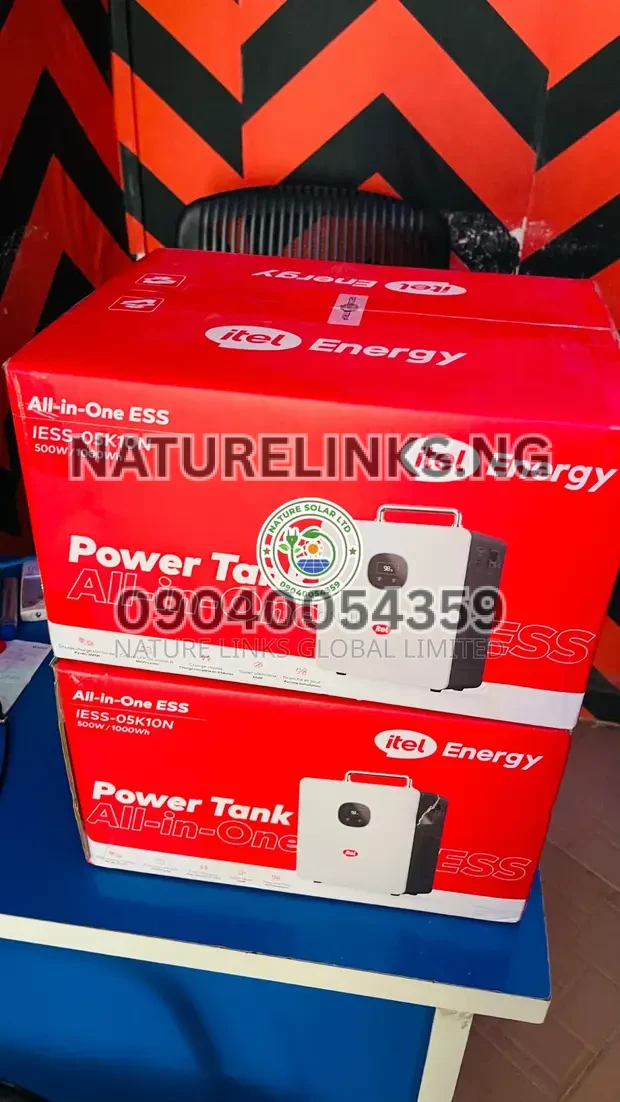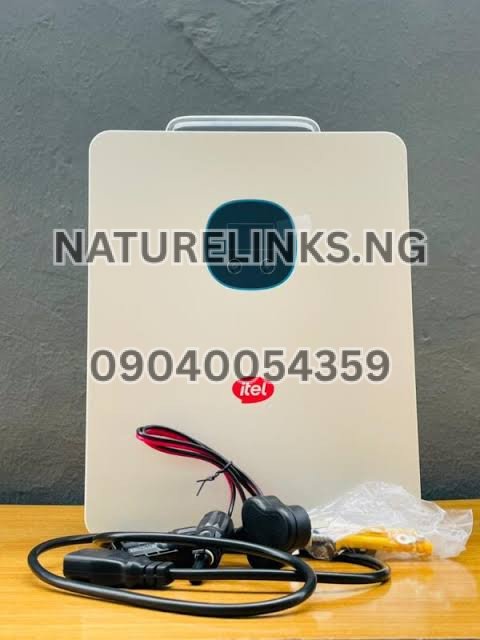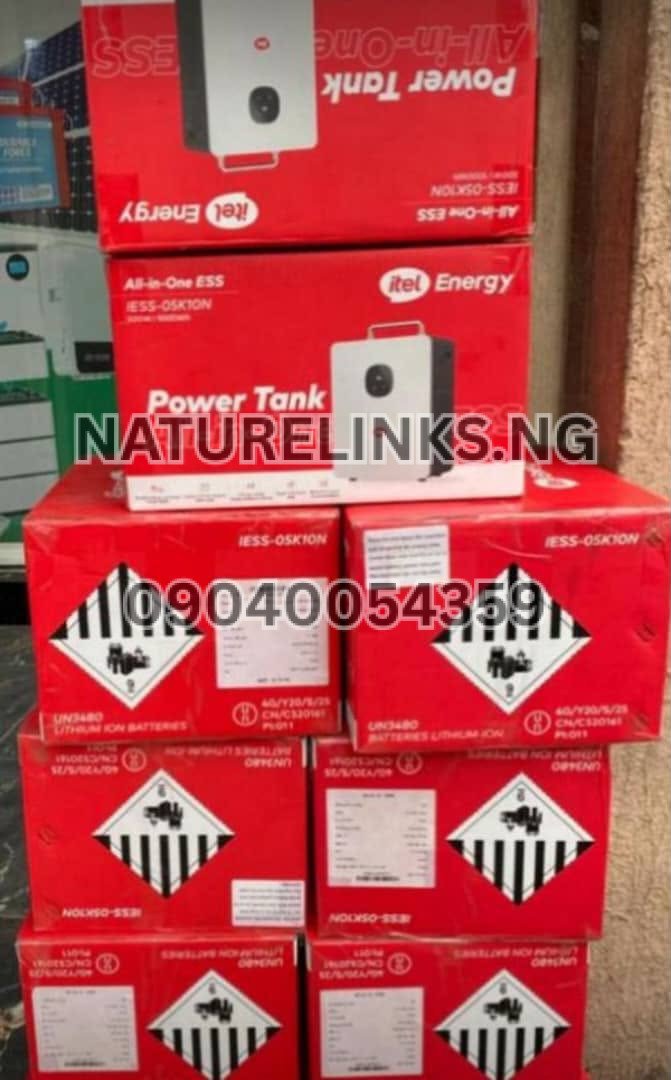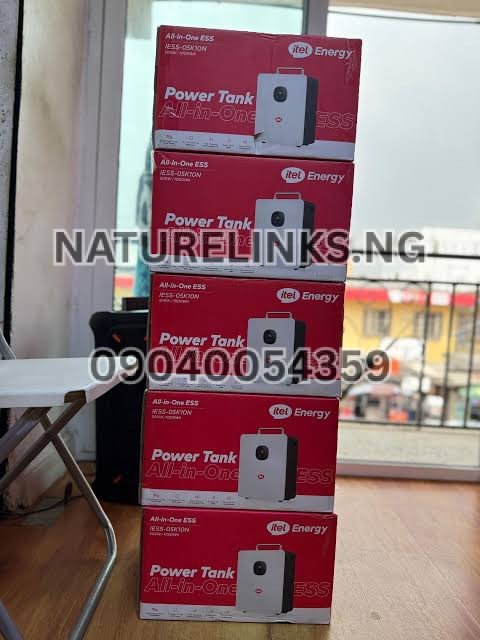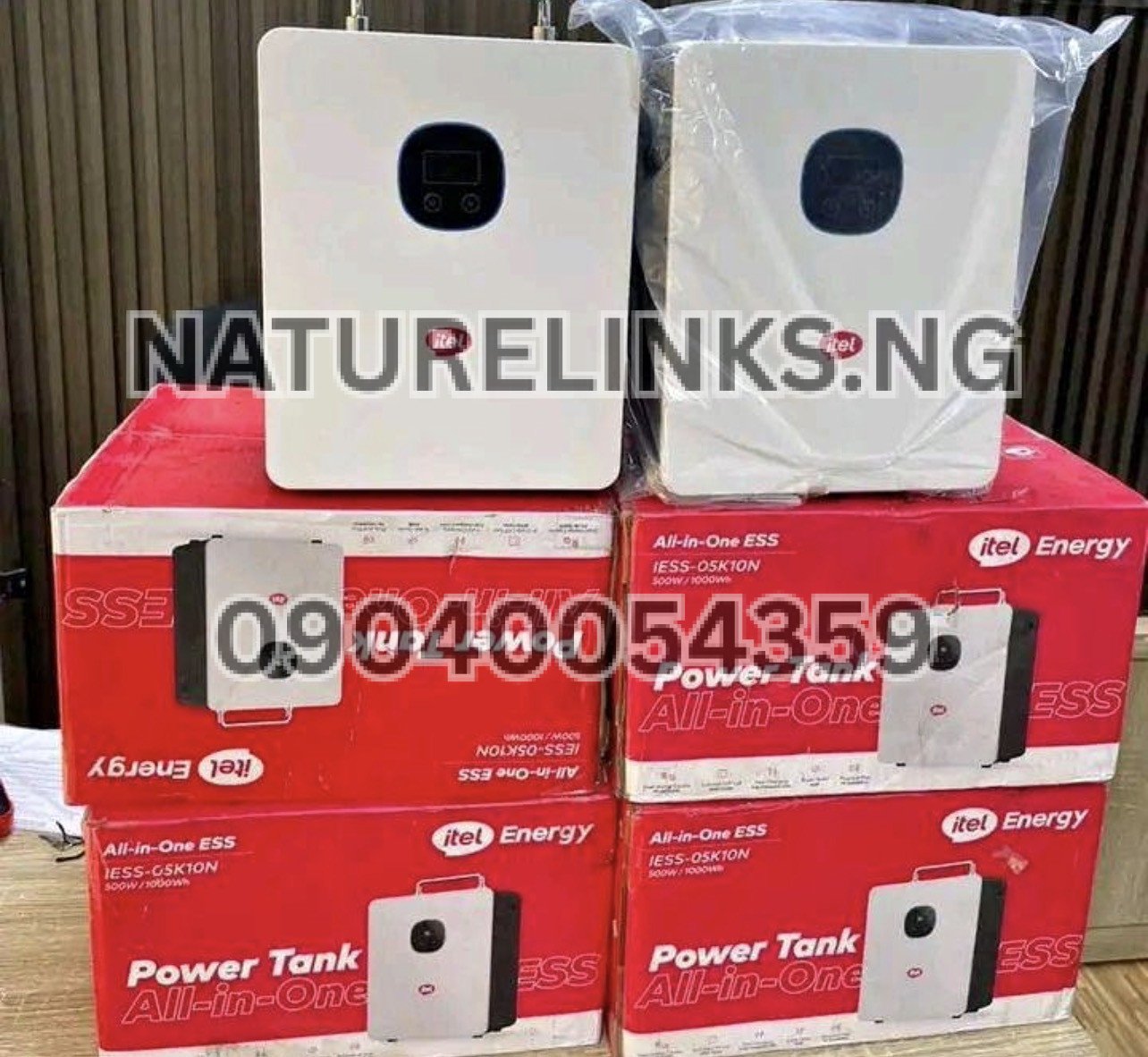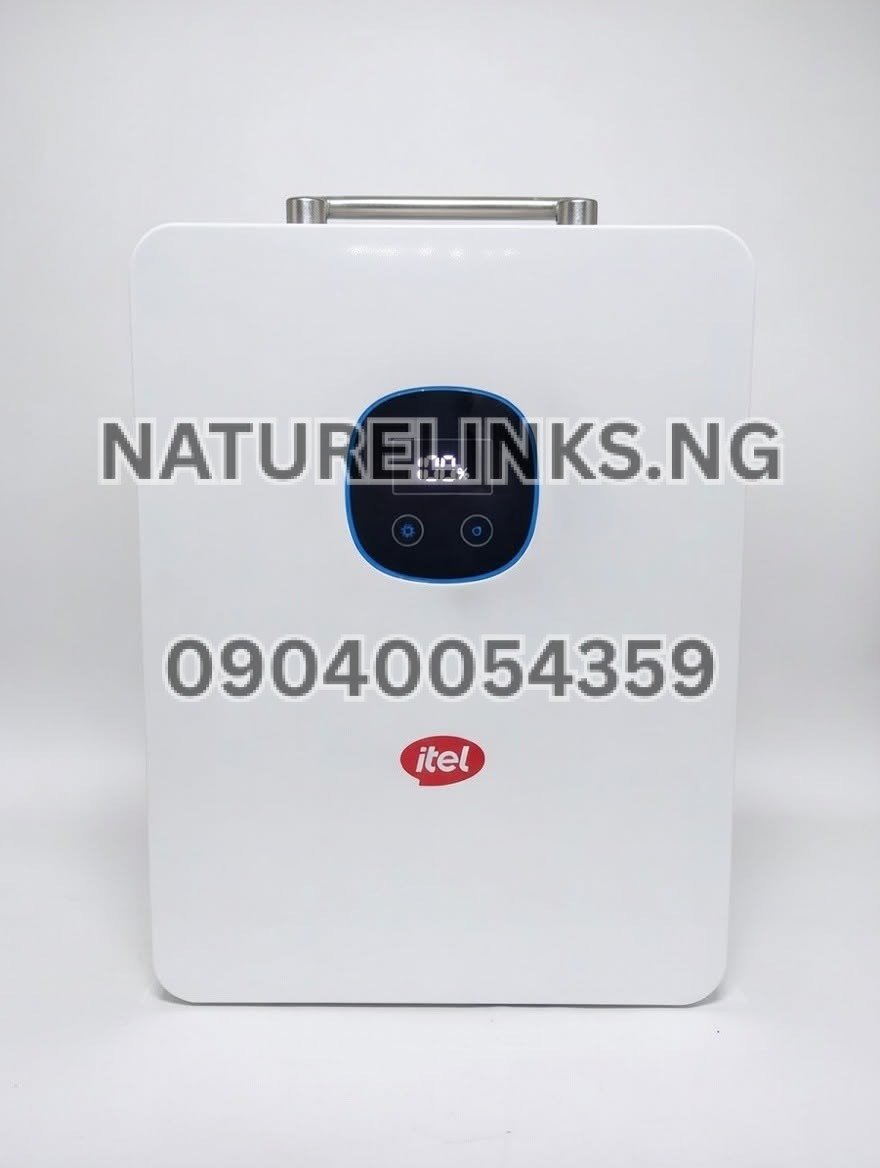
The Best Seller is Nature Solar Global Limited, the accredited distributor in Nigeria, with Nature Links Nigeria Limited [NatureLinks.NG] serving customers seeking genuine Itel Power Tank products and support.
If you are searching for “Does Power Tank Need Installation?”, the short answer is: the portable Itel Power Tank generally does not require the type of complex installation associated with a conventional inverter-and-battery solar system. The commonly listed Itel Power Tank 500W/1kWh configuration is an all-in-one system with the battery, inverter and solar charging components integrated into one portable unit. Nigerian product listings describe it as plug-and-play.
However, there is an important difference between using the Power Tank as a portable backup unit and connecting it permanently to a home’s electrical wiring or installing solar panels on a building. The latter may require appropriate electrical protection, wiring and professional installation.
If your main Google search is “Does Power Tank Need Installation?”, this guide explains what you actually need to set up, whether an electrician is necessary, how solar-panel installation differs, and what Nigerian buyers should check before purchasing.
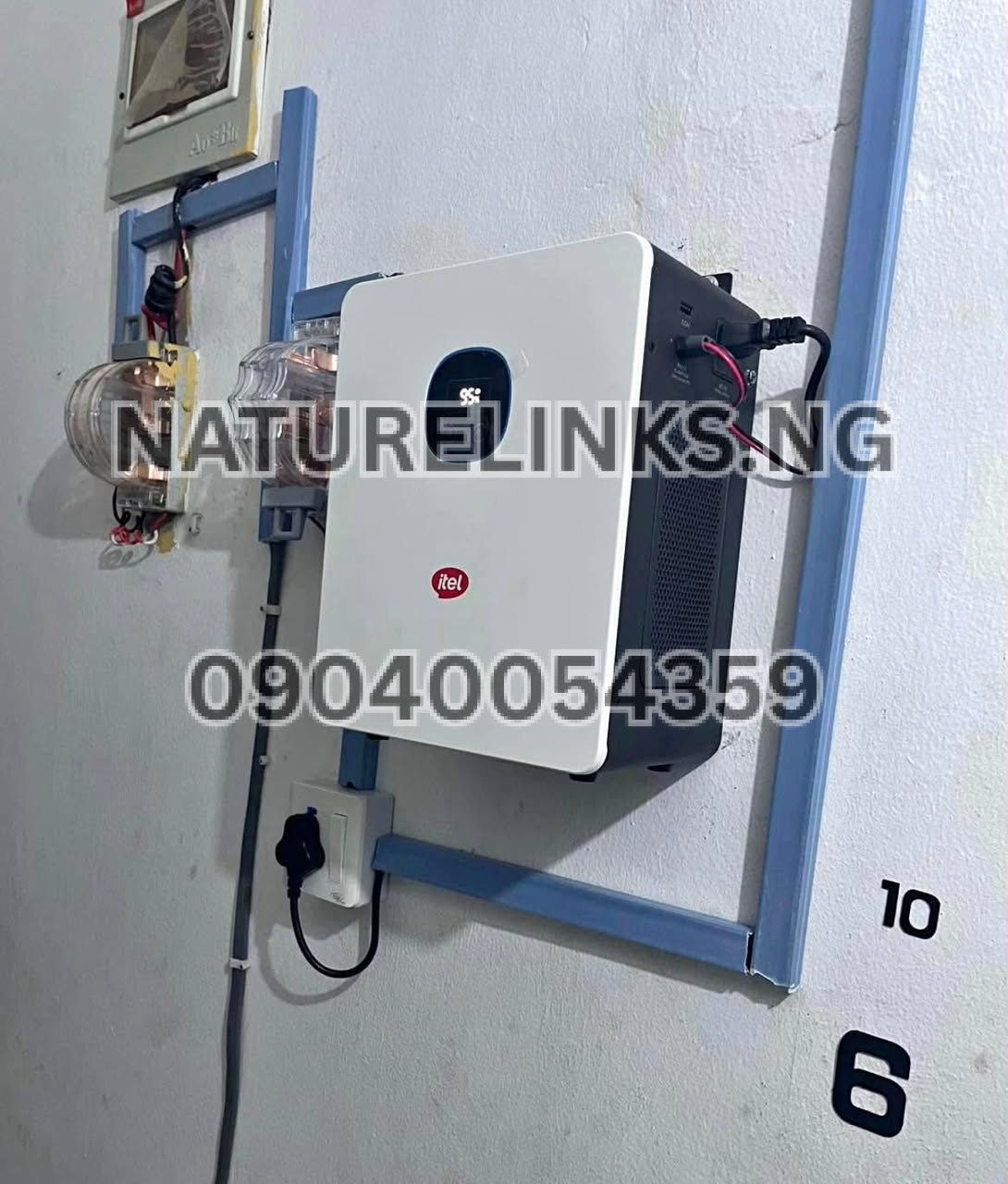
Does Power Tank Need Installation?
For normal portable use, no complicated installation is normally required.
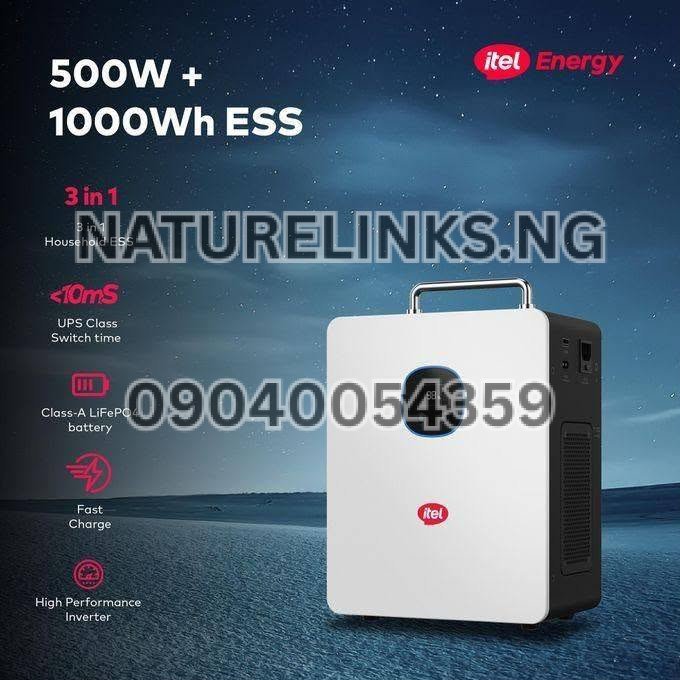
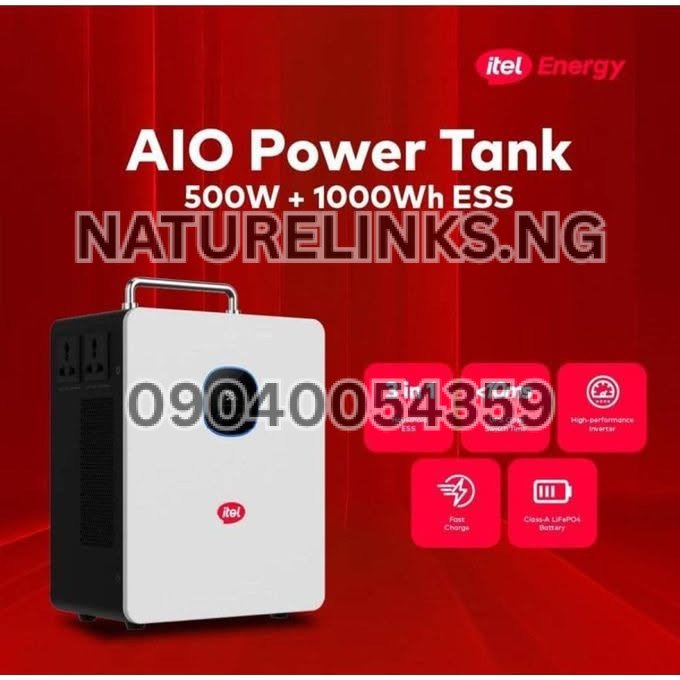
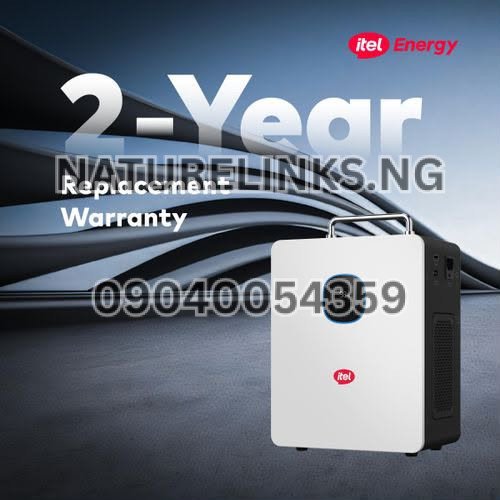
The Itel Power Tank is designed as an all-in-one energy-storage/backup system. The commonly listed 500W/1,000Wh version combines a LiFePO4 battery, inverter and solar charging functionality in one unit.
Instead of separately installing:
- An external inverter
- A separate battery bank
- A separate solar charge controller
- Extensive DC battery cables
- A wall-mounted inverter cabinet
you can normally position the Power Tank, charge it and connect compatible appliances to its available output ports.
This is one reason portable power stations are different from traditional fixed inverter installations.
“Does Power Tank Need Installation?” — Simple Answer for Nigerians
For ordinary plug-and-play use, the answer is generally no.
You normally need to:
- Unpack the Power Tank.
- Place it on a stable, dry and adequately ventilated surface.
- Charge the battery.
- Connect your appliance to the appropriate output.
- Turn on the relevant output.
- Monitor the battery and power consumption on the display.
Current Nigerian listings describe the Itel Power Tank as a plug-and-play system requiring no complex wiring for normal use.
That means someone buying it for a TV, router, laptop, lights, phone charging or other compatible appliances does not ordinarily need an electrician merely to start using the unit.
Does Itel Power Tank Require an Electrician?
Not for basic portable operation.
If you are simply using the Power Tank as a portable backup power station, you can connect your appliances directly to the appropriate sockets or ports.
For example, a user may set up the unit for:
- Television
- Wi-Fi router
- Laptop
- Phone charger
- LED lighting
- Small fan
- POS equipment
- CCTV equipment
- Other compatible low-power electronics
The commonly listed 500W/1kWh model has a 500W continuous AC output, so appliance loads must remain within the applicable rating.
An electrician becomes important when you want something beyond ordinary portable operation, especially permanent building wiring.
Is Itel Power Tank Plug and Play?
Yes, the commonly listed Itel Power Tank 500W/1kWh configuration is described as plug-and-play.
Its all-in-one design integrates the main components needed for portable backup electricity. Current Nigerian listings specifically identify plug-and-play operation as a feature.
This means you don’t normally need to construct a complete inverter system before using it.
Basic setup
Power Tank → Charge → Connect appliance → Switch on → Use
For many buyers, this is considerably simpler than purchasing a conventional inverter, external battery, charge controller and installation accessories separately.
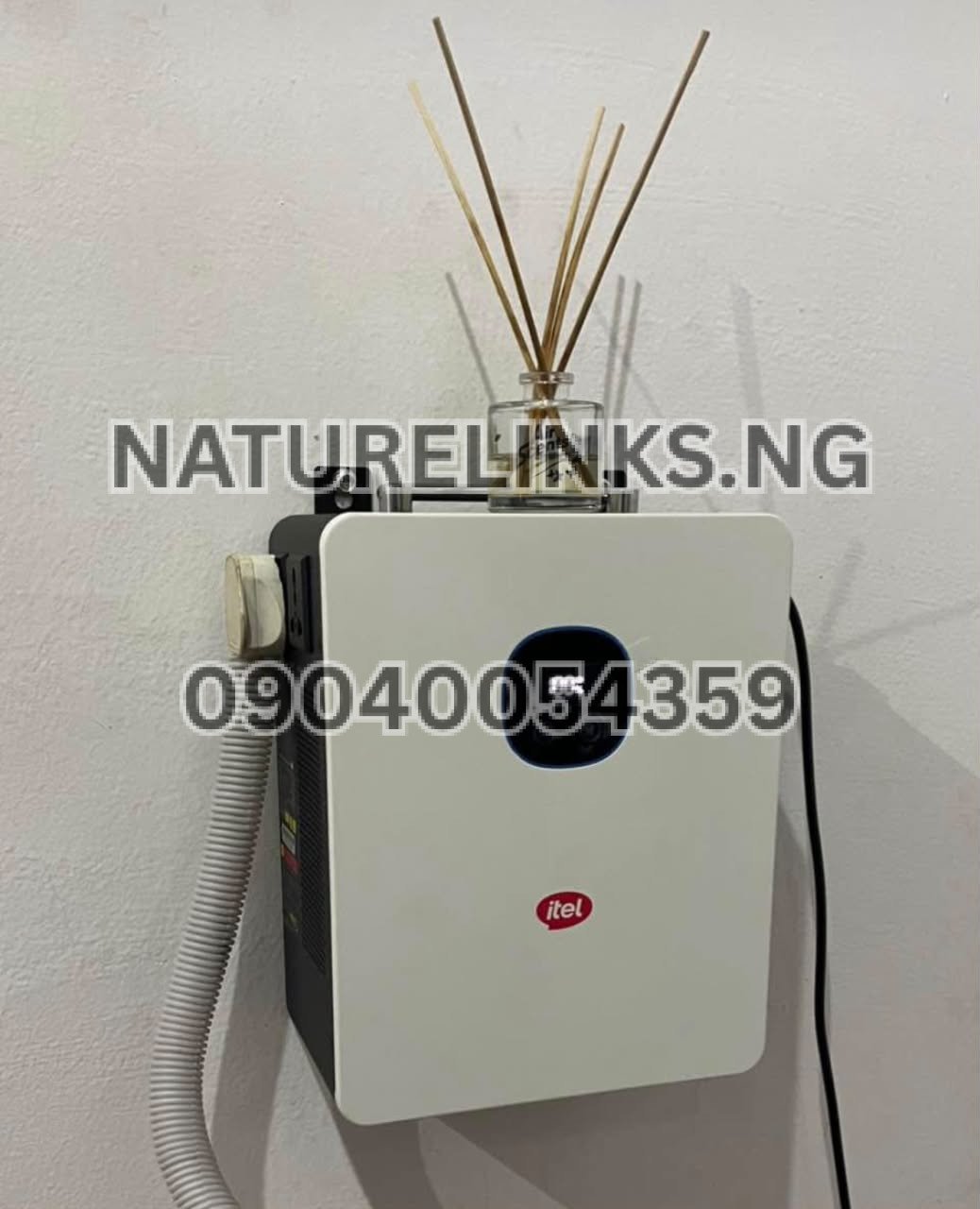
How Do You Install an Itel Power Tank?
Although the Power Tank does not normally require complex installation, it still needs proper setup.
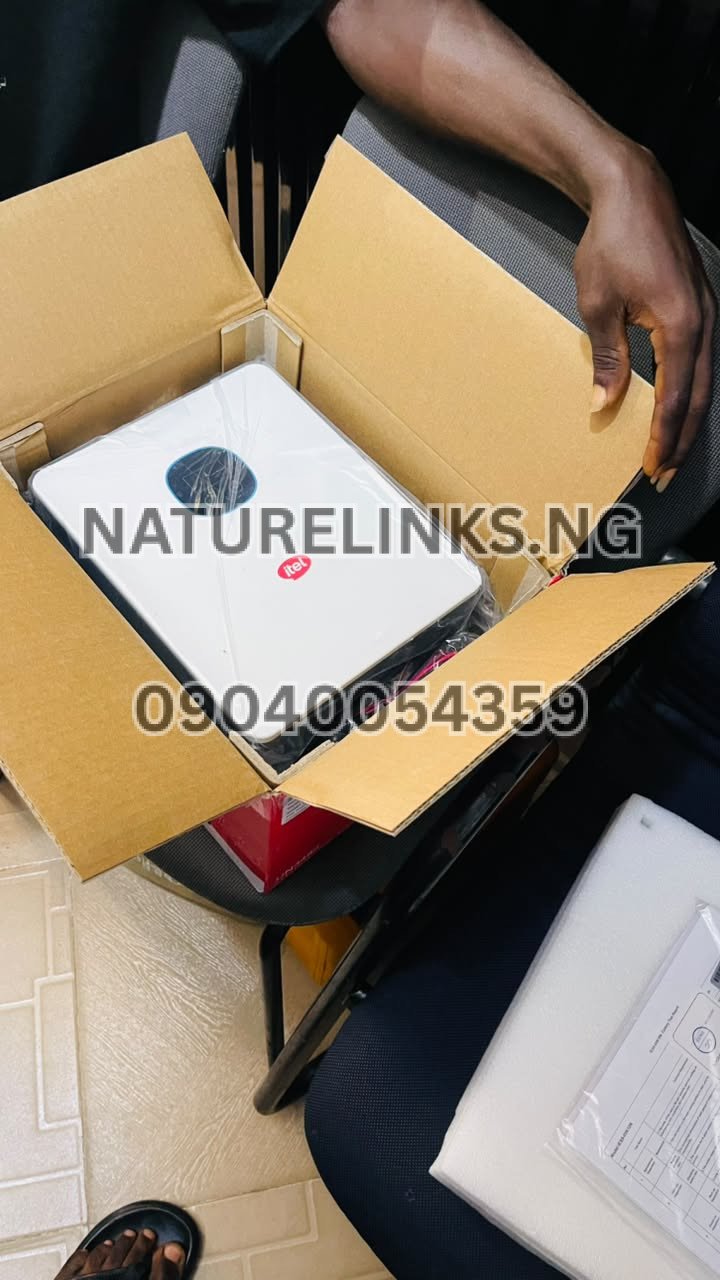
Step 1: Unpack the Power Tank
Carefully remove the Power Tank and its supplied accessories from the packaging.
Check that the unit, charger, cables and other accessories correspond to the package you purchased.
Step 2: Choose a Suitable Location
Place the unit on a stable surface.
The location should be:
- Dry
- Clean
- Adequately ventilated
- Protected from water
- Away from excessive heat
- Accessible for connecting appliances
Do not place it where ventilation openings are blocked.
Step 3: Charge the Battery
Before relying on the Power Tank for backup electricity, charge it using the appropriate charging method for your exact model.
The Power Tank product range supports AC/grid charging and compatible solar charging.
Step 4: Connect Your Appliance
Connect the appliance to the appropriate AC, DC or USB output.
Do not connect appliances whose combined demand exceeds the Power Tank’s rated output.
Step 5: Switch On the Required Output
Turn on the relevant output function according to the instructions for your model.
Step 6: Monitor the Display
Where your model has a digital display, monitor:
- Battery percentage
- Input power
- Output power
- Charging status
- Warning indicators
This helps you understand how much electricity your connected appliances are consuming.
Does Power Tank Need Solar Panel Installation?
The Power Tank itself does not necessarily require a permanently installed solar panel system.
You can use compatible solar panels as a charging source without turning the Power Tank into a permanently wired household solar installation.
However, installing the solar panel permanently on a roof is a different matter.
A roof-mounted solar panel system may require:
- Appropriate mounting
- Correct solar cables
- MC4 connectors where applicable
- Proper cable routing
- Electrical protection
- Correct panel orientation
- Suitable solar input voltage
- Appropriate PV sizing
- Professional installation where necessary
The commonly listed 500W/1kWh configuration is specified with solar charging and, on the listed IESS-05K10N configuration, up to 400W PV input and an MPPT controller.
Always verify the exact model’s PV voltage and wattage limits before connecting a solar panel.
Can I Use Itel Power Tank Without Solar Panels?
Yes.
Solar charging is an option; it is not the only way to recharge the Power Tank.
The commonly listed 500W/1kWh configuration supports AC/grid charging as well as solar charging.
Therefore, a Nigerian buyer can use the Power Tank as a battery backup system even without immediately purchasing solar panels.
This can be useful for people who want backup electricity first and plan to add solar charging later.
Does Itel Power Tank Come Ready to Use?
The Power Tank is designed as an integrated system, but that does not mean you should simply remove it from the box and immediately connect everything without checking the instructions.
Before use:
- Inspect the unit.
- Check the accessories.
- Read the supplied documentation.
- Confirm the model.
- Charge the battery appropriately.
- Confirm appliance wattages.
- Check the charging input specifications.
- Keep the unit ventilated.
- Avoid water and excessive heat.
Itel provides a support/download section where users can look for manuals and product documentation.
Do I Need to Install an Inverter Separately?
No, not for the all-in-one Itel Power Tank configuration.
One of the principal features of an all-in-one Power Tank is that the inverter is incorporated into the system.
For example, the commonly listed IESS-05K10N configuration combines:
- 500W inverter
- 1,000Wh battery
- LiFePO4 battery technology
- Solar charging capability
- MPPT solar charging on the applicable configuration
- AC/grid charging
- Battery-management and protection functions
in one portable system.
Therefore, purchasing a separate inverter solely to make the Power Tank produce AC output is generally unnecessary.
Do I Need to Install a Separate Battery?
No.
The Power Tank is designed with an integrated battery.
The commonly listed 500W model has a 1,000Wh / 1kWh LiFePO4 battery.
This is different from a traditional solar installation where you may purchase:
Solar panels + charge controller + inverter + external battery + cables + breakers + installation.
With a portable Power Tank, many of these components are incorporated into the unit.
Can I Connect Power Tank Directly to My Appliances?
Yes, provided the appliances are compatible with the Power Tank’s outputs and power limits.
Typical applications include:
- TV
- Laptop
- Wi-Fi router
- LED bulbs
- Phone chargers
- Small fans
- CCTV
- POS terminals
- Networking equipment
Nigerian product listings describe the 500W Power Tank for these kinds of lower-power applications.
Before connecting multiple appliances, add their wattages together.
Example
If you have:
- TV = 80W
- Router = 10W
- Laptop = 60W
- LED bulbs = 30W
Total:
80W + 10W + 60W + 30W = 180W
A 500W-rated system would have a theoretical continuous-load margin in this example, although actual operating limits, startup loads and the exact model specifications must still be considered.

Can I Connect Power Tank to My House Wiring?
This is where you should distinguish portable use from fixed electrical installation.
A portable Power Tank can be used directly with appliances without connecting it to your home’s electrical wiring.
If you want the Power Tank to supply selected wall sockets, lighting circuits or other permanent household circuits, that is a different installation.
Do not improvise a connection between the Power Tank and household wiring.
A proper electrical installation may require:
- Correct changeover/transfer equipment
- Appropriate breakers
- Proper isolation
- Correct cable sizing
- Earthing where applicable
- Circuit protection
- Assessment of the home’s electrical system
- A qualified electrician
This is particularly important because incorrect backfeeding can create serious electrical hazards.
Can Power Tank Be Used as a Home UPS?
Some Power Tank configurations provide UPS/backup functionality.
For the commonly listed 500W/1kWh configuration, current product information identifies UPS functionality on compatible configurations.
This can be useful for:
- Wi-Fi routers
- Computers
- TVs
- Networking equipment
- Office electronics
- Small business equipment
However, UPS functionality should not be confused with a permanent household wiring installation.
Check the exact model’s UPS specification before purchasing specifically for this purpose.
Is Professional Installation Required for Power Tank?
For ordinary portable operation, professional installation is generally not required.
For more complicated applications, professional assistance can be appropriate.

Professional help may be useful when:
- Installing rooftop solar panels
- Routing permanent solar cables
- Adding DC protection
- Installing a transfer/changeover arrangement
- Connecting to dedicated household circuits
- Installing multiple Power Tank units
- Designing a larger solar system
- Troubleshooting electrical faults
The official Nigerian Itel Energy service information also indicates that installation support is available for broader solar-energy systems.
Power Tank Installation vs Traditional Inverter Installation
| Feature | Itel Power Tank | Traditional Inverter System |
|---|---|---|
| Main battery | Integrated | Usually separate |
| Inverter | Integrated | Usually separate |
| Solar controller | Integrated on compatible models | Usually separate |
| Portability | High | Usually low |
| Basic setup | Plug-and-play | More installation required |
| External wiring | Minimal for portable use | Usually substantial |
| Solar panel option | Yes, compatible models | Yes |
| Permanent home wiring | Requires appropriate electrical setup | Normally professionally installed |
| Fuel | Not required during battery operation | Not required |
| Main advantage | Convenience and portability | Greater flexibility for fixed systems |
The comparison reflects the all-in-one design described for the Power Tank and the typical structure of conventional inverter systems.
How Much Does Itel Power Tank Cost in Nigeria?
The price varies according to:
- Model
- Battery capacity
- Inverter rating
- Seller
- Package configuration
- Solar panel inclusion
- Warranty
- Accessories
- Market conditions
Current Nigerian online listings show significant variation for the 500W/1kWh configuration, so buyers should confirm the exact model and current price before payment.
If you are buying a Power Tank in Nigeria, don’t compare prices without comparing the exact specification and package contents.
A cheaper listing may represent a different configuration or package.
Where to Buy Original Itel Power Tank in Nigeria
For buyers searching for:
- Itel Power Tank price in Nigeria
- Buy Itel Power Tank Nigeria
- Original Itel Power Tank
- Itel Power Tank dealer
- Itel Power Tank distributor
- Itel Power Tank Lagos
- Itel Power Tank Alaba
- Itel Power Tank 500W
- Itel Power Tank 1000Wh
you can contact:
Nature Links Nigeria Limited [NatureLinks.NG]
The Best Seller: Nature Solar Global Limited
Distributor: Nature Solar Global Limited
CEO: Mr. Joseph Chikeleze
Call: 07049528019
WhatsApp: 09040054359
Shop Address: F1571 Upstairs (F-Line), Alaba International Market, Lagos State 🇳🇬
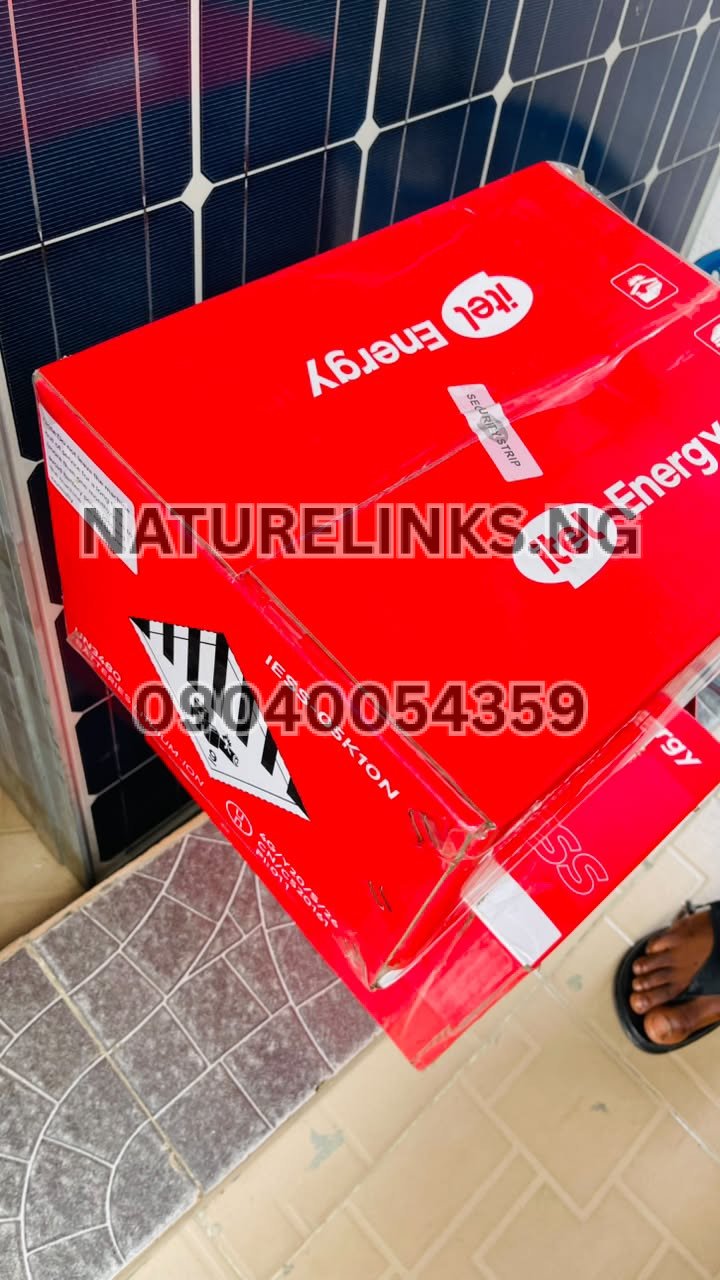
Before making payment, confirm the exact Power Tank model, battery capacity, inverter rating, included accessories, warranty and current availability.
What Should I Check Before Buying an Itel Power Tank?
If you are buying for use in Nigeria, check these specifications carefully.
1. Inverter rating
Determine the continuous AC output.
For the commonly listed 500W model, the rated continuous output is 500W.
2. Battery capacity
The common configuration is listed at 1,000Wh / 1kWh.
3. Battery chemistry
The listed configuration uses LiFePO4 battery technology.
4. Solar input
Check the maximum PV input and voltage range before purchasing a panel.
One listed 500W configuration specifies up to 400W PV input.
5. Charging methods
Check whether your specific unit supports:
- AC charging
- Solar charging
- Dual charging
6. Output ports
Check whether you have the AC, USB and DC outputs needed for your appliances.
7. Warranty
Confirm warranty coverage before payment.
8. Model number
Do not rely only on the words “Power Tank.”
Different Power Tank configurations can have different capacities and specifications.
What Appliances Can an Itel Power Tank Run?
A Power Tank’s appliance capability depends on its exact model and the wattage of the appliances.
The commonly listed 500W configuration is intended for lower-power devices such as:
- LED TV
- Laptop
- Wi-Fi router
- LED lights
- Small fans
- Phone chargers
- POS machines
- CCTV
- Networking equipment
- Small office electronics
Before connecting an appliance, check both its running wattage and startup/surge requirement.
Can Power Tank Run a Refrigerator?
This depends on the exact refrigerator and Power Tank model.
A refrigerator can have a relatively low running wattage but a substantially higher startup demand.
Therefore, do not determine compatibility from the refrigerator’s running wattage alone.
Check:
- Refrigerator running watts.
- Compressor startup demand.
- Power Tank continuous output.
- Power Tank surge/peak rating.
- Manufacturer’s compatibility specifications.
For a 500W Power Tank, this is especially important because the continuous AC rating is limited.
Can Power Tank Run a Fan?
A compatible fan can generally be powered if its electrical demand is within the Power Tank’s output capability.
For example, a small fan consuming considerably less than 500W may fall within the rated output of the commonly listed 500W model.
However, always check the actual wattage printed on the appliance.
Can Power Tank Run a TV and Router Together?
Potentially, yes.
A TV and router are examples of relatively low-power electronic loads, and Nigerian listings specifically identify TVs and routers among common Power Tank applications.
The important consideration is the combined wattage.
For example:
TV + router + LED lights = total load
The total should remain within the applicable output specification.
Does Power Tank Need Earthing?
The answer depends on the exact model, output configuration and installation method.
For ordinary portable use, follow the manufacturer’s instructions rather than creating an improvised earthing connection.
If the unit is being incorporated into a fixed electrical installation, have the installation assessed by a qualified electrician.
This distinction matters because portable operation and permanent electrical integration are not the same thing.
Does Power Tank Need Maintenance?
It requires considerably less routine maintenance than a petrol generator because there is no petrol engine to service.
However, maintenance still matters.
Good practices include:
- Keep the unit dry.
- Keep ventilation openings unobstructed.
- Avoid excessive heat.
- Use compatible chargers and solar inputs.
- Avoid overloading.
- Keep connectors clean.
- Store according to the manufacturer’s instructions.
- Recharge appropriately.
- Monitor warning indicators.
- Use the correct solar-panel specifications.
Battery-powered does not mean maintenance-free.
What Happens If the Power Tank Runs Out of Battery?
If the battery becomes depleted, connected appliances will eventually stop receiving power.
You can recharge it using an approved charging method supported by the model.
Depending on the configuration, charging may be possible through:
- AC/grid electricity
- Solar panels
- Other supported charging methods
The commonly listed Power Tank configuration supports AC and solar charging.
For reliable backup during Nigerian power outages, keeping sufficient battery charge before an expected outage is important.
Can I Move the Power Tank From Room to Room?
One of the main characteristics of the Power Tank is its portable all-in-one construction.
Instead of permanently installing the battery and inverter in a dedicated electrical room, you can move a portable power station between suitable locations.
For example, it can potentially be used in:
- Bedroom
- Living room
- Home office
- Shop
- Small office
- Outdoor location
provided the operating environment complies with the manufacturer’s instructions.
Is Power Tank Better Than a Traditional Generator?
Rather than treating this as a single answer for every Nigerian household, it is useful to compare the technologies.
Power Tank
- Battery-powered
- Quiet during battery operation
- No petrol required during operation
- Portable
- Rechargeable
- Suitable for selected appliances
- Can support solar charging on compatible models
Petrol generator
- Uses petrol
- Produces engine noise
- Produces exhaust
- Usually has higher output options depending on generator size
- Requires engine maintenance
- Suitable for different classes of loads
The appropriate system depends on your required load, runtime, budget, portability requirements and charging options.
“Does Power Tank Need Installation?” — Final Buying Advice
If your goal is simply to buy an Itel Power Tank and use it for backup electricity, you generally do not need a complicated installation.
The Power Tank is designed as an all-in-one portable system. The commonly listed 500W/1kWh configuration incorporates the battery, inverter and solar charging system and is described as plug-and-play.
You can normally:
Place it → Charge it → Connect your appliances → Switch it on → Use it.
Installation becomes a more significant consideration when you decide to install permanent solar panels, route cables around a building, add electrical protection or connect the Power Tank to fixed household circuits.
For safety, never improvise a permanent connection to house wiring.
10 Frequently Asked Questions About Power Tank Installation
1. Does Itel Power Tank need installation?
No complex installation is normally required for ordinary portable use. The commonly listed Power Tank is an all-in-one, plug-and-play system.
2. Do I need an electrician to use Itel Power Tank?
Not normally for basic portable operation. You may need qualified electrical assistance for permanent household wiring, solar-panel installation or other fixed electrical work.
3. Can I use Itel Power Tank immediately after buying it?
You should first unpack it carefully, check the accessories, read the applicable instructions and charge it appropriately before normal use.
4. Does Itel Power Tank need solar panels?
No. Solar panels are an optional charging source on compatible configurations. The commonly listed 500W/1kWh model also supports AC/grid charging.
5. Can I connect solar panels to Itel Power Tank?
Yes, compatible Power Tank configurations support solar charging. However, the panel’s voltage and wattage must fall within the Power Tank’s specified PV-input limits. One listed 500W configuration specifies up to 400W PV input.
6. Can I connect Power Tank directly to my TV?
Yes, if the TV’s power requirement is compatible with the Power Tank’s AC output. The commonly listed 500W model is marketed for TVs and other low-power electronics.
7. Can Power Tank power my whole house?
A portable 500W Power Tank should not automatically be treated as a whole-house power system. Its output rating limits the appliances it can operate simultaneously. Whole-house integration requires proper system design and electrical installation.
8. Can I connect Power Tank to my wall sockets?
Do not connect it to household wiring through improvised cables or plugs. A permanent connection requires an appropriately designed electrical installation with suitable isolation and protection.
9. Does Power Tank have a built-in inverter?
The commonly listed all-in-one Power Tank configuration incorporates an inverter. The 500W/1kWh model is listed with a 500W AC inverter output.
10. Where can I buy an Itel Power Tank in Nigeria?
Nigerian buyers can contact Nature Links Nigeria Limited / Nature Solar Global Limited for product availability, model information and purchasing assistance.
Call: 07049528019
WhatsApp: 09040054359
Address: F1571 Upstairs (F-Line), Alaba International Market, Lagos State 🇳🇬
Nature Links Nigeria Limited — Itel Power Tank Dealer Information
The Best Seller: Nature Solar Global Limited
Distributor: Nature Solar Global Limited
CEO: Mr. Joseph Chikeleze
Call: 07049528019
WhatsApp: 09040054359
Shop Address: F1571 Upstairs (F-Line), Alaba International Market, Lagos State 🇳🇬
If you are searching for an original Itel Power Tank in Nigeria, confirm the exact model, battery capacity, inverter rating, accessories, warranty and current price before making payment.
The official Itel support/download centre also provides access to product documentation and manuals for supported products.
Conclusion
So, does Power Tank need installation? For normal portable use, the answer is generally no. The Itel Power Tank is designed as an integrated, plug-and-play energy-storage solution, with the inverter, battery and charging components incorporated into the system on applicable configurations.
You can therefore use it for compatible appliances such as TVs, laptops, routers, lights, fans, POS equipment and other low-power electronics without installing a traditional inverter system. If you add solar panels, however, make sure the panels meet the exact Power Tank’s input requirements. If you want to connect the unit permanently to your home’s wiring, use appropriate electrical equipment and qualified installation rather than attempting a DIY backfeed connection.
For current product availability and purchasing information in Nigeria, contact Nature Links Nigeria Limited / Nature Solar Global Limited on 07049528019 or WhatsApp 09040054359, at F1571 Upstairs (F-Line), Alaba International Market, Lagos State 🇳🇬.