

If you are searching “How long does solar take to charge Itel Power Tank?”, the answer depends mainly on the solar-panel wattage, sunlight intensity, battery level, panel orientation, weather, cable losses and the exact Power Tank model.
For the commonly listed Itel Power Tank IESS-05K10N with a 1,000Wh/1kWh LiFePO₄ battery and up to 400W solar input, a full solar recharge can take roughly 3–4 hours under strong sunlight when paired with an appropriately configured high-output solar panel. Itel’s published product information identifies the model’s maximum PV input as 400W, while its product listing with a 410W panel states approximately 3–4 hours under strong sunlight.
However, solar charging is not as predictable as plugging into the grid. A cloudy day, shading, poor panel orientation or insufficient solar input can make the charging process considerably longer.
For Nigerians considering an Itel Power Tank for home backup, office use, remote work, shops or small businesses, understanding solar charging time is important before buying the unit and solar panel.
How Long Does Solar Take to Charge Itel Power Tank?
For the commonly listed 1kWh Itel Power Tank, expect approximately 3–4 hours under strong sunlight with a suitable high-output solar panel, based on current product information for the Power Tank paired with an Itel 410W panel.
The Power Tank itself is specified for a maximum of 400W PV input, so connecting a panel with a nominal rating above 400W does not necessarily mean the battery will accept the entire panel rating. The exact voltage and current must also remain within the Power Tank’s supported solar-input specifications.
This means:
Strong sunlight + correctly sized panel = faster charging
Weak sunlight + cloudy weather = slower charging
Shading + poor panel positioning = potentially much slower charging
Therefore, the 3–4-hour figure should be treated as an approximate reference under favorable conditions, not a guaranteed daily charging time.
How Many Hours Does Itel Power Tank Take to Charge With Solar?
For a 1,000Wh Itel Power Tank, a practical estimate under strong sunlight is around 3–4 hours with an appropriately configured panel capable of supplying close to the unit’s supported solar-input limit.
The actual time can vary because solar panels rarely deliver their nameplate wattage continuously throughout the entire day.
For example, a panel marketed as 400W may produce substantially less than 400W during:
- Early morning
- Late afternoon
- Heavy cloud cover
- Rain
- Haze
- Shading
- Poor panel orientation
- High-temperature conditions
This is why solar charging calculations should use real-world solar production, not simply the panel’s advertised wattage.
Can a 400W Solar Panel Charge Itel Power Tank?
Yes. The commonly documented Itel Power Tank IESS-05K10N supports up to 400W maximum PV input. It has an integrated MPPT solar charge controller, with the published specifications listing an MPPT voltage range of approximately 11–60V and a maximum PV voltage of 60V.
A correctly configured 400W solar system can therefore take advantage of much of the Power Tank’s available solar-input capacity.
However, panel voltage is just as important as panel wattage.
Before connecting a panel, verify:
- Maximum PV wattage
- Maximum PV voltage
- MPPT voltage range
- Panel open-circuit voltage
- Panel operating voltage
- Connector compatibility
- Polarity
Do not connect a solar-panel configuration that exceeds the Power Tank’s specified voltage limits.
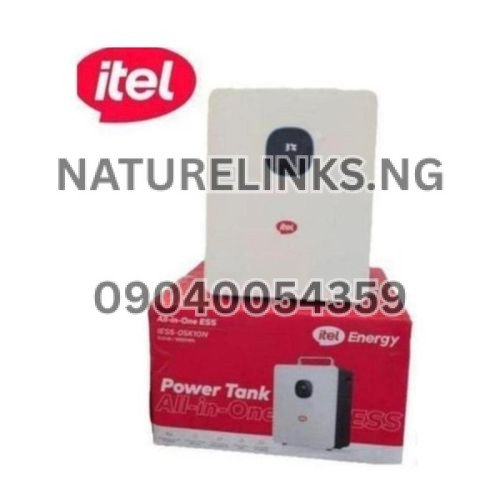
Can a 410W Solar Panel Charge Itel Power Tank?
Yes, Itel markets a Power Tank package with an Itel 410W solar panel, but the Power Tank’s documented maximum PV input is 400W. The manufacturer/distributor product listing describes the 410W panel package and approximately 3–4 hours of charging under strong sunlight.
The distinction is important.
A 410W panel does not necessarily mean the Power Tank will accept 410W continuously. The Power Tank’s PV input specification remains the relevant limit.
The extra panel capacity can potentially help maintain useful production when real-world conditions prevent a panel from operating at its nameplate rating, but the Power Tank’s input controller will determine how much power is actually accepted.
How Long Does a 100W Solar Panel Take to Charge Itel Power Tank?
A 100W solar panel is substantially below the Power Tank’s maximum 400W solar-input capability.
In a perfect theoretical calculation:
1,000Wh ÷ 100W = 10 hours
But that does not mean the Power Tank will necessarily charge in exactly 10 hours.
Solar panels do not normally produce 100W continuously for ten consecutive hours. Real charging time can be considerably longer because of:
- Morning and evening low production
- Clouds
- Heat
- Panel efficiency
- Dust
- Cable losses
- Controller behavior
- Solar angle
A 100W panel can charge the Power Tank, but it is not the fastest configuration for a 1kWh battery.
How Long Does a 200W Solar Panel Take to Charge Itel Power Tank?
Using a simple theoretical calculation:
1,000Wh ÷ 200W = 5 hours
Actual solar charging will normally take longer than this simplified calculation because the panel will not continuously deliver its full 200W rating.
For a Nigerian buyer, a 200W panel may be useful where budget, space or portability is more important than the shortest possible charging time.
How Long Does a 300W Solar Panel Take to Charge Itel Power Tank?
Theoretical calculation:
1,000Wh ÷ 300W = approximately 3.3 hours
In real-world conditions, the charging period can be longer because solar production changes throughout the day.
A 300W solar setup can therefore provide a meaningful charging rate for the 1kWh Power Tank, although a correctly configured system closer to its supported 400W PV input can provide greater charging power when sunlight is strong.
How Long Does a 400W Solar Panel Take to Charge Itel Power Tank?
Theoretical calculation:
1,000Wh ÷ 400W = 2.5 hours
But this is an idealized calculation.
Actual charging is commonly longer because:
- Solar output fluctuates.
- Panels rarely remain at maximum rated output.
- MPPT and electrical conversion involve losses.
- Battery charging is not necessarily constant from 0% to 100%.
- Weather affects available solar energy.
Current product information for the Itel Power Tank with a 410W panel gives approximately 3–4 hours under strong sunlight, which is a more useful practical reference than the simple 2.5-hour theoretical calculation.
Does Itel Power Tank Have an MPPT Solar Controller?
Yes. The documented IESS-05K10N incorporates an MPPT solar charge controller.
Itel’s published specifications give an MPPT tracking efficiency of up to approximately 99%, a maximum PV input of 400W, maximum PV voltage of 60V, and an MPPT voltage range of 11–60V.
MPPT technology helps the charging system extract usable power from the solar panel across changing operating conditions.
This is one reason buyers should not compare solar generators based only on battery size.
What Solar Panel Is Best for Itel Power Tank?
For the commonly documented 1kWh Power Tank, buyers should select a solar-panel configuration that stays within the Power Tank’s published electrical limits.
A high-output panel or panel configuration close to the unit’s 400W maximum PV input can provide faster charging when sunlight is strong. Itel itself lists a Power Tank package with a 410W panel.
Before buying a panel, confirm:
- PV voltage
- Open-circuit voltage
- Maximum power voltage
- Current
- Total wattage
- Connector type
- Panel configuration
- Maximum Power Tank PV input
Do not select a panel merely because its wattage looks attractive.
Can Solar Charge Itel Power Tank on a Cloudy Day?
Yes, solar panels can still generate electricity under cloudy conditions, but their output is generally lower than under strong direct sunlight.
Consequently, a Power Tank that might recharge in approximately 3–4 hours in strong sunlight could require substantially longer in poor weather.
The exact difference depends on:
- Cloud thickness
- Solar irradiance
- Panel quality
- Temperature
- Panel orientation
- Shading
- Installation quality
This is particularly important during Nigeria’s rainy season.
Does Rain Stop Itel Power Tank From Charging?
Rain itself does not automatically mean a solar panel produces zero electricity.
However, heavy cloud cover associated with rain can substantially reduce solar output.
If the Power Tank’s solar input falls below the level needed for meaningful charging, the battery may charge very slowly.
Users should also make sure the Power Tank and electrical connectors are installed according to their specified environmental ratings. Do not expose indoor-rated electrical equipment or unprotected connectors to rain simply because the solar panels are outdoors.
Does Heat Affect Solar Charging?
Yes.
Solar panels can produce significant electricity in hot weather, but panel temperature can affect electrical performance. The Power Tank itself also has an operating-temperature specification.
The documented IESS-05K10N operating range is approximately -10°C to +60°C, with power derating above 40°C.
For Nigerian installations, adequate ventilation and sensible placement are therefore important.
Why Is My Itel Power Tank Charging Slowly From Solar?
If the Power Tank is taking much longer than expected to charge, check:
1. Solar Panel Wattage
A small panel will naturally charge a 1kWh battery more slowly.
2. Sunlight
Weak sunlight reduces charging power.
3. Shading
A tree, building, roof edge or even partial obstruction can reduce panel output.
4. Panel Direction
Poor panel orientation can reduce the amount of sunlight reaching the cells.
5. Dust
Dust and dirt can reduce solar-panel output.
6. Cable Losses
Long or unsuitable cables can reduce available charging power.
7. PV Voltage
The solar configuration must remain within the Power Tank’s specified voltage range.
8. Battery Percentage
Charging behavior can change as the battery approaches full capacity.
9. Connected Appliances
If the Power Tank is simultaneously supplying loads, some of the incoming solar energy may be consumed by those appliances rather than increasing the battery percentage.
Can Itel Power Tank Charge While Being Used?
The current Itel Power Tank information describes pass-through charging, meaning compatible loads can be powered while the Power Tank is receiving charging energy from solar or AC in supported configurations.
This can be useful in Nigeria.
For example, solar energy arriving during the day can simultaneously:
- Power a router, laptop or other compatible appliance.
- Supply energy toward charging the battery.
However, if the connected appliances consume a substantial portion of the incoming solar energy, the battery will charge more slowly.
Can Solar Charge Itel Power Tank While Running a TV and Fan?
Yes, if the connected loads are within the Power Tank’s output rating and the system supports the intended pass-through mode.
The commonly listed IESS-05K10N has a 500W nominal AC output.
Suppose the TV and fan together consume 150W while the solar panels are providing 350W.
In a simplified example, approximately 200W would remain available for battery charging before system losses.
This illustrates why the charging time can become longer when appliances are operating during solar charging.
Can Itel Power Tank Charge at Night?
Solar panels cannot provide normal photovoltaic charging without sunlight.
Therefore:
Daytime + sunlight = solar charging
Nighttime = no meaningful PV generation
The Power Tank can instead be charged from the electrical grid where AC charging is available.
The documented IESS-05K10N supports both solar and grid charging.
Can I Charge Itel Power Tank With Solar and NEPA Together?
The Power Tank platform supports both solar and grid charging, and product information describes dual solar/grid charging.
However, buyers should confirm the exact model’s charging configuration and operating instructions before combining inputs.
Do not create a custom electrical connection simply to increase charging speed.
How Much Solar Power Does Itel Power Tank Need?
The commonly documented model accepts up to 400W of PV input.
That means a solar setup capable of delivering close to 400W under favorable conditions can take advantage of much of the available PV charging capacity.
The correct solar configuration also has to remain within the Power Tank’s voltage and current limits.
Itel Power Tank 1000Wh Solar Charging
The 1,000Wh battery is equivalent to 1kWh of stored energy.
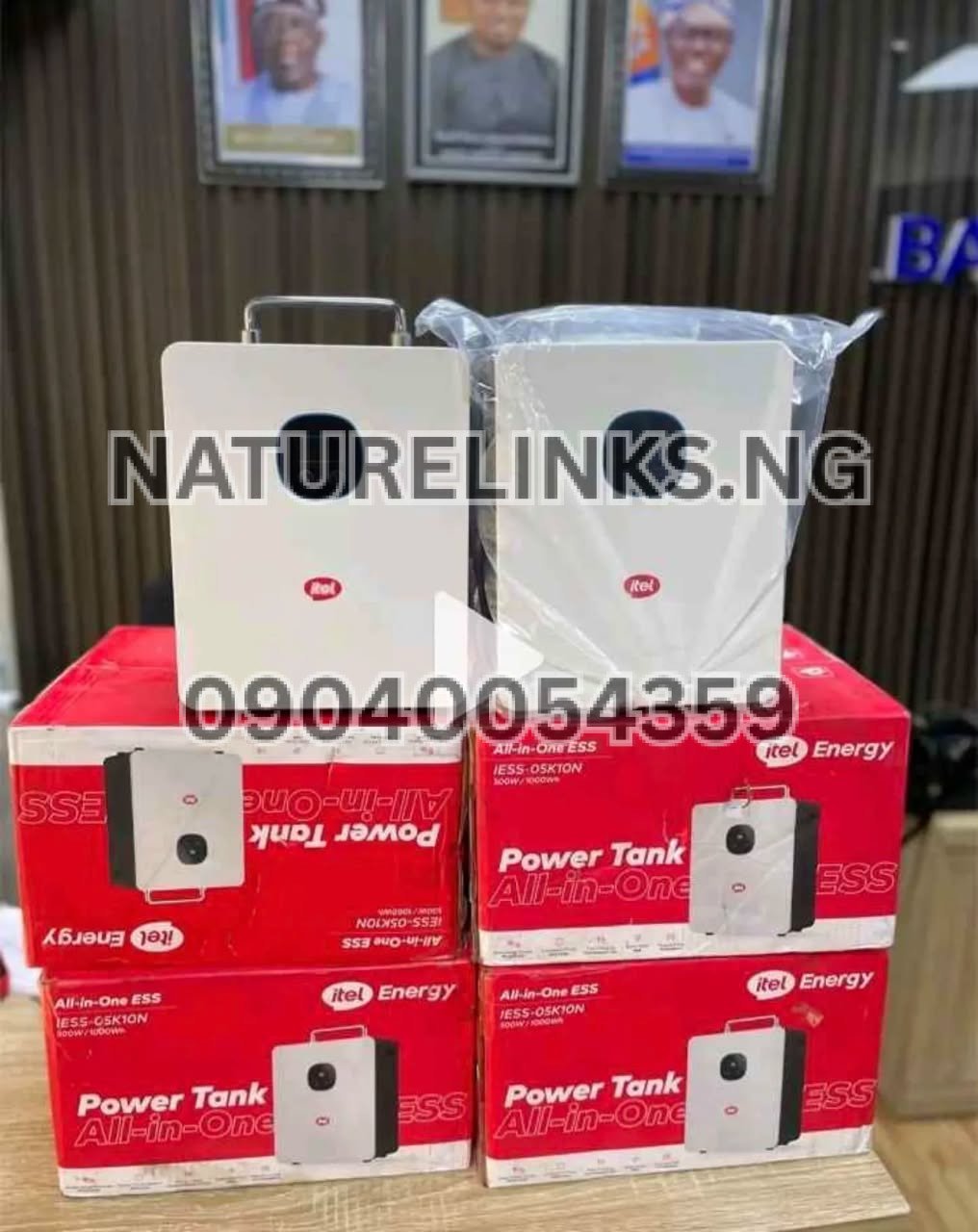
The system’s published specifications include:
| Specification | Common IESS-05K10N configuration |
|---|---|
| Battery capacity | 1,000Wh / 1kWh |
| Battery type | LiFePO₄ |
| AC inverter output | 500W |
| Maximum PV input | 400W |
| Maximum PV voltage | 60V |
| MPPT range | 11–60V |
| Solar charging | Yes |
| Grid charging | Yes |
| UPS switching | Under 20ms |
| Battery cycle rating | Up to 6,000 cycles |
| Cooling | Intelligent fan |
These specifications come from current Itel product information and associated Nigerian product listings. Specifications can vary by version, so buyers should confirm the exact model before purchasing.
Itel Power Tank Solar Charging Time in Nigeria
For Nigerian buyers, a useful practical estimate is:
| Solar charging setup | Approximate theoretical time* |
|---|---|
| 100W | 10 hours |
| 200W | 5 hours |
| 300W | 3.3 hours |
| 400W | 2.5 hours |
*These are simple energy calculations, not guaranteed real-world charging times.
The current product information for the Power Tank paired with a 410W panel gives approximately 3–4 hours under strong sunlight, which illustrates the difference between theoretical calculations and practical solar charging.
How Many Solar Panels Do I Need for Itel Power Tank?
It depends on the individual panel’s wattage and electrical specifications.
For example, one appropriately configured high-output panel may provide enough PV power to approach the Power Tank’s supported input limit.
Alternatively, multiple smaller panels may be used if the combined electrical configuration remains within the Power Tank’s voltage, current and wattage limits.
Never connect multiple panels simply by adding their wattage. Their series/parallel configuration changes voltage and current, which must remain within the Power Tank’s supported PV specifications.
Can I Use a 550W Solar Panel With Itel Power Tank?
A 550W panel may be physically capable of generating more energy than the Power Tank can accept, but the critical issue is not simply wattage.
The documented Power Tank has a 400W maximum PV input and 60V maximum PV input voltage.
Therefore, do not assume that a 550W panel is automatically compatible.
A solar professional should verify the panel’s:
- Voc
- Vmp
- Isc
- Imp
- Maximum power
- Temperature characteristics
against the Power Tank’s specifications.
Can I Use a 620W Solar Panel With Itel Power Tank?
The same principle applies to a 620W panel.
The Power Tank’s documented PV input limit remains 400W, so the buyer should not assume that a higher-wattage panel will cause faster charging.
More panel wattage does not automatically translate into more charging power when the charge controller has a defined input limit.
The panel’s voltage must also remain within the Power Tank’s specified limits.
Itel Power Tank Solar Generator Price in Nigeria
The price depends on whether you are buying:
- Power Tank only
- Power Tank plus solar panel
- Power Tank plus multiple panels
- Solar charging accessories
- Complete solar package
Current Nigerian listings show the 1,000Wh Power Tank around the ₦279,000–₦400,000 range in some listings, while a Power Tank bundled with a 410W panel has been listed at a higher price. Prices can change with stock, exchange rates, promotions and package configuration.
Always confirm the latest price before payment.
Itel Power Tank 1000Wh Price in Nigeria
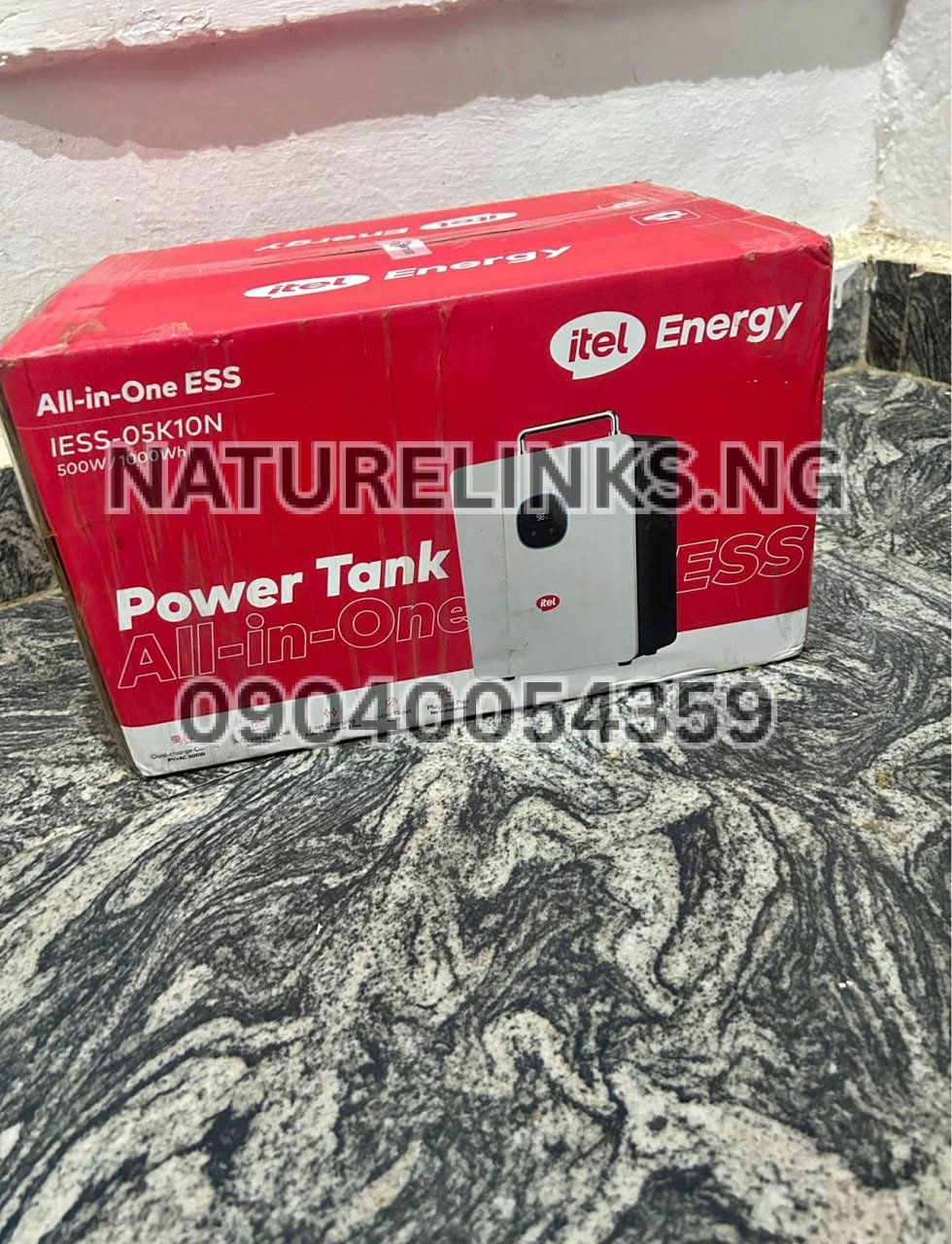
The commonly listed 1kWh/500W model is sold by different Nigerian sellers at different prices.
A current Nigerian product listing displays the standalone 1,000Wh system at ₦279,000, while Itel Solar’s current listing for a Power Tank with a 410W panel shows a higher package price.
The price of the solar panel package should therefore not be compared directly with the Power Tank-only price.
Where to Buy Genuine Itel Power Tank in Nigeria?
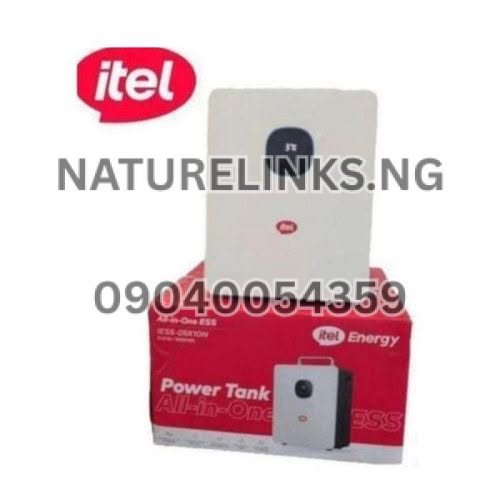
Customers searching for where to buy Itel Power Tank in Nigeria can contact:
The Best Seller: Nature Links Nigeria Limited [NatureLinks.NG]
Distributor: Nature Solar Global Limited
Accredited Distributor in Nigeria: Nature Solar Global Limited
CEO: Mr. Joseph Chikeleze
Call: 07049528019
WhatsApp: 09040054359
Shop Address: F1571 Upstairs (F-Line), Alaba International Market, Lagos State 🇳🇬
Before payment, request confirmation of:
- Exact model number
- Battery capacity
- Inverter output
- Maximum solar input
- Solar-panel compatibility
- Warranty
- Package contents
- Current price
- Delivery arrangements
Why Choose the Correct Solar Panel for Itel Power Tank?
Buying the wrong solar panel can result in poor charging performance or an incompatible electrical configuration.
A good solar setup should be matched to the Power Tank’s specifications.
For the commonly listed IESS-05K10N, the important limits include:
Maximum PV power: 400W
Maximum PV voltage: 60V
MPPT range: 11–60V
These limits are documented in current Itel specifications.
How to Get Faster Itel Power Tank Solar Charging
Use Adequate Panel Capacity
A panel configuration close to the Power Tank’s supported PV input can provide more charging power than a very small panel.
Avoid Shade
Place panels where buildings, trees and other objects do not block sunlight.
Keep Panels Clean
Dust and dirt can reduce available solar generation.
Position Panels Correctly
Good orientation and tilt can improve energy production.
Use Appropriate Cables
Use correctly sized solar cables and minimize unnecessary cable length.
Monitor the Charging Display
The Power Tank’s display can help you observe charging behavior and battery status.
Avoid Excessive Simultaneous Loads
If you use appliances while charging, they consume part of the incoming solar energy.
Is Itel Power Tank Good for Solar in Nigeria?
The commonly listed Power Tank is designed to work with solar charging and includes an integrated MPPT controller.
Its 1kWh LiFePO₄ battery and 400W maximum PV input make it a portable option for users who want to combine stored battery energy with solar charging.
It can be useful for applications such as:
- Laptop backup
- Wi-Fi routers
- LED lighting
- Television
- Fans
- POS systems
- CCTV
- Networking equipment
- Small office electronics
- Emergency backup
The 500W inverter rating means users should calculate the total appliance load before connecting several devices.
What Can Itel Power Tank Run While Charging From Solar?
The answer depends on the total appliance wattage.
For example, low-power combinations such as a router, laptop, LED lights and small fan may be suitable when their combined consumption stays within the Power Tank’s output specification.
High-power appliances such as electric irons, kettles, cookers and air conditioners can exceed the commonly listed 500W continuous inverter rating and should not be connected unless their requirements are confirmed to be within the exact model’s specifications.
Does Solar Charging Damage Itel Power Tank?
When the Power Tank is connected to a compatible solar configuration within its specified voltage, current and wattage limits, solar charging is a supported operating mode.
The system incorporates an MPPT controller and protection features, including PV over-voltage protection on the documented configuration.
The risk comes from incorrect electrical configuration, such as exceeding the specified PV voltage.
This is why buyers should not connect arbitrary solar panels without checking the specifications.
Frequently Asked Questions About Itel Power Tank Solar Charging
1. How long does solar take to charge Itel Power Tank?
A commonly listed 1,000Wh Itel Power Tank can take approximately 3–4 hours under strong sunlight when paired with an appropriately configured high-output solar panel. Actual charging time varies with sunlight, panel output, battery level and system losses.
2. Can a 400W solar panel charge Itel Power Tank?
Yes. The documented IESS-05K10N supports up to 400W maximum PV input. Its MPPT voltage range is listed as 11–60V, with a 60V maximum PV voltage.
3. How long does a 400W solar panel take to charge Itel Power Tank?
The simple theoretical calculation for a 1,000Wh battery is approximately 2.5 hours, but real-world charging takes longer because solar output fluctuates and electrical/battery conversion involves losses. A current Itel product listing gives approximately 3–4 hours under strong sunlight with its 410W panel package.
4. Can I use a 410W solar panel with Itel Power Tank?
Itel currently lists a Power Tank package with a 410W solar panel. However, the Power Tank’s documented maximum PV input is 400W, so the unit does not necessarily accept the full 410W continuously.
5. Can Itel Power Tank charge on a cloudy day?
Yes, solar panels can still generate electricity under cloudy conditions, but charging will generally be slower because available solar energy is reduced.
6. Can Itel Power Tank charge at night?
Not from solar panels because photovoltaic panels require sunlight. The Power Tank can instead be charged from an appropriate AC/grid source where supported.
7. Can I use Itel Power Tank while solar charging?
Current Itel Power Tank information describes pass-through charging for compatible loads. However, appliances consume part of the incoming solar energy, so the battery can charge more slowly while loads are running.
8. What is the battery capacity of Itel Power Tank?
The commonly documented IESS-05K10N has a 1,000Wh/1kWh LiFePO₄ battery and a 500W nominal AC inverter output.
9. What solar panel is suitable for Itel Power Tank?
The Power Tank supports up to approximately 400W PV input, with a documented maximum PV voltage of 60V and MPPT range of 11–60V. Panel specifications must be checked against these limits before connection.
10. How much is Itel Power Tank in Nigeria?
Price varies by model, seller and package. Current Nigerian listings show the commonly listed 1,000Wh unit around ₦279,000–₦400,000 in some listings, while solar-panel bundles cost more. Confirm the current price, model and package before payment.
Final Answer: How Long Does Solar Take to Charge Itel Power Tank?
If you are asking “How long does solar take to charge Itel Power Tank?”, a useful practical estimate for the commonly listed 1,000Wh IESS-05K10N is approximately 3–4 hours under strong sunlight with an appropriately configured high-output solar panel. Itel’s specifications list up to 400W PV input, while its 410W-panel package gives the 3–4-hour charging estimate under strong sunlight.
A simple calculation such as 1,000Wh ÷ 400W = 2.5 hours represents an ideal energy calculation, not a guaranteed real-world charging time. Solar production changes throughout the day, and factors such as cloud cover, shading, heat, panel orientation, cable losses and simultaneous appliance use can extend the charging period.
For Nigerian buyers, the best approach is therefore to select a correctly sized solar panel, keep it free from shade, follow the Power Tank’s PV voltage limits and confirm the exact model before purchasing.
Conclusion
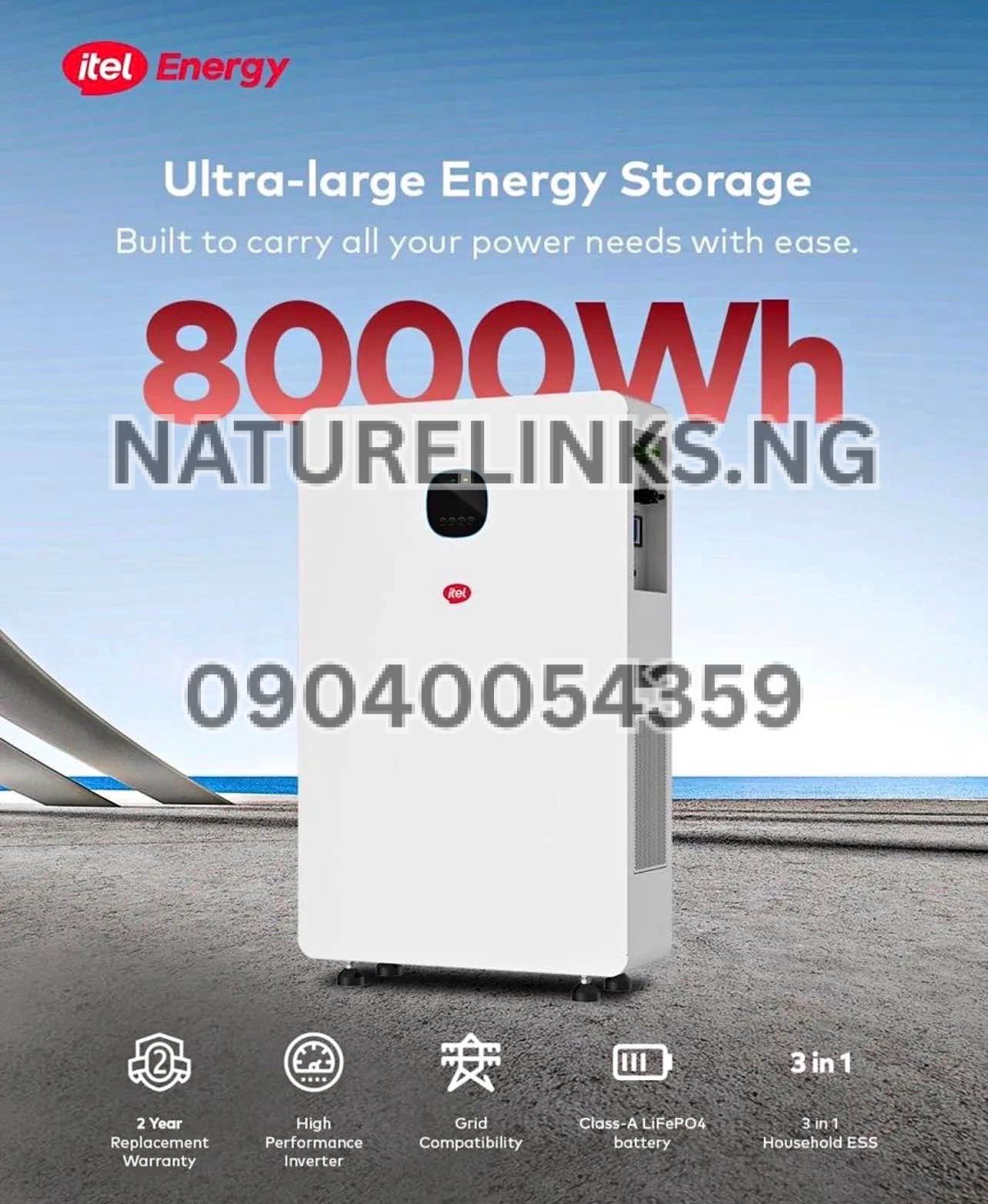
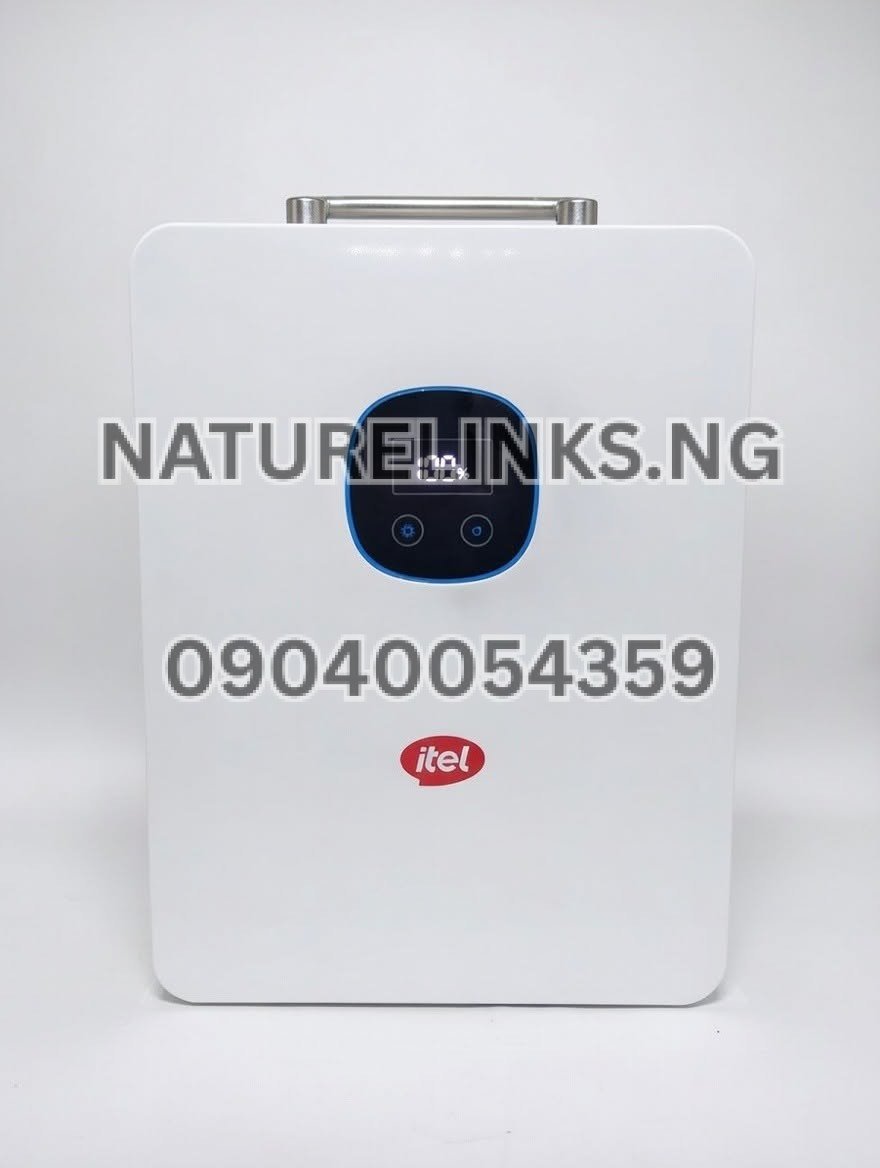
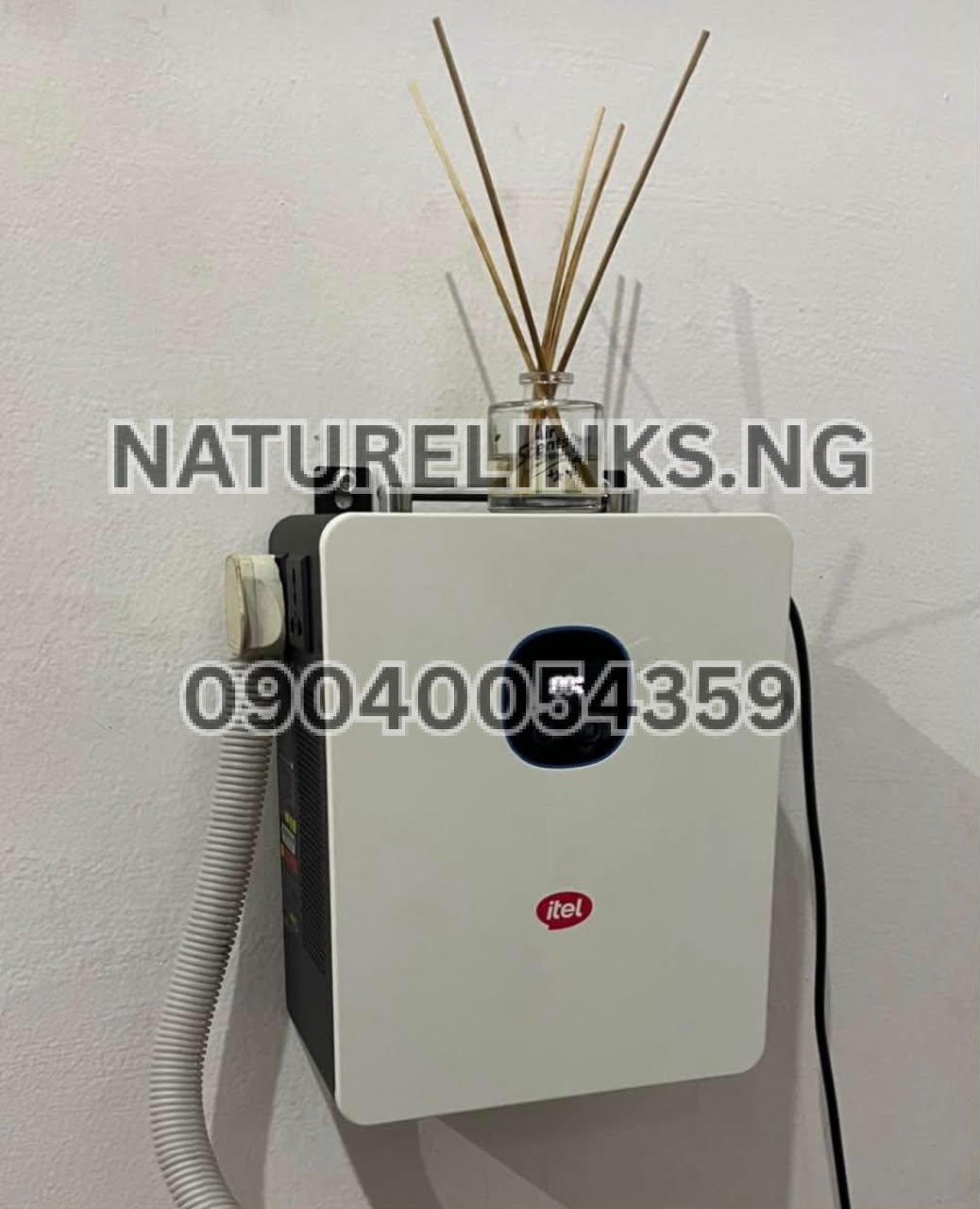
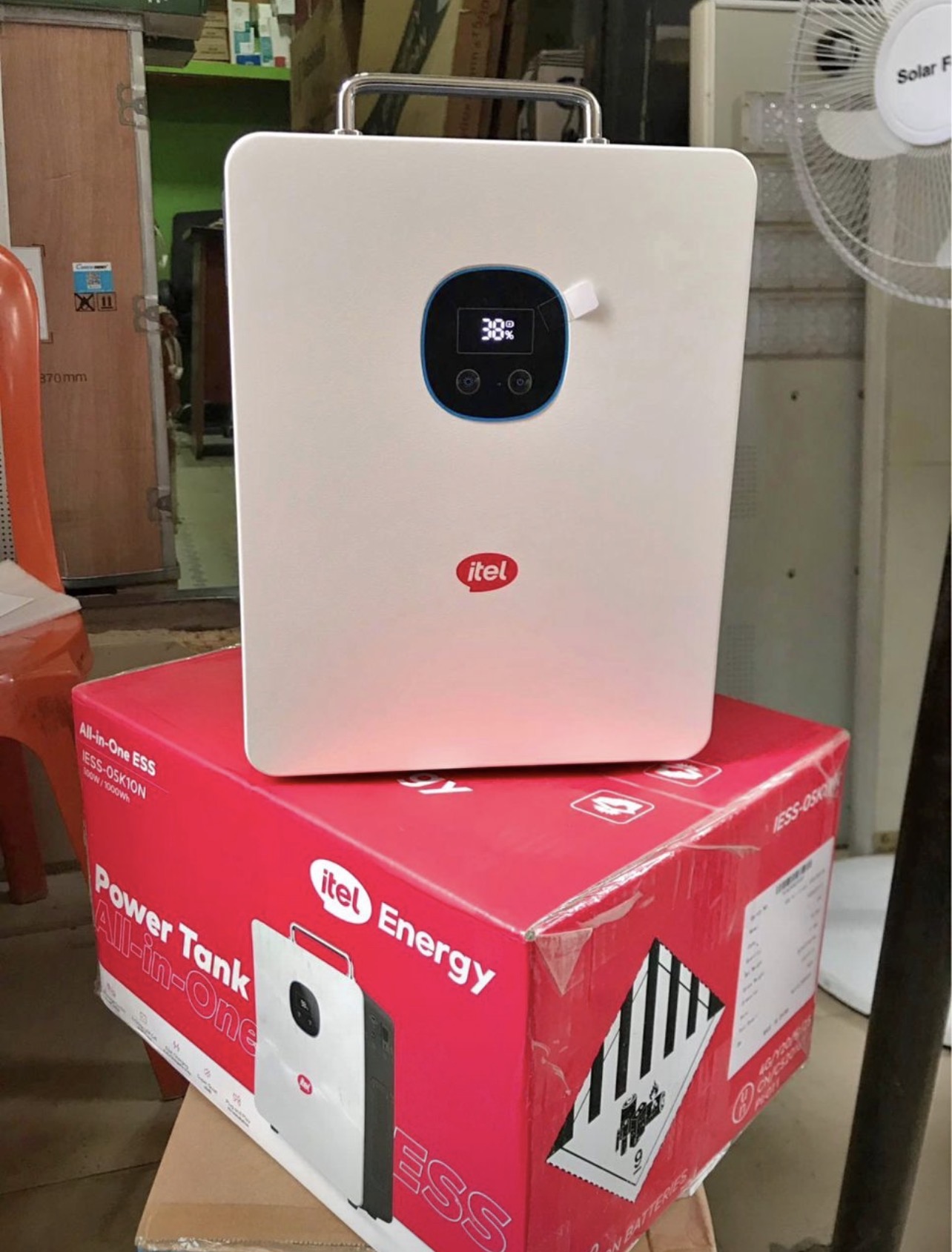
The Itel Power Tank is designed to combine battery storage, inverter functionality and solar charging in one portable energy-storage system. The commonly listed IESS-05K10N has a 1,000Wh LiFePO₄ battery, 500W nominal AC output and up to 400W PV input, making it suitable for solar-backed power applications such as laptops, routers, TVs, fans, lighting and other compatible electronics.
For the question “How long does solar take to charge Itel Power Tank?”, approximately 3–4 hours in strong sunlight is a practical reference when using a suitable high-output panel, although actual charging time can be shorter or longer depending on conditions.
If you are buying an Itel Power Tank in Nigeria, confirm the battery capacity, inverter rating, PV input limit, solar-panel voltage, warranty, package contents and current price before making payment.
Nature Links Nigeria Limited / Nature Solar Global Limited
The Best Seller: Nature Links Nigeria Limited [NatureLinks.NG]
Distributor: Nature Solar Global Limited
Accredited Distributor in Nigeria: Nature Solar Global Limited
CEO: Mr. Joseph Chikeleze
Call: 07049528019
WhatsApp: 09040054359
Shop Address: F1571 Upstairs (F-Line), Alaba International Market, Lagos State 🇳🇬
For current availability, product specifications, solar-panel compatibility and pricing, contact the supplier before purchase.



1 thought on “How long does solar take to charge Itel Power Tank?”