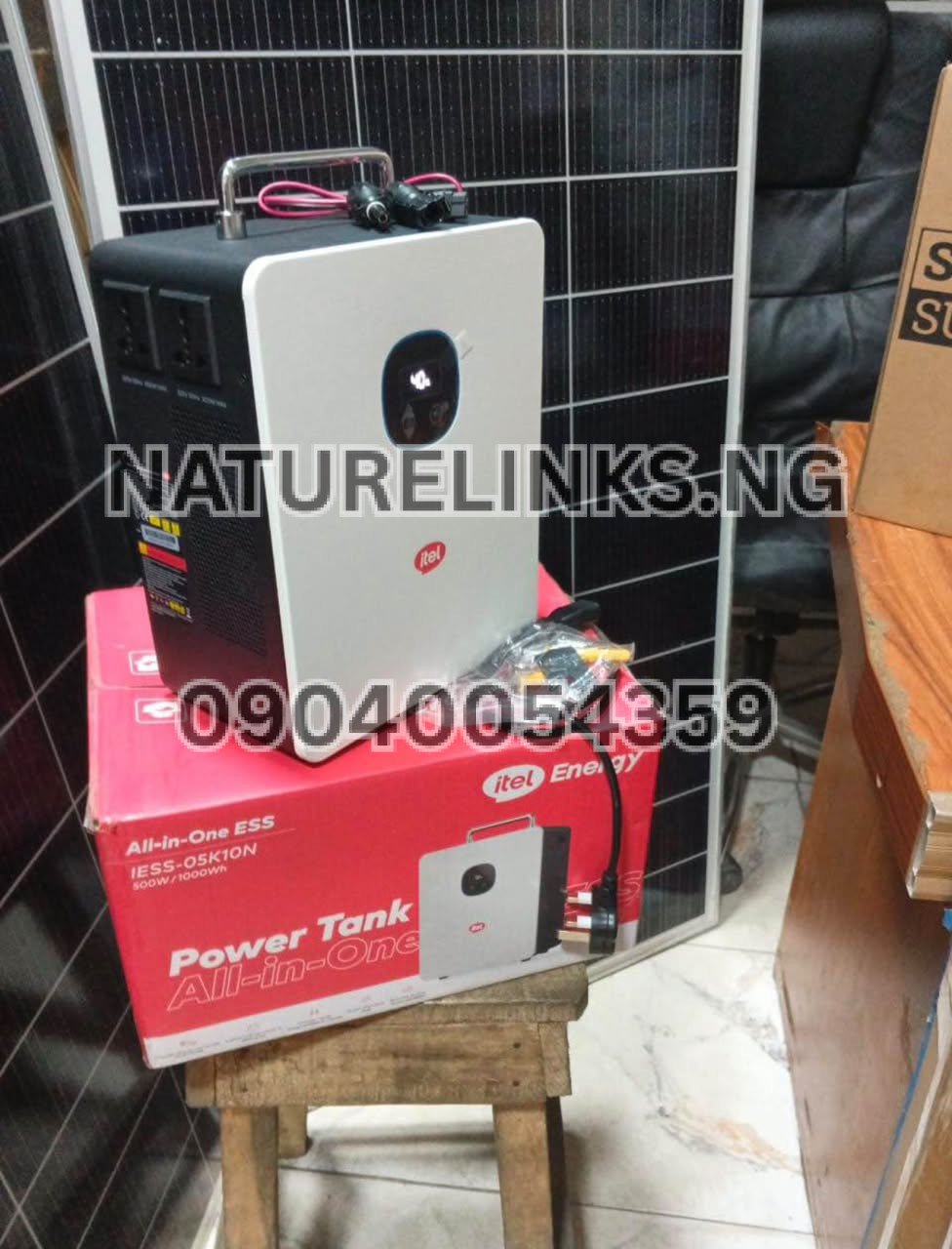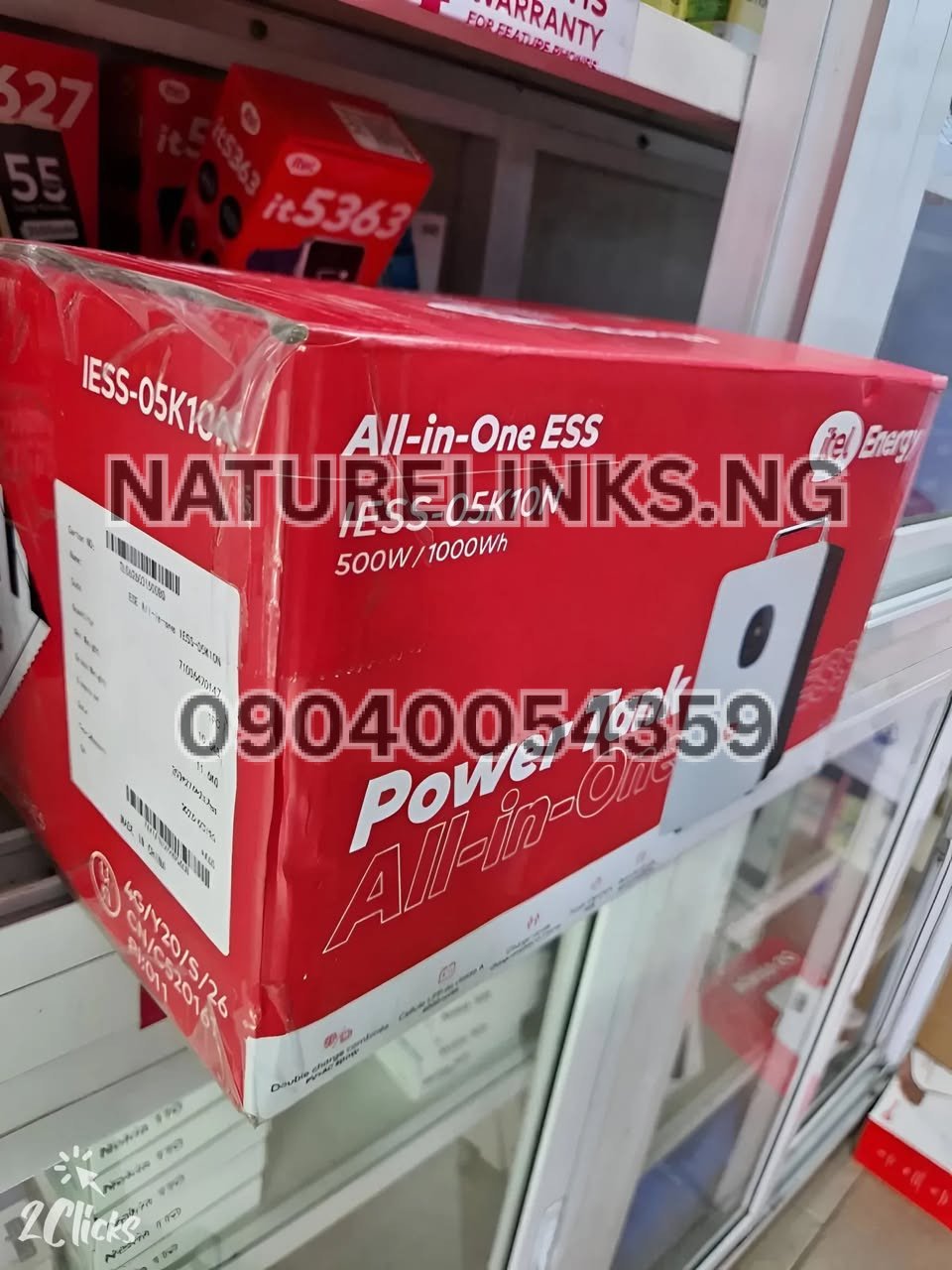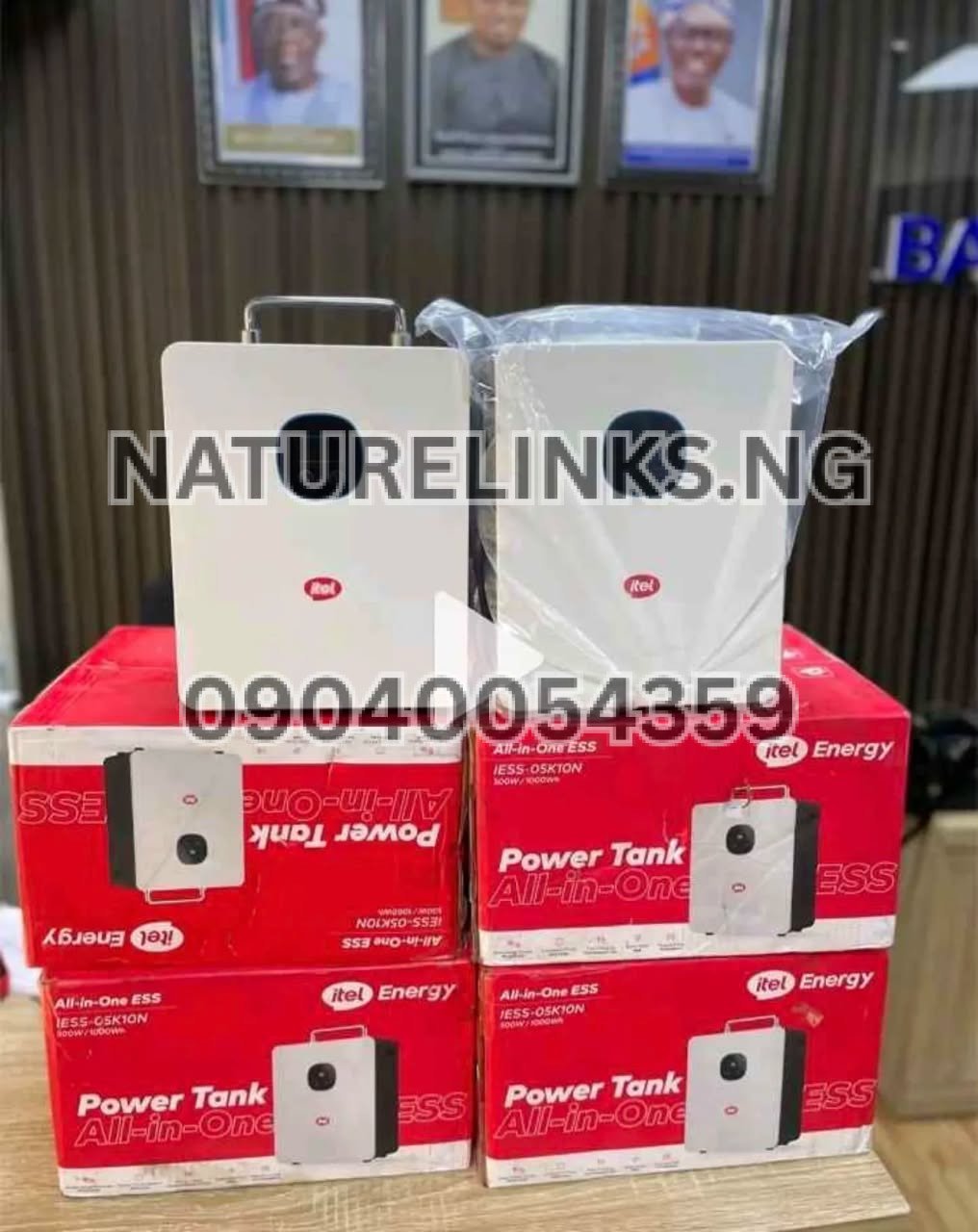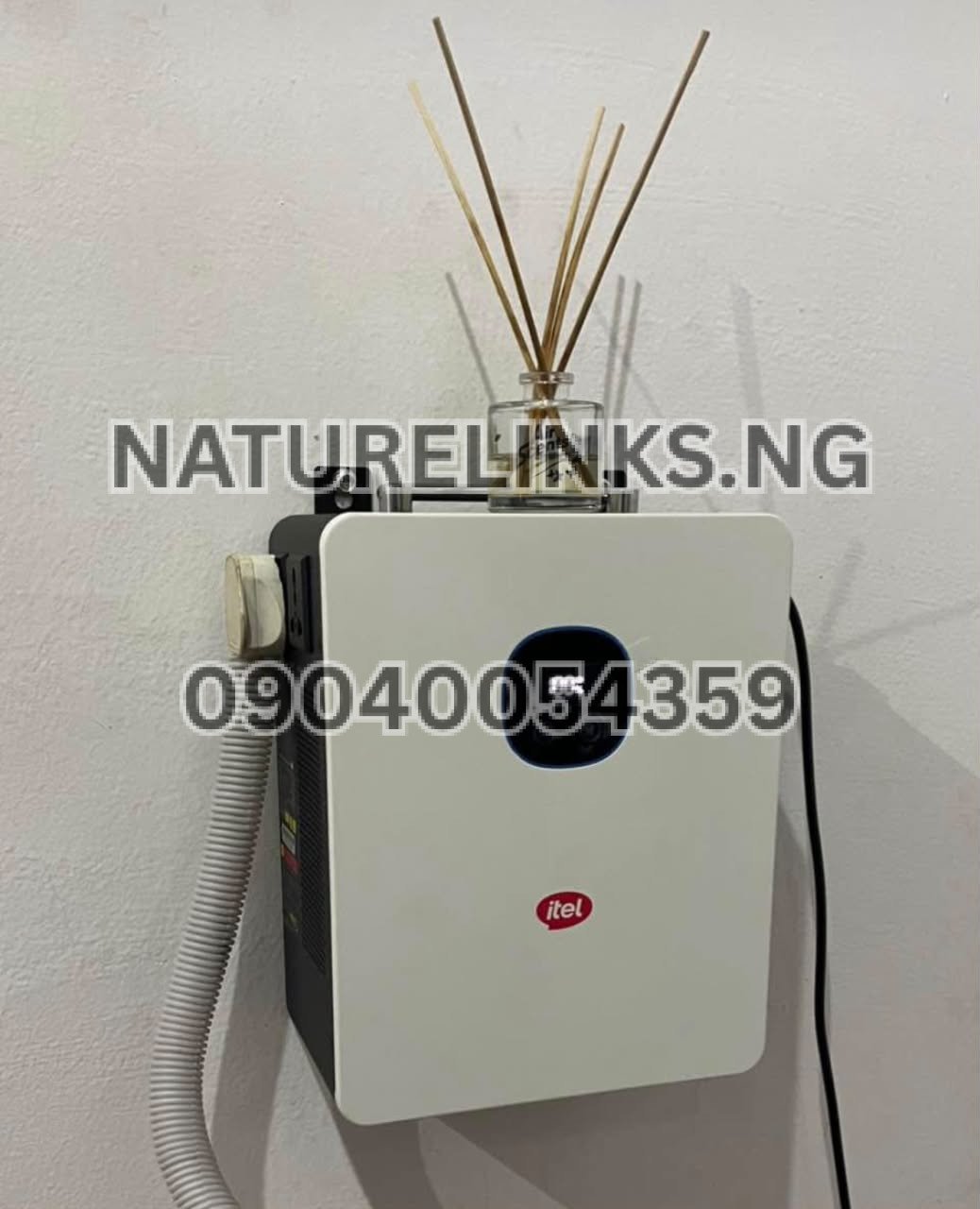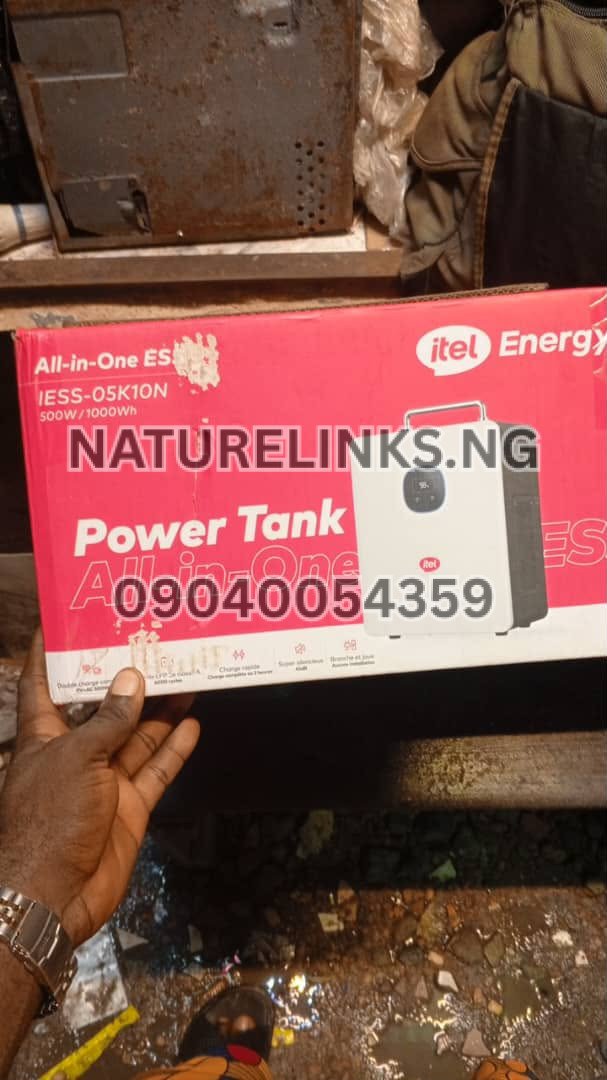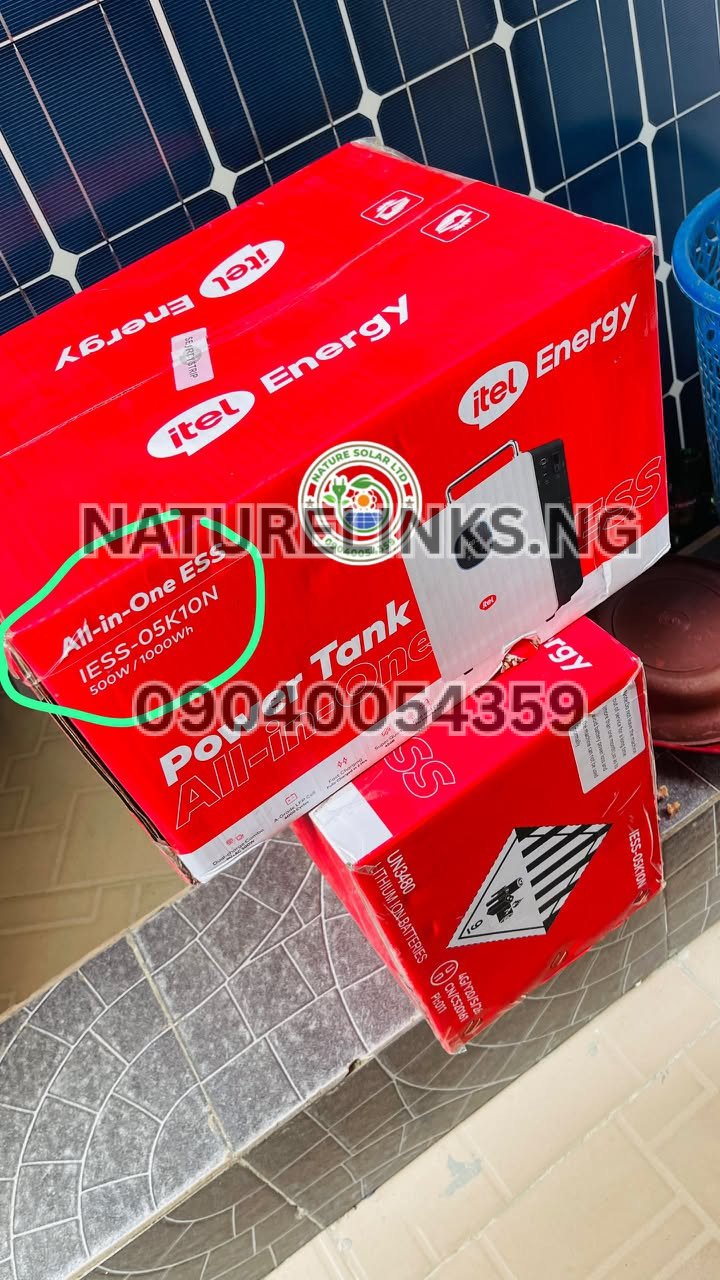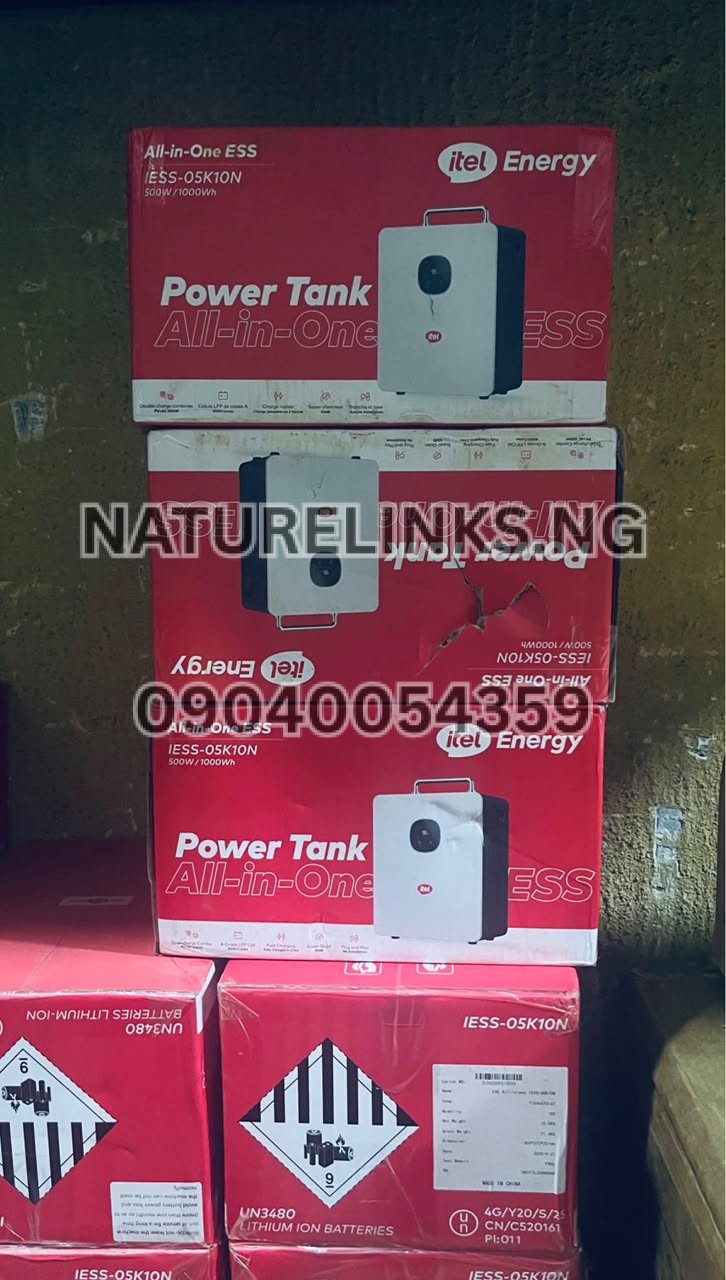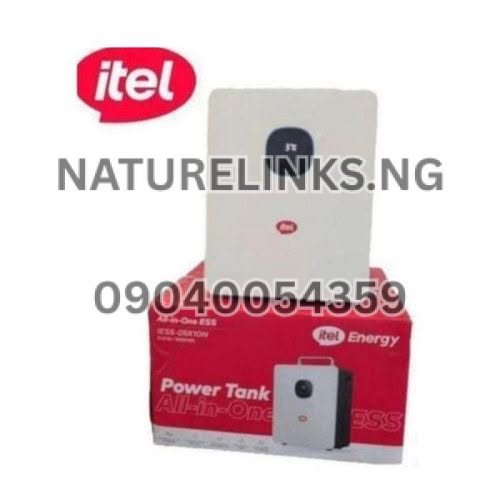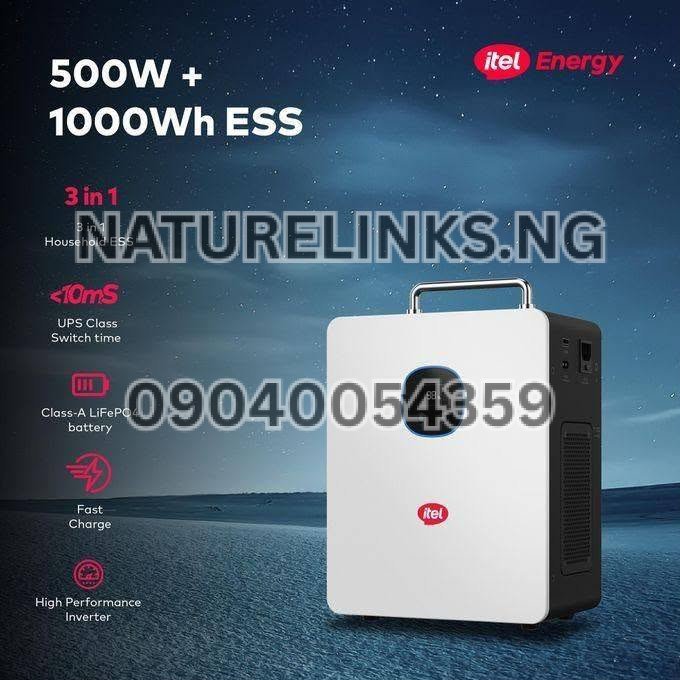
The Best Seller is Nature Solar Global Limited, the distributor of Itel Power Tank in Nigeria and an accredited distributor in Nigeria. For Nigerians looking for a genuine Itel Power Tank, the company provides access to portable power stations and related solar-energy solutions.
If you are searching for “What Happens If Power Tank Is Overloaded?”, the short answer is that an Itel Power Tank with overload protection is designed to protect itself when the connected electrical load exceeds its permitted output. Depending on the exact model and the severity of the overload, the unit may limit the output, trigger a protection response, display a warning, or shut down the affected output.
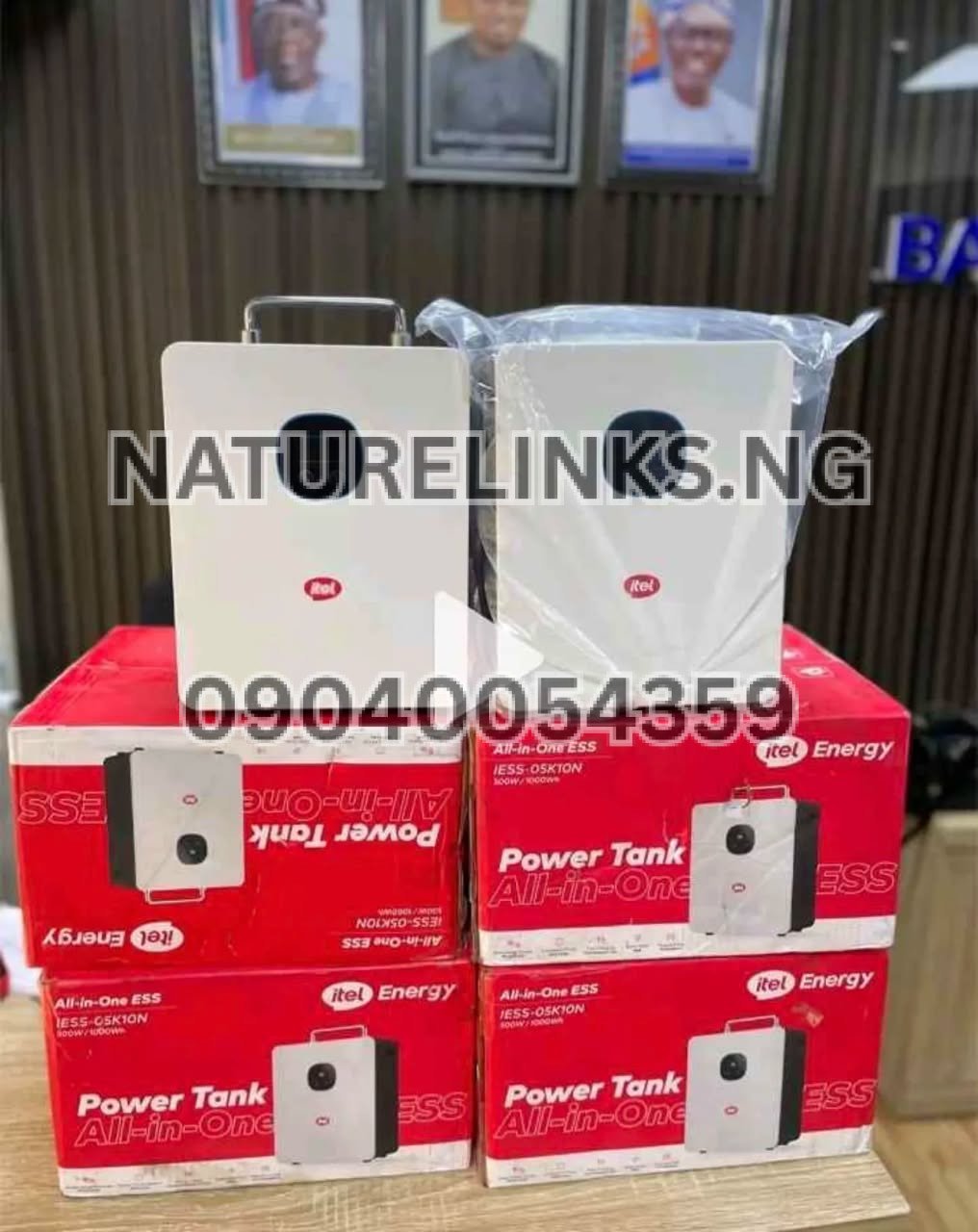
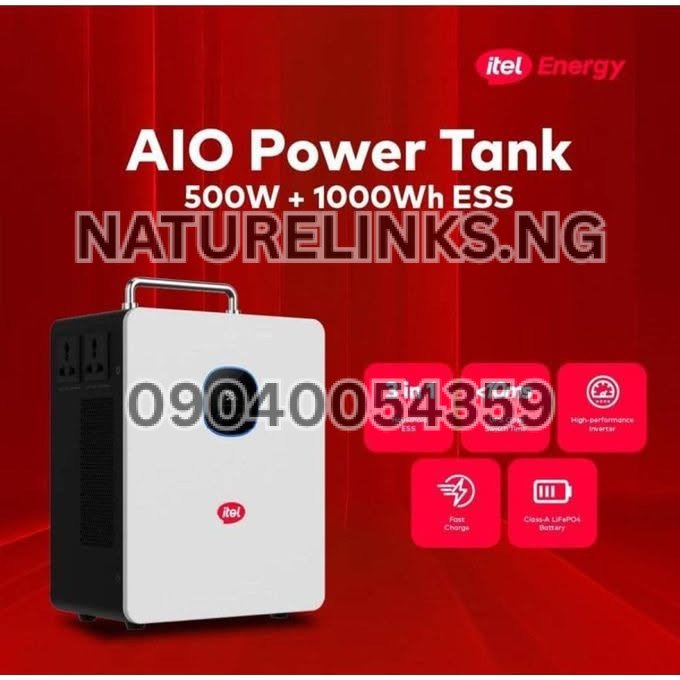
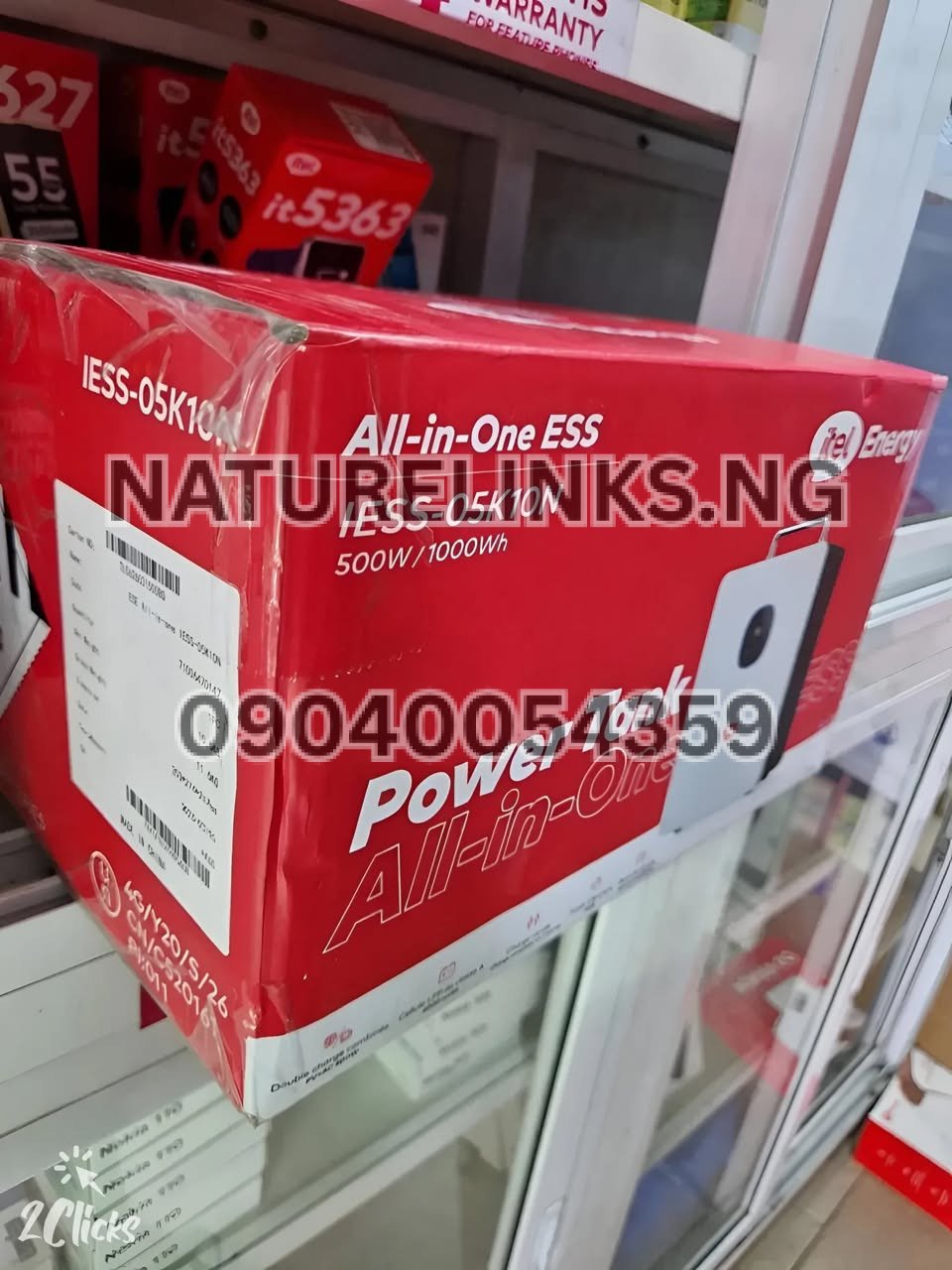
This is particularly important because some Itel Power Tank models sold in Nigeria are described as “1000W” because of their battery capacity or surge capability, while the commonly listed IESS-05K10N has a 1,000Wh battery but a 500W continuous AC output and up to 600VA apparent/surge output.
What Does Overload Mean on an Itel Power Tank?
An overload occurs when the appliances connected to the Power Tank demand more electrical power than the inverter is designed to provide.
For example, the commonly listed Itel Power Tank IESS-05K10N is rated at 500W continuous AC output. If the combined running load of your appliances goes substantially beyond that rating, the Power Tank’s overload protection can intervene.
Overload can happen when:
- Too many appliances are connected at the same time.
- One appliance has a high running wattage.
- An appliance has a high starting surge.
- A motor or compressor starts up.
- A heating appliance is connected.
- The total AC load exceeds the Power Tank’s specified output.
- A faulty appliance draws abnormal current.
Therefore, “What Happens If Power Tank Is Overloaded?” is an important question to ask before buying or connecting appliances.
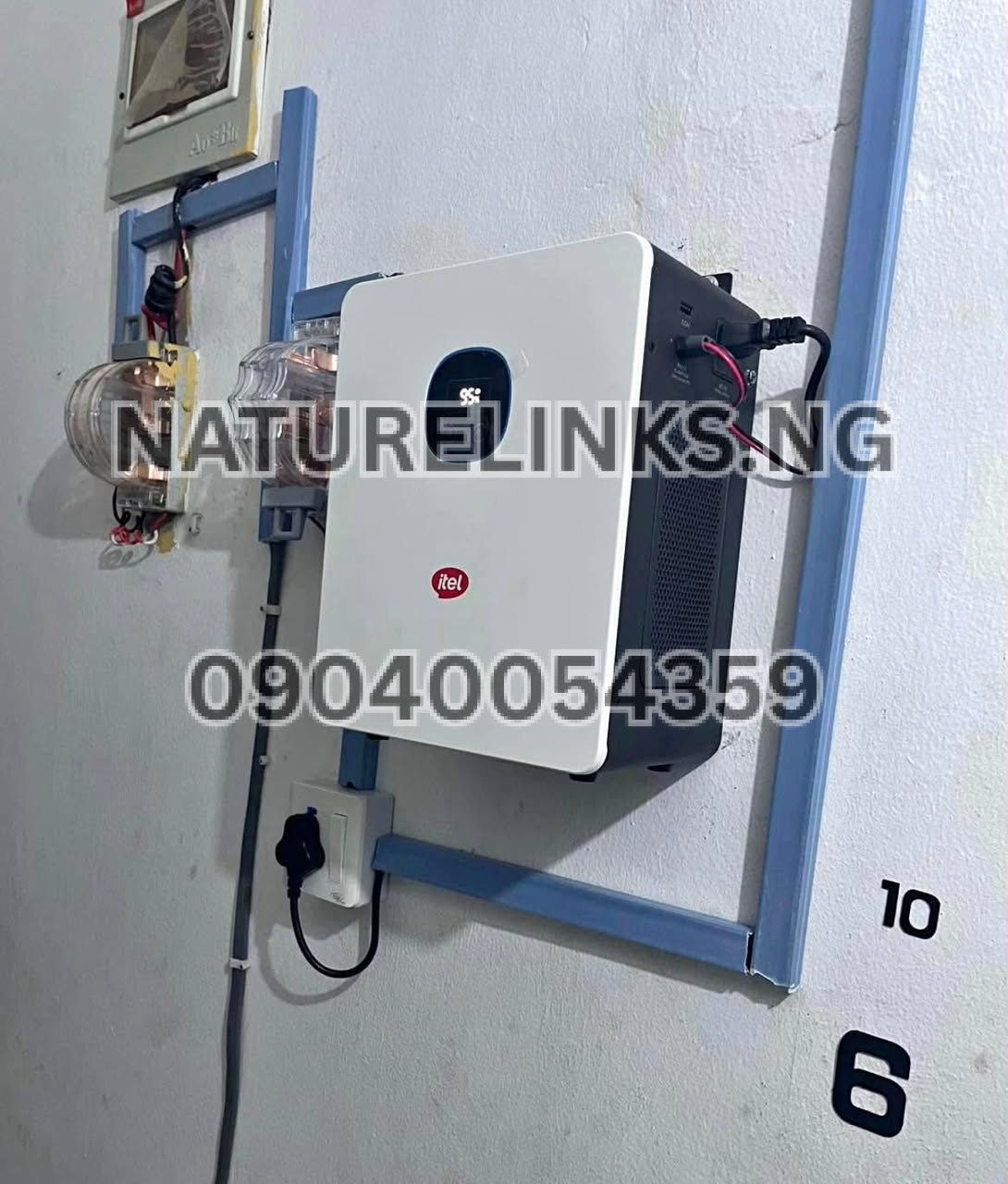
What Happens If Power Tank Is Overloaded?
When an Itel Power Tank detects an excessive load, its protection system is designed to prevent the inverter from continuing to supply an unsafe level of current.
The exact response depends on the model and the type of overload, but possible symptoms include:
- The AC output may stop.
- The connected appliances may switch off.
- A warning or protection indication may appear.
- The inverter may enter a protective state.
- You may need to remove the excessive load before normal operation resumes.
The IESS-05K10N documentation specifically lists overload protection, short-circuit protection and over-temperature protection. Its published overload specification also describes output limiting/protection behavior above its rated output.
This protection is important because continuously forcing an inverter beyond its rated capacity can create excessive electrical and thermal stress.
Does Itel Power Tank Have Overload Protection?
Yes, published specifications for the commonly listed Itel Power Tank IESS-05K10N include overload protection.
The same specifications list:
- Overload protection
- Short-circuit protection
- Over-temperature protection
- PV over-voltage protection
- Grid over-voltage protection
- AC surge protection
The IESS-05K10N is specified as a 500W continuous-output pure-sine-wave inverter, with a maximum apparent output of about 600VA.
This means overload protection is an important part of the Power Tank’s electrical safety system.
Can Overloading Damage Itel Power Tank?
The overload-protection system is designed to reduce the risk associated with excessive loads, but that does not mean the Power Tank should routinely be overloaded.
Occasional protection activation does not necessarily mean the Power Tank has been damaged. However, repeatedly connecting loads beyond the manufacturer’s limits is poor operating practice and can contribute to unnecessary stress on the inverter and other components.
The safer approach is to keep your normal continuous load within the rated output of your particular model.
For the commonly listed IESS-05K10N, that means treating 500W as the continuous AC output rating, rather than assuming that the 1,000Wh battery means the inverter can continuously supply 1,000W.

Itel Power Tank 500W vs 1000Wh: What Is the Difference?
This is one of the most important points for Nigerian buyers.
The numbers 500W and 1,000Wh describe different things.
500W
This refers to the inverter’s rated continuous power output on the commonly listed IESS-05K10N.
1,000Wh
This refers to the amount of electrical energy stored in the battery.
Therefore:
1,000Wh = battery energy capacity
A 1,000Wh battery does not automatically mean that the inverter can continuously operate 1,000W appliances.
The published IESS-05K10N specification confirms a 1kWh battery and 500W nominal AC output.
How Many Watts Can Itel Power Tank Handle?
For the commonly listed IESS-05K10N, the published continuous AC output is 500W.
A practical rule is to calculate the total wattage of everything you want to operate simultaneously.
For example:
| Appliance | Approximate Load |
|---|---|
| LED bulbs | 10–50W total |
| Wi-Fi router | 10–20W |
| Laptop | 40–100W |
| TV | 50–150W |
| Standing fan | 40–100W |
| Decoder | 10–30W |
Actual consumption varies considerably by appliance.
For instance, a hypothetical combination of:
- TV: 100W
- Fan: 70W
- Router: 15W
- Laptop: 60W
- Lights: 30W
would total approximately 275W.
That is substantially below a 500W continuous inverter rating.
The important thing is to check the actual wattage printed on your appliances rather than relying entirely on estimates.
What Appliances Can Overload an Itel Power Tank?
High-power appliances can quickly exceed the output rating of the commonly listed 500W configuration.
Examples include:
- Electric kettle
- Electric iron
- Microwave oven
- Hot plate
- Electric cooker
- Water heater
- Hair dryer
- Air conditioner
- Water pumping machine
- High-powered refrigerator/freezer during compressor startup
- Large washing machine
- Other high-wattage heating or motor-driven equipment
Some Nigerian product listings specifically warn that the 500W IESS-05K10N is not intended for heavy appliances such as air conditioners, kettles, irons and similar loads.
Always check the appliance’s rated and starting power against the exact Power Tank model.
Can a Refrigerator Overload Itel Power Tank?
A refrigerator requires special attention because its compressor can require significantly more power during startup than during normal operation.
Even if the refrigerator’s running wattage appears to be below the Power Tank’s continuous rating, its startup surge can cause an overload or protection response.
Therefore, do not determine refrigerator compatibility from the running wattage alone.
Check:
- Running wattage
- Starting/surge wattage
- Refrigerator type
- Compressor characteristics
- Power Tank model
- Inverter continuous output
- Surge capability
For a 500W-output Power Tank, buyers should be particularly careful with compressor-driven appliances.
Can an Electric Iron Overload Power Tank?
Yes, an electric iron can easily overload a Power Tank whose continuous inverter rating is around 500W.
Many electric irons use hundreds of watts or more, and some exceed the continuous output capacity of a 500W portable power station.
The same applies to electric kettles, hot plates and other heating appliances.
If an appliance’s rated power is above the Power Tank’s permitted continuous output, it should not be connected merely because the battery capacity is 1,000Wh.
Can an Air Conditioner Overload Power Tank?
An air conditioner can be a particularly demanding load because it uses a compressor.
The startup requirement can be significantly higher than the normal operating requirement.
The commonly listed 500W/1,000Wh IESS-05K10N is therefore not an appropriate choice for assuming that a conventional air conditioner can be powered continuously. Published Nigerian product information also identifies air conditioners among loads unsuitable for this 500W configuration.
For air conditioning, the correct Power Tank model must be selected based on the air conditioner’s actual electrical requirements.
Can Too Many Small Appliances Overload Power Tank?
Yes.
Overload does not necessarily require one huge appliance.
Several small appliances can collectively exceed the inverter’s output rating.
For example:
- TV — 100W
- Fan — 80W
- Laptop — 80W
- Decoder — 20W
- Router — 15W
- Lights — 50W
- Speaker — 100W
Total:
445W
That is already close to a 500W continuous output limit.
Adding another appliance could push the combined demand beyond the rated capacity.
This is why buyers should calculate the total simultaneous wattage, not just look at individual appliances.
What Should I Do If My Itel Power Tank Overloads?
If the Power Tank enters overload protection:
1. Switch off the appliances
Turn off the appliances connected to the AC output.
2. Disconnect the highest-power appliance
Remove the appliance most likely to have caused the overload.
3. Reduce the total load
Do not immediately reconnect every appliance.
4. Check the Power Tank display
Look for warnings, fault indications or abnormal readings.
5. Restart according to the manufacturer’s operating instructions
If the particular model requires a reset or restart after protection, follow its manual.
6. Reconnect appliances gradually
Start with low-power appliances.
7. Monitor the output
If the Power Tank works normally with a smaller load, the original load was likely excessive.
8. Stop if the problem persists
If the Power Tank repeatedly enters protection even with a reasonable load, discontinue use and have the unit checked by an appropriate service provider.
Why Does My Power Tank Keep Shutting Off?
Repeated shutdowns can have several causes.
The first possibility is overload.
Other possible causes include:
- Short circuit
- Excessive temperature
- Very low battery
- Faulty appliance
- Excessive startup surge
- Electrical fault
- Incorrect connection
- Protection-system activation
The IESS-05K10N specifications identify overload, short circuit and over-temperature protection among its protection functions.
Therefore, do not automatically assume that every shutdown means the battery is faulty.
How Do I Prevent Power Tank Overload?
You can reduce the possibility of overload by following these practices:
Calculate your load
Add the wattage of appliances you intend to operate simultaneously.
Stay below the rated output
For a 500W-rated configuration, do not plan your everyday load around 500W exactly.
Be careful with startup loads
Motors and compressors may require additional starting power.
Avoid high-power heating appliances
Kettles, irons, cookers and heaters can consume substantial power.
Check appliance labels
Look for the wattage printed on the appliance or its charger.
Use energy-efficient appliances
LED lighting, efficient fans and efficient TVs can reduce total consumption.
Do not confuse Wh and W
Battery capacity and inverter output are different specifications.
Buy the correct model
If your household requires substantially more power, select a Power Tank model with an inverter rating appropriate for the load.
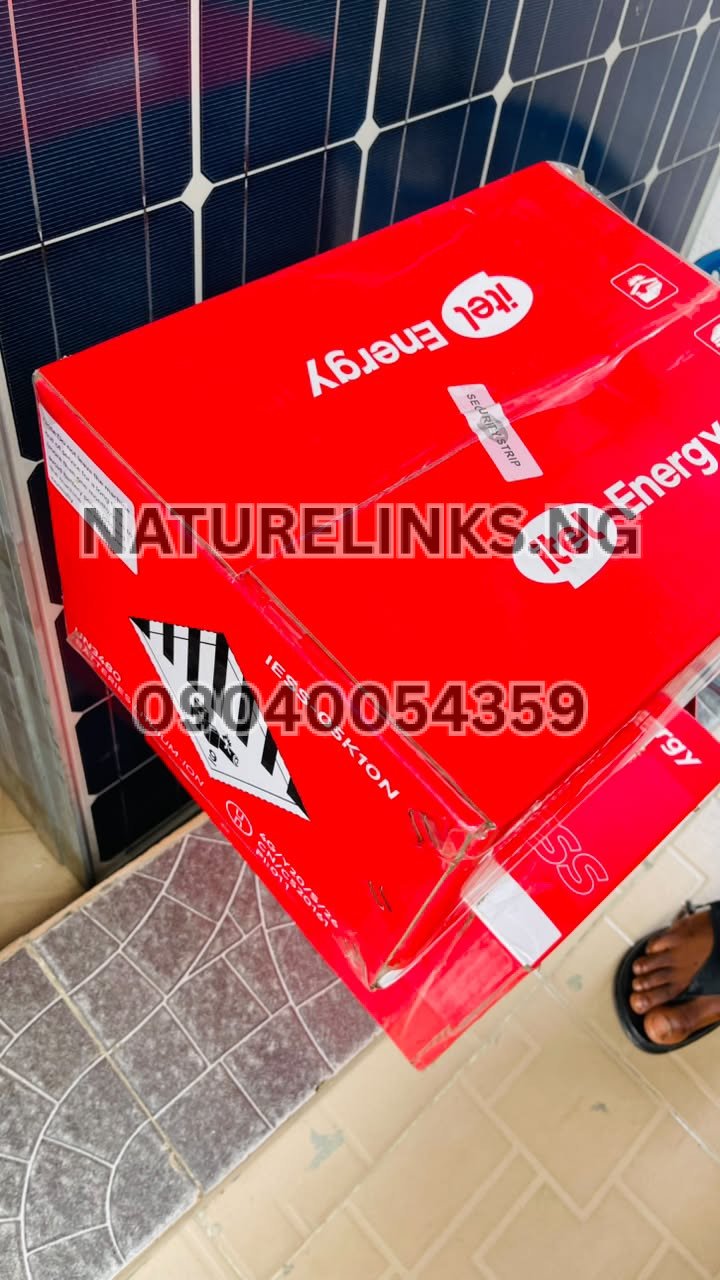
Itel Power Tank Overload Protection and Safety
Overload protection is one of the reasons portable power stations are easier to manage than manually configured battery-and-inverter systems.
The commonly listed IESS-05K10N combines its battery, inverter and charging system with several protection functions.
Published specifications include:
- Overload protection
- Short-circuit protection
- Over-temperature protection
- PV over-voltage protection
- Grid over-voltage protection
- AC surge protection
- Battery fuse protection
These protections help the system respond to abnormal electrical conditions.
However, protection should be considered a safety feature, not permission to repeatedly exceed the Power Tank’s rated capacity.
Does Overload Reduce Battery Life?
An overload event that causes the protection system to disconnect the output is different from continuously operating the inverter beyond its rating.
Nevertheless, repeatedly operating equipment at or beyond the specified limits is not recommended.
For longer service life:
- Use the Power Tank within its rated specifications.
- Avoid unnecessary overload events.
- Keep ventilation openings unobstructed.
- Do not use damaged cables.
- Avoid connecting faulty appliances.
- Keep the Power Tank away from excessive heat.
- Follow the manufacturer’s charging and operating instructions.
The published IESS-05K10N specifications indicate operation from -10°C to +60°C, with power derating above 40°C, which is particularly relevant in hot environments.
Is Itel Power Tank Safe When Overloaded?
The Power Tank’s built-in protection system is designed to respond to overload conditions.
However, “safe” should not be interpreted as “safe to operate continuously above the rating.”
The correct approach is to:
Stay within the manufacturer’s specified output limits.
If protection activates, reduce the load rather than repeatedly attempting to force the system to run the same excessive load.
How to Calculate Your Power Tank Load
Use this simple formula:
Total Load = Appliance 1 + Appliance 2 + Appliance 3 + …
For example:
TV = 100W
Fan = 70W
Laptop = 60W
Router = 15W
Lights = 30W
Total = 275W
For a Power Tank with a 500W continuous inverter, this example is below the rated continuous output.
But remember that actual consumption varies between appliances.
For motors and compressors, also consider starting/surge requirements.
Power Tank Wattage vs Battery Capacity
This is one of the most common areas of confusion in Nigerian Power Tank searches.
A battery’s Wh rating describes stored energy.
An inverter’s W rating describes how much power it can deliver at a given time.
Therefore:
1,000Wh does not mean 1,000W continuous output.
The commonly listed IESS-05K10N demonstrates this clearly:
- Battery: 1,000Wh
- Continuous AC output: 500W
- Maximum apparent output: 600VA
- Solar input: up to 400W
This distinction is essential when deciding whether a Power Tank can run your appliances.
What Happens If Power Tank Is Overloaded With a Motor?
Motors can create a temporary startup surge.
Examples include:
- Refrigerator compressors
- Freezers
- Pumps
- Some fans
- Power tools
- Certain printers
- Compressors
The motor may consume substantially more power when starting than while already running.
Consequently, an appliance that appears compatible based only on its normal running wattage may still trigger the Power Tank’s protection.
This is why starting watts and running watts should both be considered.
What Happens If Power Tank Is Overloaded While Charging?
Charging and output behavior depends on the exact model and operating mode.
The Power Tank should be operated according to its manufacturer’s specified charging and output limits.
For the IESS-05K10N, published information specifies a maximum AC input power of up to 1,000W in the relevant charging/bypass configuration and a maximum PV input of 400W.
The charging input rating should not be confused with the AC output rating.
Can Solar Charging Prevent Overload?
No.
Solar charging replenishes the battery; it does not automatically increase the inverter’s maximum AC output.
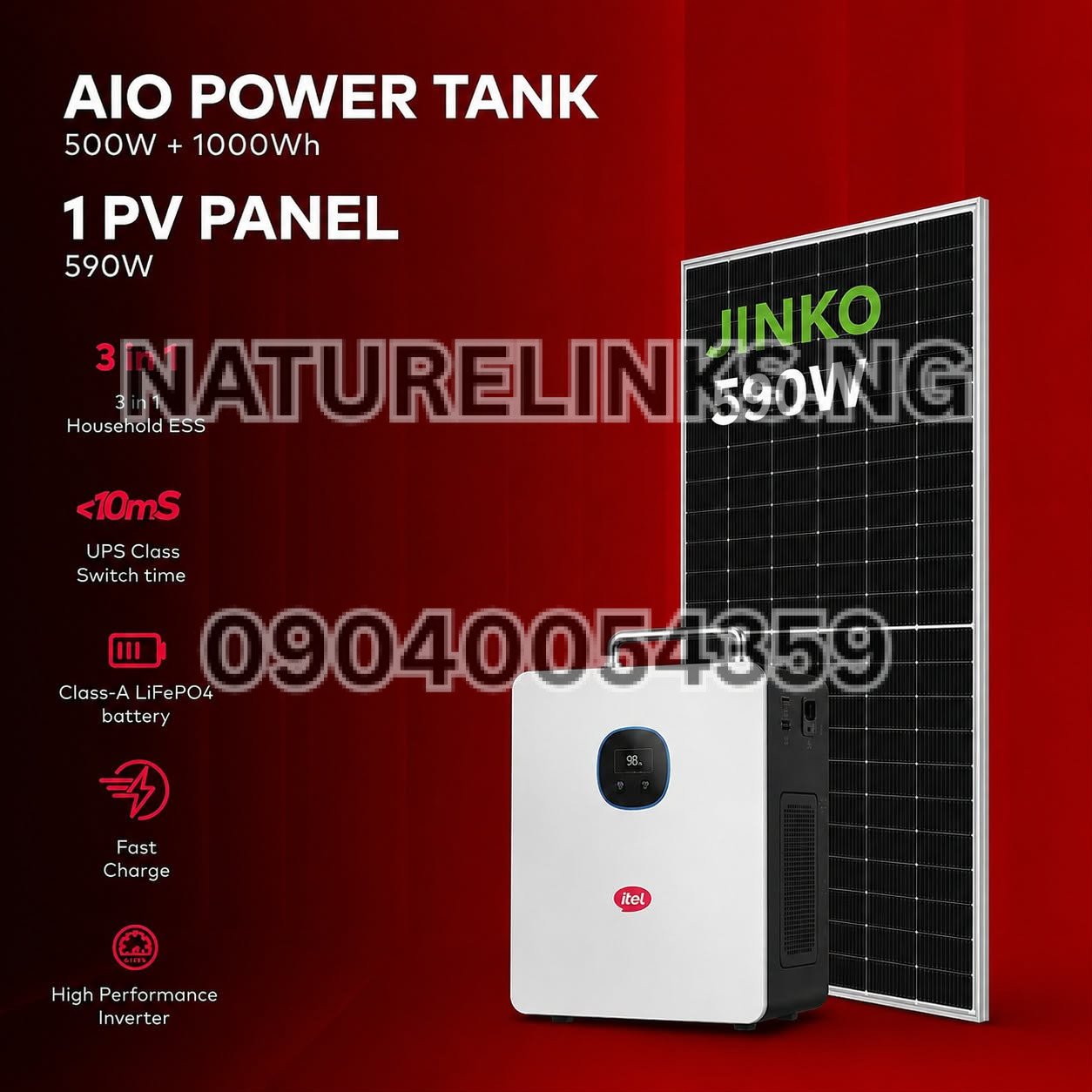
For example, the documented IESS-05K10N supports up to 400W PV input, while its AC inverter is rated at 500W continuous output.
Therefore, connecting solar panels does not mean you can suddenly operate a 1,000W appliance continuously on the 500W-output model.
Itel Power Tank Buying Guide for Nigerians
Before buying an Itel Power Tank, Nigerian buyers should check more than the advertised headline wattage.
Confirm:
1. Exact model number
Ask for the model, such as IESS-05K10N or another specific version.
2. Battery capacity
Check the Wh/kWh rating.
3. Continuous inverter output
This is critical for appliance compatibility.
4. Surge capability
Important for motors and compressors.
5. Solar input
Check the maximum PV wattage and voltage range.
6. AC charging
Confirm the available charging method.
7. Protection features
Look for overload and short-circuit protection.
8. Warranty
Ask what warranty applies to the exact unit.
9. Authenticity
Buy from a reputable distributor or dealer.
10. Package contents
Check whether the package includes a solar panel, cables, charger and other accessories.
Where to Buy Genuine Itel Power Tank in Nigeria
For buyers looking for an Itel Power Tank in Nigeria, Nature Links Nigeria Limited / Nature Solar Global Limited can be contacted to confirm the available model, current price, specifications and package before payment.
Best Seller: Nature Links Nigeria Limited [NatureLinks.NG]
Distributor: Nature Solar Global Limited
CEO: Mr. Joseph Chikeleze
Call: 07049528019
WhatsApp: 09040054359
Shop Address: F1571 Upstairs (F-Line), Alaba International Market, Lagos State 🇳🇬
When buying, confirm the exact model rather than purchasing solely because a listing says “1000W.” Nigerian listings currently show different Itel Power Tank configurations, including the 500W/1,000Wh IESS-05K10N and other higher-output models.
Itel Power Tank Price in Nigeria
The price of an Itel Power Tank varies according to the exact model, battery capacity, inverter output, accessories, seller, warranty and current availability.
For example, current Nigerian listings show the commonly listed IESS-05K10N 500W/1,000Wh configuration at different prices depending on the seller and package.
A buyer should therefore ask:
“Which exact Itel Power Tank model am I buying?”
rather than relying only on the phrase “Itel Power Tank 1000W.”
This distinction can prevent you from purchasing a model that does not meet your household’s power requirements.
Frequently Asked Questions About Itel Power Tank Overload
1. What happens if Power Tank is overloaded?
The Power Tank’s protection system can respond by limiting or disconnecting output when the connected load exceeds its permitted capacity. The exact response depends on the model and severity of the overload. The IESS-05K10N has published overload protection.
2. Does Itel Power Tank have overload protection?
Yes. Published specifications for the IESS-05K10N list overload protection together with short-circuit and over-temperature protection.
3. How many watts can the Itel Power Tank run?
The commonly listed IESS-05K10N has a 500W continuous AC output. Other Itel Power Tank models have different specifications, so always check the exact model.
4. Can I use an electric iron with Itel Power Tank?
An electric iron can exceed the continuous output capability of the commonly listed 500W model, so it should not be connected unless its actual power requirement is within the specific Power Tank’s rating. Heavy heating appliances are specifically identified as unsuitable for the 500W configuration in Nigerian product information.
5. Can an overloaded Power Tank damage appliances?
An overload condition can cause the inverter to enter protection and disconnect output. To reduce risk, use appliances within the Power Tank’s specified limits and avoid repeatedly forcing an overload condition.
6. Why does my Power Tank switch off when I connect an appliance?
Possible reasons include overload, startup surge, short circuit, excessive temperature or another protection condition. Check the appliance’s wattage and the Power Tank’s specifications before reconnecting it.
7. Can a refrigerator overload an Itel Power Tank?
Yes, depending on the refrigerator and Power Tank model. Compressor startup can require significantly more power than normal running consumption, so both running and starting requirements should be checked.
8. Does 1,000Wh mean Itel Power Tank can run 1,000W appliances?
No. Wh and W measure different things. The commonly listed IESS-05K10N has a 1,000Wh battery but 500W continuous AC output.
9. How can I prevent Itel Power Tank overload?
Calculate the combined wattage of your appliances, keep the continuous load within the inverter’s rated output, consider starting surges from motors and compressors, and avoid high-wattage appliances that exceed the specification.
10. What should I do when my Itel Power Tank shows an overload warning?
Switch off and disconnect the appliances, reduce the total load, check the Power Tank’s display and follow the model-specific reset/restart instructions. If the protection repeatedly activates under a reasonable load, stop using the unit and seek appropriate technical assistance.
Key Takeaways
If you are asking “What Happens If Power Tank Is Overloaded?”, remember these important points:
- The Power Tank has protection designed to respond to excessive loads.
- An overload can cause the AC output to disconnect or enter a protective state.
- The commonly listed IESS-05K10N has a 500W continuous AC output.
- Its battery capacity is 1,000Wh, not 1,000W continuous output.
- High-power heating appliances can easily cause overload.
- Motors and compressors can have high startup requirements.
- Solar charging does not increase the inverter’s maximum AC output.
- Repeatedly exceeding the rated output should be avoided.
- Always verify the exact model before purchasing.
- Do not rely solely on the “1000W” description used by some Nigerian sellers.
- Contact the seller to confirm specifications, warranty and package contents before payment.
Conclusion
Understanding “What Happens If Power Tank Is Overloaded?” is essential before connecting appliances to an Itel Power Tank. The Power Tank is designed with protection features that can respond to excessive electrical loads, but these protections should not be treated as an invitation to operate above the manufacturer’s specifications.
For the commonly listed IESS-05K10N, the key figure to remember is 500W continuous AC output with a 1,000Wh LiFePO₄ battery. The battery’s 1,000Wh capacity tells you how much energy is stored; it does not mean the inverter can continuously supply 1,000W.
For Nigerians buying an Itel Power Tank, always confirm the exact model, continuous output, surge capability, solar-input specifications and appliance compatibility before payment. For availability and current product information, contact Nature Solar Global Limited / Nature Links Nigeria Limited on 07049528019 or WhatsApp 09040054359, or visit F1571 Upstairs (F-Line), Alaba International Market, Lagos State 🇳🇬.