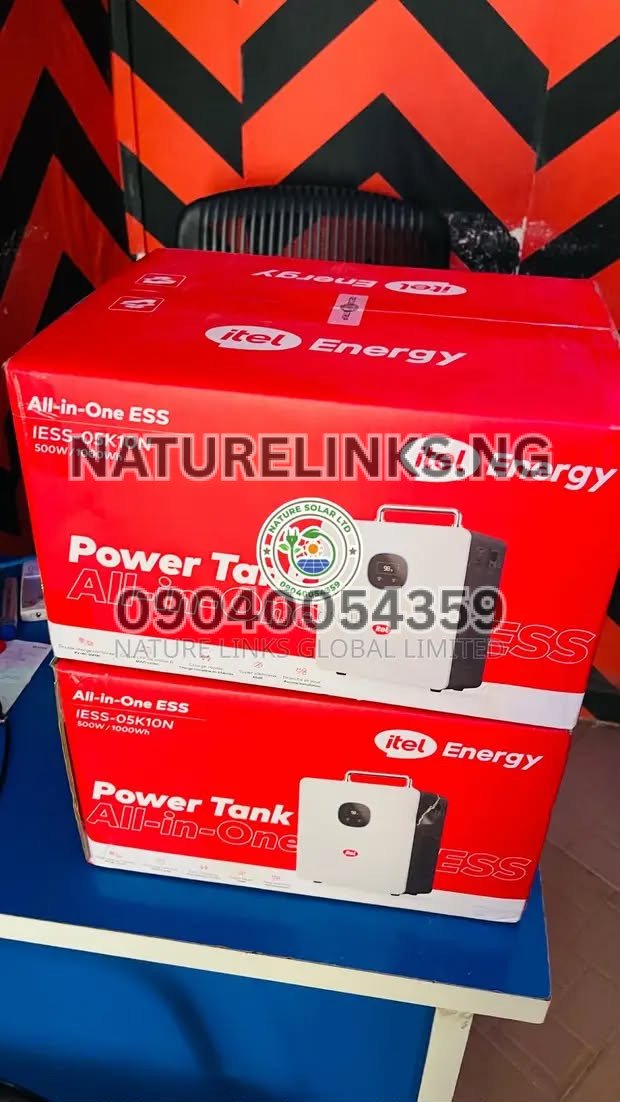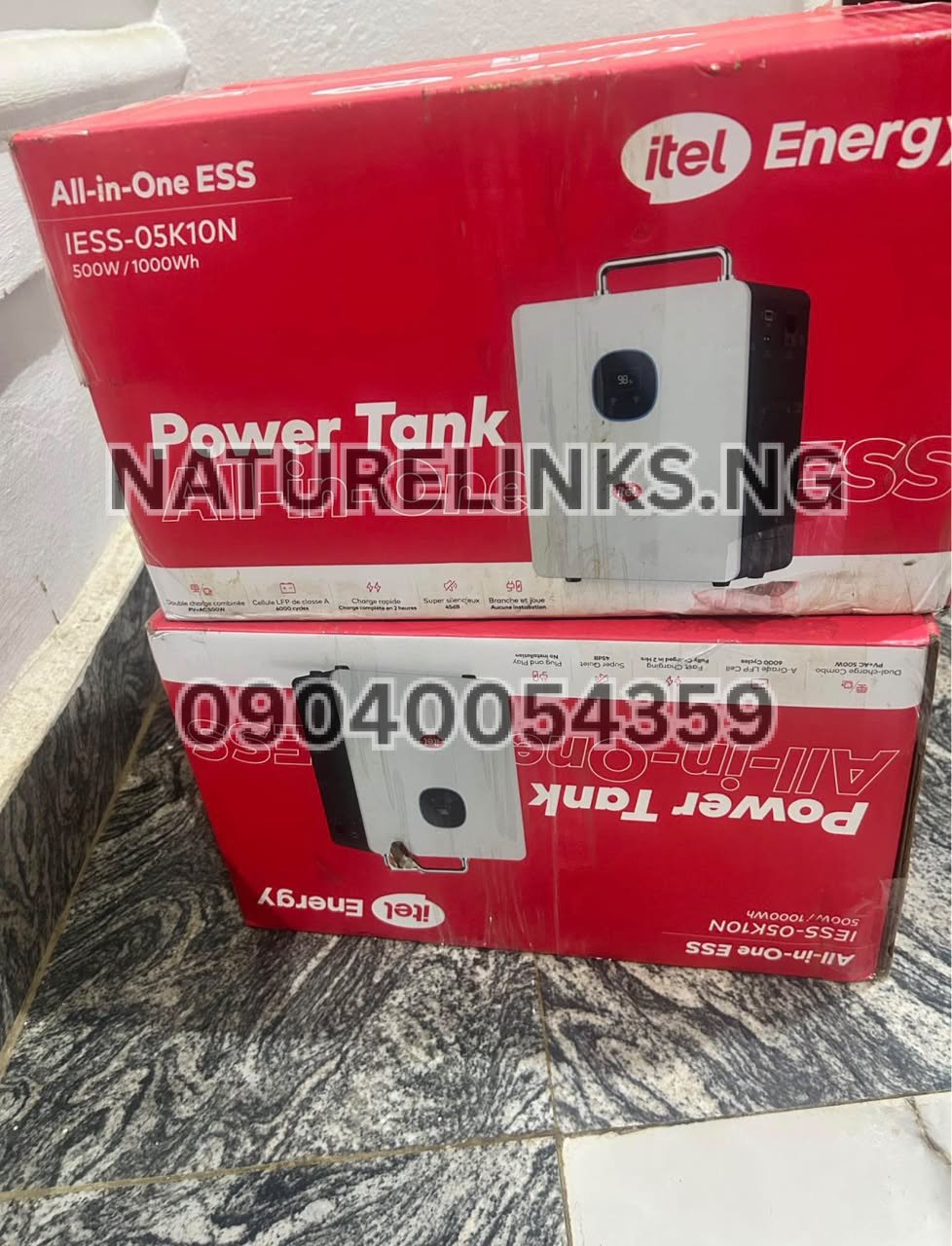
The Best Seller is Nature Solar Global Limited, which is also the accredited distributor in Nigeria. Nature Links Nigeria Limited [NatureLinks.NG] works with Nature Solar Global Limited in supplying genuine portable power stations and backup-power solutions to customers across Nigeria.
If you are searching for “What is the difference between Itel Power Tank and Jackery?”, the main difference is that Itel Power Tank and Jackery are different portable power-station brands with different models, capacities, inverter outputs, charging systems, battery technologies, prices, warranties and feature sets.
For a Nigerian buyer, the comparison should not be based on brand name alone. The important questions are: How much power do you need? What appliances do you want to run? How long should the battery last? Do you need solar charging? What is your budget? Is local availability and after-sales support important? And what are the exact specifications of the particular Itel or Jackery model being compared?
This guide explains the major differences between “What is the difference between Itel Power Tank and Jackery?” products, using currently available product specifications and Nigerian market information.
Itel Power Tank vs Jackery: What is the difference?
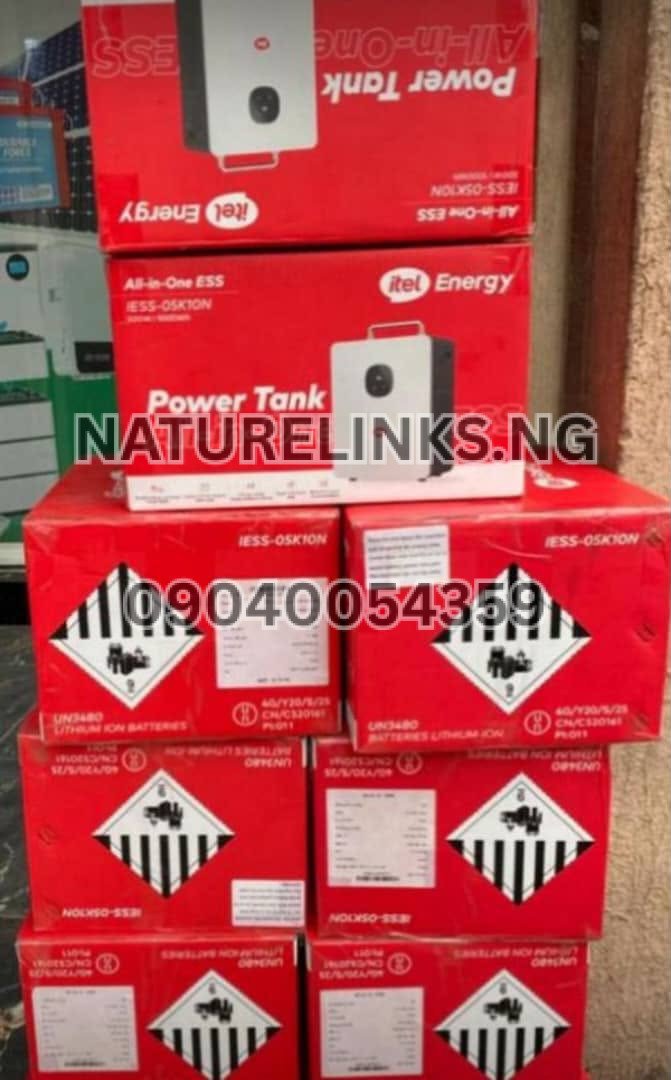
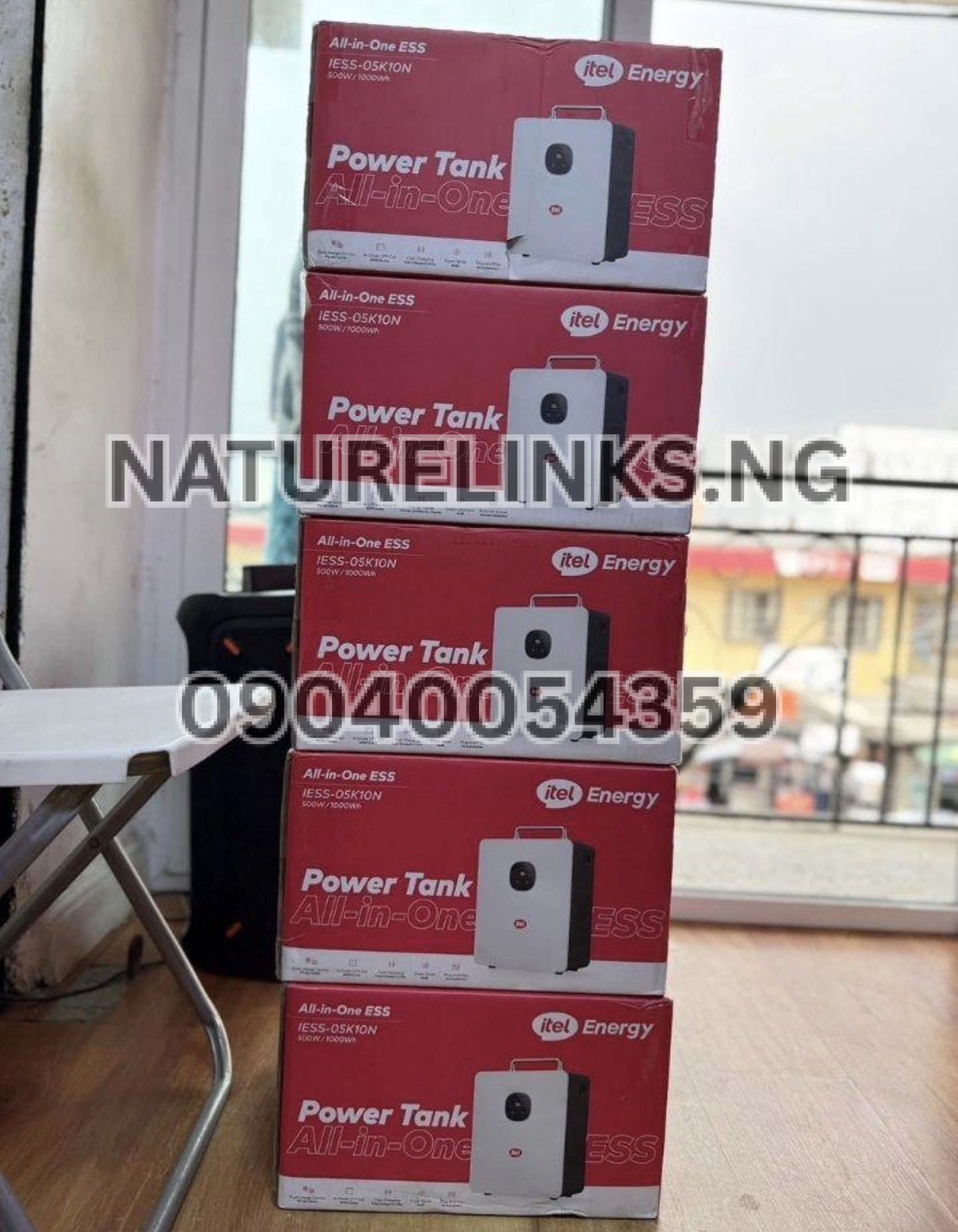
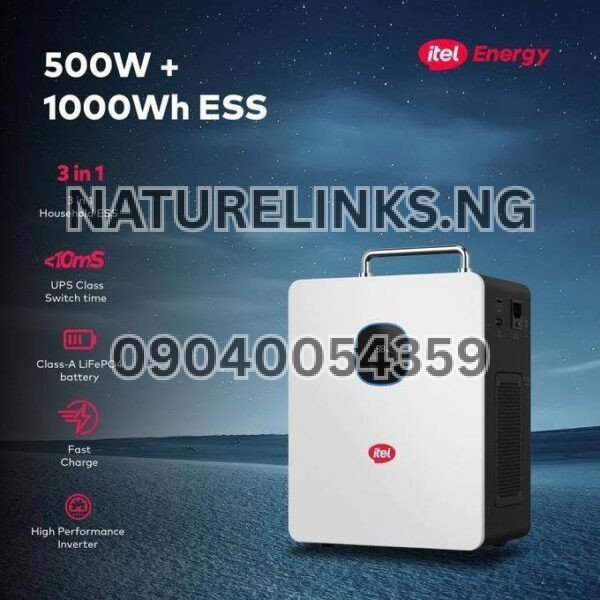
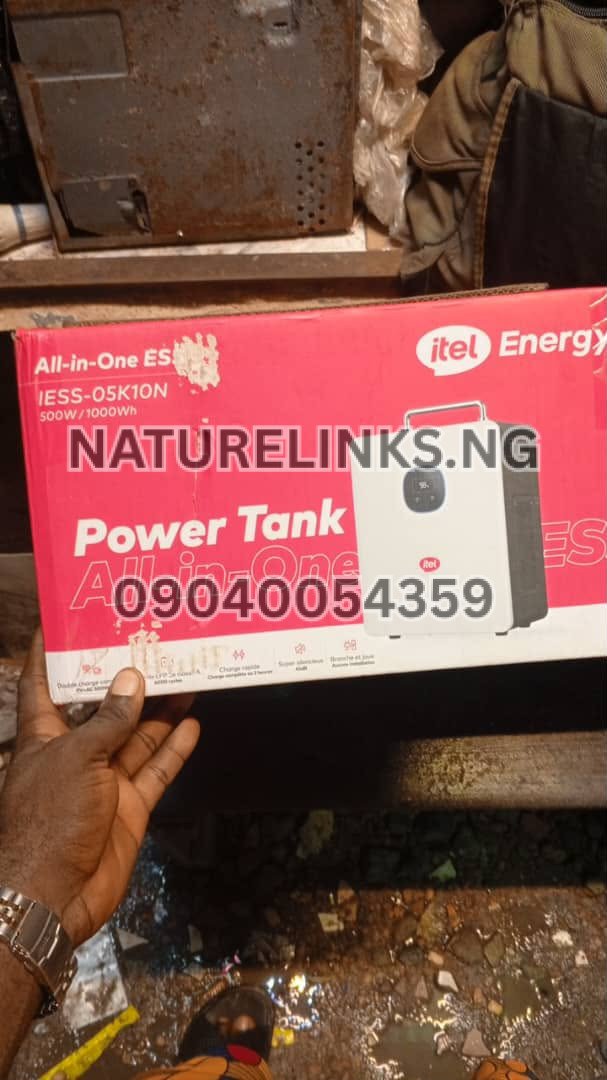
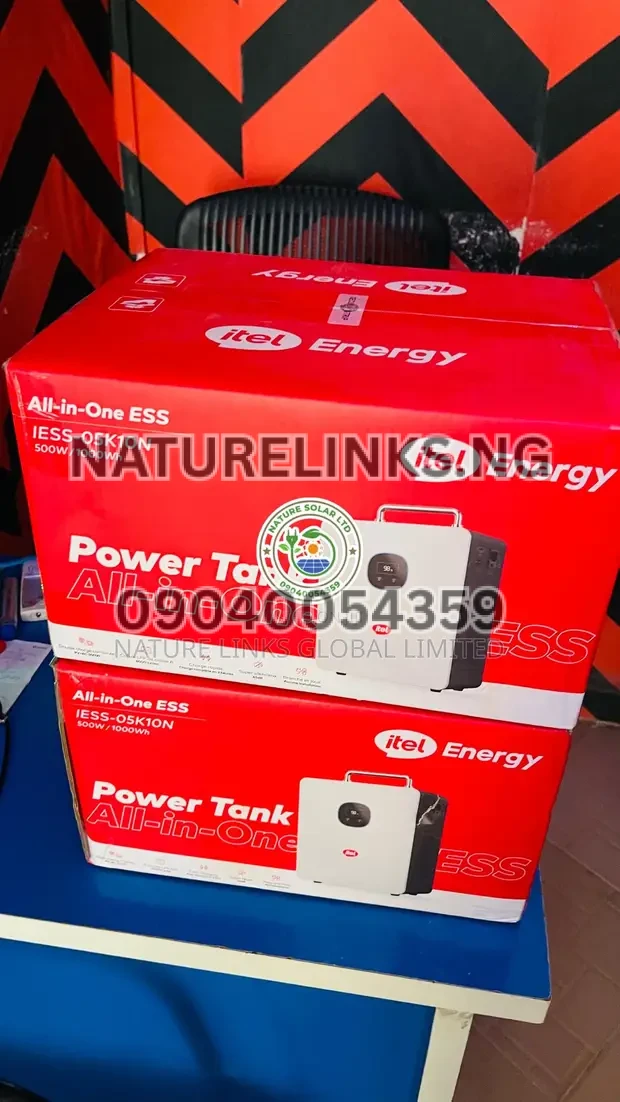
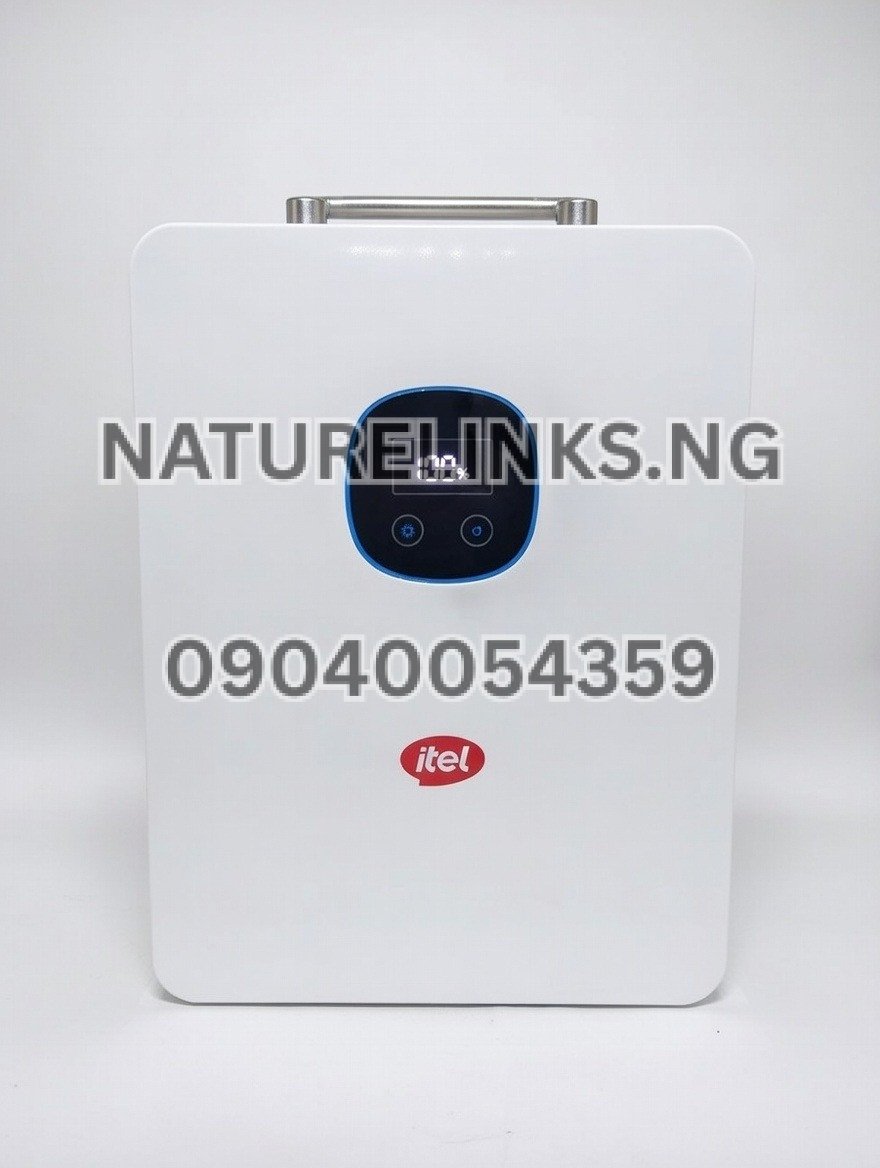
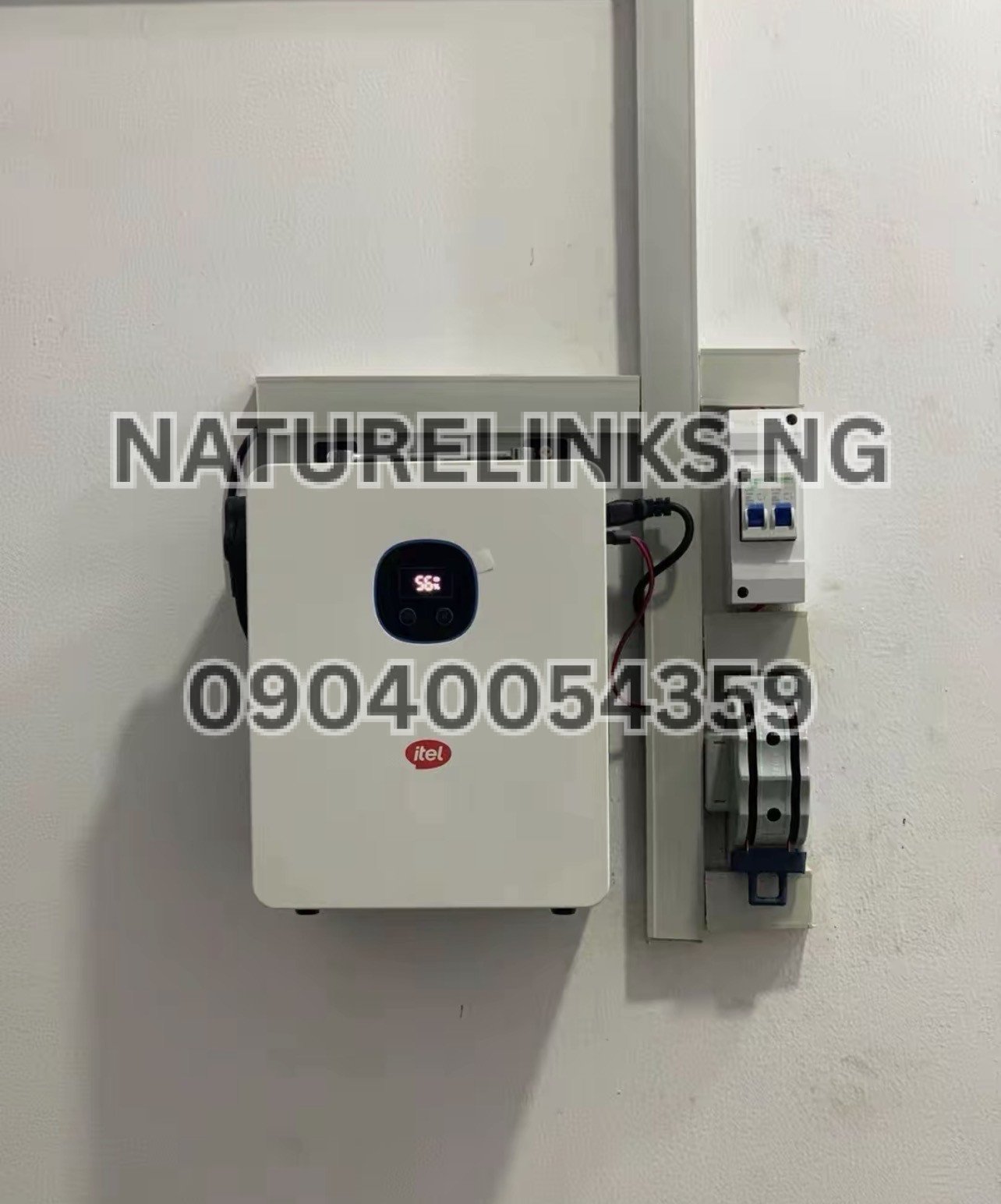
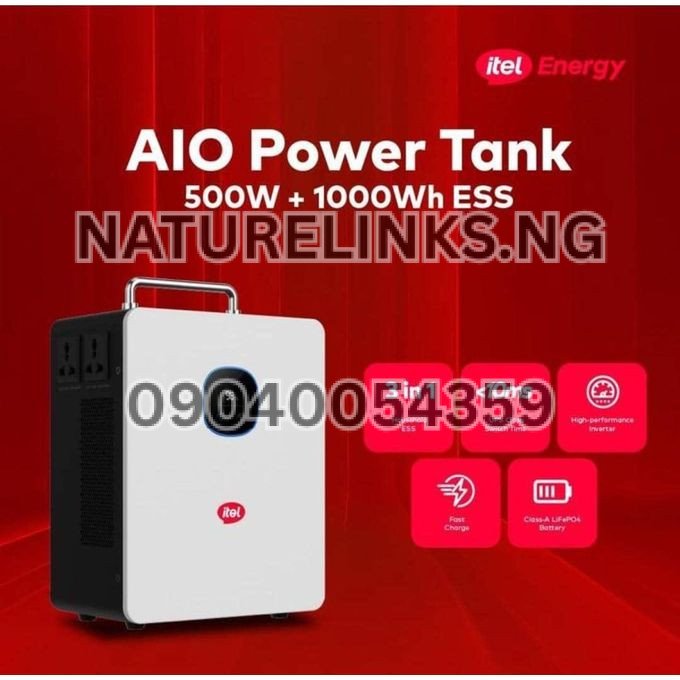
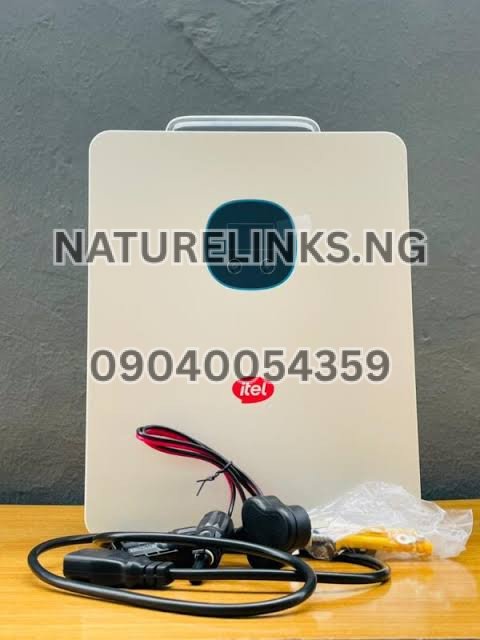
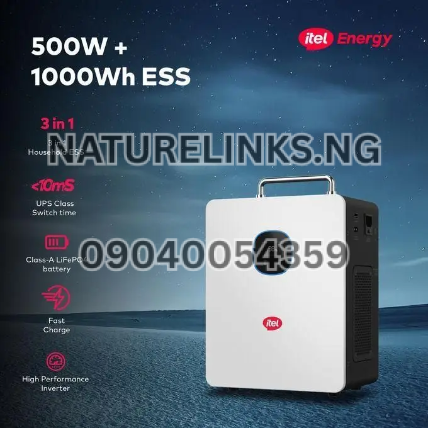
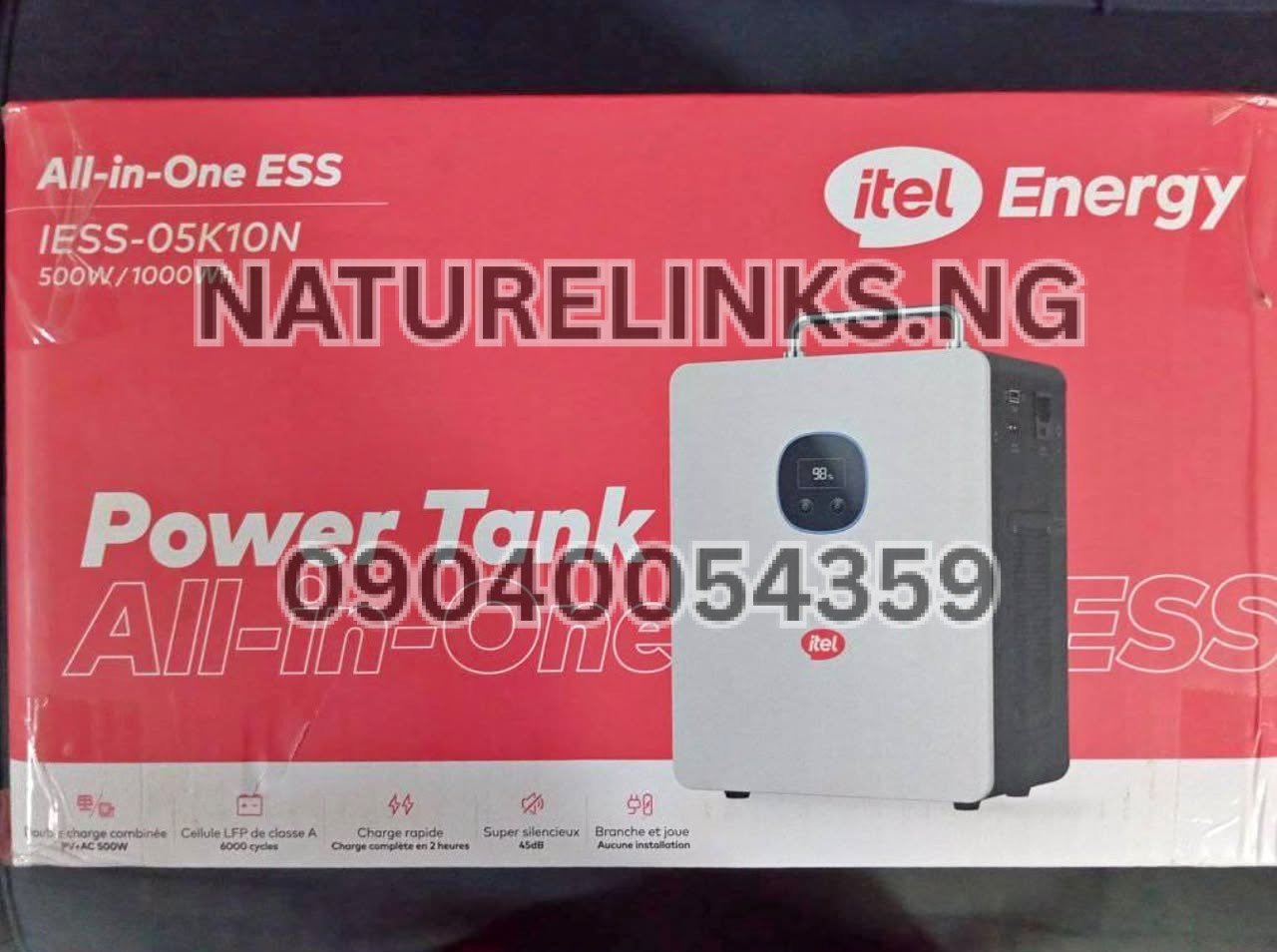
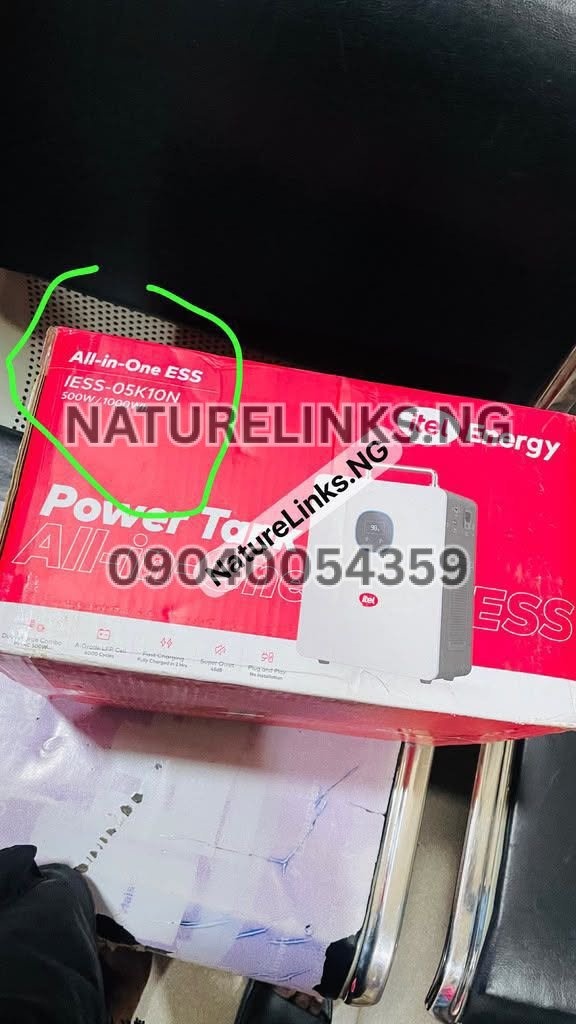
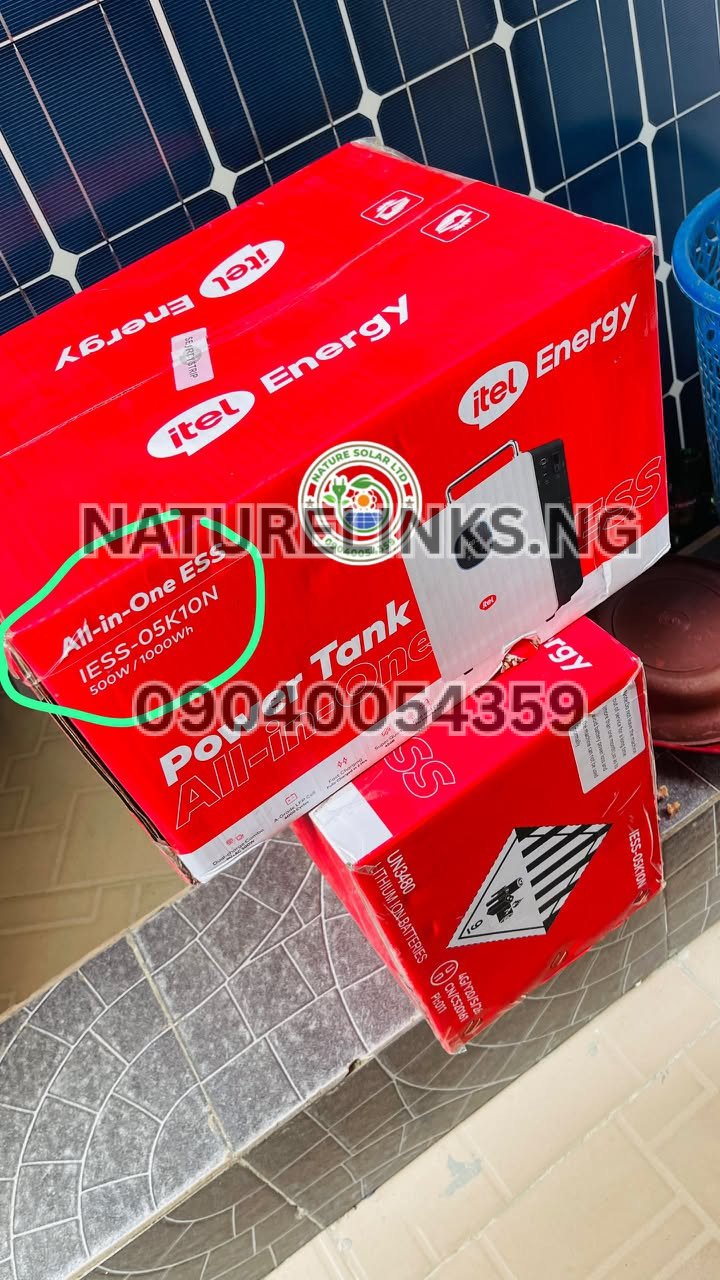
Itel Power Tank is a portable all-in-one energy-storage system designed around battery storage, an inverter and charging electronics. A commonly advertised Nigerian configuration is the itel Power Tank IESS-05K10N, with approximately 1,000Wh/1kWh battery capacity and 500W AC output. Nigerian listings describe it as using LiFePO4 battery technology, pure sine-wave AC output, AC/grid charging and solar charging.
Jackery is a separate portable-power brand with several Explorer models. Its specifications vary considerably by model. For example, the current Jackery Explorer 1000 v2 is listed with 1,070Wh capacity and 1,500W output, while the Explorer 1000 Plus has 1,264Wh capacity and 2,000W output.
Therefore, there is no single specification that represents every Jackery product.
Is Itel Power Tank the same as Jackery?
No. Itel Power Tank and Jackery are separate brands and product ranges.
They are similar in the sense that both offer portable power stations designed to store electrical energy and provide electricity through AC, USB and/or DC outputs.
However, their individual models can differ in:
- Battery capacity
- Continuous AC output
- Surge output
- Battery chemistry
- Charging speed
- Solar input
- Number and type of output ports
- Expandability
- App connectivity
- Weight and dimensions
- Warranty
- Price
- Availability in Nigeria
This means a buyer should compare specific models, rather than simply comparing the names “Itel” and “Jackery.”
Itel Power Tank 1000Wh vs Jackery 1000: Which has more power?
The answer depends on the exact Jackery 1000 model.
The commonly advertised Itel Power Tank configuration in Nigeria has 1,000Wh battery capacity and 500W rated AC output.
Jackery has multiple products around the 1kWh category. The current Explorer 1000 v2 is listed at 1,070Wh and 1,500W output, while the Explorer 1000 Plus is 1,264Wh and 2,000W output.
So, when comparing a 500W/1,000Wh Itel Power Tank with either of these newer Jackery models, the Jackery model has a higher rated AC output and, depending on the model, somewhat greater battery capacity.
However, higher output does not automatically mean longer runtime. Wh determines stored energy, while W determines how much electrical load the inverter can deliver at once.
Itel Power Tank vs Jackery battery capacity
Battery capacity is one of the most important specifications when buying a portable power station.
The commonly advertised Itel Power Tank IESS-05K10N configuration has approximately:
- 1,000Wh
- 1kWh
- LiFePO4 battery technology on listed configurations
Jackery’s capacity depends on the model. For example:
- Explorer 1000 v2: 1,070Wh
- Explorer 1000 Plus: 1,264Wh
A larger Wh rating generally means more stored energy, although actual appliance runtime will be lower than a simple Wh ÷ watts calculation because of inverter losses, battery-management limits and the appliance’s actual consumption.
What does 1000Wh mean on Itel Power Tank?
1,000Wh means the battery can theoretically store approximately 1,000 watt-hours of energy.
For example, as a simplified illustration:
- 50W load × 10 hours = 500Wh
- 100W load × 5 hours = 500Wh
- 200W load × 5 hours = 1,000Wh
Actual runtime will differ because power stations do not deliver their entire nominal battery capacity to an AC appliance.
This is why a buyer should not assume that a 1,000Wh Power Tank will automatically run a 100W appliance for exactly 10 hours.
What does 500W mean on Itel Power Tank?
The 500W rating refers to the inverter’s rated continuous AC output on the commonly advertised Itel Power Tank configuration.
In simple terms, it tells you the approximate continuous electrical load the Power Tank is designed to supply.
This is different from its 1,000Wh battery capacity.
For example, a 1,000Wh battery with a 500W inverter does not mean that it will run a 500W appliance for two exact hours. Real-world runtime is affected by conversion losses and the appliance’s actual consumption.
Does Jackery have more output power than Itel Power Tank?
Some Jackery models do.
The current Explorer 1000 v2 is rated at 1,500W, while the Explorer 1000 Plus is rated at 2,000W.
The commonly advertised Itel Power Tank IESS-05K10N is rated at 500W continuous output, with listings also describing higher surge capability on applicable configurations.
Consequently, someone who needs to operate higher-wattage equipment should pay particular attention to the inverter rating rather than looking only at battery capacity.
Itel Power Tank vs Jackery for TV, fan and router
Both types of portable power stations can be suitable for relatively low-power electronics, provided the appliance load remains within the specific model’s output rating.
Typical loads that buyers may consider include:
- LED TV
- Wi-Fi router
- Modem
- Rechargeable fan
- LED bulbs
- Laptop
- Smartphone chargers
- Decoder
- CCTV equipment
- POS machines
The Itel Power Tank 500W/1,000Wh configuration is marketed for applications including TVs, fans, routers, decoders, lights and other small appliances.
Jackery models also support household electronics, but the actual appliances that can be used depend on the model’s rated output and surge capability.
Can Itel Power Tank power a refrigerator?
A refrigerator requires special consideration because compressors can draw a higher starting current.
A small, efficient refrigerator may fall within the operating range of some portable power stations, but buyers should check:
- The refrigerator’s running wattage.
- Its compressor starting/surge requirement.
- The Power Tank’s continuous output.
- The Power Tank’s surge rating.
- Expected runtime.
Do not determine refrigerator compatibility from battery capacity alone.
Can Jackery power a refrigerator?
Some Jackery models can operate refrigerators, depending on the refrigerator’s power requirement and the Jackery model.
For example, Jackery publishes appliance-runtime examples for its Explorer 1000 Plus and shows a refrigerator example on its product information.
The same principle applies: check the appliance’s actual wattage and starting demand before purchasing.
Which has better battery technology: Itel Power Tank or Jackery?
This depends on the exact model.
The commonly advertised Itel Power Tank 1,000Wh configuration uses LiFePO4/LFP battery technology.
Current Jackery models such as the Explorer 1000 v2 and Explorer 1000 Plus also use LiFePO4 batteries. Jackery lists the Explorer 1000 v2 with LiFePO4 cells and a stated 4,000-cycle specification, while the Explorer 1000 Plus is also listed with LiFePO4 and 4,000 cycles to at least 70% capacity.
Older Jackery Explorer models can use different chemistry. Jackery’s support information for the older Explorer 1000, for example, identifies an NCM lithium-ion battery and a 500-cycle specification.
Therefore, always check the exact model number before comparing battery technology.
Itel Power Tank vs Jackery charging
Charging capability is another major difference.
The commonly advertised Itel Power Tank 1,000Wh/500W configuration supports AC/grid charging and solar charging, with listings describing an integrated MPPT solar charge controller.
Jackery products also support AC and solar charging, but the input specifications vary by model.
For example, Jackery lists the Explorer 1000 Plus with AC charging and DC solar input, with its specifications showing up to 800W of DC input when using both supported DC inputs.
Can Itel Power Tank charge with electricity?
Yes, the commonly advertised Itel Power Tank configuration supports AC/grid charging.
This is particularly relevant in Nigeria because the Power Tank can be charged when grid electricity is available and then used as backup power when electricity goes off.
Always use the supplied or manufacturer-approved charging equipment and follow the model’s input specifications.
Can Itel Power Tank charge with solar panels?
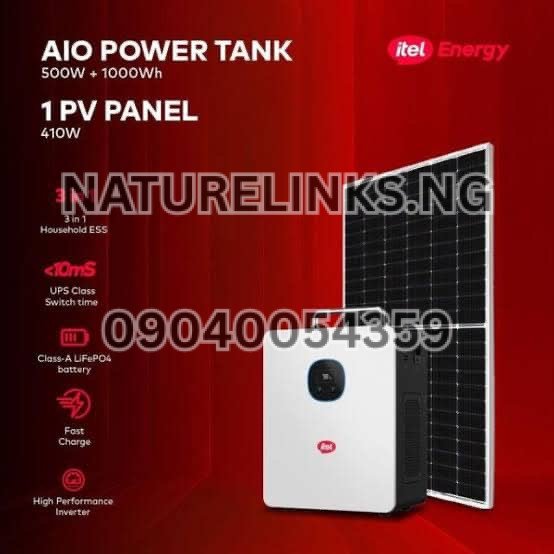
Yes. The commonly advertised Itel Power Tank configuration supports solar charging and includes an integrated MPPT solar charge controller.
However, solar-panel voltage, current and maximum input power must match the Power Tank’s specifications.
Using an incompatible solar panel or incorrectly configured solar input can damage equipment.
Can Jackery charge with solar panels?
Yes. Jackery’s portable power stations support solar charging, although the maximum solar input differs between models.
For example, Jackery’s Explorer 1000 Plus documentation specifies DC solar input and gives different maximum input levels depending on whether one or two supported DC inputs are used.
The correct solar panel configuration should therefore be selected according to the exact Jackery model.
Which charges faster: Itel Power Tank or Jackery?
Charging speed depends on the exact model, charger and available input power.
Current Jackery models can have high AC charging power. For example, Jackery states approximately 1.7 hours for AC charging the Explorer 1000 Plus under its specified conditions.
Some Nigerian listings for the Itel Power Tank advertise rapid charging, including a listing claiming approximately two hours for the 1,000Wh model.
Because charging times can vary by model, input source and conditions, buyers should verify the manufacturer’s specification for the exact unit being purchased.
Itel Power Tank vs Jackery price in Nigeria
Price is one of the most important buyer-search factors in Nigeria.
Current Nigerian listings for the commonly advertised Itel Power Tank 500W/1,000Wh configuration vary considerably. Examples found in current Nigerian listings include approximately ₦279,000, ₦310,000, ₦350,000 and ₦359,849, with other packages and sellers listing higher prices.
A current Nigerian market-price source lists the Jackery Explorer 1000 at approximately ₦800,000–₦1,100,000, while the Explorer 1000 Pro is listed around ₦900,000–₦1,250,000.
These are market listings rather than a universal fixed price. Importation, exchange rates, seller margins, shipping, warranty, promotions and package contents can affect the Nigerian selling price.
Why is Jackery more expensive than some Itel Power Tank models?
Price differences can result from several factors, including:
- Different inverter output
- Battery capacity
- Battery chemistry
- Charging speed
- Solar input capability
- Product generation
- App functionality
- Expandable battery support
- Warranty
- Importation and distribution costs
- Accessories
- Retailer pricing
For example, the Jackery Explorer 1000 Plus is a considerably higher-output system than the commonly advertised 500W Itel Power Tank configuration, with 1,264Wh capacity and 2,000W output.
Therefore, price should be evaluated together with specifications.
Is Itel Power Tank cheaper than Jackery in Nigeria?
Current Nigerian listings show the commonly advertised Itel Power Tank 500W/1,000Wh configuration at substantially lower prices than some Jackery 1kWh-class models.
However, prices change frequently, so buyers should confirm the current price, model and package before payment.
Itel Power Tank vs Jackery: inverter output comparison
| Feature | Itel Power Tank commonly advertised configuration | Jackery Explorer 1000 v2 | Jackery Explorer 1000 Plus |
|---|---|---|---|
| Battery capacity | 1,000Wh | 1,070Wh | 1,264Wh |
| Rated AC output | 500W | 1,500W | 2,000W |
| Battery chemistry | LiFePO4 | LiFePO4 | LiFePO4 |
| Solar charging | Yes | Yes | Yes |
| AC charging | Yes | Yes | Yes |
| Portable design | Yes | Yes | Yes |
| Expandable battery | Configuration-dependent | Model-dependent | Yes |
| App connectivity | Configuration-dependent | Available on current model | Yes |
| Best comparison point | Budget/essential backup | Higher-output portable power | Higher-output and expandable system |
It is important to note that the table compares specific model configurations, not every Itel Power Tank or every Jackery product. Specifications can also differ by regional version.
Itel Power Tank vs Jackery: portability
Portable power stations are generally designed to provide electricity without installing a conventional petrol or diesel generator.
The weight of the device matters if you frequently move it between:
- Home
- Office
- Shop
- Event location
- Vehicle
- Outdoor workspace
- Travel location
For example, Jackery lists the Explorer 1000 Plus at approximately 14.5kg.
The commonly advertised Itel Power Tank listings vary in reported weight, with Nigerian listings showing approximately 10–12kg for the IESS-05K10N depending on the listing.
Buyers should verify the physical specifications of the exact unit before purchase.
Which is better for Nigerian homes: Itel Power Tank or Jackery?
There is no single answer because household electricity needs differ.
A buyer should first calculate the appliances that need backup.
For example, someone primarily running:
- Router
- Laptop
- LED bulbs
- TV
- Rechargeable fan
- Phones
may have very different requirements from someone trying to operate:
- Refrigerator
- Freezer
- Blender
- Microwave
- Pump
- Power tools
- High-wattage appliances
The first group may focus heavily on battery capacity, portability and price. The second group needs to pay much closer attention to inverter output and surge capability.
Is Itel Power Tank good for office use?
The commonly advertised 500W/1,000Wh Itel Power Tank can be considered for low-to-moderate office loads within its rated output.
Potential uses include:
- Laptop
- Wi-Fi router
- Modem
- LED lights
- Phone charging
- POS machine
- CCTV
- Small electronics
The combined load must remain within the Power Tank’s output specification.
Is Jackery good for office backup?
Jackery’s higher-output models can support a wider range of equipment, depending on the model.
For example, the Explorer 1000 Plus is rated at 2,000W continuous output, which provides substantially more inverter capacity than a 500W power station.
However, the higher specification can also come with a higher purchase price.
Itel Power Tank for small business in Nigeria
Portable power stations can be useful for Nigerian businesses that need backup power for essential low-power equipment.
Possible applications include:
- POS terminals
- Routers
- Phones
- Laptop computers
- LED lighting
- CCTV
- Small printers
- Decoders
- Small electronics
For a business, the key calculation is the total wattage of the equipment that must remain operational.
Jackery for small business in Nigeria
Higher-output Jackery models may be suitable for businesses requiring more inverter capacity.
For example, the Explorer 1000 Plus provides up to 2,000W of rated AC output according to Jackery’s specifications.
The buyer should nevertheless calculate actual energy consumption rather than purchasing solely based on the maximum wattage.
Which one has more solar charging capability?
Solar charging capability depends on the exact model.
The commonly advertised Itel Power Tank 500W/1,000Wh configuration has an integrated MPPT controller and is listed with solar input capability, with some listings specifying approximately 400W PV input.
The Jackery Explorer 1000 Plus has substantially higher potential DC input capacity in its documented configuration, with Jackery specifying up to 800W using its dual-input arrangement.
This can be important for buyers who want to recharge primarily from solar energy.
Itel Power Tank vs Jackery for solar use in Nigeria
Nigeria receives significant solar energy, making solar charging attractive for backup-power users.
A buyer considering either brand should examine:
- Maximum solar input wattage
- Solar input voltage range
- Maximum current
- Number of solar inputs
- Whether panels are included
- Panel compatibility
- Solar charging time
- MPPT functionality
Do not connect random solar panels simply because their wattage appears suitable. Voltage and current must also fall within the power station’s permitted input range.
Does Itel Power Tank have a pure sine wave inverter?
Yes. The commonly advertised Itel Power Tank 500W/1,000Wh configuration is listed with a pure sine-wave inverter.
Pure sine-wave output is particularly useful for electronics and appliances that require clean AC power.
Does Jackery use pure sine wave?
Yes. Jackery identifies pure sine-wave output on its portable power stations, including the Explorer 1000 and Explorer 1000 Plus.
Which one is easier to use?
Both product categories are designed around portable, all-in-one operation.
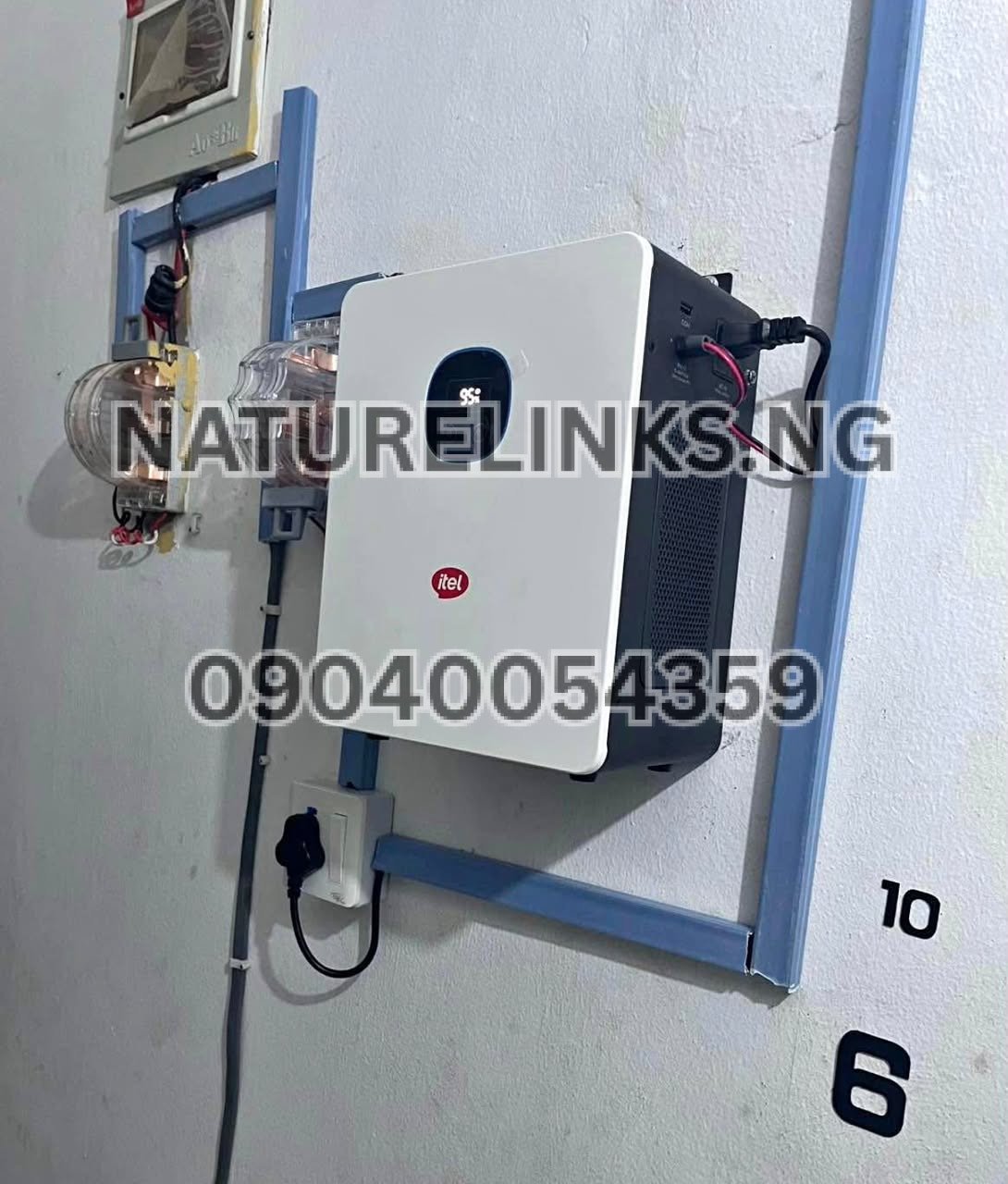
The Itel Power Tank commonly advertised in Nigeria combines the battery, inverter and solar charging system into one unit.
Jackery similarly sells integrated portable power stations that combine battery storage, inverter functions and charging inputs.
For a first-time buyer, the most important consideration is whether the model provides the ports and power output required by the intended appliances.
Itel Power Tank vs Jackery warranty
Warranty depends on the specific model, seller and market.
Jackery’s current Explorer 1000 Plus documentation states a 3+2-year warranty on its official product page.
Nigerian Itel listings can specify different warranty periods. For example, one Nigerian marketplace listing for the IESS-05K10N states a two-year warranty, while another listing states a 12-month official itel warranty.
This illustrates why Nigerian buyers should confirm the exact warranty terms supplied with the particular unit before payment.
What should you check before buying Itel Power Tank or Jackery?
Before buying either product, check:
- Exact model number.
- Battery capacity in Wh.
- Continuous AC output in W.
- Surge output.
- Battery chemistry.
- AC charging specification.
- Solar input specification.
- Number of AC outlets.
- USB-C and USB-A outputs.
- DC output.
- UPS/pass-through functionality.
- Weight.
- Warranty.
- Accessories included.
- Seller authenticity.
- Current Nigerian price.
- Availability of after-sales support.
- Return policy.
- Compatibility with your appliances.
- Delivery location and cost.
How to calculate the right Power Tank size
A simple starting calculation is:
Required energy = appliance wattage × number of hours of use.
For example, if your equipment consumes approximately 150W and you want five hours of operation:
150W × 5 hours = 750Wh.
A 1,000Wh-class battery may therefore appear suitable on paper, but real-world runtime will be lower because of conversion losses and other system factors.
If you regularly need more energy, consider a larger battery capacity.
How to choose between Itel Power Tank and Jackery
For a Nigerian buyer, compare the products based on actual requirements:
If your priority is essential low-power backup
Look closely at:
- Price
- 1,000Wh-class capacity
- 500W-class output
- Solar compatibility
- AC charging
- Local availability
- Warranty
The commonly advertised Itel Power Tank 500W/1,000Wh configuration fits this type of specification profile.
If your priority is higher inverter output
Examine Jackery models such as the Explorer 1000 v2 and Explorer 1000 Plus, which are listed at 1,500W and 2,000W output respectively.

If your priority is expandable storage
The Explorer 1000 Plus supports expansion with additional battery packs, according to Jackery.
If your priority is Nigerian purchase price
Compare the current local price of the exact model, not just the brand.
Current listings show a significant price difference between the commonly advertised Itel Power Tank 500W/1,000Wh and several Jackery 1kWh-class products in Nigeria.
Where to buy genuine Itel Power Tank in Nigeria
For buyers looking for an original Itel Power Tank in Nigeria, Nature Links Nigeria Limited [NatureLinks.NG] provides a local contact point for checking availability, model specifications, current price and purchasing information.
Best Seller: Nature Solar Global Limited
Distributor: Nature Solar Global Limited
CEO: Mr. Joseph Chikeleze
Call: 07049528019
WhatsApp: 09040054359
Shop Address: F1571 Upstairs (F-Line), Alaba International Market, Lagos State 🇳🇬
Before making payment, buyers should confirm the exact model, battery capacity, inverter output, accessories, warranty and current selling price.
Itel Power Tank price in Nigeria
The Nigerian market does not have one permanent price for the Itel Power Tank.
Recent Nigerian listings for the commonly advertised 500W/1,000Wh configuration show prices ranging from approximately ₦279,000 to above ₦500,000, depending on seller, package and availability.
Some listings are around ₦310,000–₦360,000, while solar-panel bundles and other packages can cost considerably more.
For an exact current quotation, contact the seller before payment.

Jackery price in Nigeria
Jackery prices also vary according to model and seller.
A current Nigerian market-price listing puts the Jackery Explorer 1000 at approximately ₦800,000–₦1,100,000, while the Explorer 1000 Pro is listed at approximately ₦900,000–₦1,250,000.
Imported Jackery products can also have additional shipping and customs costs. For example, a Nigerian Ubuy listing for the Explorer 1000 v2 indicates that shipping and customs are calculated separately.
Frequently Asked Questions About Itel Power Tank and Jackery
1. What is the difference between Itel Power Tank and Jackery?
Itel Power Tank and Jackery are separate portable-power brands. The difference depends on the exact models being compared. A commonly advertised Itel Power Tank has 1,000Wh capacity and 500W output, while current Jackery 1000-class models can offer 1,070Wh/1,500W or 1,264Wh/2,000W depending on the model.
2. Is Itel Power Tank better than Jackery?
The useful comparison depends on the buyer’s requirements rather than the brand name. Compare capacity, output, charging speed, solar input, battery chemistry, warranty, price and intended appliances.
3. Is Itel Power Tank cheaper than Jackery in Nigeria?
Current Nigerian listings show the commonly advertised Itel Power Tank 500W/1,000Wh configuration at considerably lower prices than several Jackery 1kWh-class models. Actual prices change according to seller, model, package and market conditions.
4. How many watts is Itel Power Tank?
The commonly advertised IESS-05K10N configuration has a 500W rated AC output. Some listings also specify surge capability above the continuous rating.
5. How many watts is Jackery 1000?
It depends on the model. The current Explorer 1000 v2 is listed at 1,500W, while the Explorer 1000 Plus is listed at 2,000W. Older Explorer 1000 models have different specifications.
6. Can Itel Power Tank charge with solar?
Yes. The commonly advertised Itel Power Tank 1,000Wh configuration supports solar charging and includes an MPPT solar charge controller on listed configurations.
7. Can Itel Power Tank charge from NEPA/grid electricity?
Yes. The commonly advertised configuration supports AC/grid charging.
8. Which has a bigger battery, Itel Power Tank or Jackery?
It depends on the Jackery model. The commonly advertised Itel Power Tank has 1,000Wh, while the Explorer 1000 v2 has 1,070Wh and Explorer 1000 Plus has 1,264Wh.
9. Can Itel Power Tank run a TV and fan?
It can run suitable TVs and fans when their combined power consumption remains within the Power Tank’s rated output. The actual runtime depends on the appliances’ wattage and battery charge level.
10. Where can I buy genuine Itel Power Tank in Nigeria?
Buy from a seller who can identify the exact model, provide the applicable warranty and confirm that the product is genuine. Nature Links Nigeria Limited [NatureLinks.NG] can be contacted through 07049528019 or WhatsApp 09040054359, with the listed shop address at F1571 Upstairs (F-Line), Alaba International Market, Lagos State.
Important buying advice for Nigerians
When searching online for “What is the difference between Itel Power Tank and Jackery?”, avoid comparing products solely by the words “1000W” or “1000Wh.”
Remember:
Wh = stored energy.
W = output power.
A 1,000Wh battery and a 1,000W inverter describe two completely different things.
A product with a large battery but a low inverter rating may store plenty of energy but still be unable to operate a high-wattage appliance.
Similarly, a high-output inverter does not necessarily mean the battery will last a long time.
For Nigerian buyers, the best way to compare portable power stations is to identify the appliances first and then calculate the required wattage and estimated energy consumption.
Why model number matters
The name “Jackery 1000” can refer to different generations and specifications. Jackery’s own current and support pages demonstrate that models in the Explorer 1000 family can have substantially different battery chemistry, output, capacity and charging specifications.
The same principle applies when purchasing an Itel Power Tank.
Always ask the seller:
What is the exact model number?
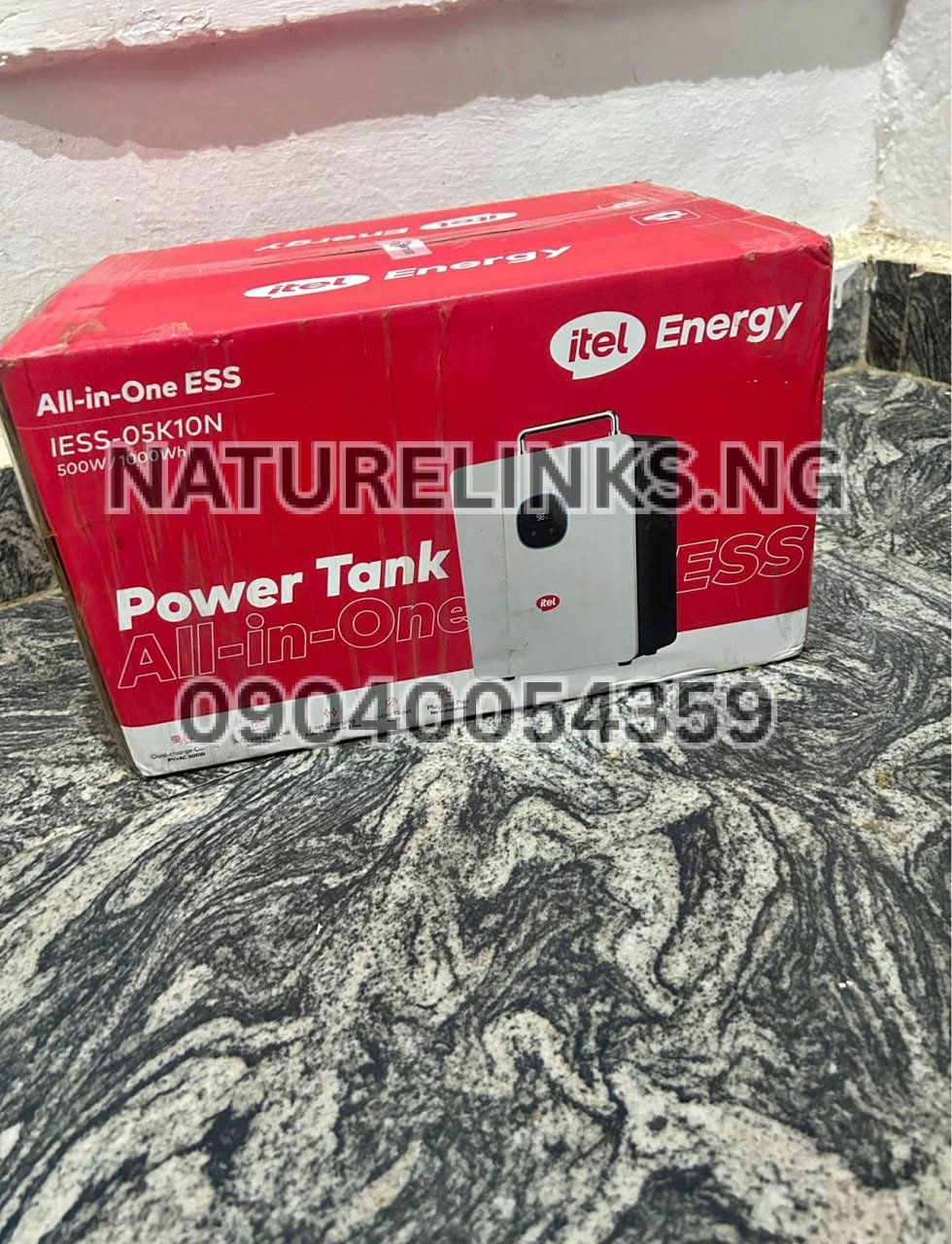
For the commonly advertised Nigerian Itel unit, the model shown in several listings is IESS-05K10N.
This helps prevent accidentally comparing different generations or configurations.
Final conclusion
The main difference between Itel Power Tank and Jackery is not simply the brand. The important differences are found in battery capacity, inverter output, charging capability, solar input, battery chemistry, expandability, warranty, availability and price.
The commonly advertised Itel Power Tank IESS-05K10N combines approximately 1,000Wh of LiFePO4 battery storage with a 500W inverter, AC/grid charging and solar charging.
Current Jackery models around the 1kWh class can offer higher inverter output. For example, the Explorer 1000 v2 is listed at 1,070Wh/1,500W, while the Explorer 1000 Plus is listed at 1,264Wh/2,000W and supports expandable battery capacity.
For Nigerian buyers, the practical comparison should therefore focus on the exact model, your appliances, required runtime, charging method, budget, warranty and local availability. Before paying, confirm the current price, product specifications, accessories and warranty with the seller.